REVIEW · DHAKA
Private Tour: Sonargaon Full-day Sightseeing Tour; The Ancient Capital
Book on Viator →Operated by Travel Trips · Bookable on Viator
Leaving Dhaka is the hard part. This private day trip trades city noise for Sonargaon’s old monuments and river calm. You’ll get a historian art guide, entry fees included, and a mix of walking, pulling rickshaw time, and a boat ride on the Meghna.
What I like most is how the tour is built for you to relax while still seeing real sites. I especially value the included lunch and the smooth flow from museum to mosque to ruins, without you having to stitch together transport and tickets. The other big win is the guide—on the day I’m basing this review on, Al-Amin Farazi guided with clear explanations and even brought local snack ideas into the mix.
One thing to consider: this is not a flashy, crowd-heavy “attractions circuit.” The day can feel quiet, and it’s a cultural escape more than a show. If you’re craving lots of other foreign tourists or a big-group vibe, you may find the atmosphere more low-key.
In This Review
- Key Things You’ll Notice on This Sonargaon Day
- Getting Out of Dhaka: Private Transfers That Still Feel Easy
- Sonargaon Folk Art and Craft Museum: Where the Day Gets Its Local Context
- Goaldi Mosque: A Medieval Monument You Can Actually Hear Yourself Think At
- Panam Nagar Ruins: Architectural Photos With a Real Sense of Place
- The Boat Ride on the River Meghna: The Pace Reset You’ll Appreciate
- Wooden Rickshaw Ride Through Small Lanes: A Tiny Time Machine
- Lunch and Local Snacks: Refuel Without Losing Time
- The Guide Makes or Breaks It (And This One Has a Track Record)
- Price and Value: What $102.57 Covers (And Why It Adds Up)
- Who Should Book This Sonargaon Tour (And Who Might Not Love It)
- Should You Book Sonargaon Full-Day? My Take
- FAQ
- How long is the Sonargaon full-day tour?
- What time does the tour start in Dhaka?
- What’s included in the price?
- Are entry fees included for all stops?
- Is this tour private?
- Do I need to buy tickets on my own?
- What’s the cancellation policy?
Key Things You’ll Notice on This Sonargaon Day
- A historian guide, not just a driver with a clipboard: you’ll get context for what you’re looking at
- Entry fees are handled for you: museum and site costs are included
- Traditional transport moments: a pulling rickshaw ride plus a wooden rowboat
- A real break from Dhaka pace: walking old-town lanes and then time on the river
- Lunch is part of the plan: you won’t be hunting for food during the busiest hours
Getting Out of Dhaka: Private Transfers That Still Feel Easy
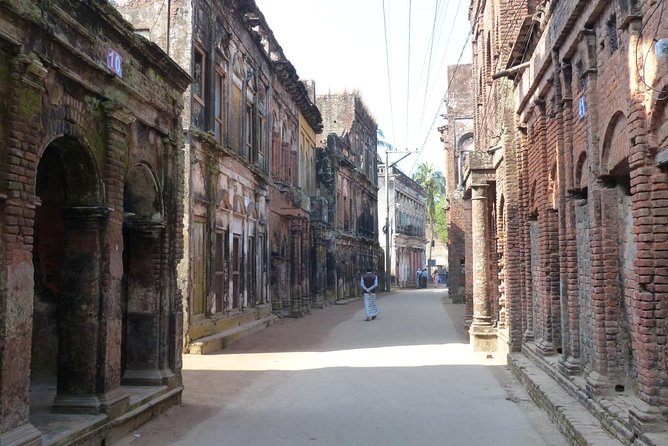
The biggest benefit here is mental. You start with pickup from your Dhaka hotel at 8:00 am, then let the tour handle the movement between stops. Sonargaon is close enough to do in a day, but far enough that the city vibe fades quickly.
You’ll travel by a mix of private and other available transport during the day. Even though it’s a private tour (only your group participates), expect that some segments may use the “available vehicle” approach rather than a sealed, nonstop private car for every single minute. In practice, this usually just means you’re not stuck waiting around with no plan.
I also like that the tour includes the small stuff that usually becomes a hassle when you DIY it: entry fees, the lunch timing, and those transport transitions that can eat hours. When you’re spending a full day away from Dhaka, those wasted hours matter.
And yes, you’ll have downtime built in—especially around the river portion—so you’re not just collecting monuments like they’re stamps.
You can also read our reviews of more private tours in Dhaka


Sonargaon Folk Art and Craft Museum: Where the Day Gets Its Local Context
The first major stop is the Sonargaon Folk Art and Craft Museum, timed for about two hours with admission included. This is a smart opener because it helps you understand what you’re about to see in the surrounding historic town.
A museum stop like this does two useful things on a day trip:
- It slows you down just enough to notice details you’d otherwise miss.
- It gives you a cultural frame for Sonargaon, not only a “look at old buildings” frame.
With the historian art guide, you’re not just walking from display to display. The explanations are the kind that make you look twice—materials, craft traditions, and the sense of how people lived and worked around Sonargaon’s older centers.
If you’re the type who likes to take photos, you’ll also appreciate the setting. Museums give you indoor lighting and a different kind of photographic consistency than outdoor ruins. And you won’t be scrambling for shade after the morning heat.
A minor practical note: bring a little patience. Two hours goes faster than you think when your guide is actively explaining.
Goaldi Mosque: A Medieval Monument You Can Actually Hear Yourself Think At
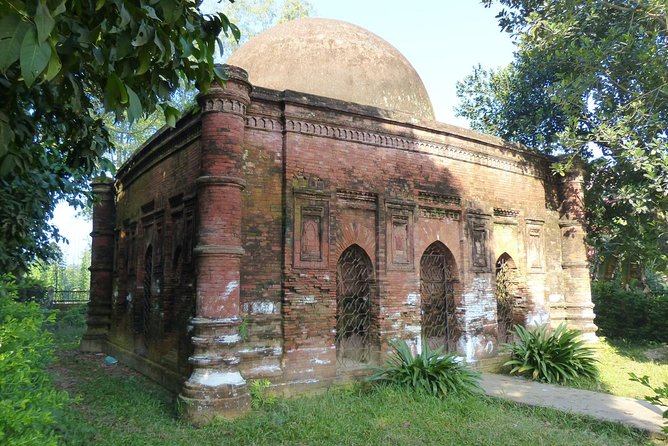
Next comes the Goaldi Mosque (about one hour). Entry here is free, so you’re getting value immediately—no extra fees on top of what you’ve already paid for the day.
Goaldi Mosque is a single-domed medieval monument, and that shape matters. A simple, strong form reads well even if you’re not an architecture specialist. You can step back, study the proportions, and feel the difference between a modern religious building and an older one that survived long enough to become one of the few surviving medieval landmarks in Sonargaon.
Why I like this stop on a full-day itinerary: it’s a breather. After the museum, the mosque gives you a quieter rhythm—less museum-style reading, more looking and listening (and feeling how the space is meant to be used).
It also tends to work well if your day is hot or humid. Mosques offer built-in shade and a natural pause in walking.
If you want a checklist-style souvenir day, this mosque might not feel “big” the way you expect from some famous world sites. But that’s exactly why it fits this trip. It’s grounded and direct.
Panam Nagar Ruins: Architectural Photos With a Real Sense of Place
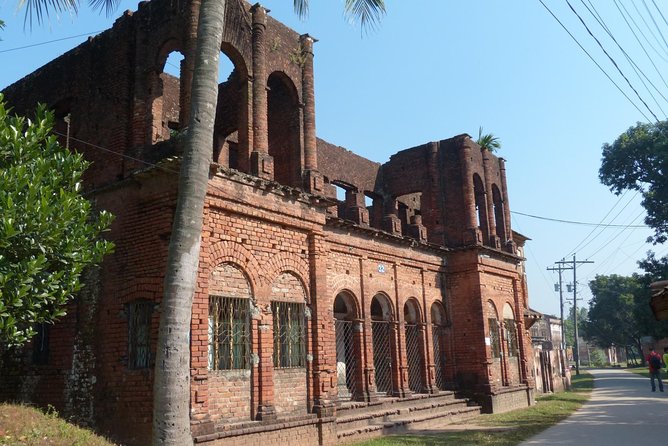
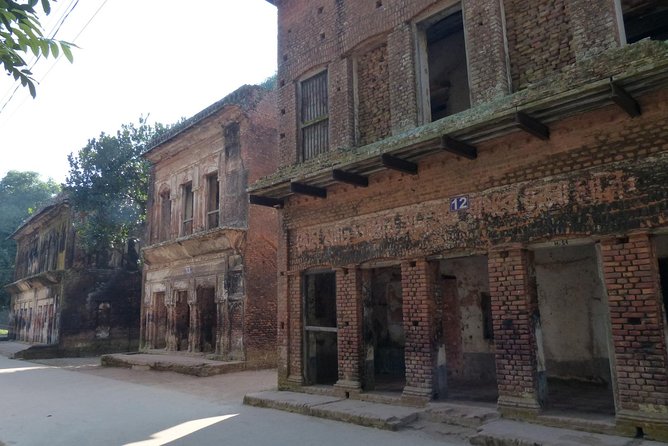
Then you move to Panam Nagar, a stop of around two hours with admission included. This is the site that many people remember most, mostly because it’s visual in a very practical way: you can walk around and see structures that feel tied to their medieval design logic.
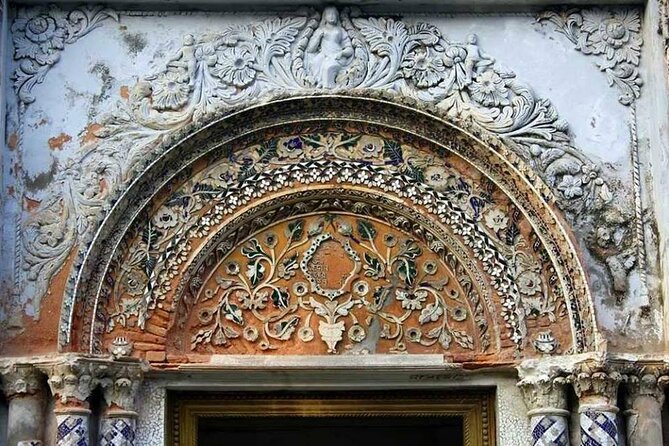
Panam Nagar is where traditional structural and architectural views from the Medieval era come through clearly. That matters because ruins can be confusing—just piles of stone—unless you have a guide to help you interpret what you’re seeing. With the historian guide, the ruins make more sense fast.
I’d treat Panam Nagar like a slow-photo session. Don’t rush the first viewpoint. Take a couple minutes to get your bearings, then come back from another angle. The geometry and layout show themselves better when you’re not trying to photograph everything in the first five minutes.
One more thing: expect the day to become more “site and street” than “indoor museum.” You’ll likely do some walking around old-town areas with a tour through small narrow streets. Wear shoes that can handle uneven ground and the kind of dust that shows up when you’re outdoors for a while.
Panam Nagar has that satisfying payoff: you leave with images that look like you actually understood where you were, not just what you saw.
The Boat Ride on the River Meghna: The Pace Reset You’ll Appreciate
After the heavier sightseeing stops, you get a relaxing boat ride on the River Meghna. The tour uses a wooden rowboat, and this is where the day’s tone changes.
I like this segment because it does what good tours should do: it breaks the mental effort. Museums and ruins pull your attention inward. A river ride pulls your attention outward—water movement, sky light, and a slower sense of time.
Also, the boat portion pairs well with everything else you’re seeing. Sonargaon’s story isn’t only about buildings; it’s about a place tied to movement and trade. Being on the river helps you feel that connection more directly than reading it.
From what’s been described, the boat ride is one of the day’s standout moments. Even if you’re not a “water person,” you’ll probably appreciate the chance to sit for a bit and watch the scenery instead of chasing it.

Wooden Rickshaw Ride Through Small Lanes: A Tiny Time Machine
Another highlight in this tour is the traditional pulling rickshaw ride and the included walking through narrow old-town lanes. This is one of those experiences that’s not just transportation—it’s a way of seeing how the area functions at street level.
A pulling rickshaw moves at a human pace. That means you can look up, notice doorways, catch glimpses of daily life, and feel how the town layout shapes your path. It’s also a good contrast to Dhaka’s intensity. Here, you’re traveling through smaller-scale streets where your attention naturally slows down.
The narrow lanes add a bit of variety too. You’re not only stepping onto museum floors or ruin platforms. You’re moving through the kind of space where the town’s history and present life overlap.
A quick practical thought: this part of the day can involve some uneven ground. So again—comfortable shoes beat fancy shoes.
Lunch and Local Snacks: Refuel Without Losing Time
Lunch is included, and it’s traditional local cuisine. This is a real win on a day trip. When food isn’t included, you often lose time choosing a place, waiting, and then dealing with the bill—and suddenly your “eight hours” becomes a nine-hour scramble.
With lunch planned, you keep the day’s rhythm. And in the descriptions tied to the guide and day, you also get ideas for local snacks, not just a generic lunch box experience. That matters. It helps you taste the place instead of only checking boxes.
I’d also suggest you drink water before you sit down to eat. A long day in a hot climate makes small hydration habits count.
If you’re picky about spice levels, you’ll want to mention your preferences to the guide in a simple, direct way before lunch. You don’t need a big conversation—just a clear note.
And keep in mind: drinks aren’t included. Plan to pay for water or other drinks if you want them.
The Guide Makes or Breaks It (And This One Has a Track Record)
A full-day heritage trip stands or falls on the guide’s storytelling. Here, you get a professional art historian guide. That’s not fluff. It means you’re more likely to understand what you’re looking at—why the museum matters, what the mosque’s form suggests, and how Panam Nagar’s structures fit into the larger Sonargaon story.
One name that comes up is Al-Amin Farazi. On days like this, the difference is how the guide handles the pace and the details—explaining history thoroughly and adding touches like local snack recommendations. There’s also the practical side: you can tell a good guide is paying attention when the logistics run smoothly and you aren’t left waiting.
In one account, the day was a standout partly because the guide and driver went above and beyond to make sure everything ran well. That kind of “we’ve got you” energy is exactly what you want for an all-day tour.
And if you’re someone who likes asking questions, a historian guide is a good match. You’re more likely to get answers that connect the dots instead of stopping at facts.
Price and Value: What $102.57 Covers (And Why It Adds Up)
The price is $102.57 per person for a day that’s roughly 8 to 10 hours. For many solo travelers, that might sound high—until you price it like a DIY day.
Here’s what’s included that usually costs extra when you arrange things yourself:
- Hotel pickup and dropoff
- Professional historian guide
- Traditional local lunch
- Boat ride on the River Meghna (wooden rowboat)
- Traditional pulling rickshaw ride
- Walking tour through narrow old-town streets
- Entry fees included for the museum and key sites (with Goaldi Mosque admission free)
- Transportation handled across the day (private and/or available communal vehicle options)
What you’re really paying for is time and certainty. You’re buying an organized day that covers the big-ticket items: guide + transport + entry + food + those two “do it your way” experiences (rickshaw and boat).
So if you want to escape Dhaka without spending half the day planning—this price starts to look reasonable. If you’re the type who loves to plot routes and manage tickets, you could do it cheaper. But you’d trade convenience for stress.
For me, the best value angle is the historian guide paired with included site fees. That combo turns “we saw a mosque and some ruins” into “I understood what those places meant.”
Who Should Book This Sonargaon Tour (And Who Might Not Love It)
This tour is a great fit if you:
- Want a structured cultural day outside Dhaka without logistics headaches
- Like history and context, not only photos
- Enjoy a day that’s part streets, part monuments, part river calm
- Appreciate a guide who explains thoroughly
You might think twice if you:
- Want a fast-paced, loud, big-crowd experience
- Prefer fully private transport for every minute of the day with zero shared segments
- Don’t like quieter days—this one can be very quiet depending on timing
One detail that comes through in the descriptions is that it may not attract a big international crowd. That’s not a bad thing. It can make the day feel more personal and more local, and you’ll likely interact more naturally.
Should You Book Sonargaon Full-Day? My Take
If your goal is a meaningful break from Dhaka with a balanced day of museum context, medieval sights, ruins, and a proper river reset, I’d book it. The standout strengths are the historian guide, the included entry fees, and those two classic transport experiences: the wooden rowboat and the pulling rickshaw.
The only real caution is attitude. Go in expecting a quiet, cultural day rather than a tourist-busy “festival of monuments.” If that sounds right, this is the kind of trip that leaves you with more than photos. You’ll leave with a sense of how Sonargaon fits into Bengal’s older story.
FAQ
How long is the Sonargaon full-day tour?
It runs about 8 to 10 hours.
What time does the tour start in Dhaka?
The tour starts at 8:00 am.
What’s included in the price?
The tour includes hotel pickup and dropoff, a professional art historian guide, traditional local lunch, a wooden rowboat and traditional pulling rickshaw ride, transportation, and entry fees for the attractions mentioned.
Are entry fees included for all stops?
Entry is included for the Folk Art and Craft Museum and Panam Nagar. The Goaldi Mosque admission is listed as free.
Is this tour private?
Yes. It’s private, and only your group participates.
Do I need to buy tickets on my own?
No. The tour provides a mobile ticket, and entry fees are included for the sites where they apply.
What’s the cancellation policy?
You can cancel for a full refund up to 24 hours before the experience starts. The experience requires good weather, and if it’s canceled due to poor weather, you’ll be offered a different date or a full refund.
If you want, tell me your travel dates and where you’re staying in Dhaka, and I’ll help you plan what to pack (and how to structure your day before/after) around this 8–10 hour itinerary.