REVIEW · ACCRA
HERITAGE GHANA(Cape Coast Castles and Kakum National Park)
Book on Viator →Operated by Blemawe Xpo Ghana · Bookable on Viator
Slave castles and a rainforest walk in one day.
This Heritage Ghana outing links Elmina Castle and Kakum canopy walk to the bigger story of the trans-Atlantic slave trade, and how it still echoes through Ghana and the world. You get expert guidance and the kind of on-site context that turns a building into a message you can’t un-see.
What I like most is the way the day is structured around meaning, not just sightseeing. The Elmina Castle visit includes an informative tour that takes you through the grim spaces tied to punishment and captivity, plus the Door of No Return and the turret room tied to the Ashanti king Prempeh I. I also appreciate the practical comfort: an air-conditioned vehicle, lunch, and bottled water are built into the price.
One consideration: this is not a light theme park day. You’ll be walking through locations connected to the suffering of enslaved people, including dungeons and punishment cells, so plan for a heavy, emotional experience.
In This Review
- Key highlights at a glance
- A Heavy Day, Told Clearly: What You’re Really Getting
- Elmina Castle: Portuguese, Dutch, and the Spaces That Held People
- Kakum National Park Canopy Walk: A Breather With Real Ghanaian Nature
- Cape Coast Castle: Door of No Return and the Weight of Place
- Price and Logistics: Is $150 Good Value?
- Timing, Pickup, and the Real Shape of the Day
- Guide Quality: When Names Like Jeff and Binney Matter
- Who This Tour Fits Best (and Who Should Think Twice)
- Should You Book Heritage Ghana for Your Cape Coast Day?
- FAQ
- How long does the Heritage Ghana tour last?
- How much does the tour cost?
- Which stops are included in this experience?
- Are admission tickets included?
- What’s included for meals and comfort?
- Is pickup offered from Accra?
- Is this a private tour?
- What physical fitness level do I need?
- Are service animals allowed?
- Can I get a full refund if I cancel?
Key highlights at a glance
- Elmina Castle UNESCO site dating to Portuguese activity in 1482
- How commerce shifted when enslaved people replaced gold as the main trade item
- Door of No Return plus the turret room connected to Ashanti king Prempeh I
- Kakum National Park canopy walkway included with admission
- Air-conditioned vehicle, lunch, and bottled water included
- Private group format, so you’re not squeezed into a crowd
A Heavy Day, Told Clearly: What You’re Really Getting
If you’ve got one day to spend on the Cape Coast coast, this tour is built for impact. It connects heritage sites to the history of the trans-Atlantic slave trade and explains how it affected Africans and the world far beyond Ghana.
What makes it worth your time is the focus on interpretation. The day doesn’t just point at walls and gates; it explains what those spaces were used for, and why certain rooms matter. You’ll learn the story behind the storerooms that became dungeons, and you’ll hear why terms like Door of No Return carry real weight.
The second value is pace with purpose. You’re not rushing through a long list of places. Instead, you’re visiting a few key sites where the context helps you understand what you’re seeing—then you get a nature break at Kakum.
Finally, you should know the emotional tone upfront. Sites connected to slavery and imprisonment include dungeons and punishment spaces, so it can feel intense. If you tend to get overwhelmed easily, you may want to pace your day with breaks and plan to process afterward.
You can also read our reviews of more historical tours in Accra

Elmina Castle: Portuguese, Dutch, and the Spaces That Held People
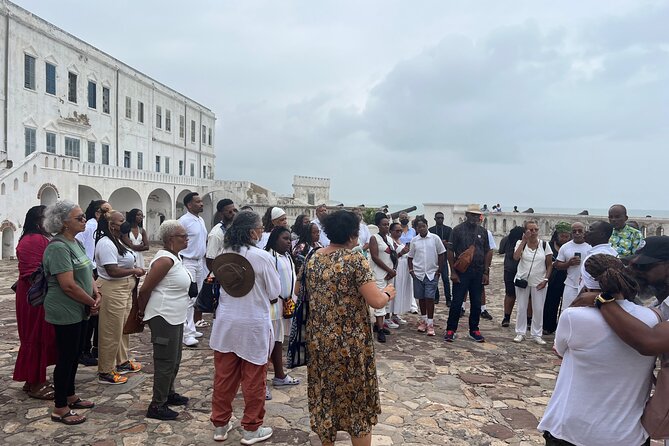
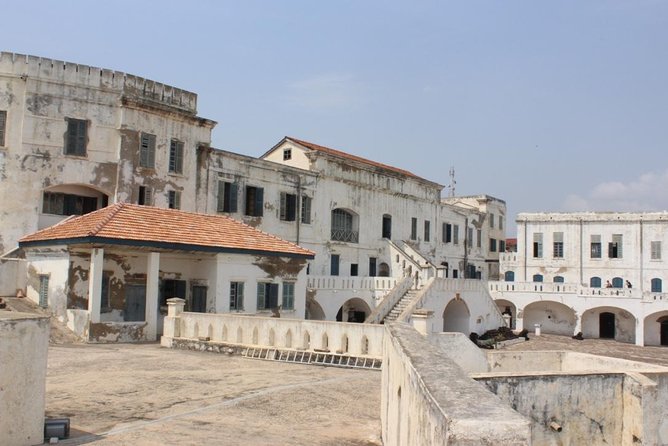
Elmina Castle, St George’s Castle, is one of the anchors of this day. It’s a UNESCO heritage site with deep historical layers: built by the Portuguese as a trading post in 1482, then captured by the Dutch in 1637. Over time, the castle’s role shifted when enslaved people replaced gold as the major item of commerce.
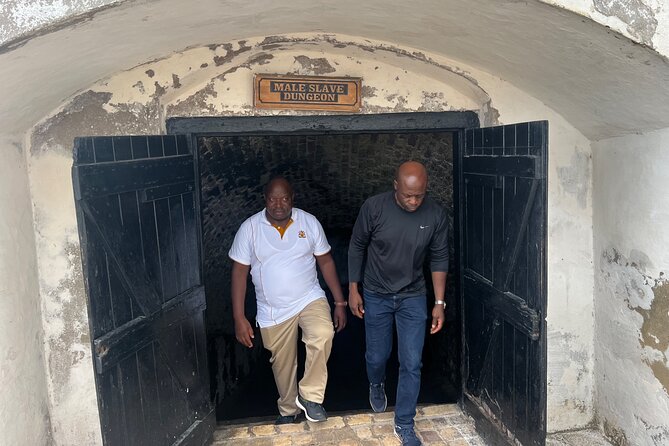
That shift is what turns this stop from a historical postcard into a lived reality. When you visit, you’re not only looking at architecture—you’re walking through how a trading system worked on the ground. The visit includes an informative tour (covered by the entry fee) that takes you into the grim dungeons, punishment cells, and the Door of No Return area.
One room in particular stands out for me as a learning moment: the turret room connected to the British imprisonment of the Ashanti king Prempeh I for four years. Even if you didn’t come in knowing much about Ashanti history, the story gives you a wider lens on how power was enforced—inside this same fortress-like world.
Also, Elmina isn’t just a museum building. It’s a picturesque fishing town along the coast, so even between the heavy rooms, you get a sense of place. That matters because it keeps the story connected to living communities, not just a distant past.
Practical note: this stop is scheduled for about one hour, so if you want to linger for photos, keep your time awareness tight. Bring a small water habit—your day includes bottled water, but you’ll still want to stay comfortable as you move.
Kakum National Park Canopy Walk: A Breather With Real Ghanaian Nature
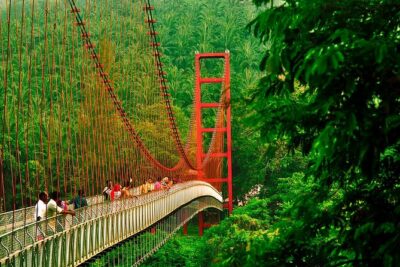
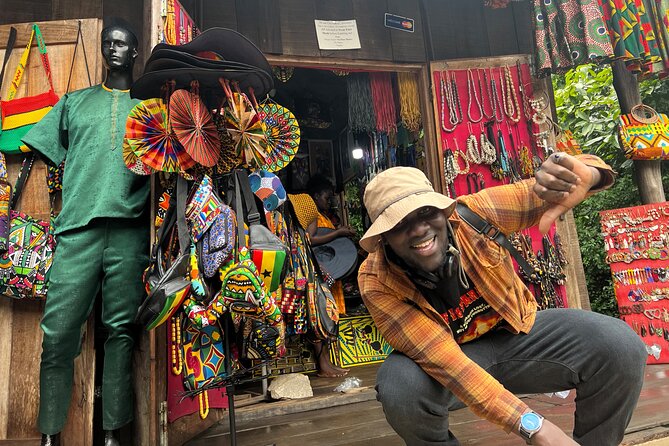
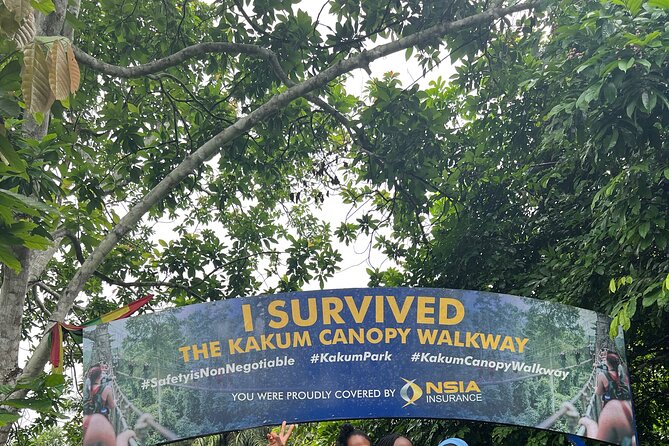
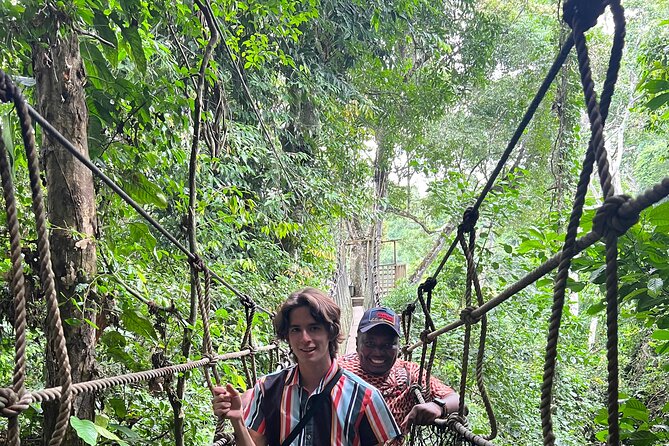
After the castles, Kakum National Park offers a different kind of experience—green, movement-based, and still guided by the day’s overall theme of heritage. You’ll head into the park for the canopy walkway, with admission included.
This is a nice contrast window. The castle spaces deal with captivity and trade. Kakum gives you a moment where your senses can reset, and where you’re reminded that Ghana’s heritage isn’t only in stone—it’s also in ecosystems and living forests.
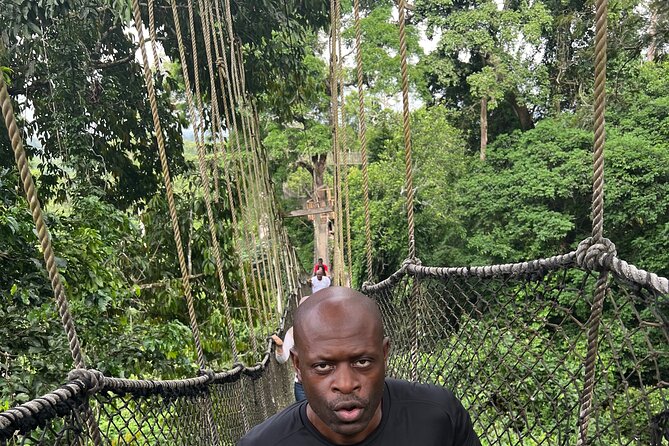
The canopy walkway time here is around two hours, which is long enough to let the experience feel complete without turning your whole day into one long walk. The tour also flags that you should have moderate physical fitness, which you’ll feel here because you’re spending real time walking the walkway and moving through the park.
A small tip: because the day’s theme is emotionally heavy, the nature break is not just entertainment. If you can, use it to re-center your head—breathe, look around, and give yourself permission to feel the shift.
One more thing: don’t treat Kakum as a casual stop. It’s part of the value because it balances the day with a Ghana experience that’s not tied only to slavery history. You’ll come away with a fuller sense of the country, not just one chapter.
Cape Coast Castle: Door of No Return and the Weight of Place
Cape Coast Castle is the final main heritage stop, and it’s famous for a specific reason: the Door of No Return. That connection is why this place lands hard for many people. It’s the kind of site where you understand that a door is more than a door—it’s a turning point in a system built to send people away.
This visit runs about one hour, with entry included. That duration works well because the site’s emotional message is concentrated. You’re not expected to become an expert on the spot; you’re guided into what the space signifies, and you leave with a clearer understanding of the role the castle played.
One drawback to keep in mind: if you’re sensitive to dark history, the day may feel like you’re moving from one intense environment to the next. You’ll be moving from Elmina’s dungeons and punishment spaces to Kakum’s canopy to Cape Coast’s Door of No Return. That’s the structure, and it’s meaningful—but it may also be mentally demanding.
Still, there’s a reason this pairing is so powerful. Going from Elmina to Cape Coast gives you a wider picture of how slave-trading infrastructure looked across different sites along the coast. You start to see patterns—how commerce, confinement, and forced departure were built into these fortifications.
Price and Logistics: Is $150 Good Value?
At $150 per person, the big value isn’t only the destination. It’s what you don’t have to manage yourself.
Your day includes all fees and taxes, an air-conditioned vehicle, lunch, and bottled water. It also includes admission tickets for the key sites: Elmina Castle, Kakum National Park, and Cape Coast Castle. When admission is folded into the price, you avoid the common headache of scrambling for tickets, figuring out entry times, or losing time at each gate.
You’re also getting a more human setup than typical hop-on transfers. The experience is described as private, meaning only your group participates. That matters when you want questions answered or when you’d rather move at your group’s pace.
Timing-wise, the tour runs roughly 5 to 10 hours. That’s a wide window, so plan around it. If you’re trying to fit this into a tight schedule—one flight connection, a dinner reservation far away—give yourself a buffer.
There’s also the comfort factor. Reviews point out that the car had good AC and was comfortable, and that the guide experience helped make the day feel smooth. Even in hot coastal weather, having climate control reduces fatigue, which helps when you’re walking through areas with lots of stairs and confined interior spaces.
So yes, the value works if you want a guided, meaning-focused day rather than a DIY checklist.



Timing, Pickup, and the Real Shape of the Day
This runs daily during Monday to Sunday, 5:30 AM to 5:00 PM. That tells you the tour is designed as a full daylight experience, not a quick afternoon stop.
Pickup is offered, which is helpful if you’re staying in Accra and don’t want to negotiate transport to the coast. Group discounts are mentioned too, which can make the price feel even better if you’re traveling with friends.
In practice, a day like this also benefits from a solid starting schedule. One review mentioned a delayed start time due to miscommunication, which is a reminder to confirm details close to departure. It’s not the same thing as a broken itinerary, but it can affect your day if you’ve booked other plans.
If you’re the type who likes to keep control of time, you’ll do best by treating this as the anchor activity of your day. Plan for a late afternoon arrival back from the coast, and keep dinner flexible.
Also, remember the day includes both walking and indoor tours. Elmina and Cape Coast are inside fort spaces, Kakum is more active outdoors. For comfort, wear shoes you don’t mind getting a little dusty or worn out by the day.
Guide Quality: When Names Like Jeff and Binney Matter
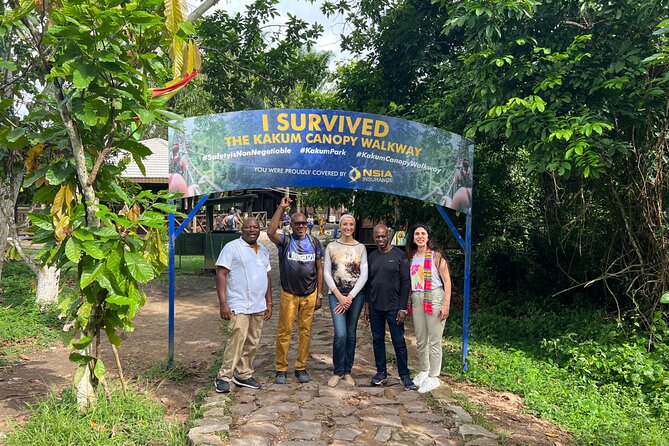
This tour’s success depends a lot on the guide. In the reviews you can see a pattern: guides are praised for being helpful, attentive, and able to communicate the significance of what you’re seeing.
Names that show up in feedback include Jeff and Binney/Biney. People highlighted that the tour felt personal and that communication with the guide was smooth. Another reviewer praised Binney for ensuring a fantastic experience and for being very informed about the sites and cultures.
Why that matters: in these places, details are everything. If you only hear dates without the human story behind them, you miss what the sites are really trying to teach. Good guiding helps you connect the architecture to the lived experience: trading posts, storerooms turned into dungeons, punishment cells, and the specific meaning of the Door of No Return.
There’s also a balance issue to be aware of. One review raised a concern about whether the history was told from a European lens versus an African-centered perspective. That doesn’t change what the sites are, but it’s a fair reminder to choose a tour (or ask your guide) about the angle you want emphasized. During the day, you can ask questions and see how your guide frames the story.
Who This Tour Fits Best (and Who Should Think Twice)
You’ll likely enjoy this tour if you want a focused day that covers two major castle sites plus Kakum, and you want context rather than a barebones scan-and-snap routine. It’s a strong fit for first-time visitors to Ghana who want to understand the trans-Atlantic slave trade through the coastal fortifications where it operated.
It also suits travelers who appreciate practical comforts—AC transport, lunch, and bottled water—and who prefer a private group experience.
It may be less comfortable if you’re sensitive to heavy history. The Elmina visit includes dungeons and punishment cells, and Cape Coast’s Door of No Return is one of the most emotionally loaded places you can visit in the region. You’ll still get guidance and time for a nature reset at Kakum, but it’s still a serious theme day.
Finally, bring a moderate fitness mindset. Kakum requires moderate physical fitness due to the walkway. If you have mobility limitations, you’ll want to consider whether you can handle walking on a canopy walkway for the allotted time.
Should You Book Heritage Ghana for Your Cape Coast Day?
If you want one day that combines Cape Coast castles, Elmina’s UNESCO site, and Kakum National Park with admission, lunch, and AC already handled, this tour is a smart way to use your time. The strongest reason to book is the pairing of place-based history with on-site explanation—especially with guides like Jeff or Binney/Biney who show up repeatedly in feedback for making the story understandable.
Book it if you’re ready for an emotional day and you like learning with your feet, not just your phone. Skip it only if you know you’re not okay with sites tied to captivity and forced departure, because this tour doesn’t soften those facts.
FAQ
How long does the Heritage Ghana tour last?
The duration is listed as about 5 to 10 hours.
How much does the tour cost?
The price is $150.00 per person.
Which stops are included in this experience?
You’ll visit Elmina Castle, Kakum National Park (including the canopy walkway), and Cape Coast Castle.
Are admission tickets included?
Yes. Admission tickets for the included sites are part of the experience.
What’s included for meals and comfort?
The tour includes lunch, bottled water, and an air-conditioned vehicle.
Is pickup offered from Accra?
Pickup is offered.
Is this a private tour?
Yes. It’s private, and only your group participates.
What physical fitness level do I need?
The tour notes that you should have a moderate physical fitness level.
Are service animals allowed?
Yes. Service animals are allowed.
Can I get a full refund if I cancel?
Yes. Free cancellation is offered, and you can cancel up to 24 hours in advance for a full refund.