Tangier has Jewish stories you can still walk to. This tour threads together Tangier’s synagogue life, Jewish neighborhoods in the medina, and even the coastal trading routes at Merkala Beach, then finishes with a proper Jewish-Moroccan lunch in the Casbah area.
I love that you get real site access built into the price: Moshe Nahon Synagogue and the Jewish Museum stop have tickets included, and Beit Hahayim’s entrance is covered too. I also love the human touch—guides like Anas bring the material to life with energy and explanations that work for both adults and kids.
One thing to consider: this is a tight, focused route (about 2 hours 40 minutes to 3 hours 40 minutes). It’s packed, so it’s not a slow, day-long wandering session.
In This Review
- Key highlights you should notice
- Why Tangier’s Jewish Heritage hits differently
- Price and what you’re really paying for ($105, tickets + lunch included)
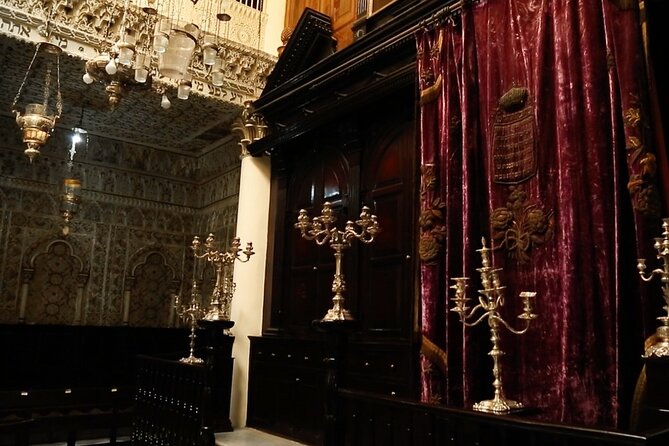
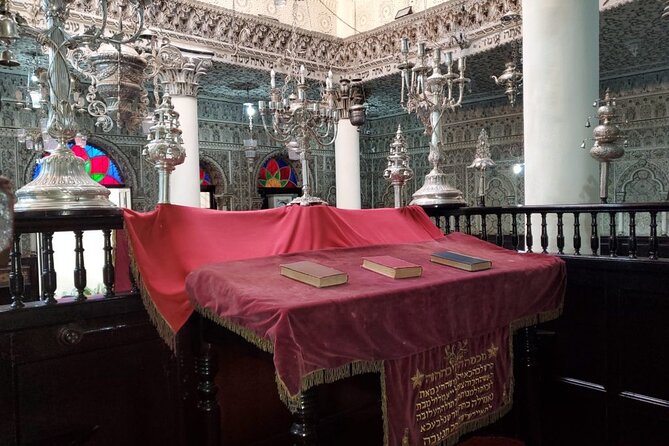
- Moshe Nahon Synagogue: where architecture leads the story
- Beit Hahayim Cemetery: a pause that changes your perspective
- The Medina walk: traditional homes and shop life
- Jewish Museum of Tangier in a synagogue setting (Beit Yehouda Synagogue Assayag)
- Merkala Beach: trading routes written in coastline
- Tangier Casbah lunch: closing the loop with food
- How the tour works day-of (pickup, pace, and private group comfort)
- Who should book this Jewish Tangier heritage tour
- Should you book?
- FAQ
- How long is the tour?
- Is lunch included?
- Do I need to pay for entry tickets to the main sites?
- Is this a private tour?
- Is pickup available?
- Where does the tour end?
- Can I cancel for a full refund?
Key highlights you should notice
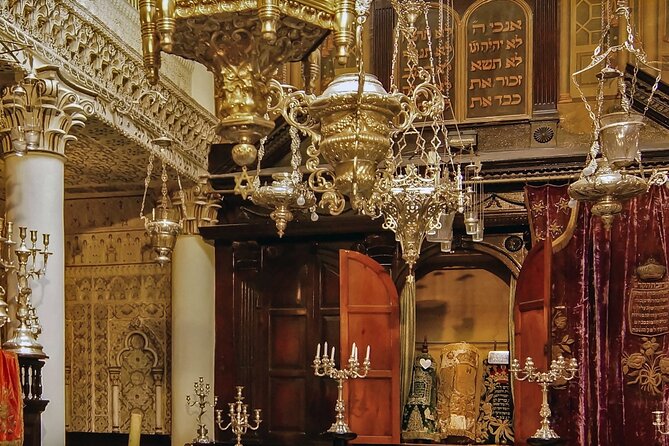
- Moshe Nahon Synagogue first: start with a landmark visit that sets the tone right away
- Beit Hahayim cemetery stop: a respectful pause that grounds the whole story
- Medina walk through once-Jewish streets: traditional homes and shops help you picture daily life
- Jewish Museum of Tangier (Beit Yehouda Synagogue Assayag): history + context in one stop
- Merkala Beach trading-coast focus: you connect community life to the waterfront economy
- Tangier Casbah lunch: food closes the loop between culture and place
Why Tangier’s Jewish Heritage hits differently
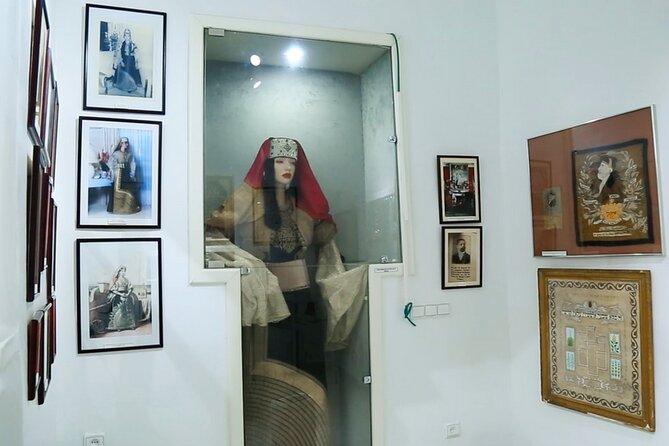
Tangier sits at a crossroads—close to Europe, tied to the Maghreb, and shaped by waves of migration. That mix shows up in the city’s Jewish community story, which doesn’t read like a museum label. It feels like something you can still trace through buildings, street patterns, and shoreline views.
What makes this tour compelling is the balance of places. You’re not only seeing one synagogue and calling it a day. You’re moving through several parts of the community footprint: a historic synagogue, a Jewish cemetery, a section of the medina associated with Jewish life, a museum housed in a synagogue setting, and a beach where Jewish merchants once traded. Each stop adds a different kind of understanding—architecture, memory, neighborhood life, and commerce.
And yes, you’ll likely get practical photo moments too. In past groups, guides have helped people get great pictures while also explaining what they’re looking at. That’s a big deal in Tangier, where it’s easy to feel like you’re passing by interesting walls without knowing why they matter.
You can also read our reviews of more historical tours in Tangier


Price and what you’re really paying for ($105, tickets + lunch included)
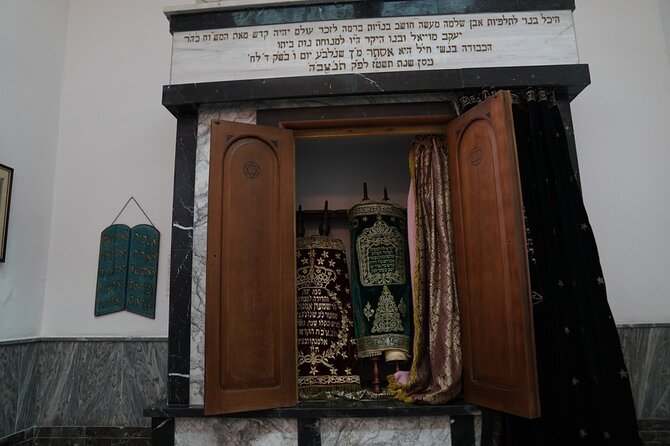
At $105 per person, the price isn’t just for walking and talking. You’re paying for a guide and several paid parts of the route to be handled for you. The tour includes:
- Tickets for Moshe Nahon Synagogue
- Tickets for the Jewish Museum of Tangier
- Entrance to Beit Hahayim (Jewish cemetery)
- Lunch plus coffee and/or tea
- An air-conditioned vehicle
- Pickup and drop-off from your location (optional)
So the value equation looks better than it first appears. If you tried to piece together a similar day on your own, you’d likely spend time managing entry tickets, coordinating transport, and figuring out timing between medina streets and landmark sites. Here, the pacing is built in.
Another value factor: it’s a private tour, meaning it’s only your group. That usually makes questions easier, especially if you’ve got kids, older travelers, or just people who want more context than a quick pass-through.
The only trade-off is that the tour is intentionally compact. You get a strong, curated slice of Jewish Tangier—but you don’t get an all-day, every-street research expedition.
Moshe Nahon Synagogue: where architecture leads the story
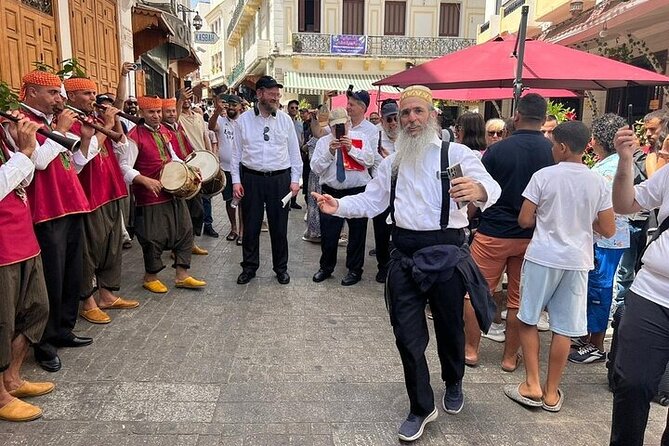
You start at Moshe Nahon Synagogue, and it’s a smart opening move. When the first stop is a synagogue, the rest of the route suddenly makes more sense. You’re not just learning names—you’re seeing how community identity took physical form.
Expect a focused visit of about 40 minutes, with admission included. The emphasis is on both architectural beauty and cultural significance. That combination matters. Architecture gives you a visual anchor, while the cultural talk helps you understand what you’re looking at beyond style—how the building reflects the community’s presence and values.
One practical tip: wear something comfortable enough for time in and around public spaces. Even though the visit has a scheduled duration, synagogues and museums often involve slow looking, quiet respect, and time for your guide to explain details.
Beit Hahayim Cemetery: a pause that changes your perspective
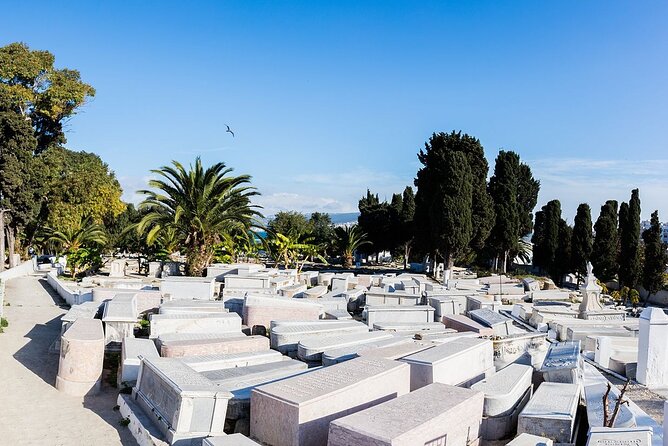
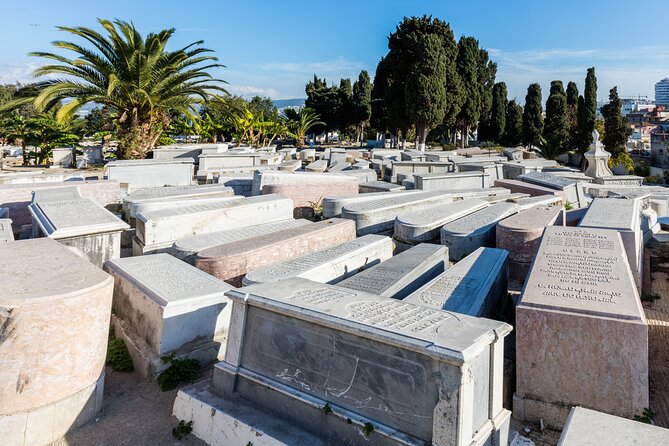
After the synagogue, you go to Beit Hahayim, the Jewish cemetery of Tangier. This stop lasts about 35 minutes, and the entrance is included (and listed as free on-site). It’s the emotional center of the route, in the best way.
Why this matters: a cemetery teaches you how communities carry memory forward. It’s not a fun stop, but it’s a necessary one. When you’ve seen a place of worship and then you stand in a place of remembrance, the story stops feeling like a sequence of landmarks. It starts feeling like lives and generations.
This is also where a guide’s tone matters. A respectful, clear explanation helps you avoid turning the moment into a quick photo stop. If you’re traveling with kids, this kind of visit can work well when the guide explains carefully and keeps it age-appropriate.
The Medina walk: traditional homes and shop life
Next comes the Medina of Tangier, with time to walk through the area tied to once-thriving Jewish neighborhoods. You’ll spend around 30 minutes here, and entrance isn’t required.
This segment is valuable because it shifts you from buildings to daily life. Synagogues and museums tell you about institutions. The medina streets help you picture routine: where people lived, how businesses operated, and how communities fit into a city that always had more than one cultural layer.
It’s also a good time to slow down just a bit and notice what’s still there. Even when you can’t identify every old storefront or doorway, the layout of the neighborhood gives you context. Your guide helps connect those street cues to the larger heritage story.
One consideration: the medina section is part of why the tour is only around 2 hours 40 minutes to 3 hours 40 minutes total. You’re getting a taste. If you want extra time for shopping or longer wandering, you’ll need to plan extra free time before or after the tour.

Jewish Museum of Tangier in a synagogue setting (Beit Yehouda Synagogue Assayag)
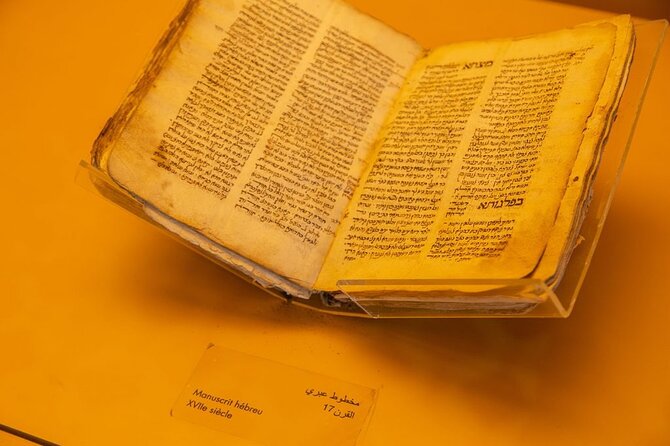
The tour’s museum stop is Beit Yehouda Synagogue Assayag, which is described as the Jewish Museum of Tangier. You’ll spend about 35 minutes, and museum tickets are included.
This is the stop that turns place into story. Museums are where the facts, names, and broader context usually show up more clearly than at outdoor landmarks. By visiting it after the synagogue and cemetery, you’ll be in the right mental frame: you’ve already seen how the community existed in physical space, so the museum helps you connect the dots.
What I like about this approach: it prevents the classic problem where a trip becomes all photos with no meaning. You’ll have already learned the significance of key sites, then the museum provides the background that makes those sites intelligible.
If you’re a detail person, this is where you’ll probably enjoy listening carefully. If you’re traveling with kids, it helps that a strong guide can tailor explanations. In earlier groups, Anas was praised for being thoughtful and creative with families, and that kind of adaptability can make museum time feel less like a lecture.
Merkala Beach: trading routes written in coastline
Then you head to Merkala Beach, spending about 35 minutes. Entrance isn’t required.
This stop is interesting because it connects heritage to the economy. Instead of focusing only on worship or paperwork, you’re looking at the waterfront logic—where trade happens, where people gather, and how a community’s survival can depend on what’s happening near the water.
You’ll also likely see the value in how the tour changes scenery. After medina streets and museum walls, the coastline gives you breathing room. It also helps you understand why stories travel between continents the way they do.
Practical note: even when a stop isn’t a long walk, it’s still outdoors. You’ll be better off if you dress for comfort and bring water if you tend to get thirsty quickly.
Tangier Casbah lunch: closing the loop with food
The tour ends in the Tangier Casbah with a meal at a local restaurant—about 35 minutes. Lunch is included, along with coffee and/or tea.
Food is more than a reward here. It closes the cultural loop. The route you’ve taken—synagogue to cemetery to medina to museum to beach—sets up a bigger idea: Jewish Tangier wasn’t just religious life. It was also community rhythms, trade connections, and shared cultural influences with Moroccan life.
In at least one group experience, people specifically enjoyed the flavors and also mentioned tasty extras like olives. That fits with the idea that a good guide doesn’t just hand you a ticket. They make the meal feel like part of the story, not a separate event.
If you’re traveling with picky eaters or allergies, you’ll want to be upfront when you meet your guide. The tour data doesn’t list menus, so the safest move is to communicate needs directly rather than assuming.
How the tour works day-of (pickup, pace, and private group comfort)
This is designed as a smooth, structured outing rather than an unplanned hop-on walk. You’ll have an air-conditioned vehicle, and pickup/drop-off is optional from your location. There’s also mention of being near public transportation, so getting around Tangier isn’t a mystery if you choose not to use pickup.
The tour length—2 hours 40 minutes to 3 hours 40 minutes—means the guide can cover multiple major stops without rushing you into oblivion. Still, the pacing is purposeful. You’re moving from place to place, and the guide’s job is to keep the story coherent across stops.
Because it’s private, your group can set the tone. Families can get explanations tuned to kids. Adults who love photos can ask for specific angles. And if you’re the kind of person who likes film trivia, you might appreciate that guides have shared connections to Casablanca in past outings—like pointing out the real hotel reference—when it fits naturally into the walk.
If you’re short on time in Tangier, this is a strong pick. It gives you a theme-based route that still feels grounded in real locations.
Who should book this Jewish Tangier heritage tour
You’ll probably love this tour if:
- You want history connected to real streets and buildings, not just a lecture
- You care about Jewish heritage in North Africa and want a guided path through key sites
- You like family-friendly explanations (Anas has been praised for tailoring info for adults and kids)
- You appreciate when tickets and transport are handled so you spend your energy on seeing and learning
You might not love it if:
- You prefer long, slow exploring where you can wander without a set sequence
- You only want museum time and dislike outdoor stops (the route includes a medina walk and a beach stop)
Should you book?
If you’re trying to choose one experience in Tangier that gives you both meaning and momentum, I think this is a smart bet. For $105, you’re getting guide-led storytelling, included tickets to key sites, transport support with an air-conditioned vehicle, and an end-of-tour meal that makes the cultural experience feel complete.
Book it if you want a focused route through the places that explain Jewish life in Tangier—synagogues, cemetery, neighborhood streets, a museum, and a trading-coast viewpoint. Skip it only if you’re chasing an all-day, self-directed itinerary or you want a lot of free time to meander.
FAQ
How long is the tour?
The tour runs about 2 hours 40 minutes to 3 hours 40 minutes.
Is lunch included?
Yes. Lunch is included, along with coffee and/or tea.
Do I need to pay for entry tickets to the main sites?
Moshe Nahon Synagogue and the Jewish Museum of Tangier have tickets included. Entrance to Beit Hahayim is also included.
Is this a private tour?
Yes. It’s a private tour/activity, and only your group participates.
Is pickup available?
Pickup and drop-off service are optional and included as part of the experience.
Where does the tour end?
The tour ends in the Tangier Casbah area with lunch at a local restaurant.
Can I cancel for a full refund?
You can cancel for a full refund up to 24 hours in advance of the experience’s start time.