REVIEW · ROME
Rome: Five Shapes of Pasta Cooking Class in Ancient Tavern
Book on GetYourGuide →Operated by Professional Lab Pasta Experience · Bookable on GetYourGuide
Knead your way through ancient Rome. This class turns a late-1800s Antica Osteria into a real cooking school, and you’ll make five famous pasta shapes from dough to plate. I especially like the hands-on rolling and shaping focus, plus the small-group feel that lets Chef Emanuele and the team actually help you. One consideration: you should be ready to stand, work with dough, and use your hands for the full 3 hours, since it isn’t set up for mobility impairments.
The vibe is old Rome meets practical technique. The shop is HACCP certified for food hygiene and safety (2020), and you’ll get an appetizer with prosecco and Italian cheese before you start rolling thin sheets. If you have dietary needs, don’t assume it’ll be a blind guess—there’s evidence the staff can adjust ingredients and even make a separate sauce for specific allergies.
In This Review
- Key points worth clocking before you go
- Entering A Late-1800s Osteria Cooking School
- Meet at Cucina: Prosecco, Cheese, and Instant Momentum
- Rolling Thin Sheets With a Wooden Pin (Yes, Really)
- Shaping Five Classic Pastas: Ravioli, Agnolotti del Plin, Tortellini, Cappelletti, Fettuccine
- Two Sauce Lessons Plus Real Cheese and Wine
- Dessert Game Plan: Express Tiramisu Without the Drama
- HACCP Certified Kitchen: Safety That Doesn’t Kill the Fun
- Price and Value: What $67.19 Buys You in Rome
- Who This Class Is For (and Who Might Want Something Else)
- Should You Book This Pasta Class in Rome?
- FAQ
- How long is the Rome pasta cooking class?
- What pasta types will I make?
- Does the class include food and drinks?
- Is it a small group?
- What languages are used?
- Is this experience certified for food safety?
- Are pets allowed?
- Is it suitable if I have mobility impairments?
Key points worth clocking before you go
- Five pasta shapes, not just one: you’ll practice multiple classic forms, including ravioli and tortellini.
- Wooden-pin rolling technique: you learn how to get the dough sheet thin and workable.
- Two sauce pairings: the chef guides you on matching pasta and flavor in an Italian way.
- Eat what you make, with wine: it’s built as a meal, not a demo.
- HACCP-certified kitchen: safety and hygiene are taken seriously.
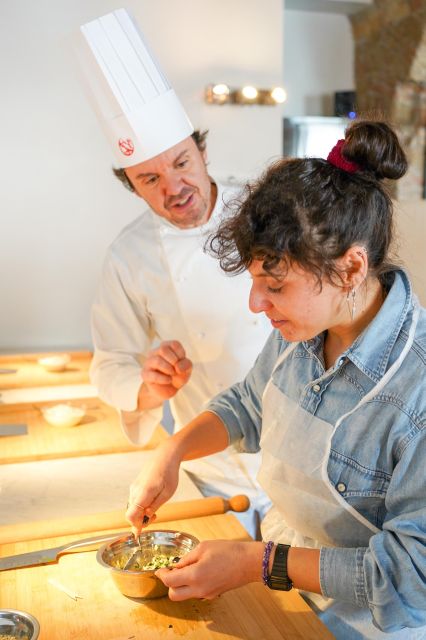
- Chef hat for everyone: a fun keepsake with the Pastificio Faini logo.
Entering A Late-1800s Osteria Cooking School
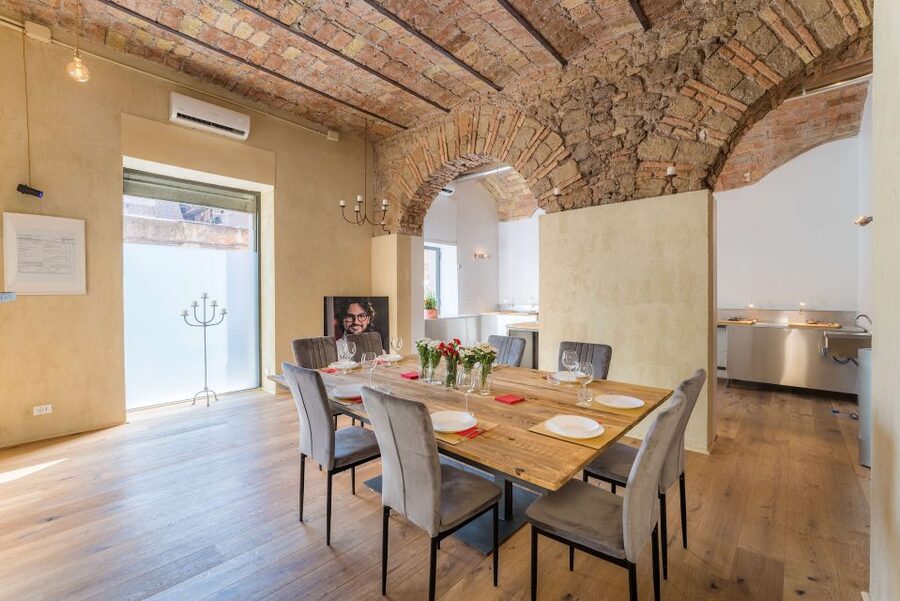
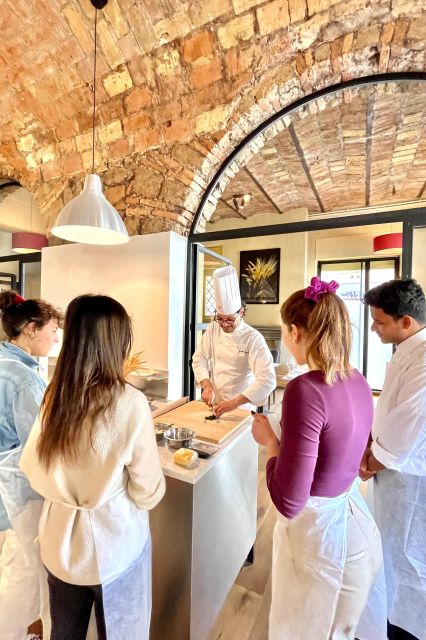
Rome can feel like a choose-your-own-adventure city: churches, ruins, galleries. This experience adds a different kind of sightseeing—one where your hands do the walking. The setting matters because you’re not in a generic classroom. You’re in an old tavern atmosphere that traces back to an osteria founded in the late 1800s, later converted into a cooking school. That alone makes the evening feel like more than a ticketed activity.
What I like most is that the format matches the place. There’s an emphasis on practical technique—rolling, cutting, filling, sealing—so you leave with skills, not just photos. And because the class is small (limited to 10 participants), it doesn’t feel like you’re fighting for space with strangers.
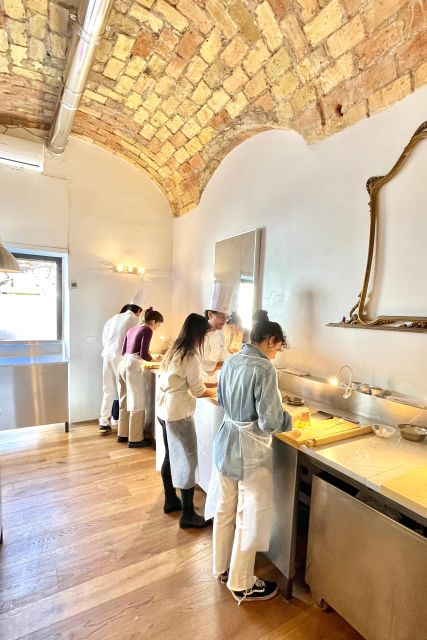
If you’re expecting a slow, sit-and-watch tasting, keep your expectations tuned. This is hands-on cooking time. You’ll knead, roll, shape, and then eat the results with the chef’s guidance.
You can also read our reviews of more tours and experiences in Rome.

Meet at Cucina: Prosecco, Cheese, and Instant Momentum
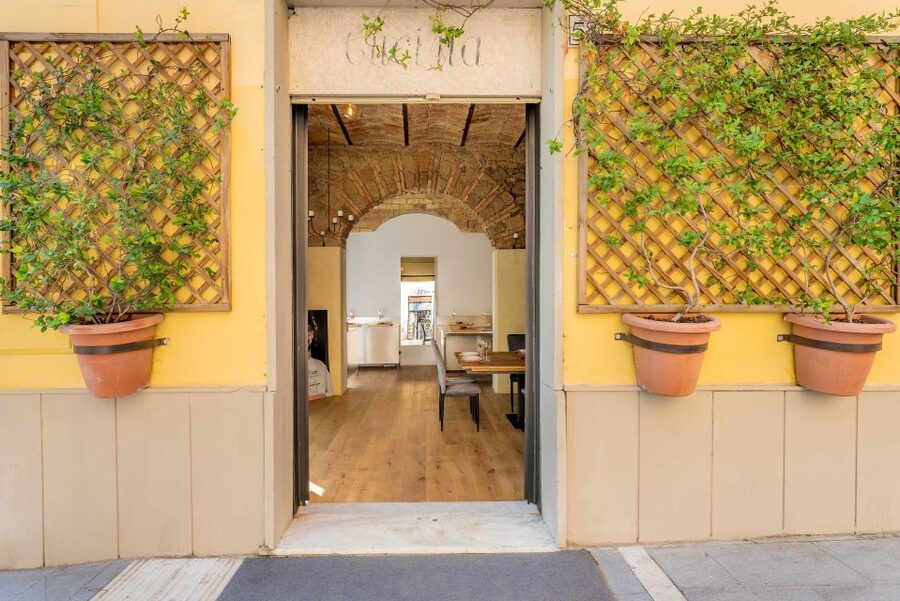
Your start point is simple and very Roman: you meet at an old osteria named Cucina. The easiest clue is the original osteria sign in marble above the entrance. From there, you’re not left hanging. The class begins with an appetizer paired with prosecco and Italian cheese, which is a smart move.
It helps you get comfortable right away. Pasta making is easier when you’re not starting cold with an empty stomach. Also, this first round sets the tone: you’re there to cook, taste, and learn, in that order.
You should plan to arrive a few minutes early so you can settle in before the prep begins. In a small-group class, getting started smoothly keeps the pace friendly instead of rushed.
Rolling Thin Sheets With a Wooden Pin (Yes, Really)
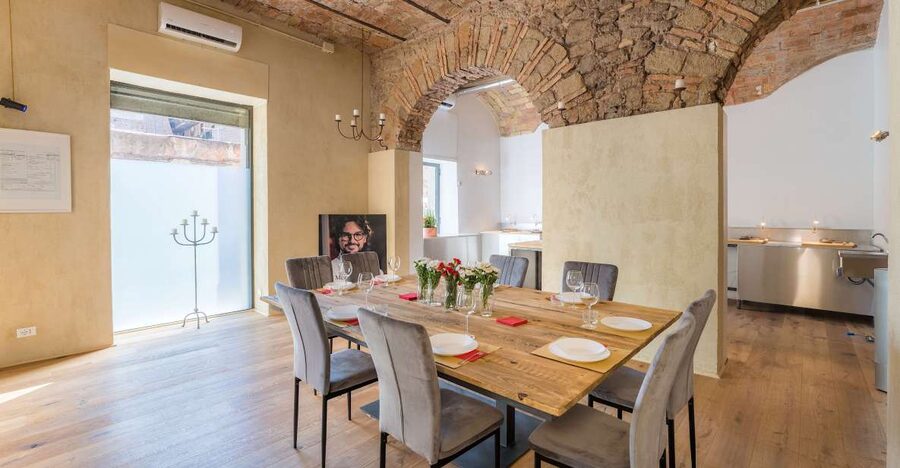
Here’s where the class earns its keep. You’ll learn to make fresh dough from scratch and roll it into thin sheets using a wooden pin technique. The goal isn’t just thinner pasta. It’s getting dough with the right feel so it behaves when you shape it.
You’ll also get instruction on safe food cutting procedures. This part sounds basic, but it matters because pasta prep involves sharp tools and quick movements—especially once the group ramps up.
One of the practical takeaways you’ll likely appreciate later at home: technique is easier to remember when it’s taught through repetition. You’ll roll, adjust, and then apply that same dough sheet to multiple shapes. That’s a lot more useful than learning one pasta and stopping.
And yes, the staff keeps the mood light. The cooking process is physical, so instructors tend to make it playful without turning it into a comedy show you can’t learn from.
Shaping Five Classic Pastas: Ravioli, Agnolotti del Plin, Tortellini, Cappelletti, Fettuccine
This is the headline: you’ll make five pasta shapes from scratch in a single class session. That’s a lot of forms, and it explains why the class stays small—each pasta type needs attention to dough thickness, edge sealing, and proper handling.
Here’s what you can expect to produce:
- Ravioli
- Agnolotti del plin
- Tortellini
- Cappelletti
- Fettuccine
Each one teaches a different skill. Ravioli and tortellini reward patience and careful filling and sealing. Agnolotti del plin and cappelletti focus your attention on folding and forming, so the pasta stays closed and doesn’t leak while cooking. Fettuccine is your “get the basics right” moment—working with a sheet and cutting it into the right strips.
Chef Emanuele (and the team, including Angelo in some sessions) is known for stepping in with help when needed. That’s important for beginners. Reviews highlight that the teaching style makes it easy to recover if your dough or shape goes off-plan.
Also, you’ll likely be given room to adjust. If you’re working with restrictions, the instructors have been seen modifying ingredients and even using a separate sauce when necessary. The safest approach is to communicate needs early, ideally at booking or at check-in.
Two Sauce Lessons Plus Real Cheese and Wine
Making pasta is the fun part. Learning how to eat it correctly is what makes it feel like an Italian meal, not a cooking workshop.
You’ll taste your pasta with two different kind of Italian sauces. The chef explains what’s happening and why. In practice, this means you’re not guessing which sauce works with which shape. You’ll see how sauce clings, how texture changes the bite, and how flavor balances out once the pasta is cooked.
The experience also includes a tasting of local cheese with fresh prosecco. After that, your full Italian meal ties it together. Some classes also include wine as part of the dinner pacing, and the overall vibe is meal-first: you cook, you eat, you continue.
Two things I think you’ll appreciate here:
- You learn pairing logic, not just recipes.
- The tasting timing helps you focus. You’re not trying to remember everything while standing over a pot later.
A few more Rome tours and experiences worth a look

Dessert Game Plan: Express Tiramisu Without the Drama
You finish with dessert: express tiramisu. Instead of a long, fussy production, this is a faster prep that still lands on classic flavors. Expect something practical—an end-of-class sweet designed for the flow of the evening.
If you’ve only had tiramisu that takes hours (or is best saved for special occasions), the express approach is a useful reminder: you can make a real dessert feel achievable even on a tight schedule.
It’s also a nice closing rhythm. After the rolling and shaping, dessert is the moment to relax and enjoy the work you’ve done. And because the class is structured as a full meal, you’re not sent away hungry or still waiting on the final dish.
HACCP Certified Kitchen: Safety That Doesn’t Kill the Fun
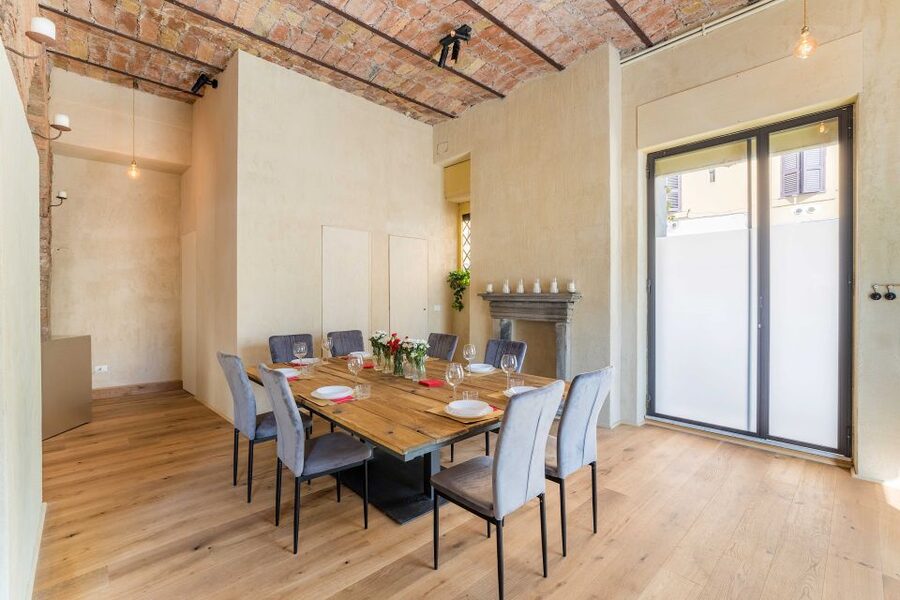
A good cooking class protects you in ways you don’t want to think about mid-knead. This one is HACCP Certified for Food Hygiene and Safety (2020), which is a real signal that the kitchen follows established hygiene and safety procedures.
From a practical perspective, that means you can focus on technique rather than worrying about how the workspace is managed. The class also includes safe cutting procedures, which fits the kitchen safety focus.
If you’re someone who likes cooking, you’ll probably find this reassuring. If you’re new to cooking, it’s even better. You get guidance and a controlled environment, and that reduces the chance of an awkward mess.
And because it’s a small group, the staff can keep an eye on everyone without feeling like a factory line.
Price and Value: What $67.19 Buys You in Rome
At $67.19 per person for a 3-hour class, you’re not paying for a one-note “watch someone else cook” event. You’re paying for a full meal experience plus real instruction and ingredients, including:
- Appetizer with prosecco and Italian cheese
- A full Italian meal (lunch or dinner depending on the start time)
- Two plates of different handmade pasta
- Dessert with express tiramisu at the end
- Chef hat (Pastificio Faini logo) for each participant
Value here comes from time and output. Five pasta types in one session is a lot of work for a beginner, and it’s not typical of low-cost classes where you might only do one shape. The small group size also makes the teaching more personal, which is harder to replicate at scale.
Will you spend less on pasta in a restaurant? Sure. But you’d be trading away the skill-building piece. This is one of those purchases that can feel like paying for an evening you’ll remember—because you’ll cook the same things later.
Who This Class Is For (and Who Might Want Something Else)
This pasta class is a great fit if you want:
- A hands-on Rome experience that uses your hands and your brain
- An authentic meal built around what you make
- A social evening with a small international group
- Clear English/Italian instruction
It’s also ideal for couples and multi-generational trips. Some participants have included teens and adults, and the teaching style seems to work across ages because the steps are broken down and corrected as needed.
One consideration: it’s not suitable for people with mobility impairments. If that applies to you, it’s worth looking for a different format.
If you love food and want something more personal than another guided walk, this class should feel like a hit.
Should You Book This Pasta Class in Rome?
Book it if you want an evening that’s equal parts learning and eating, in a historic setting that actually helps you practice. The combination of five pasta shapes, rolling technique with a wooden pin, two sauce pairings, and a full meal plus express tiramisu is a strong package for the time.
Skip it if you’re looking for a low-effort activity or you can’t stand and work at a table for about three hours. Also, if you prefer your experiences mostly sightseeing-heavy, you may find this more intense than you expected—though it’s fun intensity, not stress.
If you’re flexible and hungry for skills you can repeat at home, I’d treat this as a high-priority stop.
FAQ
How long is the Rome pasta cooking class?
It lasts about 3 hours.
What pasta types will I make?
You’ll make five shapes of fresh pasta: ravioli, agnolotti del plin, tortellini, cappelletti, and fettuccine.
Does the class include food and drinks?
Yes. You get an appetizer with prosecco and Italian cheese, a full Italian meal, and dessert with express tiramisu. The pasta you make is also tasted as part of the meal experience.
Is it a small group?
Yes. The class is limited to 10 participants.
What languages are used?
The instructor teaches in English and Italian.
Is this experience certified for food safety?
Yes. It’s HACCP certified for food hygiene and safety in 2020.
Are pets allowed?
No, pets are not allowed.
Is it suitable if I have mobility impairments?
No, it is not suitable for people with mobility impairments.