REVIEW · VARANASI
Varanasi in a Day Ancient Temples Sarnath and Ghats
Book on Viator →Operated by BEST VARANASI TOUR · Bookable on Viator
Waking up before sunrise for Varanasi is always a gamble. This one turns the odds in your favor with a sunrise Ganges boat ride plus major temple sights, then sends you north to Sarnath before ending with Ganga Aarti. It’s the kind of day that feels planned, but still leaves room for the city to do its thing.
I like two things most. I love that it’s a private, guided full-day plan with hotel pickup and drop-off, so you’re not stitching together rides while you’re half-asleep. I also love the pacing: temples in the morning when it’s cooler and quieter, then Sarnath at noon, then the emotional payoff at the river in the evening. The main drawback to consider is the schedule starts very early and the morning boat ride is weather-dependent, so you’ll want to be flexible.
In This Review
- Key highlights (the parts worth circling)
- Sunrise on the Ganges: why the early start feels like the point
- Temple tour in Kashi: Kashi Vishwanath plus the sacred stops around it
- BHU at 10:00 AM: a smart reset between religion and real sightseeing
- Sarnath at noon: seeing Buddha’s first sermon sites in one concentrated run
- Dhamekha Stupa and the Ashoka Pillar: what the monuments are trying to tell you
- Ganga Aarti in the evening: get ready for the feeling more than the photos
- Price and logistics: does $90.55 feel fair for a 10–12 hour private day?
- Who this Varanasi in a Day tour suits best
- Quick decision: should you book this day trip?
- FAQ
- What time does hotel pickup start?
- Is the morning Ganges boat ride included?
- What’s included for entry fees and admission?
- Is breakfast included?
- Which major places will you visit in Sarnath?
- How long is the tour?
- Does the tour provide hotel pickup and drop-off?
Key highlights (the parts worth circling)
- Sunrise boat ride from Dashaswamedh Ghat toward Harishchandra Ghat, built around the morning ritual vibe
- Temple tour through Kashi Vishwanath and more Kashi landmarks, with a guide to explain what you’re seeing
- Banaras Hindu University (BHU) stop as a smart break before the longer travel day
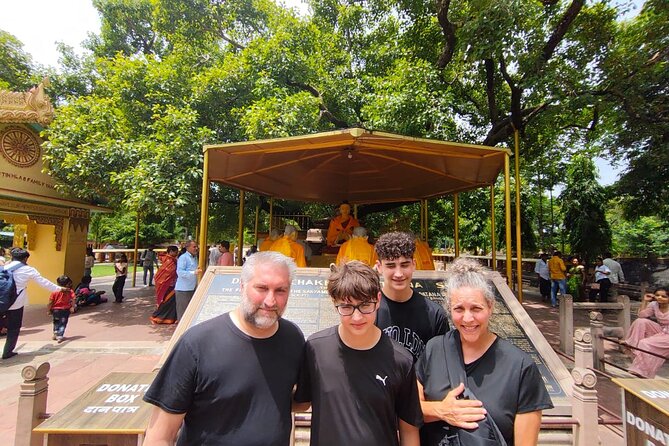
- Sarnath visit to Buddha’s first-sermon sites, including Dhamekha Stupa and other key monuments
- Ganga Aarti on the ghats in the evening, including an option for a boat ride depending on your selection
- Govt-approved guide and private air-conditioned transport, which matters in a city that moves fast
Sunrise on the Ganges: why the early start feels like the point
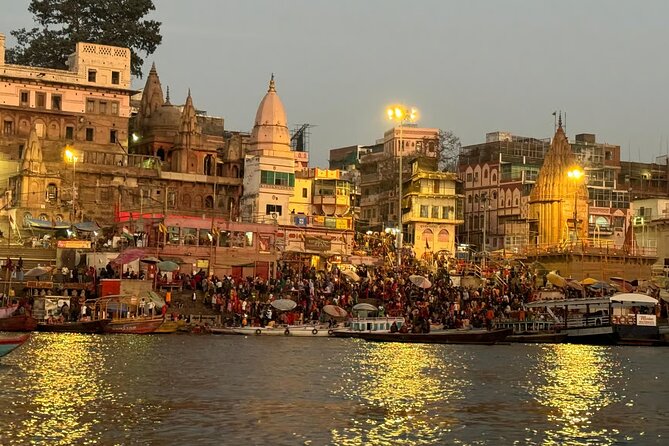
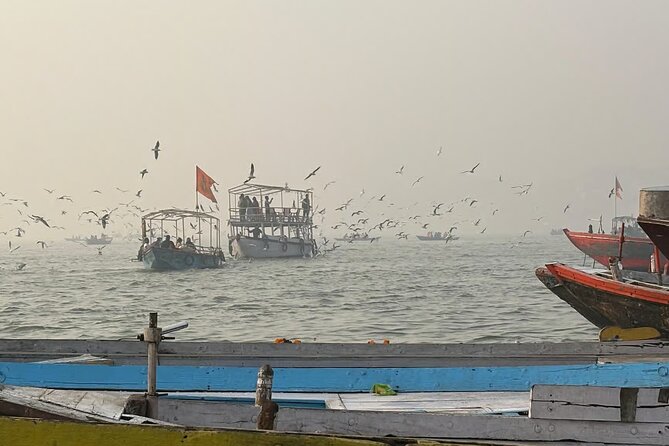
The day begins at 5:00 AM with hotel pickup. That’s early enough to make you question your life choices, but Varanasi rewards effort in the first light. The morning boat ride runs along the main ghats area, described as departing from Dashaswamedh Ghat and heading toward Harishchandra Ghat, so you get a real cross-section of riverfront activity.
What makes this boat time special is what you’ll notice on the water: people doing morning offerings, devotees taking a holy dip, and the calm focus of the ritual as the day wakes up. Even if you’re not religious, it’s one of those human moments that’s hard to fake. Add in mineral water and the fact that you’re with a guide and transport already arranged, and you’ll spend less energy on logistics and more on watching.
One practical note: the boat ride is subject to weather conditions. If it’s rough, expect the plan to adjust, and try not to treat the morning segment as a guaranteed photo op.
You can also read our reviews of more tours and experiences in Varanasi.


Temple tour in Kashi: Kashi Vishwanath plus the sacred stops around it
After the boat ride, you return for breakfast (meal inclusion can depend on the option you selected), then the day shifts into temple mode. The headline is the Kashi Vishwanath Temple, dedicated to Lord Shiva, and it’s also one of the most famous temples in the city for a reason: it’s spiritually intense and visually dense.
This is also the part where your mindset matters. Don’t expect a quiet museum visit. You’re stepping into an active religious space where people come for prayer and ritual, not sightseeing. The value of a guided visit here is simple: you’ll know what you’re looking at and why it matters, so the crowds don’t just feel like noise.
A heads-up on costs: Kashi Vishwanath temple admission tickets are not included, and donations are also not included. So when budgeting, treat the temple as an extra line item rather than something wrapped into the base price.
From there, the tour includes additional Kashi temples and landmarks in the same morning run, including Bharat Mata Temple, Sankat Mochan, and Manas Mandir, plus time at Banaras Hindu University later. If you’re worried about feeling temple fatigue, pacing helps: you’re in a vehicle between stops, and the guide keeps the route focused so you’re not bouncing around the city randomly.
BHU at 10:00 AM: a smart reset between religion and real sightseeing
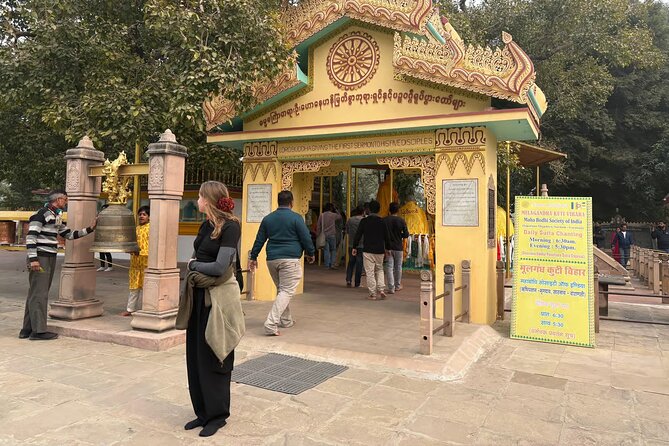
The Banaras Hindu University (BHU) stop is scheduled at 10:00 AM, after the morning temple block. It’s a good moment to reset your brain: you’ve had early river energy and temple intensity, and now you get a change of scenery.
The tour lists BHU as free to enter, which is nice for value. Also, BHU is described as the largest university campus in Asia and was established in 1916. Even if you’re not there for academics, it’s a change of pace from ghats and shrines—more space, more open sightlines, and a chance to breathe before heading to Sarnath.
Practical tip: use this stop to refill your patience. You’ll still have a long day ahead, and this break helps you stay interested instead of just surviving the schedule.
Sarnath at noon: seeing Buddha’s first sermon sites in one concentrated run
In the afternoon, you travel to Sarnath, about 10 kilometers from Varanasi. This is the place where Buddha delivered his first sermon to disciples, and it has a different tone than Varanasi. Where Varanasi can feel like a living ritual machine, Sarnath feels more reflective—less about today’s crowds and more about the layering of meaning across centuries.
Your Sarnath visit focuses on the key sights you’ll actually want to plan around:
- Buddha temples
- Dhamekha Stupa
- Chaukhandi Stupa
- an archaeological museum area (time allocation depends on the flow of the day)
Dhamek Stupa is especially important on this route, because it’s described as the exact spot of Buddha’s first sermon and associated with the eightfold path. If you’re the type who likes to understand what you’re seeing rather than just walking past it, this is where your guide’s explanations will pay off.
You’ll also stop at the Ashoka Pillar. It’s dated to Ashoka’s reign (268–232 BC) and represents his rule across the subcontinent. That kind of monument can feel like a stop on a checklist unless someone points out the why. With the right guide, it turns into a story about power, religion, and how ideas traveled.
Time-wise, this part is compact. You get roughly an hour for Sarnath’s main block, plus additional short stops for Dhamekha and Ashoka-related sights. The upside is you see the essentials; the downside is you won’t get the slow, lingering pace you might want if you love archaeology.
Dhamekha Stupa and the Ashoka Pillar: what the monuments are trying to tell you
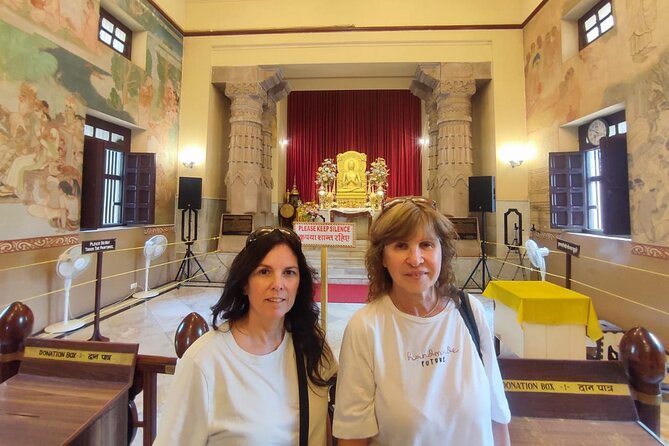
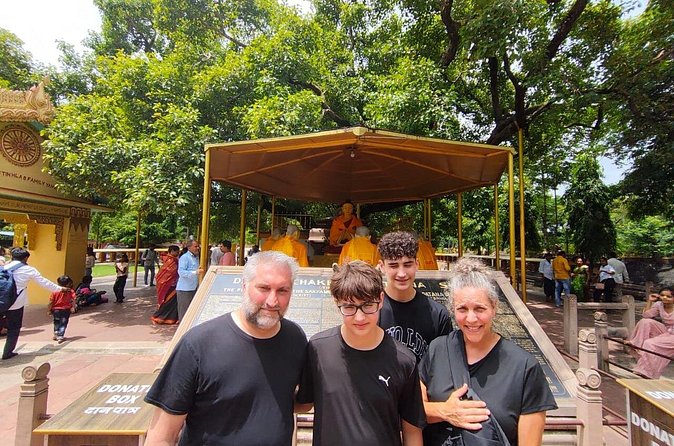
This tour doesn’t treat Sarnath as a vague “temples and stuff” outing. It hits specific monuments with clear significance.
Dhamek Stupa is front and center, and the reason is straightforward: it’s tied directly to Buddha’s teaching moment and therefore sits at the core of the site’s spiritual value. Ashoka Pillar, on the other hand, adds a political and historical frame—monuments made by a powerful empire, pointing to how long-lasting these places can be.
If you’re deciding whether to do Sarnath as a day trip versus spending more time, this itinerary is a reasonable compromise. You get the major markers of meaning without turning the day into a full-blown second vacation. Just keep expectations honest: this is an overview in an efficient order.

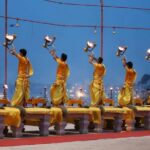
Ganga Aarti in the evening: get ready for the feeling more than the photos
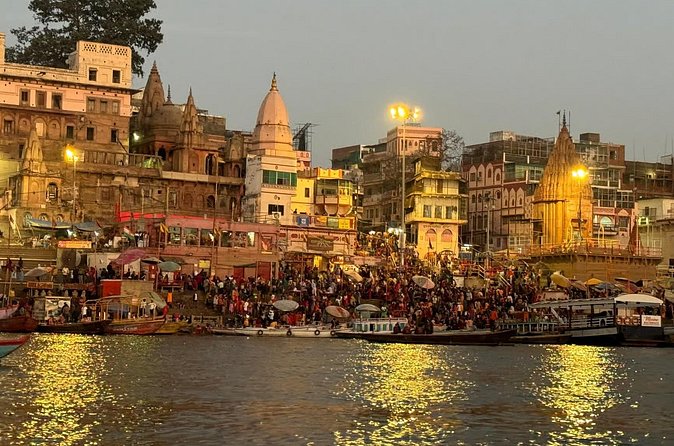
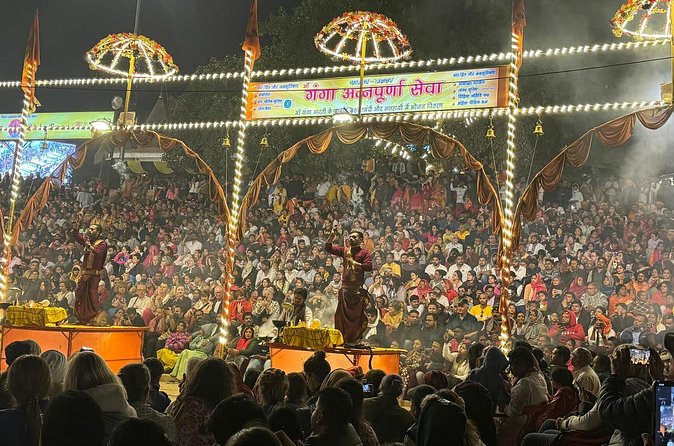
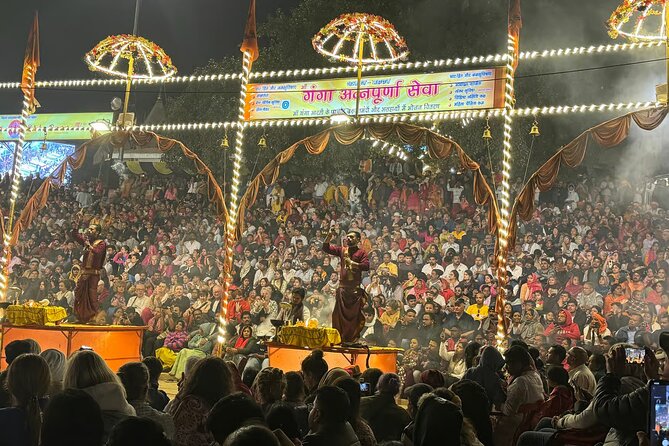
The evening is the emotional centerpiece: you head to the River Ganges for Ganga Aarti. The schedule puts this before dark, and the tour describes it as one of the most memorable moments of the day.
Aarti works because it’s both visual and rhythmic. You’ll see a structured ceremony built around devotion and river energy, and it lands differently after you’ve already spent hours with temples and stupa stones. There’s also a mention of enjoying the Ganga Aarti from the top, which matters because viewing position changes everything. If you’re offered a better viewpoint, take it—stand where you can see the full ceremony rather than just the crowd’s shoulders.
There’s an extra twist in the way some options work: the tour notes that you may experience Ganga Aarti with a boat ride (if option selected). If that option is available for your booking, it can be worth it for a different angle of the ghats.
One thing to keep in mind: the evening at the ghats can be intense. Expect a lot of people, movement, and sound. The payoff is that it’s real and current, not staged.
Price and logistics: does $90.55 feel fair for a 10–12 hour private day?
At $90.55 per person, this is a solid “I want the highlights with less hassle” option. The tour includes hotel pickup and drop-off, private air-conditioned transportation, and a govt approved guide—three things that can quickly add up if you start bargaining and assembling your own route in a city as complex as Varanasi.
There’s also structure that protects you from wasting time:
- a morning boat ride (weather-dependent)
- a temple block in the morning
- a focused Sarnath excursion
- an evening Ganga Aarti segment
What’s not included matters for budgeting. You should plan for:
- tips for your driver and guide
- Kashi Vishwanath donations
- and Kashi Vishwanath admission tickets (listed as not included)
If you’re choosing between doing this as a bundle or going it alone, the value comes down to time and guidance. This is the kind of day where being lost costs you more than money. The driver and guide help you move in the right order, at the right times, with less friction.
Also, this is booked fairly early on average—about 81 days in advance. If your dates are fixed, book sooner rather than later so you don’t end up scrambling for a similar schedule.
Who this Varanasi in a Day tour suits best
This tour is a strong fit if you:
- want one full day covering ghats, Kashi temples, and Sarnath
- prefer a private guided plan over DIY route planning
- like spiritual and historical sites but also want clear timing so you don’t miss the evening ceremony
It may be less ideal if you:
- hate early mornings
- need slow, unhurried site time
- plan to spend your whole day shopping or wandering without structure
Guide quality shows up in the details. In particular, names like Vishaw, Pablo, and Sumit come up as guides who explain clearly and don’t push you to buy anything. That kind of calm, factual guidance is exactly what you want when you’re standing in the middle of intense religious energy.
Quick decision: should you book this day trip?
Yes, I’d book it if you want the Varanasi essentials in one efficient, guided day. The early Ganges sunrise boat ride plus the evening Ganga Aarti gives you the two moments most people remember, and the mid-day Sarnath stops keep the experience grounded in more than just one city mood.
Skip it only if you can’t handle a long day starting at 5:00 AM or if you’re the type who needs unlimited time per site. If you go, plan to bring patience for crowds and accept that weather can affect the morning boat ride. That’s the deal. The rest is a deeply memorable full-day route.
FAQ
What time does hotel pickup start?
Pickup starts at 5:00 AM, so the day begins with an early start for the sunrise boat ride.
Is the morning Ganges boat ride included?
Yes. The tour includes a morning boat ride, but it is subject to weather conditions.
What’s included for entry fees and admission?
Some monument entry fees are included if option selected. For Kashi Vishwanath, admission tickets are listed as not included.
Is breakfast included?
Breakfast is described as a stop after the morning segment, but the tour notes breakfast as own expense at one point. Meal inclusion may depend on the meal option selected.
Which major places will you visit in Sarnath?
You’ll visit key Sarnath sights connected to Buddha’s first sermon, including Dhamekha Stupa, Chaukhandi Stupa, and an archaeological museum area, plus stops like the Ashoka Pillar and Dhamek Stupa.
How long is the tour?
The duration is listed as approximately 10 to 12 hours.
Does the tour provide hotel pickup and drop-off?
Yes. Hotel pickup and drop-off are included, along with private air-conditioned transportation and a govt-approved guide.