REVIEW · SEOUL
Korean Heritage Tour: Palaces and Villages of Seoul Including Gyeongbokgung Palace
Book on Viator →Operated by KOREA TOUR (DMZ TOUR) · Bookable on Viator
Seoul can feel like a blur. This full-day Korean heritage tour gives you a structured way to see the big royal sights and traditional culture in one go. I especially like the hands-on pacing: you walk through Gyeongbokgung Palace with a guide, then shift to living cultural crafts at the Korean Folk Village. One thing to consider: the day includes a ginseng stop with a sales pitch, and that part tends to leave some people wishing for more pure heritage time.
The itinerary is designed to reduce decision fatigue. You get hotel pickup, an air-conditioned coach, and a fixed rhythm that still leaves time for your own photos and exploration after the guide’s briefing. I also like that lunch is built in, so you’re not hunting for food between major sights.
If you want a perfectly even split between guided history and free time, you might be a little happier booking with that expectation set. Some people feel the early flow is fast, and the day can feel “tour busy” even though the palace and village parts are genuinely worth it.
In This Review
- Key highlights worth marking on your day
- Price and what you’re really paying for
- Meeting the coach: pickup, Blue House drive-by, and tour rhythm
- Gyeongbokgung Palace: the Joseon powerhouse you walk through
- National Folklore Museum: replicas that help you understand daily life
- Jogyesa Temple: a calm counterpoint in the middle of the day
- Lunch in a Korean restaurant: included and worth planning around
- The ginseng center stop: heritage or sales time?
- Korean Folk Village: crafts, living traditions, and expectations
- When Gyeongbokgung is closed: Deoksugung as the backup plan
- Comfort, walking, and what to bring
- Who this tour suits best
- Should you book this Korean Heritage Tour?
- FAQ
- How long is the tour?
- What time does the tour start, and is there hotel pickup?
- Is lunch included?
- What if Gyeongbokgung Palace is closed?
- Are admission tickets included?
- Is there a lot of walking?
- Can I cancel for a full refund?
Key highlights worth marking on your day
- Gyeongbokgung Palace walking tour with admission included
- Small group size (max 10) that can make the experience feel less crowded
- National Folklore Museum uses replicas so you can understand daily life fast
- Jogyesa Buddhist Temple quick stop at a centuries-old main hall area
- Korean Folk Village with craft demonstrations (pottery, weaving, winnows, embroidery, and more)
- Traditional lunch included, plus guided narration during the coach ride
Price and what you’re really paying for
At $140 per person for about 8.5 hours, this isn’t a budget-only outing. The value is mainly in the package: round-trip hotel transport, a professional guide, museum/palace entry where noted, and an included lunch. When you add up those items in Seoul, it starts to make sense—especially if you’d otherwise spend time figuring out transit between palaces, temples, and a village-style attraction.
Also, this is typically booked about 38 days in advance. That doesn’t mean you must book early, but it’s a hint that popular slots can fill up. If you’re traveling in peak season, I’d treat it as a “lock it in” day.
You can also read our reviews of more historical tours in Seoul
Meeting the coach: pickup, Blue House drive-by, and tour rhythm
You start at 8:30 am, with pickup from your Seoul hotel. Then you’ll ride in an air-conditioned coach as your guide talks you through what you’re seeing, including a drive past the Blue House area (the presidential executive office and official residence). Even if you’re just passing it, it’s a good way to set context for modern Korea before you jump into the Joseon-era palace world.
From there, the tour structure is straightforward: palace first, then museum/temple, lunch, a ginseng center stop, and finally the Folk Village before you return to your hotel. That sequence matters. It keeps your most “wow” architecture early, when your energy is highest, and saves the more activity-based village portion for the afternoon.
Group size is capped at 10. In a small group, you often get a better chance to hear instructions clearly and follow along without constantly craning your neck. (In past experiences, guides like Sunny, Winnie, David, Michelle, and Dora have been singled out for strong English and helpful explanations, so guide quality can also swing the day.)
Gyeongbokgung Palace: the Joseon powerhouse you walk through
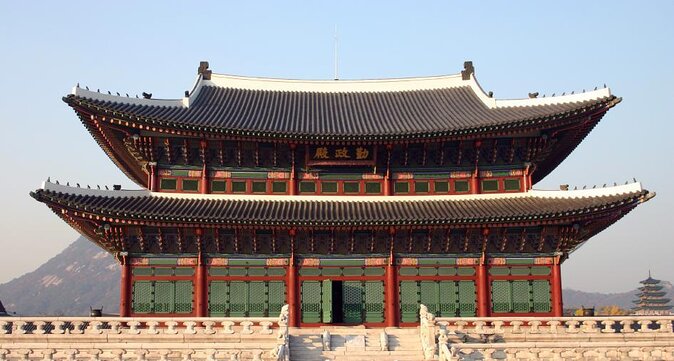
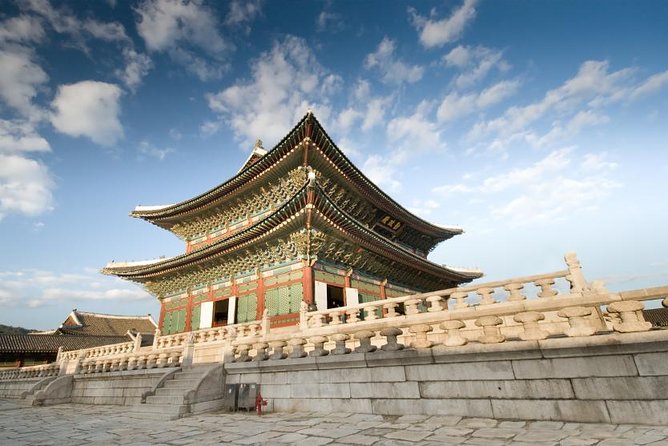
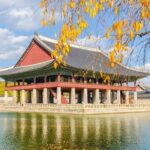
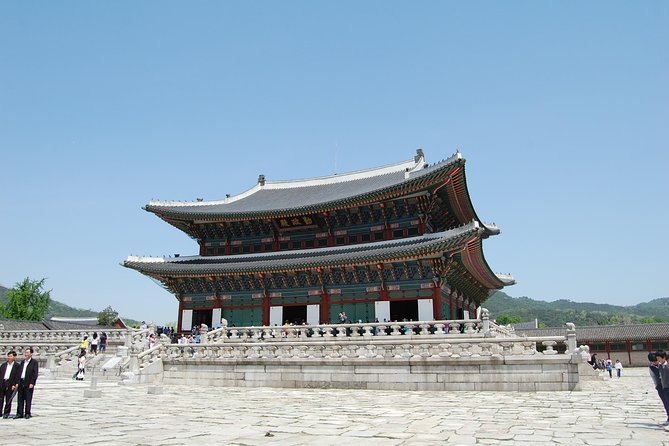
Gyeongbokgung Palace is the star of the show. It was constructed in 1395 and became the centerpiece of Joseon Dynasty royal life. Much of the complex was destroyed during the Japanese occupation, and later restoration efforts brought back a version closer to the original layout and feel.
You’ll get around 1 hour here with an admission ticket included. That time is enough for a guided walk of the gates, pavilions, and royal halls—plus time to pause for photos. The guide’s narration is what turns it from “pretty buildings” into “I finally get what I’m looking at.”
Practical tip: wear comfortable shoes. This isn’t a long-distance hike, but palace grounds still involve multiple stretches of walking on uneven surfaces and steps. If you only bring one pair, make it the pair that won’t punish your feet by lunchtime.
Timing note: you may also be in the area when ceremonial moments like the changing of the guard are scheduled. If your visit lines up, it’s worth watching closely, even if you think you’re just there for the palace. People remember that kind of moment.
National Folklore Museum: replicas that help you understand daily life
Next up is the National Folklore Museum of Korea. The key thing here is that the exhibits use replicas to explain life—from ancient times through the 20th century. Instead of forcing you to decode a bunch of tiny artifacts alone, the museum helps you “read” everyday Korean life through models and staged details.
Your visit is about 20 minutes, and admission is free. That short stop format is intentional: it gives you context quickly before you switch to a religious site and then a living-culture village.
If you’re the kind of visitor who likes to linger, you may wish you had more than 20 minutes. But if you’re trying to cover the highlights in one day without burning your entire afternoon, this museum stop does its job.
Jogyesa Temple: a calm counterpoint in the middle of the day
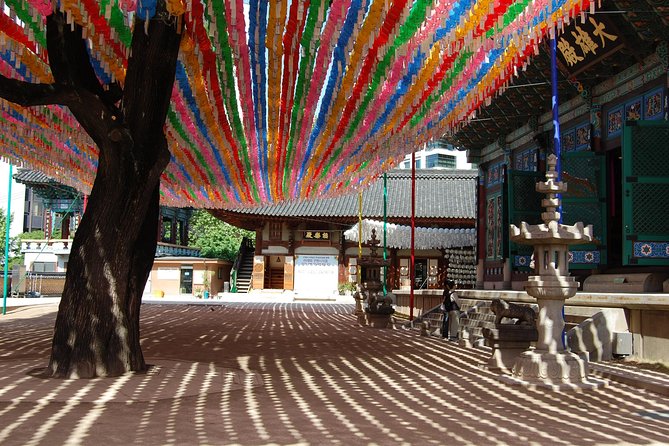
Jogyesa Buddhist Temple is a quick but meaningful pause. You’re there for a brief stop (about 2 minutes on the itinerary), and it’s free. The focus is on the Jogye Order of Korean Buddhism and the main hall area dating back around 500 years.
You’ll likely notice the approach—trees lining the entrance—and then step into the main hall space. Even in a short visit, the contrast is real: after palace architecture and museum explanations, this is a different kind of atmosphere. If you’re sensitive to noise, temples can be quieter than the outdoor palace crowds, even when the tour groups flow in.
Lunch in a Korean restaurant: included and worth planning around
Lunch is scheduled around midday and lasts about 1 hour. It’s included and happens at a traditional Korean restaurant.
Because this is a group tour, your meal will be efficient. That’s not a bad thing—just plan to enjoy it as a guided cultural experience, not a slow food pilgrimage. If you have dietary requirements, you should advise the provider at booking. The tour notes specifically ask for dietary needs to be shared in advance.
Food tip: if you’re traveling in Korea during summer or heavy rainy days, eat like a planner—don’t skip water, and don’t go too hard on spicy items if you’ve got more walking later. Your energy matters for the Folk Village crafts.
The ginseng center stop: heritage or sales time?
Here’s the part that tends to divide people. After lunch, you’ll stop at a ginseng center for about 30 minutes. Admission is not listed as paid because it’s a scheduled stop, but the bigger reality is that these centers typically focus on product explanations and shopping.
From the guide’s perspective, this is meant to be culturally educational. Korea does have a major ginseng industry, and the tour framing is that you’ll learn more about the health product and have the chance to purchase some to take home.
From a visitor perspective, you should treat it as a shopping stop until proven otherwise. Some people end up feeling pressured to buy. If you’re not interested in purchasing, go in with your boundaries: ask questions, learn what you can, and keep your mind on the afternoon’s Folk Village, which is the heritage-heavy highlight.
Korean Folk Village: crafts, living traditions, and expectations
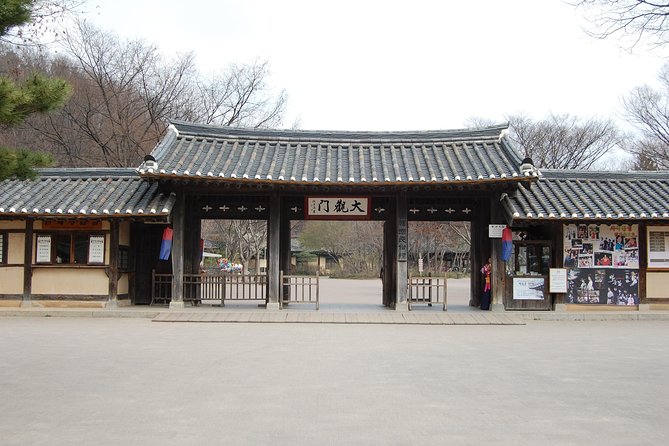
The Korean Folk Village is where the tour shifts from monuments to daily life. You spend about 1 hour 20 minutes here, and admission is included.
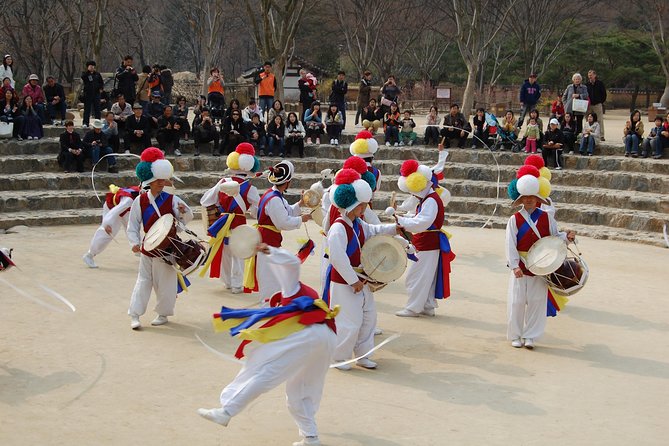
This is described as a living museum of traditional Korean culture and folk life. You may get opportunities to watch craft demonstrations such as pottery making, basket weaving, hand-making of winnows, musical instrument making, embroidery, and wood/brass ware. The whole point is to show how traditional skills work, not just what they look like.
This is also the portion where expectations matter most. Some visitors love it for being active and easy to understand. Others feel it can feel staged, depending on how you define authentic village life versus a heritage attraction designed for visitors. Either way, you should come prepared to learn by watching and asking, not by expecting a “go live with locals” experience.
Practical photo advice: bring your camera ready for close-up demonstrations. The craft areas are often better for detail shots than for wide panoramas.
When Gyeongbokgung is closed: Deoksugung as the backup plan
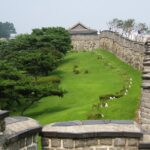
The tour includes a smart swap for Tuesdays. If Gyeongbokgung Palace is closed on a Tuesday, you’ll visit Deoksugung Palace instead. Deoksugung is a walled palace compound and is home to the Seoul Museum of History, which you’ll also tour with your guide.
If your travel dates fall on a Tuesday, don’t panic. This is clearly planned as an alternate route, so you’re not losing the whole “royal architecture plus museum context” idea. You’re simply seeing a different palace and museum set-up.
Comfort, walking, and what to bring
The day involves moderate walking. Comfortable walking shoes are strongly recommended. You also have a mix of indoor and outdoor time, so dress in layers. Seoul weather can change quickly, and being stuck in lines with heavy clothing isn’t fun.
Also, bring a small bag you can handle easily during the palace walks and the village craft areas. You’ll be moving from coach to grounds to museums to temples and back again, and you don’t want a backpack that makes every step feel like work.
Mobile tickets are part of the experience, so have your phone ready for ticket scanning. If you know your phone battery drains fast, bring a charger or power bank.
Who this tour suits best
This is a strong match if you want a guided “big picture” day with minimal logistics. It’s especially good for:
- First-time Seoul visitors who want palaces + traditional culture in one shot
- Travelers who like walking with a guide rather than building a self-guided route from scratch
- People who value clear English narration and benefit from a structured itinerary
If you’re allergic to any shopping-style stops, be cautious. The ginseng center is part of the day, and that’s the most common friction point.
If you hate rushed mornings, you might feel the pacing squeeze at the start of the trip. Still, the palace and the village are where you’ll feel the payoff.
Should you book this Korean Heritage Tour?
Yes, I’d book it if you want an efficient, organized Seoul day centered on royal architecture and Korean folk culture. The value comes from the full package: hotel pickup, guided palace time, an included lunch, and a real craft-focused afternoon at the Folk Village.
I’d think twice only if you’re strictly seeking a shopping-free itinerary or if your priority is long, slow museum study with deep independent wandering. The tour is designed to move, and one scheduled stop is intentionally product-oriented.
If you do book, go in expecting a guided day with a couple of “extra stops,” and then put your energy into the places that actually teach you how Korea lived—on palace grounds, in the folklore museum context, and at the craft demonstrations in the Folk Village.
FAQ
How long is the tour?
The tour is about 8 hours 30 minutes.
What time does the tour start, and is there hotel pickup?
It starts at 8:30 am, and pickup from your Seoul hotel is included.
Is lunch included?
Yes. You stop for lunch at a traditional Korean restaurant, and lunch is included.
What if Gyeongbokgung Palace is closed?
Gyeongbokgung Palace is closed on Tuesdays. If that happens, the tour visits Deoksugung Palace instead, including the Seoul Museum of History.
Are admission tickets included?
Gyeongbokgung Palace admission is included, and Korean Folk Village admission is included. National Folklore Museum entry is free, and Jogyesa Temple entry is free.
Is there a lot of walking?
There is a moderate amount of walking, so comfortable walking shoes are recommended.
Can I cancel for a full refund?
Yes. You can cancel up to 24 hours in advance for a full refund.