REVIEW · KYOTO
Ancient Katana Training in Kyoto with Local Students
Book on Viator →Operated by Let's ask Shogo · Bookable on Viator
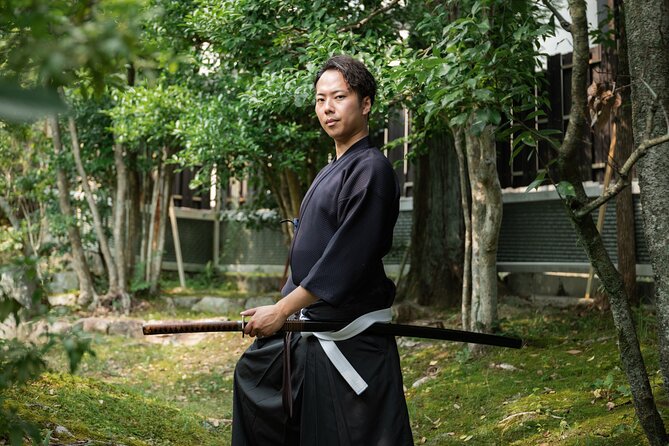
Forget sword souvenirs. This Kyoto session brings you into the real Asayama Ichiden Ryū Hyōhō dojo life, not a scripted show. You’ll practice Iaijutsu and Kenjutsu alongside local students under Shogo’s guidance, using bokutō (wooden katana) in a small, focused group.
I especially like two things: the class is built around authentic dojo training (with actual students), and you get coached on fundamentals like reihō etiquette plus practical sword skills, so you leave with more than a photo. One catch to think about: this is generally not set up for complete beginners with no prior budō experience, and you’ll want at least moderate physical fitness to keep up.
In This Review
- Key highlights before you book
- A real Kyoto dojo session, not a sword show
- Why the style of training is a big deal
- Where you meet: Honmachi, Higashiyama Ward at 6:30 pm
- Plan your evening like a student, not a tourist
- Reihō etiquette: the fast lesson most people skip
- What you’ll likely notice
- Iaijutsu with bokutō: quick-draw fundamentals, taught with care
- What makes the instruction feel approachable
- Kenjutsu: building control, distance, and clean sword work
- The payoff for learners
- Shogo Sensei and the small-group advantage (max 4)
- The bigger kobudō picture: beyond swords (what you may hear about)
- Timing, fitness, and comfort: what you should realistically be ready for
- If you’re new, don’t panic—ask first
- Price and value: $45.61 for 3 hours of real instruction
- Should you book this katana training in Kyoto?
- FAQ
- How long is the ancient katana training session?
- What will I learn during the class?
- Do I need prior budō or martial arts experience?
- How many people are in the group?
- Where is the meeting point, and when does it start?
- What’s the cancellation/refund window?
Key highlights before you book
- Real dojo training with local students (not a tourist performance)
- Iaijutsu + Kenjutsu with bokutō, taught with careful guidance
- Small group size (max 4) so corrections and pacing stay personal
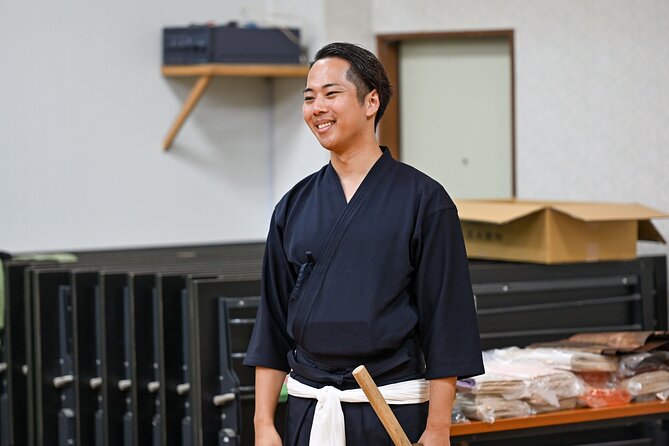
- Shogo Sensei teaches in both English and Japanese, helping you follow drills and explanations
- It’s part of a wider kobudō system, with many weapons arts referenced and contextualized
- Beginners with zero budō experience may need a consultation before joining
A real Kyoto dojo session, not a sword show
Kyoto is full of “samurai experiences,” but most are built like sightseeing: watch, pose, leave. This is different. You train with the Kyoto Branch of the Asayama Ichiden Ryū Hyōhō, a kobudō tradition tied to a 400-year lineage and techniques from when samurai fought in armor.
What matters for you is the vibe. You’re not being entertained; you’re being instructed. That changes everything about how the time feels. In a good dojo class, you focus on basics—stance, spacing, timing, and respectful behavior—because those are the building blocks behind any impressive-looking technique.
You can also read our reviews of more tours and experiences in Kyoto.
Why the style of training is a big deal
The tradition is centered on sword arts, especially iaijutsu (quick-draw katana technique) and kenjutsu (Japanese swordsmanship). But the way it’s taught also reflects a full martial system. So even if you only practice a slice of it in a 3-hour session, the culture of training is the point: disciplined movement, controlled practice, and clear standards.
Where you meet: Honmachi, Higashiyama Ward at 6:30 pm
The session starts at 6:30 pm and meets at 7-chōme-27-1 Honmachi, Higashiyama Ward, Kyoto, 605-0981. It ends back at the meeting point.
Two practical notes:
- It’s near public transportation, which helps a lot if you’re staying in central Kyoto but don’t want to taxi around.
- You’ll get a mobile ticket, so you can keep everything on your phone.
Plan your evening like a student, not a tourist
Since it’s a dojo class, give yourself a little buffer before 6:30 pm. You want time to find the spot and settle in without rushing. A late arrival can throw off your attention, and dojo training usually expects you to be mentally present.
Reihō etiquette: the fast lesson most people skip
The first part of the practice includes reihō etiquette—the formal, respectful way the dojo conducts itself. If you’re expecting only sword technique, this may feel like “extra,” but it’s actually the glue.
Reihō is how you learn to switch from travel mode to training mode. It sets expectations: how you enter, how you handle space, how you follow instructions, and how you keep practice safe and respectful. In a traditional martial context, etiquette isn’t decoration. It’s training discipline you can feel right away.

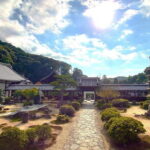
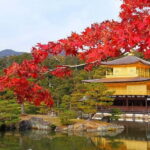

What you’ll likely notice
Even if you don’t know the terminology, you’ll pick up patterns quickly:
- Your role in drills changes from observer to participant.
- The instructor’s corrections are tied to form and behavior, not just outcome.
- The class rhythm becomes consistent, because everyone shares the same basic protocol.
Iaijutsu with bokutō: quick-draw fundamentals, taught with care
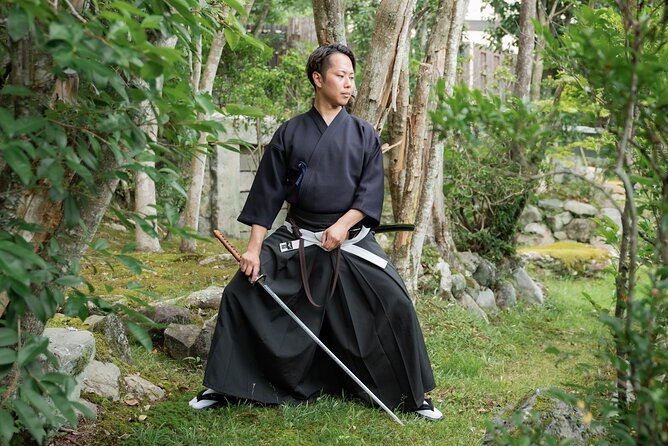
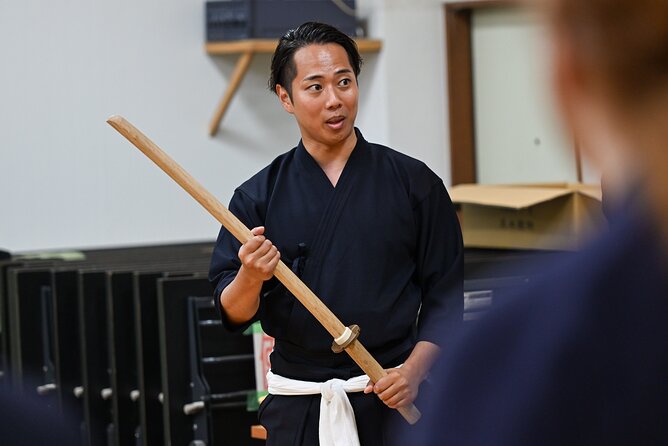
Iaijutsu is where the “samurai movie” imagination gets grounded into technique. You’ll train using bokutō (wooden katana), focusing on quick-draw concepts rather than flashy swings.
This is the part that many first-timers find both exciting and intimidating. Quick-draw arts are exacting because you’re controlling multiple actions as one coordinated sequence. A small mistake can mean sloppy timing or unsafe movement—so the instructor’s role is crucial.
What makes the instruction feel approachable
A big plus here is communication. Shogo Sensei can work with students in English and Japanese, and the teaching style is designed to match your level. One of the best signs that you’re in a serious class is when instruction stays clear without being stiff.
If you’re worried about not bringing a sword: in the experience described, a wooden sword was provided for someone who didn’t have one. That suggests the class setup is ready for real participation, not just equipment cosplay.
Kenjutsu: building control, distance, and clean sword work
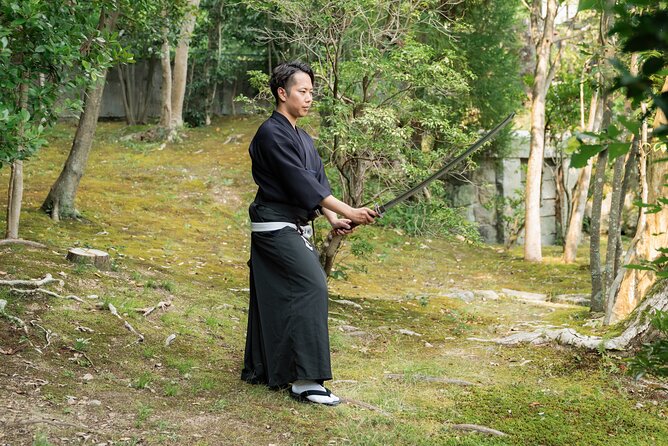
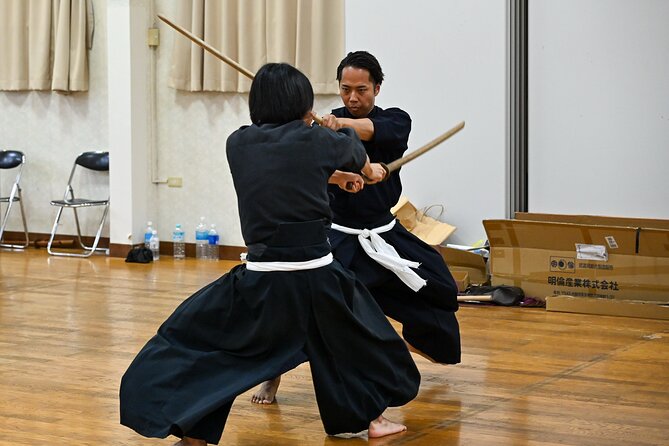
After the quick-draw piece, you’ll also practice kenjutsu—Japanese swordsmanship—again using bokutō. Kenjutsu tends to focus on how the sword travels through space with control, plus how you manage distance and movement.
For you, this is where training becomes less about one dramatic moment and more about repeatable mechanics. Good kenjutsu practice teaches you to:
- keep your movement purposeful,
- maintain stable form,
- and respect the line between safety and intensity.
The payoff for learners
If you came for the “katana” part, kenjutsu helps you understand it isn’t just a blade. It’s the relationship between your body, your timing, and the opponent’s space. Even in a short class, you can feel the difference between waving a sword and training with intent.
Shogo Sensei and the small-group advantage (max 4)
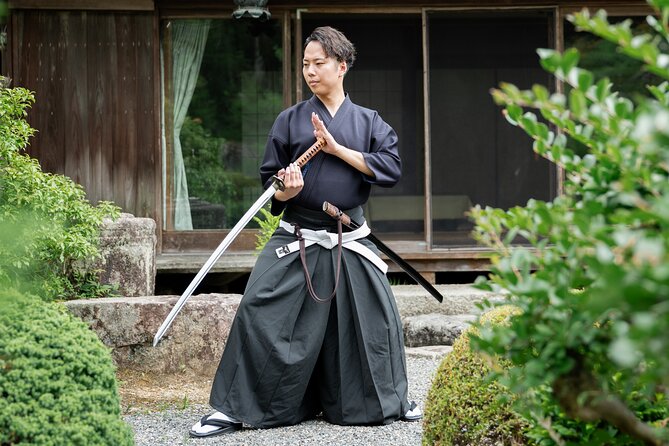
The class runs with a maximum of 4 travelers. That small size is one reason people call it practical—not because it’s flashy, but because you don’t disappear into the back of the room.
With fewer participants:
- you get more useful corrections,
- the pacing fits real learning,
- and you can recover when something doesn’t click right away.
And that communication matters. The teaching approach described includes Shogo Sensei’s ability in both English and Japanese, plus a willingness to personalize what you do based on where you are in your understanding. That’s gold if you want to train hard without feeling lost.
The bigger kobudō picture: beyond swords (what you may hear about)
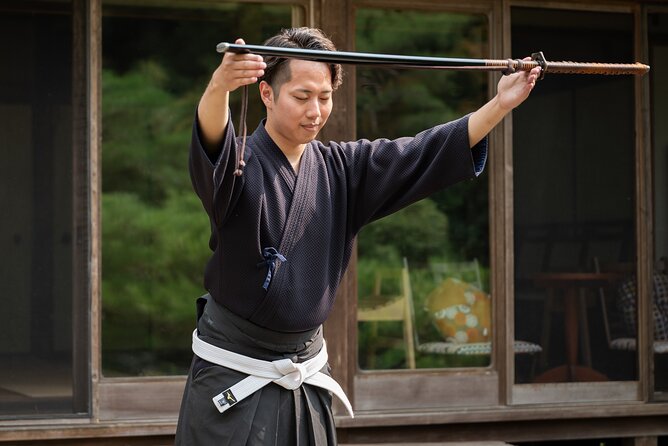
This tradition isn’t only “katana class.” The system includes other weapons and techniques such as:
- kama-jutsu (sickle techniques)
- bōjutsu (staff)
- jōjutsu (short staff)
- tanbōjutsu (short stick)
- kusarifundōjutsu (chain and weight)
- shurikenjutsu (throwing darts)
Even if your session time is mostly focused on swords—iaijutsu and kenjutsu—it’s valuable to know you’re stepping into a full martial system. This context helps you avoid the common beginner mistake of thinking samurai training was only swords and bravado.
You’ll get a clearer sense of why kobudō schools historically trained broadly: it wasn’t about collecting weapons; it was about having a martial toolkit.
Timing, fitness, and comfort: what you should realistically be ready for
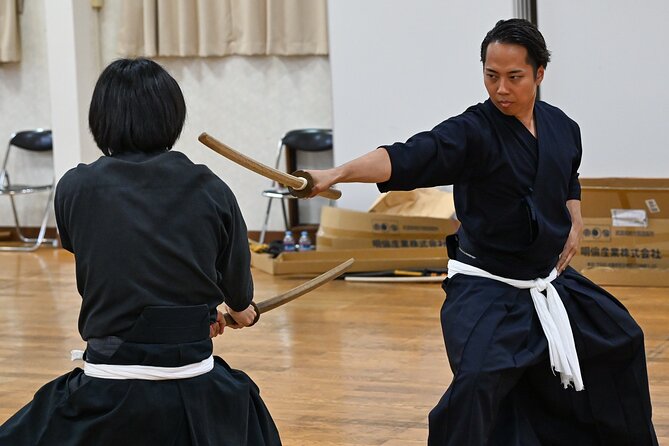
This activity lists moderate physical fitness as a requirement. You’re not signing up for a long endurance workout, but it is still a training session. Expect you’ll use your legs and core for stances, movements, and repeat practice.
Also remember the training is described as a genuine martial arts session with actual students, not a casual class for anyone off the street. There’s a general rule that they don’t accept people with no prior budō experience.
If you’re new, don’t panic—ask first
If you’re very eager but don’t have prior budō experience, the guidance given is to contact for a consultation. That’s better than guessing. It protects you from joining a class you might not be able to participate in safely or confidently.
Price and value: $45.61 for 3 hours of real instruction
At $45.61 per person for about 3 hours, this is priced in a way that feels reasonable for what you’re actually getting: instructor-guided, dojo-style training with a small group.
Here’s why it can be good value compared to typical “sword experiences”:
- You’re not paying mainly for entertainment.
- You’re training with real structure and guidance.
- You’re in a tiny group, which improves how much you learn in the time you have.
- You’re using bokutō, so the focus stays on technique and safety rather than expensive rental hassles.
Also note booking timing: on average, it’s booked about 18 days in advance, so if you’re serious, lock it in sooner rather than later.
Should you book this katana training in Kyoto?
Book it if:
- you want an authentic dojo experience, not a photo stop,
- you’re interested in iaijutsu and kenjutsu fundamentals,
- you like small-group learning,
- and you’re okay with the idea that you may need some budō background to fit the class standard.
Skip it (or contact for a consultation) if:
- you’re looking for something purely beginner-casual and sightseeing-friendly,
- you’re not comfortable with moderate physical activity,
- or you have no budō experience and you don’t want to go through a quick check-in first.
If you want a Kyoto activity that teaches discipline you can feel—while staying focused, practical, and respectful—this is the kind of class that makes the time worth it.
FAQ
How long is the ancient katana training session?
The experience lasts about 3 hours.
What will I learn during the class?
You’ll practice reihō etiquette, iaijutsu (katana drawing), and kenjutsu (katana swordsmanship). Bokutō (wooden katana) are used.
Do I need prior budō or martial arts experience?
As a general rule, they do not accept participants with no prior budō experience. If you’re very eager, you can contact them for a consultation.
How many people are in the group?
The class has a maximum size of 4 travelers.
Where is the meeting point, and when does it start?
It starts at 6:30 pm at 7-chōme-27-1 Honmachi, Higashiyama Ward, Kyoto, 605-0981 and ends back at the meeting point.
What’s the cancellation/refund window?
You can cancel for a full refund up to 24 hours before the experience’s start time. If you cancel later than that, the amount you paid is not refunded.
If you want, tell me your current level (zero experience, some budō, or regular practice) and where you’re staying in Kyoto. I’ll help you decide whether this is a smart fit for you and the smoothest way to time it with your evening.