REVIEW · TOKYO
Tokyo:Nikko UNESCO World Heritage Sites Private 1-Day Tour
Book on GetYourGuide →Operated by Yakuri Tours · Bookable on GetYourGuide
Nikko hits different when the van door opens in town. This private 10-hour outing strings together Nikko’s top UNESCO shrine sights, a national-park walk, and classic photo stops, with hotel pickup and drop-off so you can spend your energy looking, not transferring.
I really like the smart pacing: you usually get about an hour per major stop, with flexibility if your driver-guide can adjust timing. I also like that the day includes both the big spiritual landmarks like Toshogu Shrine and the red-photo icon Shinkyo Bridge. The main drawback to plan for is that it’s still a full-day schedule, so you may feel a little rushed at the corners you want to linger in, and entrance fees are not included.
Key points worth knowing
- Door-to-door private pickup from central Tokyo options, plus an air-conditioned vehicle
- About an hour per main stop, with room to request small timing changes
- Toshogu Shrine details tied to Tokugawa Ieyasu, set in a calm forest setting
- Shinkyo Bridge photo time at the Sacred Bridge over the Daiya River
- Narabi Jizo statues for a quieter, roadside-style moment (with red bibs and hats)
- Edo Wonderland adds hands-on Edo-period fun between temple visits
In This Review
- Why a Private Nikko UNESCO Day Beats DIY
- The 10-Hour Flow: Driving Time, Start Times, and Pace
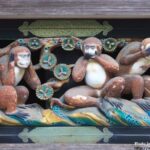
- Toshogu Shrine: Tokugawa Ieyasu’s Craft-Heavy Masterpiece
- Nikko National Park: Seasonal Scenery and Quick Photo Stops
- Narabi Jizo Statues: A Calm, Meaningful Stop (and a Quick One)
- Shinkyo Bridge and Futarasan Shrine: Sacred Views and Mountain Deities
- Rinnoji Temple: Buddhist Calm with Time to Walk
- Edo Wonderland: Edo-Period Fun to Break Up the Temples
- Price and Value: What $387 Gets You (and What It Doesn’t)
- Making It Work: Custom Stops, Weather, and Practical Tips
- Who Should Book This Private Nikko Day
- Should You Book This Nikko UNESCO Private Tour?
- FAQ
- How long is the Nikko UNESCO private tour?
- Is this tour private, and what’s the group size?
- What stops are included in the day?
- Where does pickup and drop-off happen?
- Are entrance fees and meals included?
- What’s included for comfort during the ride?
- Can the itinerary be customized?
- What happens if weather affects the schedule?
- What languages does the driver-guide speak?
Why a Private Nikko UNESCO Day Beats DIY
Nikko is one of those places where it’s easy to waste time. Trains, connections, and ticket lines can eat the best hours. This tour takes that friction out by running a private van with hotel pickup and drop-off, so you’re already in the right direction when the day starts.
What you’re buying is not just transport. You’re buying a day plan that hits multiple UNESCO-linked stops in a single shot. The schedule is structured around short, high-impact visits—photo stops plus guided walking time—so you get the main sights without needing to do trip logistics in Japanese.
One more practical point: it’s built for photos. You’ll have help with group shots and video, and you’ll have several moments where the stop is basically set up for taking pictures well.
The 10-Hour Flow: Driving Time, Start Times, and Pace
You’ll spend about 2 hours on the road each way (Tokyo to Nikko and back). Once you’re in Nikko, the tour shifts into stop-and-go mode: you’re looking at roughly 40 minutes to 1 hour at each site.
That pacing is a trade-off. You see a lot, but you don’t get unlimited time for one place. If you’re the type who wants to sit with one shrine garden for a long stretch, you should consider asking your guide to rebalance the timing early in the day.
This is also where your driver-guide style matters. Some guides are more talkative on-site and may point out what to notice. If you want story-level commentary, it helps to say so at pickup and again when you arrive.
You can also read our reviews of more private tours in Tokyo
Toshogu Shrine: Tokugawa Ieyasu’s Craft-Heavy Masterpiece
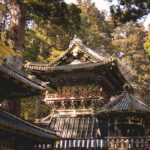
Toshogu Shrine is the kind of place that makes you pause and look closer, even if you’ve seen photos before. Expect a guided visit and time for your own wandering. You’ll be in a serene forest setting, and the big draw is the shrine’s connection to Tokugawa Ieyasu, founder of the Tokugawa shogunate.
Plan for details. The standout here is craftsmanship—intricate carvings and gilded elements—so bring your camera with the expectation you’ll want close-ups as well as wide shots. With only about an hour, don’t try to do everything at “full museum speed.” Pick a few areas to focus on: the main shrine structures, key carved motifs, and your best sightline for a photo that shows the relationship between buildings and trees.
If fog or low visibility happens, ask your guide what angles still work. One of the advantages of a private day is that you can make small adjustments without breaking the whole schedule.
Nikko National Park: Seasonal Scenery and Quick Photo Stops
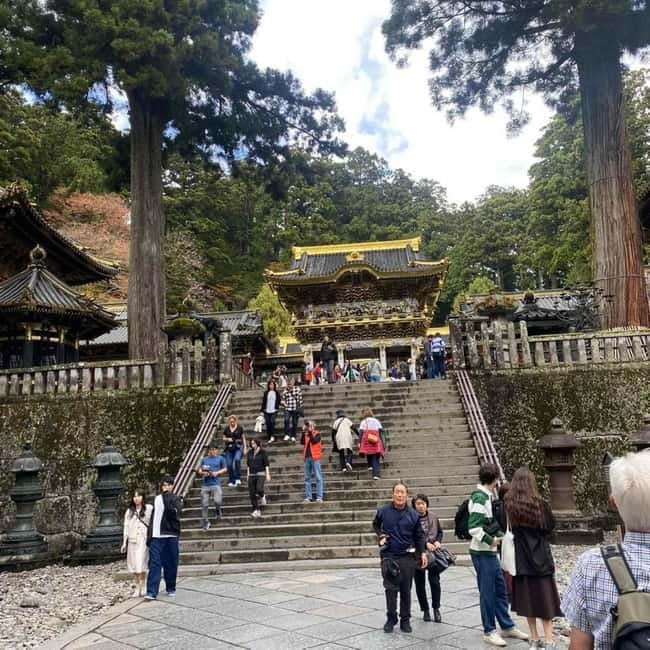
After Toshogu, you’ll head toward Nikko National Park, another UNESCO-linked highlight. Here, the emphasis is on outdoor sights and walking time—photo stop plus guided time.
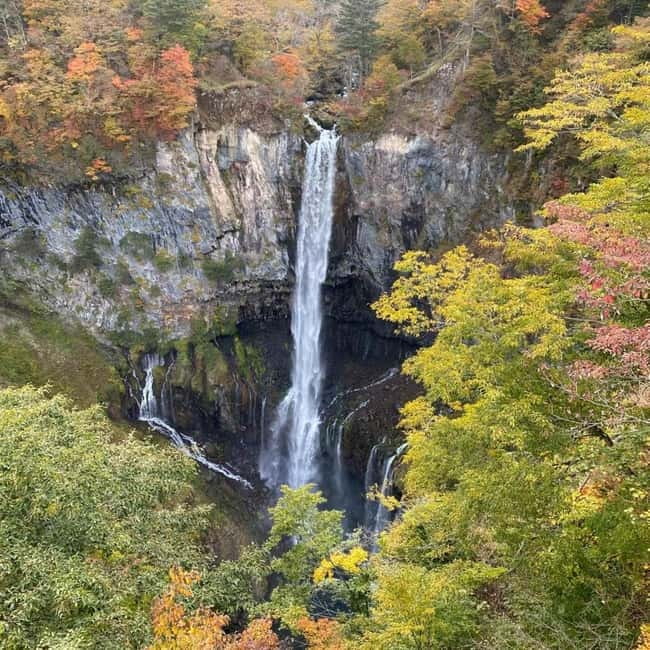
Because this is a park, your experience will depend on the season and weather. The good news is that the day is designed to give you time even if conditions shift. Think sparkling lakes and waterfalls in the mix when visibility cooperates, plus the chance to see seasonal character—autumn leaves or spring bloom colors, depending on when you go.
In practice, National Park time is short. So what you do matters: take a moment to step aside for a clean shot, then move on before you lose momentum. If you’re traveling with someone who prefers slower pacing, this is still doable, but you’ll want to communicate early about where you want extra seconds for photos.
Narabi Jizo Statues: A Calm, Meaningful Stop (and a Quick One)
Narabi Jizo is one of those stops that feels like a breath of quieter air between larger landmarks. You’ll get about 40 minutes, including time to take photos and walk the area.
The statues are dedicated to Jizo Bodhisattva, and the theme here is protection for travelers and children. You’ll often see them decorated with red bibs and hats. That small detail matters because it turns a “photo stop” into a moment with heart—you’re not just photographing stone shapes; you’re seeing a living tradition of care.
This is a great stop if your group includes kids or anyone who wants less walking intensity. It’s also a useful counterweight to temple crowds: you can slow down slightly and let the mood reset.
Shinkyo Bridge and Futarasan Shrine: Sacred Views and Mountain Deities
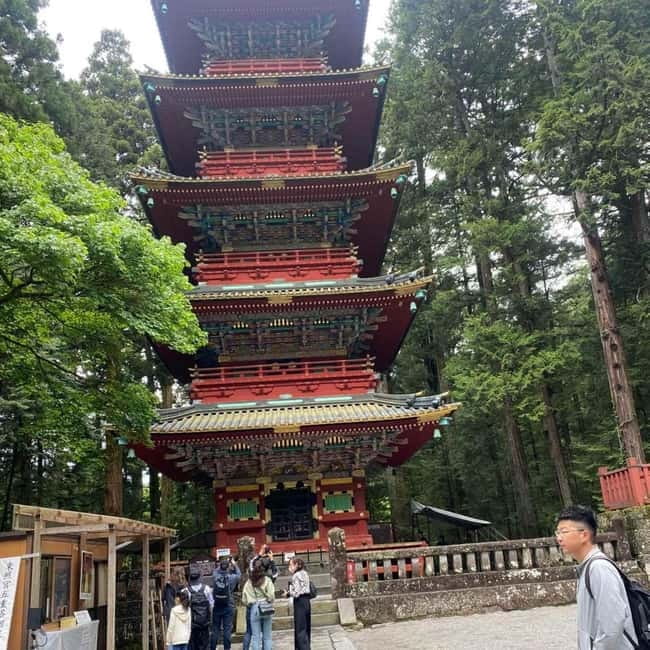
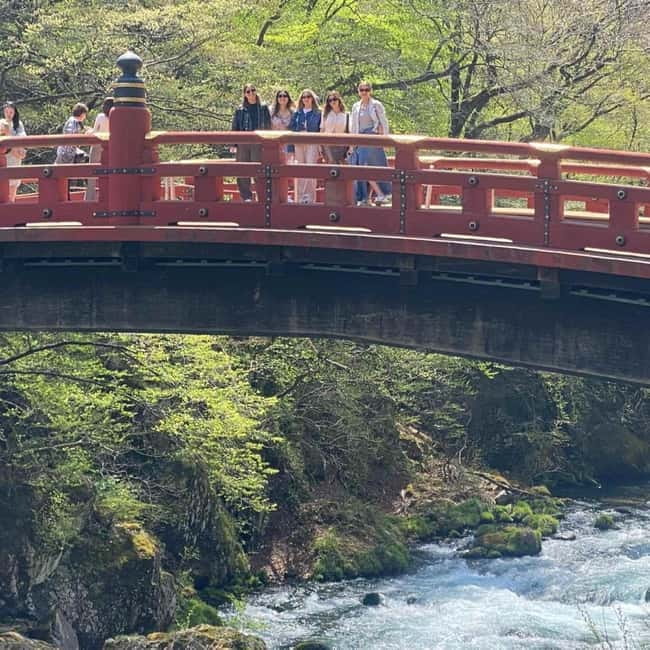
Next up is Shinkyo Bridge, known as the Sacred Bridge. You’ll have around an hour total here including photo time and guided sightseeing.
The main visual is the red bridge crossing the Daiya River, framed by mountain views and nearby temple scenery. If you care about photos, treat this as your “camera reset” moment: clean lens, check your settings for bright outdoors, and plan for both wide and detail shots.
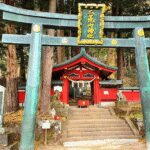
Then you’ll move to Nikko Futarasan jinja, dedicated to powerful deities of the peaks, with about 40 minutes for visit and guided time. Expect a forested, spiritual feel, and views that connect the shrines to the sacred mountain setting.
This pair works well because they balance each other: Shinkyo gives you a classic postcard composition, while Futarasan gives you a quieter, shrine-in-the-woods atmosphere.
You can also read our reviews of more historical tours in Tokyo
Rinnoji Temple: Buddhist Calm with Time to Walk
Rinnoji Temple comes after Futarasan and is another about 40 minutes visit. This Buddhist site is dedicated to Fudo Myo-o.
The draw here is tranquility. The temple sits in lush greenery, and the setting is made for a slower walk—even though the time box is still real. If you’ve got limited patience for long temple routes, you can still get a lot out of Rinnoji because the guided portion helps you focus on what matters.
From a practical standpoint, this is also a good place to check your footing. Japan’s shrine and temple grounds often involve uneven paths and steps. Comfortable shoes aren’t optional if you want to enjoy this part rather than just endure it.
Edo Wonderland: Edo-Period Fun to Break Up the Temples
After several serious spiritual stops, the day adds a fun pivot: Edo Wonderland Nikko Edomura. You’ll have about one hour here.
This is not a shrine crawl. It’s a time-travel style park where you can stroll reconstructed streets, dress in period costumes, and enjoy traditional performances and activities. The key value is variety. Even if your priority is UNESCO sites, this helps prevent “temple fatigue” and gives you something hands-on.
If you’re traveling with mixed ages—adults who want temples plus kids or teens who want something interactive—this stop is often the difference between a good day and a memorable one.
Price and Value: What $387 Gets You (and What It Doesn’t)
The price is $387 per group up to 6 for a 10-hour private tour. That pricing makes sense mainly because you’re not paying for just a driver—you’re getting a private vehicle with fuel, highway tolls, and parking covered, plus a friendly English-speaking driver-guide, bottled water, and free Wi-Fi in the vehicle.
Value also comes from the structure:
- Hotel pickup/drop-off removes time cost.
- You get photo and video help for group shots.
- You’re not managing routing or timing yourself.
What’s not included is important: meals and entrance fees are not part of the tour price. So your real cost is the base fee plus whatever you choose to pay at sites and for food.
If you’re traveling with 3–6 people, this can be an efficient way to do Nikko compared with individual transfers and separate tickets for a DIY day. If you’re traveling solo, it’s still a premium, but you’re paying for the convenience and the private format.
Making It Work: Custom Stops, Weather, and Practical Tips
One big plus is customization. If you want to spend more time at one location or swap a stop, tell your guide. The tour is designed with flexible stop time so your priorities can steer the day a bit.
Weather matters in Nikko. The good news is that the operator can postpone the tour to a day that suits you if unexpected weather or incidents arise. If pickup runs late, your tour time can be extended at no extra cost to help you catch up.
Here’s how you make the day smoother:
- Bring comfortable shoes. You’ll walk.
- Pack a daypack for camera gear and layers.
- Have a camera ready for multiple photo moments: Toshogu, Shinkyo, and the park area.
Also note the rules: no alcohol and drugs, and no fireworks or making fire.
Finally, consider the “intensity fit.” The tour is listed as wheelchair accessible, but it also states it’s not suitable for wheelchair users and is not recommended for pregnant women or people with back problems. If you’re planning with mobility concerns, confirm what the route and walking demands look like day-of.
Who Should Book This Private Nikko Day
This is a great fit if you want:
- A one-day Nikko hit list without planning transport in advance
- A private experience for a small group (up to 6)
- Multiple UNESCO-related stops plus a scenic bridge photo moment
- A balance of spiritual sites and a lighter Edo-period activity
It’s less ideal if you want long, slow visits with no schedule pressure. This tour is built for seeing a lot in a single day, and you’ll feel the clock.
Should You Book This Nikko UNESCO Private Tour?
If you’re trying to make Nikko work from Tokyo with minimal stress, I’d say yes—especially for groups. The combination of private transport, guided visits, photo assistance, and a structure that covers Toshogu Shrine, Shinkyo Bridge, Rinnoji, Futarasan, plus National Park and Edo Wonderland is strong value for a time-limited trip.
Just go in with the right expectations: entrance fees and meals are on you, and the day is paced tight. If that’s fine, you’ll come away with a full, satisfying Nikko overview—temples, craft, sacred views, and a fun Edo break in one smooth private day.
FAQ
How long is the Nikko UNESCO private tour?
The tour duration is 10 hours. You’ll have guided time at each stop, with about 40 minutes to 1 hour at the main locations.
Is this tour private, and what’s the group size?
Yes. It’s a private group tour, priced per group up to 6.
What stops are included in the day?
The included stops are Toshogu Shrine, Nikko National Park, Narabi Jizo, Shinkyo Bridge, Nikko Futarasan jinja, Nikkozan Rinnoji Temple, and Edo Wonderland.
Where does pickup and drop-off happen?
Pickup and drop-off are available from multiple locations in Tokyo and also specific Nikko pickup/drop-off options. The tour includes hotel pickup and drop-off in a private vehicle.
Are entrance fees and meals included?
No. Meals and entrance fees are not included.
What’s included for comfort during the ride?
You get bottled water, free Wi-Fi on the move, and a friendly English-speaking driver-guide, plus fuel, highway tolls, and parking covered.
Can the itinerary be customized?
Yes. The tour is described as customizable, and you can request extra time at a stop or swapping stops by telling your guide.
What happens if weather affects the schedule?
If unexpected weather or incidents arise, the tour can be postponed to a day that suits you. If pickup delays happen, your tour time can be extended at no extra cost.
What languages does the driver-guide speak?
The driver is listed as speaking English, Urdu, and Japanese.