REVIEW · ISTANBUL
Ancient Rome Under Istanbul
Book on Viator →Operated by Experta Tours and Events · Bookable on Viator
A city like Istanbul keeps rewriting itself, and this tour takes you under the rewrite. You’ll walk past modern streets and pop into Byzantine-era spaces—palaces, chapels, and cisterns—where so much of the story literally sits below your feet.
I especially like the way the guide connects the Byzantine layers to what you’re seeing on the ground. I also like the pacing: a long, focused underground block, then two short surface stops (Kucuk Ayasofya and the Hippodrome) to help your brain build a map of the area.
One heads-up: the tour can run closer to the 3-hour end depending on access and day-of conditions. Also, don’t assume a hotel pickup is part of the $45 price—this one starts at an old-city meeting point.
In This Review
- Key things to know before you go
- Underground Istanbul: what you’re actually paying for
- The timing and pacing (3 to 5 hours can mean a real range)
- Meeting point in Sultanahmet: where you start changes your stress level
- Price and value: $45 with guide help and free admissions
- Stop 1: Roman and Byzantine ruins under modern buildings (the core experience)
- Practical note for underground parts
- Constantine’s Palace and Byzantine chapels: why the guide’s story matters
- Stop 2: Kucuk Ayasofya (Gazi Suleyman Pasa Mosque) and the Hagia Sophia connection
- Stop 3: Hippodrome at Sultanahmet Square (history you can feel in the open air)
- Group size and guide style: why Ece and Ege keep showing up
- Still, watch language fit
- What to do with your free time after the tour
- Who this tour suits best (and who should think twice)
- Should you book? My take on the decision
- FAQ
- How much does the tour cost?
- How long is the tour?
- What time does it start?
- Where do we meet, and where does the tour end?
- Are admission tickets included?
- Is food or lunch included?
- What’s the maximum group size?
- Can I cancel for a full refund?
Key things to know before you go
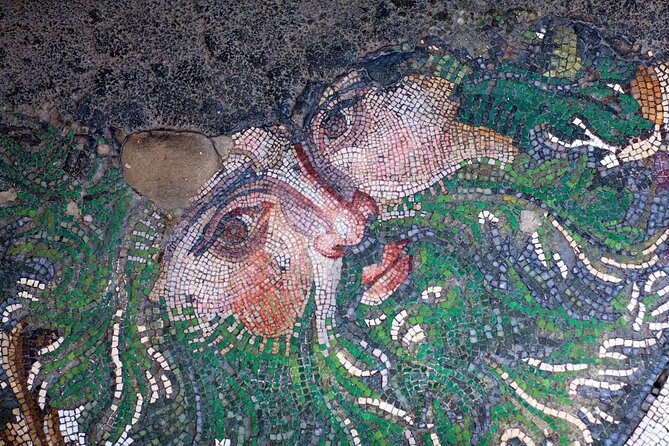
- Underground Istanbul is the main event: Roman and Byzantine remains under today’s buildings, including cisterns and church-like spaces
- Constantine’s Palace is part of the story: you’ll learn how the rulers shaped the city’s religious and political life
- Kucuk Ayasofya frames Hagia Sophia’s design: you get architectural context in a quick stop
- Small group size (max 15): easier movement on crowded streets and better Q&A with your guide
- Guides can be unusually strong on classics: in at least one departure, the guide is described as an Istanbul University classic department academic
Underground Istanbul: what you’re actually paying for
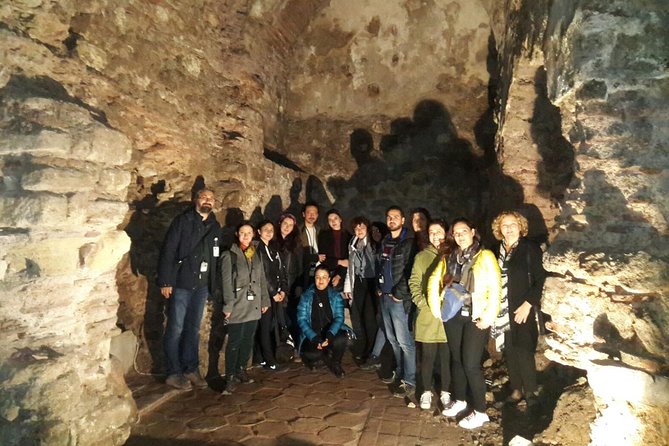
For $45, you’re buying access plus interpretation. The value here isn’t just that the sites are ancient—it’s that you’re seeing how Istanbul’s Byzantine world was built, reused, and then buried under later life.
Your guide is the difference between a pile of stones and a place with purpose. A well-run underground tour helps you understand why these remains ended up underground—part preservation, part accident, part the natural outcome of a city that never stopped growing. And that’s the core idea of this tour: the Byzantine story doesn’t only live in famous landmarks.
I also like that you’re not stuck in museums for hours. Instead, you’re in real neighborhoods, walking short distances and then switching to underground spaces where the atmosphere changes fast.
You can also read our reviews of more tours and experiences in Istanbul.


The timing and pacing (3 to 5 hours can mean a real range)
The tour is listed as about 3 to 5 hours, with a start time of 10:00 am and an end back at the meeting point. In practice, that range matters because you’ll do a long underground segment and then smaller surface stops.
Plan your day like a pro: keep a little buffer after the tour. If you’re also scheduling a Hagia Sophia or Topkapi visit later, build in time for transit and crowd stress.
If you’re the type who needs a perfectly clockwork schedule, keep expectations flexible. One review complaint cited a shorter-than-expected length, so I’d treat the 3-hour end as possible.
Meeting point in Sultanahmet: where you start changes your stress level
You meet at Binbirdirek, Divan Yolu Cd. No:15, 34122 Fatih/İstanbul. The tour ends back at that same meeting point.
This matters because one negative review specifically mentioned confusion around getting to the old city and paying for transport separately. So my advice is simple: locate the meeting spot ahead of time, and plan to arrive by local transit or on foot from your nearby area.
The good news: it’s described as near public transportation, so you’re not on your own trying to reach a remote site.
Price and value: $45 with guide help and free admissions
The headline price is $45, and the tour includes all taxes, fees, and handling charges, plus a professional guide. It also uses a mobile ticket.
Admission at the listed stops is shown as free in the itinerary notes. That’s a big deal for value: you’re not paying separate site entry while also paying for the guide. You’re paying for the guided access and the interpretation of places many people never find on their own.
What’s not included is also clear: no food, no drinks, and no lunch. So budget for a snack stop on your own, or plan to grab something after the tour.
Stop 1: Roman and Byzantine ruins under modern buildings (the core experience)
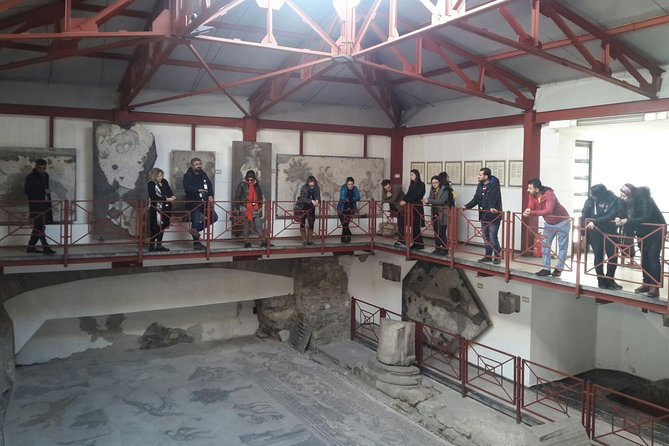
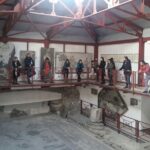
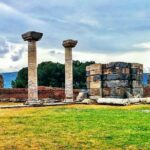
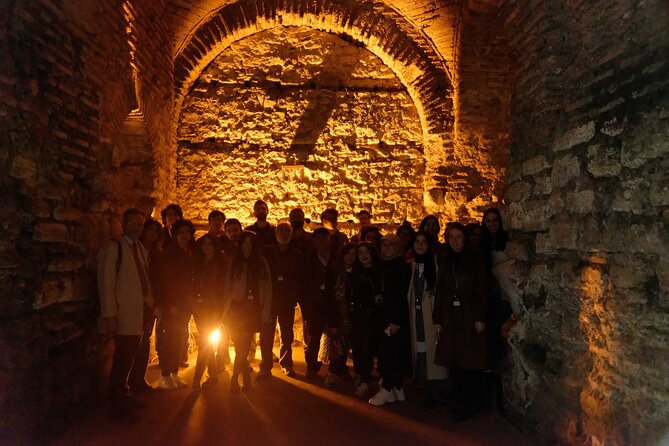
This is the long stop—about 3 hours—and it’s the reason this tour exists. You’ll go underground to see Roman and Byzantine remains under current buildings in the old city.
Even if you’ve seen big-name ruins before, this feels different. In many famous sites, you see structures built to be seen. Underground, you see spaces shaped by different priorities: storage, water control, worship, and the practical reality of rebuilding on top of older layers.
The tour description also highlights places you should look out for in this stop:
- Hidden ancient cisterns
- Byzantine chapels
- Constantine’s Palace
I love stops like this because your imagination gets to work in a realistic way. You can look at a surviving surface, listen to how the space functioned, and then try to picture it while it was still part of daily city life.


Practical note for underground parts
Underground spaces can be cooler and darker than the streets above. Bring your phone light mindset. If you’re relying on your camera, take a moment to adjust settings before you step in—because moving from daylight to shadow can mess with focus.
And yes, you’ll be doing enough walking that comfortable shoes aren’t optional.
Constantine’s Palace and Byzantine chapels: why the guide’s story matters
The tour promise includes Constantine’s Palace and remains of Byzantine chapels. These are not “stand here and read the plaque” kinds of places. You’ll get a guided explanation of how the Byzantine era used architecture to express power and devotion.
This is where a strong guide really helps. Istanbul’s timelines overlap, and without someone to translate, you might lump everything together as ancient Rome. With the right commentary, you start seeing what’s Byzantine about the spaces: the design logic, the religious function, and the way water and movement shaped urban life.
One review praises the guide’s ability to explain architecture and the stories behind sites. That fits what you’re expecting underground—details that are hard to spot unless someone points them out.
Stop 2: Kucuk Ayasofya (Gazi Suleyman Pasa Mosque) and the Hagia Sophia connection
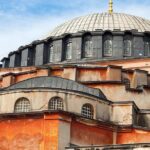
Next you head to Kucuk Ayasofya – Gazi Suleyman Pasa Mosque for about 20 minutes. This stop is described as a church that was later converted into a mosque. It’s also compared to Hagia Sophia: the idea is that this place acted like a model for architects who worked on Hagia Sophia.
Even though the stop is short, I think it’s smart. It gives you a “surface anchor” for the Byzantine religious world you just saw underground.
If you’re an architecture nerd, you’ll probably enjoy how the guide ties the building’s style to the bigger Hagia Sophia story. If you’re not, you can still follow along by focusing on reuse—how a sacred space can shift identities without losing its physical character.
Stop 3: Hippodrome at Sultanahmet Square (history you can feel in the open air)
Your last listed stop is the Hippodrome, now Sultanahmet Square, for about 15 minutes. The description frames it as the heart of Byzantine chariot races and grand celebrations, now mixed with the everyday energy of the square.
This part works well after the underground sites because it changes your scale. Underground, you think in terms of rooms, water, and worship. Above ground, you think about crowds, spectacle, and public life.
It’s also a good moment to get your bearings. If you’re leaving this tour with more confidence about where things are in Sultanahmet, that’s a win.
Group size and guide style: why Ece and Ege keep showing up
The tour caps at 15 travelers, which is big enough to feel social but small enough to keep it moving. That size usually helps in Istanbul because the streets and entrances can be tricky.
Multiple reviews highlight guide names like Ece, Ege, and AJ. The consistent theme is that the guides were described as energetic, clear, and willing to go beyond facts into interpretation and practical local context.
One standout review mentions a guide who explained not only Roman-era remains but also who conquered whom and when, plus some contemporary insights about modern Turkey. That kind of context can make the ancient world feel less like textbook dust and more like a living timeline.
Still, watch language fit
A real-world complaint focused on difficulty understanding the guide. That’s not something you can fully predict in advance, but you can reduce risk by booking early and checking any language options shown during booking.
What to do with your free time after the tour
This tour ends back at the meeting point, so plan your follow-on visits nearby. Since your day already orients around Sultanahmet, you’ll probably want to keep exploring that zone.
If you want a simple strategy: pair this underground-focused morning with a surface monument later. You’ll connect the dots faster—especially with the Hagia Sophia link from Kucuk Ayasofya.
And if you’re heading out for lunch, remember the tour doesn’t include food. A snack break will keep the afternoon energy up, especially if you’ve had multiple stops and some stairs or narrow spaces.
Who this tour suits best (and who should think twice)
This is a strong fit if you like:
- Byzantine history and architecture
- Hidden spaces and “how was this city built” questions
- A guided experience that points out details you’d miss on your own
You might think twice if:
- You need a guaranteed exact 5-hour schedule every day
- You expect hotel pickup as part of the standard price
- You’re sensitive to language differences during the tour
If you’re flexible and curious, the underground element gives this tour an edge that surface-only walks don’t.
Should you book? My take on the decision
If you’re in Istanbul for a few days and you want more than the top postcards, I’d book it. For $45, you’re getting a guided look at Constantine’s era and Byzantine spaces that many people never see, plus two short surface stops that help the story click.
Just go in with the right mindset: arrive at the old city meeting point, wear comfortable shoes, expect some walking, and be ready for the tour timing to land closer to 3 hours if conditions tighten.
When it’s run well, this is the kind of experience that makes you look at Istanbul differently the next day—because you start spotting the city’s layers even above ground.
FAQ
How much does the tour cost?
The price listed is $45.
How long is the tour?
It’s listed as 3 to 5 hours (approx.).
What time does it start?
The start time is 10:00 am.
Where do we meet, and where does the tour end?
You meet at Binbirdirek, Divan Yolu Cd. No:15, 34122 Fatih/İstanbul, and the tour ends back at the same meeting point.
Are admission tickets included?
The itinerary notes show admission is free at the listed stops.
Is food or lunch included?
No. Food and drinks, including lunch, are not included.
What’s the maximum group size?
The tour has a maximum of 15 travelers.
Can I cancel for a full refund?
Yes. Free cancellation is offered up to 24 hours in advance for a full refund. If you cancel within 24 hours, the amount paid isn’t refunded.