REVIEW · ISTANBUL
Istanbul Ancient Monasteries Full-Day Tour with Lunch
Book on GetYourGuide →Operated by ISTANBUL WALKS · Bookable on GetYourGuide
A full day of Byzantine leftovers can sound odd. Then you see the mosaics at Chora Monastery and the last imperial palace at Tekfur Palace, and it clicks fast. I love how the tour stitches together sacred spaces and practical engineering, from church ruins to the Aspar Cistern. I also love that the guides actually know how to get you inside and explain what you’re looking at, including celebrated guides like Dogus Cosar and Ludwig. The one drawback: you’ll do a fair amount of walking (including uphill stretches), and it’s not suitable for wheelchair users.
You start in the Fatih area and spend the day moving through corners of old Istanbul where religion, art, and everyday life overlap. Expect English guidance, entrance fees handled, lunch included, and public transit tickets covered, which keeps the day from turning into a logistics project. If you’re traveling with only small carry items, you’re fine—just note luggage or large bags aren’t allowed.
In This Review
- Key Things to Know Before You Go
- Byzantine Istanbul Isn’t a Museum—It’s a Working Story
- Where the Day Starts: Pickup in Fatih and a Full 8 Hours
- St. Polyeuktos to Pantokrator: Church Ruins and What They Tell You
- Aspar Cistern: Byzantine Water Engineering You Can Actually Appreciate
- Pammakristos and the Chapel Stops: When Buildings Change Jobs
- Chora Monastery (Kariye Camii): The Art Lover’s Priority Stop
- Tekfur Palace: The Last Imperial Palace and Real City-Wall Views
- Lunch in Istanbul: Included Food, Practical Pace
- Price and Value: Is $561 per Person Worth It?
- Who Should Book This Tour (and Who Should Think Twice)
- The Bottom Line: Should You Book?
- FAQ
- What sights will I visit on this full-day tour?
- How long is the tour?
- Is lunch included?
- Does the tour include entrance fees and local transportation?
- What’s included with the guide?
- Is pickup included, and where does it work?
- Can I bring luggage or large bags?
- Is the tour wheelchair accessible?
- If a museum is closed, what happens?
- What is the cancellation policy?
Key Things to Know Before You Go
- Chora Monastery mosaics: The frescoes and mosaics are the kind of art that makes you slow down.
- Real Byzantine tech at Aspar Cistern: It’s not just pretty—this is water engineering that still makes sense.
- Tekfur Palace viewpoint: You’ll get a rare look at the last imperial palace setting against the old city walls.
- Practical guiding: Guides like Dogus Cosar and Ludwig bring strong historical context and smooth access to sites.
- Lunch break with a view: Many days include lunch on a rooftop-style setting, which helps recharge the legs.
- Moderate-to-stiff walking: Plan for uphill sections and a long 8-hour day, not a quick hop between sites.
Byzantine Istanbul Isn’t a Museum—It’s a Working Story
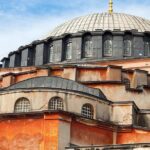
Istanbul’s Byzantine chapter isn’t locked behind glass. It’s still tied to how people worship, how buildings get reused, and how water, walls, and ceremonies shaped daily life. This tour focuses on sites where you can see that transformation in real time—churches that became mosques, imperial buildings turned into museums, and cisterns that quietly keep doing their job.
What I like most is the mix. You’re not only looking at grand churches. You’re also seeing the supporting cast—cisterns and smaller chapels—that made the city function and gave Byzantine life its rhythm.
A few more Istanbul tours and experiences worth a look
Where the Day Starts: Pickup in Fatih and a Full 8 Hours
The tour meets you at the Fatih area, with pickup available from central neighborhoods like Taksim Square, Şişli, Beşiktaş, Sultanahmet, and Fatih. That matters because Byzantine sites aren’t clustered like a single-theme park. You’ll spend the day crossing neighborhoods, so having transportation and public transit tickets handled reduces stress.
It’s an 8-hour format with about 4 hours of guided visiting and walking. That’s enough time to see each place properly, but not enough to treat every stop like a slow museum day. If you like breathing room, you’ll still find moments to linger—especially at Chora Monastery.
Quick note: large bags and luggage aren’t allowed, so travel light. A small backpack is usually the easiest fit for a day that involves stairs and short transfers.
St. Polyeuktos to Pantokrator: Church Ruins and What They Tell You
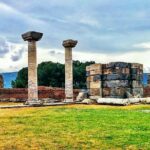
Your day begins with major Byzantine religious sites—some in dramatic ruin form, some still complex and active. St. Polyeuktos Church ruins help you picture early Byzantine splendor even when most of the building is gone. You’re standing in the outline of ambition: the scale, the placement, and the remaining structure all suggest why this area mattered.
Then you move to the Pantokrator complex, where you can see how Byzantine church life worked at a bigger scale. The standout here is that the site is tied to religious art and decoration, including mosaics. Even if you’ve seen mosaics elsewhere, Pantokrator helps you understand what makes Byzantine imagery feel so direct—it’s designed to guide attention, not just to look impressive.
One practical tip: at these sites, you’ll do best if you let the guide orient you first—what part to look for, what materials meant, and how the layout functioned. Otherwise the ruins can feel like random stone piles. With context, they become readable.
Aspar Cistern: Byzantine Water Engineering You Can Actually Appreciate
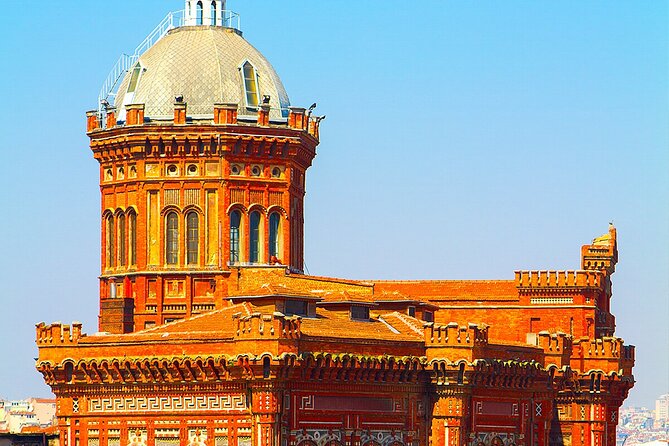
The Aspar Cistern is one of those stops that sounds technical until you’re standing inside. Then you realize it’s architecture doing a job. Cisterns shaped Istanbul as much as domes and mosaics did. Without this kind of water storage, the city couldn’t support its population, rituals, and constant building.
This stop is especially good if you like practical history. You’ll see that Byzantine ingenuity wasn’t only in art. It was also in systems—how they stored water, how they maintained it, and how the city kept running across seasons and shifting needs.
If you’re the type who normally skips “engineering” attractions, don’t. This one is short enough to stay fun, and the setting makes it feel like a time machine.
Pammakristos and the Chapel Stops: When Buildings Change Jobs
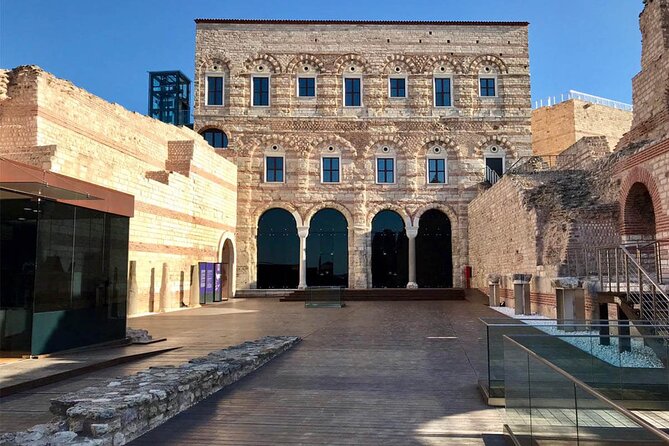
The itinerary includes Pammakristos Church, which is now functioning as a mosque. This kind of reuse is common in Istanbul, but it’s still worth paying attention to. You can often see layers—Byzantine structure and later adaptation—so the building becomes a physical record of centuries of change.
You also stop at the Chapel of St. John the Forerunner and St. Saviour in Chora Monastery. These aren’t just “look and move on” sites. They’re designed to slow your eyes down—on sacred spaces, on how light falls, and on how the art and iconography tell a story.
If you’re sensitive to quiet places, you’ll probably appreciate the tone of these stops. People come here for worship and reflection, not selfie time. Keep your voice low and let the space do its work.
A few more Istanbul tours and experiences worth a look
Chora Monastery (Kariye Camii): The Art Lover’s Priority Stop
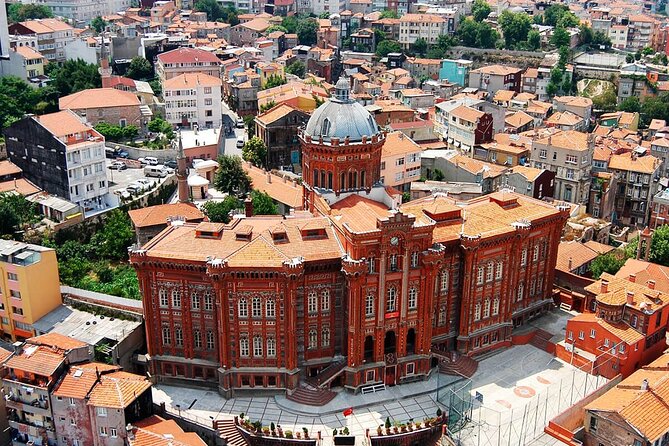
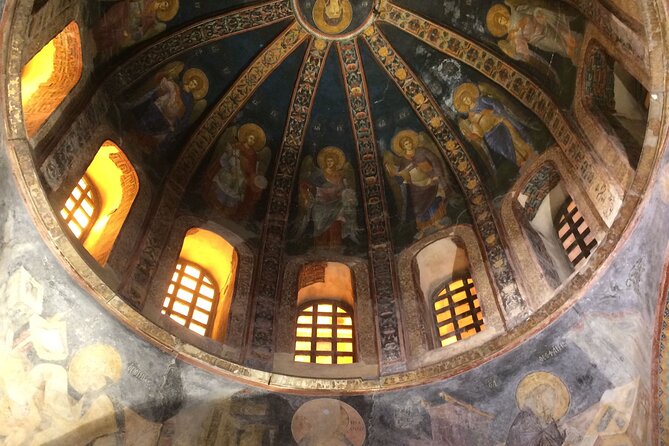
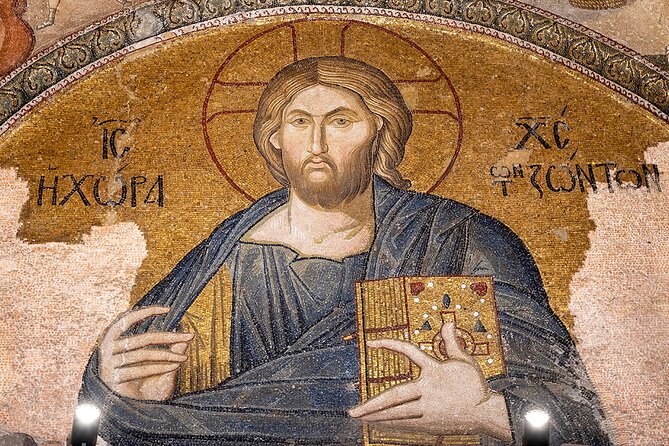
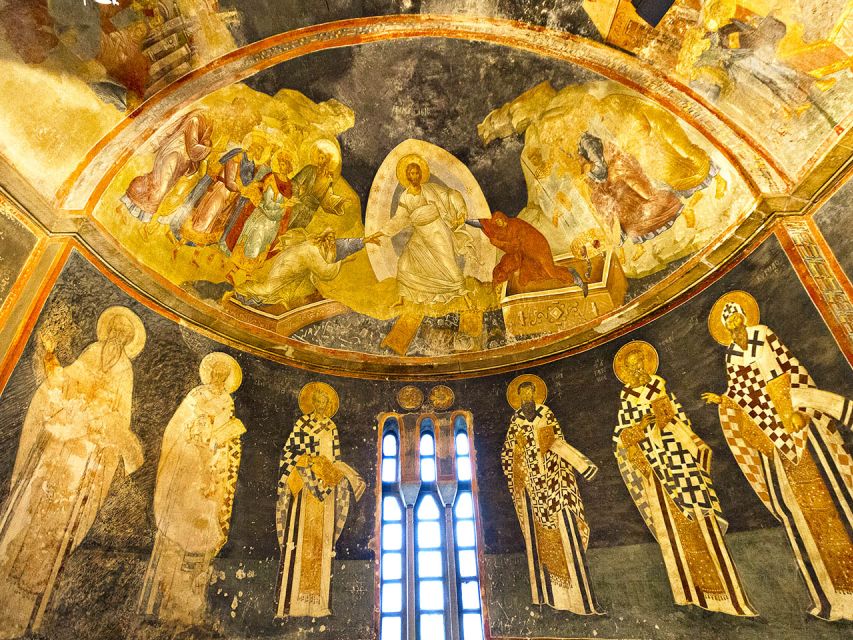
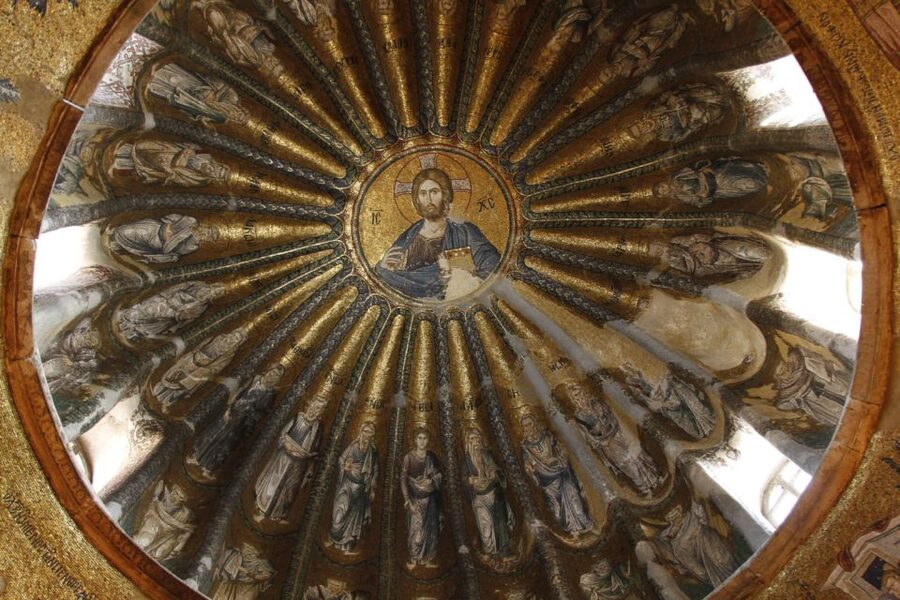
If you do one serious art stop in Istanbul, make it Chora Monastery. This is the site that repeatedly rises to the top: people come for the mosaics and frescoes, then stay longer than planned because the details are that good.
Chora has a way of turning your attention into a guided tour by itself. You’ll see sacred scenes laid out with a logic that feels both theatrical and structured. The mosaics aren’t decorative filler; they’re narrative tools. They help you “read” the holy stories without needing a script.
A key reason this stop lands so well is that the art is often described as freshly presented—there’s been recent refurbishment, and it shows in how the space feels and how clearly you can experience the works. Many visitors point to this as a highlight for any art lover, and it’s easy to see why.
Practical approach: go in ready to look up and look close. If you’re only glancing, you’ll miss what makes Chora special.
Tekfur Palace: The Last Imperial Palace and Real City-Wall Views
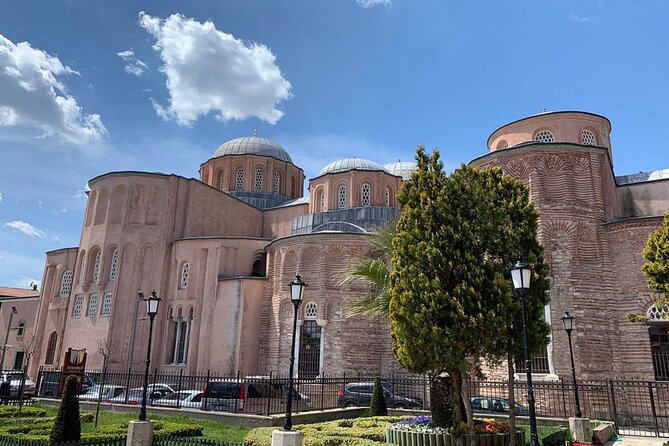
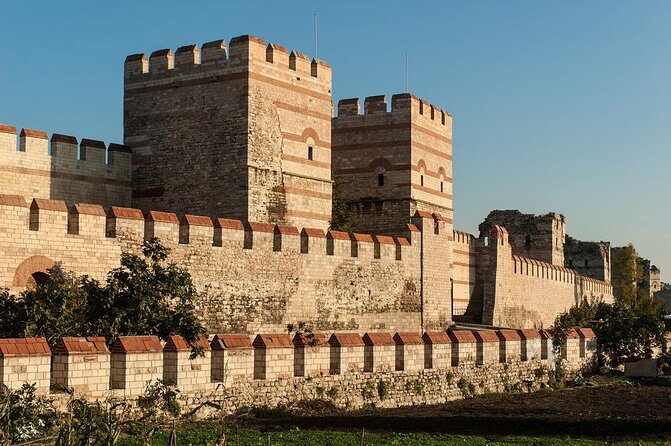
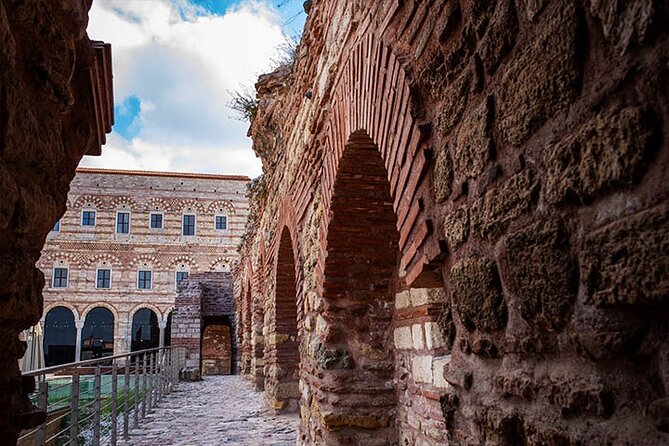
Tekfur Palace is the kind of stop that gives you perspective. It’s described as the only surviving Byzantine imperial palace in Istanbul, and the setting helps you understand why emperors needed this kind of residence.
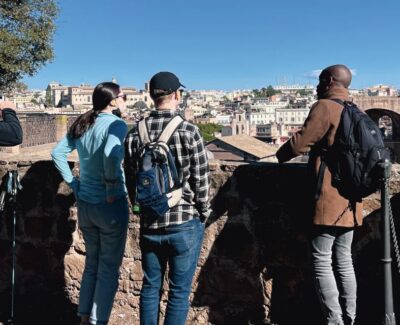
Today it’s presented as a modern interactive museum, which makes it easier to connect the architecture to the story. You can also get strong views of the old city walls and surrounding areas. That matters because walls aren’t just background; they frame why this palace existed and what it protected.
When you’re standing there, you feel the bridge between Byzantine power and later Ottoman-era life. It’s not the same as seeing a palace intact with all its rooms. Still, it’s one of the best ways to connect “history on paper” with space and sightlines.
Lunch in Istanbul: Included Food, Practical Pace
Lunch is included, and that’s a big deal on an 8-hour schedule. You won’t have to hunt for a meal mid-day or negotiate menu decisions while everyone else is waiting.
From what I’ve seen from strong day-tour experiences, lunch is often served on a rooftop-style restaurant setting. That’s more than a nice photo opportunity. A slightly higher, open-air break helps you reset your legs and your head before the last stretch of sights.
Beverages during lunch aren’t included, so if you like tea, coffee, or water with your meal, plan to pay for that on your own. It’s a small detail, but it prevents surprise when you’re tired and hungry.
Price and Value: Is $561 per Person Worth It?
At $561 per person for an 8-hour guided day, this isn’t a budget-only option. The value comes from how much is already handled for you: English guiding, public transportation tickets, entrance fees, lunch, donations to churches, plus transportation to and from your hotel.
So you’re paying not just for the guide, but for the friction removed. When entrances require timing, when sites involve transitions, and when you want to avoid ticket-line delays, this kind of packaged access can be worth it—especially if you’re short on time in Istanbul.
Also, the guides seem to be a major part of the quality. Dogus Cosar and Ludwig stand out in the guide feedback, and that lines up with what you want on a day like this: you need clear explanations so the ruins, chapels, and reused buildings become meaningful rather than just impressive.
If you’re the kind of traveler who enjoys reading on your own and building a route, you might be able to piece together something cheaper. But if you want a guided day that moves smoothly and teaches as you go, this price is easier to justify.
Who Should Book This Tour (and Who Should Think Twice)
This tour works best for you if you:
- Want to focus on Byzantine-era sites in and around Fatih
- Appreciate art that tells stories, especially mosaics and frescoes at Chora
- Prefer a guide who handles entrances and explains what you’re seeing
- Are okay with walking and a long day
You might want to skip it if you:
- Need wheelchair accessibility, since it’s not suitable for wheelchair users
- Can’t do uphill walking stretches
- Travel with bulky luggage that you can’t store for the day
The Bottom Line: Should You Book?
I’d book this if you want a guided, art-and-architecture day without turning it into a scavenger hunt. Chora Monastery is the big draw, but the rest of the stops make it feel like one connected story: sacred spaces, changed buildings, and engineering that kept Istanbul alive.
If you’re traveling with limited time and you want maximum meaning per hour, this tour makes a strong case. Just be honest with yourself about walking comfort, keep your bag small, and bring your best “look closely” mindset for Chora.
FAQ
What sights will I visit on this full-day tour?
You’ll see St. Polyeuktos Church ruins, Pantokrator Church, Aspar Cistern, Pammakristos Church, the Chapel of St. John the Forerunner, St. Saviour in Chora Monastery, Tekfur Palace, and more guided stops tied to Byzantine-era heritage.
How long is the tour?
The duration is 8 hours, with about 4 hours of guided visiting and walking.
Is lunch included?
Yes. Lunch is included in the price, but beverages during lunch are not included.
Does the tour include entrance fees and local transportation?
Yes. Entrance fees are included, and public transportation tickets are included as well.
What’s included with the guide?
You get an English live tour guide. Guiding services, entrances, donations to churches, and transportation to and from your hotel are included.
Is pickup included, and where does it work?
Pickup is included from centrally-located Istanbul hotels within Taksim Square, Şişli, Beşiktaş, Sultanahmet, and Fatih neighborhoods.
Can I bring luggage or large bags?
No. Luggage or large bags are not allowed.
Is the tour wheelchair accessible?
No. The tour is not suitable for wheelchair users.
If a museum is closed, what happens?
In the event of museum closures, an alternative similar museum will be visited.
What is the cancellation policy?
Free cancellation is available up to 24 hours in advance for a full refund.