REVIEW · ISTANBUL
Private Day-Tour of Ancient Battle Fields (Troy & Gallipoli)
Book on Viator →Operated by TRAVELIUM · Bookable on Viator
Myth and WWI collide in one big day. This private tour strings together Troy’s Homer-era ruins and Gallipoli’s First World War ground with an early start, ferry time, and an expert guide to connect the dots. You get the rare combo of Bronze Age strategy and modern memorial silence—both set against the Dardanelles.
I really like the pacing for a day that’s long but not rushed. Hotel pickup and drop-off are included, and you also get skip-the-line access with your guide, so you spend more time looking and listening and less time waiting. In the war-and-myth-heavy parts, guides can make or break the day—names I saw repeatedly include Ali, Cenk, and Sevinc Kalik, and the best moments come when they explain the stakes on both sides.
One thing to plan for: it’s a full 12 hours with a moderate fitness requirement, and not everything has tickets included. Meals and drinks are not included, and museum/site entrance fees aren’t included either—so budget for that before you go.
In This Review
- Key Things You’ll Notice on This Troy and Gallipoli Day
- Price and Value: What You’re Really Paying For
- The 6:30 AM Start: Why an Early Day Makes a Big Difference
- Marmara Sea Drive and the Ferry Crossing: Getting Your Bearings Fast
- Troy: From City Walls to Athena’s Temple to the Trojan Horse
- Temple of Athena and the view that anchors it
- The Trojan horse moment (yes, you can step inside)
- The Behram Stop: Following Aristotle’s Trail
- Gallipoli: The WWI Campaign and Why the Straits Were the Prize
- Anzac Cove and the Battle Details That Make It Personal
- How the Tour Feels in Real Time: Pacing, Walking, and Comfort
- Guides Matter: What to Expect From the Storytelling
- Tickets, Meals, and Small Costs That Can Catch You
- Who This Private Troy and Gallipoli Day Trip Is Best For
- Should You Book This Troy and Gallipoli Tour?
- FAQ
- What time does the tour start?
- How long is the tour?
- Is hotel pickup and drop-off included?
- Is the tour private?
- What language is the guide?
- Are meals included?
- Do I need to pay museum or site entrance fees?
- Is there skip-the-line access?
- What do I need to bring when meeting the guide?
- Can I cancel for a full refund?
- Is the cancellation cut-off based on local time?
Key Things You’ll Notice on This Troy and Gallipoli Day
- A direct myth-to-memorial sequence: Troy’s legends flow into Gallipoli’s real casualties.
- A guide-led story, not just sightseeing with extra context on why the Dardanelles mattered.
- Ferry crossing time across the Dardanelles, so the geography feels real.
- Comfortable small-group feel for a private day, with pickup and drop-off.
- Climb-into-the-Trojan-horse moment that turns a story into an experience.
- WWI emotion built into the route, ending with sunset back toward Istanbul.
Price and Value: What You’re Really Paying For
At $541.85 per person, this isn’t a budget day trip. The value comes from how much ground you cover from Istanbul and how much coordination it takes to do Troy and Gallipoli in the same day.
You’re paying for:
- Private-style logistics: transport from your base in Istanbul and return.
- Guided interpretation: the real cost of a good day like this is the person connecting ancient layers to WWI facts.
- Time savings: skip-the-line access helps at the sites where stopping for tickets can eat your morning.
The trade-off is that you still need to handle the basics yourself. Meals aren’t provided, and site/museum entry fees aren’t included. If you arrive thinking everything is covered, the final accounting can feel annoying—so plan a cash/card buffer for entrances and food.
If you’re a couple or a small group who wants both eras, this can be a smart use of a short stay. If you’d rather keep costs lower, you could split Troy and Gallipoli into separate days and only pay for transport once per theme—but you’d lose this one-day “story arc.”
You can also read our reviews of more tours and experiences in Istanbul.


The 6:30 AM Start: Why an Early Day Makes a Big Difference
The tour starts at 6:30 am. That’s early enough to be a real commitment, but the payoff shows up fast. Driving out along the European shore of the Marmara Sea means you get better light and cooler temperatures, plus calmer streets before the bigger crowds build up.
The day is also structured so you’re not bouncing between landmarks without context. You get an early introduction to the coastline and the general feel of the Dardanelles area before you jump into the myth and then into the battlefields.
Practical note: you’ll want to be ready in the hotel lobby about 15 minutes before pickup. On a day like this, missing the start window can create stress that ruins the whole vibe.
Marmara Sea Drive and the Ferry Crossing: Getting Your Bearings Fast
One of the underrated parts is the “travel” portion. You drive along the European shoreline of the Marmara Sea, passing summer-villa views and getting your first sight of the Gallipoli side of the water. Then you board a ferry across the Dardanelles.
That ferry hop matters because the Dardanelles isn’t just a name—it’s a narrow, internationally significant strait separating European Turkey from Asian Turkey. It connects the Sea of Marmara with the Aegean and Mediterranean, and it’s part of the route toward the Black Sea via the Bosphorus.
So instead of learning the geography from a map at the hotel, you feel it from the water. The tour also notes that during Ottoman times there were castles on both sides of the strait, known together as the Dardanelles. That little detail helps when you later hear why this corridor became such a strategic obsession.
Troy: From City Walls to Athena’s Temple to the Trojan Horse
The Troy portion is the most “myth-forward” segment of the day, and it’s also where you should manage expectations.
Troy is a Bronze Age ruin. You’re not strolling through a preserved palace city. But you’re visiting the kind of archaeological site where the layers are part of the story—walls, terraces, major temple remains, and views that make Homer feel plausible.
Temple of Athena and the view that anchors it
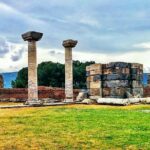
You spend time at the ancient Temple of Athena, built on top of a trachyte crag. When the day is clear, the view stretches toward places named in the tour context: Lesbos to the south, Pergamum to the southeast, and Mount Ida in Phrygia to the east.
You also look north toward the Tuzla River, and the description calls out two massive Hellenic columns marking the gate to the city to the northwest. Those details turn the site from “rocks on a hill” into a real strategic vantage point.


The Trojan horse moment (yes, you can step inside)
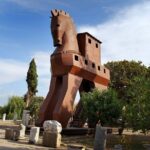
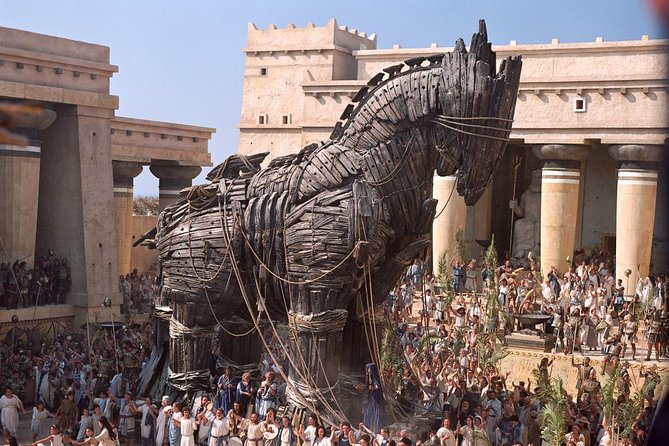
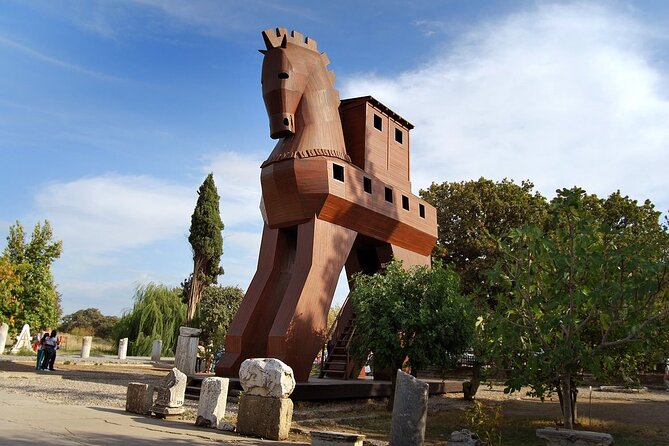
Next comes one of the day’s memorable hands-on stops: a visit to a reconstructed Trojan Horse. The classic story is here—Greeks built the horse after a long siege, hid soldiers inside, sailed away as a trick, then returned at night to open the gates.
The tour also frames why the “Trojan horse” metaphor stuck in everyday language: any strategy that tricks someone into bringing the threat into a protected space. It even references the computer-program version of the phrase, which is a fun modern bridge if your brain likes connecting eras.
If you enjoy story-telling that uses physical action, this is one of the stops you’ll remember long after you’re back in Istanbul.
The Behram Stop: Following Aristotle’s Trail
After the Troy sites, you head toward Behram. The name on the ground here may not be what you know from school, but the tour’s point is clear: this is a place tied to Aristotle’s later life.
The tour description connects Aristotle’s path from the Platonist world: after leaving the Platonic Academy in Athens, he goes to Assos, is welcomed by King Hermias, and opens an Academy there. It also mentions observations on zoology and biology in that setting, plus Aristotle’s later flight after Hermias was executed.
The practical part for you: this isn’t a huge “big ticket” stop like Troy or Gallipoli. It’s more of a thoughtful pause, a chance to slow the pace and focus on how the ancient world moved ideas across cities.
And you’ll see a modern clue that the site still holds meaning: a statue of Aristotle at the town entrance (as described by the tour information).
Gallipoli: The WWI Campaign and Why the Straits Were the Prize
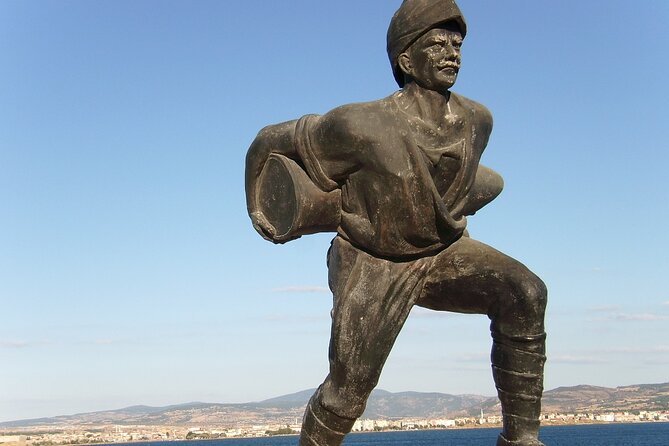
Then the day shifts tone. The Gallipoli segment is where you go from mythic siege to real-world military planning.
The Gallipoli campaign is part of the wider Dardanelles campaign in First World War history, running from 17 February 1915 to 9 January 1916. The tour explains the basic strategic aim: the Entente powers (Britain, France, and Russia) wanted to weaken the Ottoman Empire by taking control of the straits—because the corridor was tied to supply routes toward Russia.
You also hear that an initial attempt on Ottoman forts at the entrance of the Dardanelles in February 1915 failed. Then came the amphibious landing on the Gallipoli peninsula in April 1915, tied to the bigger ambition of targeting Constantinople (Istanbul).
This context is what makes the next stops land with weight. Without it, you might see trenches and memorials as isolated scenes. With it, the route feels like the sequence of a plan going wrong—and a plan becoming a human tragedy.
Anzac Cove and the Battle Details That Make It Personal
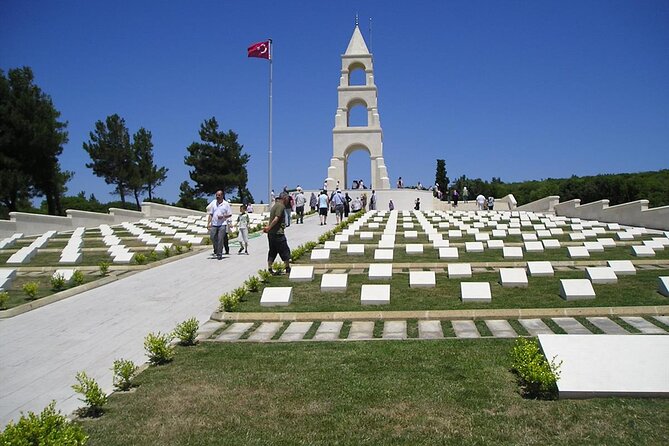
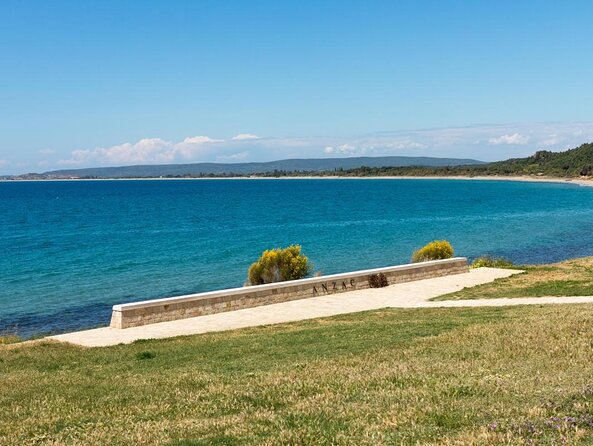
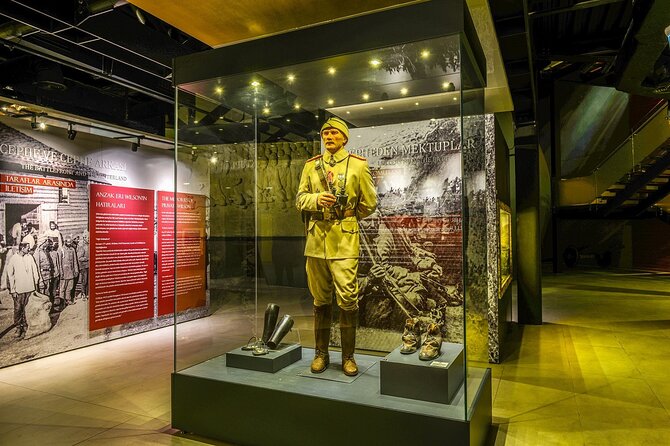
At Anzac Bay Beach (also associated with the landing at Gaba Tepe), the tour focuses on the 25 April 1915 landing. This landing is described as part of the British Empire amphibious invasion phase of the Gallipoli campaign, with assault troops mostly from the Australian and New Zealand Army Corps (ANZAC).
The tour’s specifics help it feel real:
- The troops landed at night on the western (Aegean Sea) side.
- They were put ashore about one mile (1.6 km) north of their intended landing beach.
- Darkness mixed formations, and plans were discarded.
- Companies and battalions were thrown into battle piece-meal, with mixed orders.
Those aren’t trivia. It’s the kind of detail that explains why the fighting became so chaotic—and why casualties were so high.
The tour also points out how the clash involved Ottoman and ANZAC troops, and it uses a phrase some used to describe the conflict: a Gentleman’s War. That contrast is part of the emotional lesson you’re meant to carry as you reach the memorial spaces and cemeteries.
How the Tour Feels in Real Time: Pacing, Walking, and Comfort
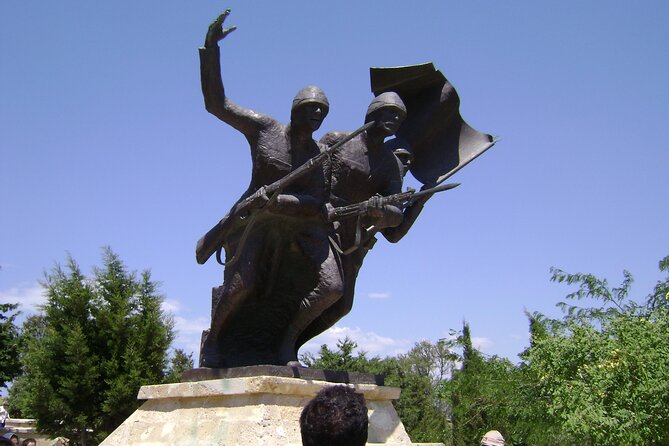
This is an approx. 12-hour day. That means you’re trading a lot of “sit and look” for a lot of “ride and listen.”
The good news: the route is structured so you’re not spending all day in transit. You get dedicated time at each major stop: views at Dardanelles Strait, heritage points on the Troy side, battleground time at Gallipoli, and then a return drive as the sun sets over the Marmara Sea.
The main drawback is physical and mental stamina. The tour notes you should have moderate physical fitness. Even if you can handle it, you’ll likely do uneven walking on ancient terrain and spend time outside in the morning light.
My advice: wear shoes you trust and pack a layer for the early start. Then treat the day like a long museum visit—one big theme, broken into chapters.
Guides Matter: What to Expect From the Storytelling
You’ll have a guide and a driver. The tour information says you’ll get a knowledgeable, professional guide, and the reviews add real evidence about how different guides can change the experience.
Names mentioned include Ali, Cenk, and Sevinc Kalik. The strongest moments tend to happen when the guide explains the political environment and why the battles unfolded the way they did, not just when they point at stones and plaques.
One watch-out: guide English levels can vary, based on how the guide performs and how confident you feel asking questions. If you care about details—dates, command decisions, why a landing failed—tell your guide early. Good guides love a focused listener.
Also, consider tipping. One review specifically advised bringing tip money for both the driver and guide. It’s not listed as included in the tour price details you have here, so handle it like you would with any private guided service.
Tickets, Meals, and Small Costs That Can Catch You
Here’s the part that’s easy to overlook: museum entrance ticket fees are not included. Some stops are listed as admission ticket free (like the Dardanelles Strait and Anzac Bay Beach in the provided stop details), but other key areas are marked not included, including portions connected to Troy and the Gallipoli battle stops.
Meals are also not included, so you’ll want to plan for food during the long day. A couple of reviews mention lunch being part of the day experience, but since meals are not listed as included in the main tour info, treat it as a maybe, not a guarantee. Pack snacks if you’re the type who gets cranky when plans slip.
If you want a smoother day, do two things:
- Bring a card/cash buffer for site entrances.
- Eat something early so you’re not searching for food mid-morning.
Who This Private Troy and Gallipoli Day Trip Is Best For
This is a great fit if you:
- Want one day that covers both mythology and WWI.
- Prefer guided interpretation over wandering alone.
- Like big-picture geography—struts of war, not just famous names.
- Are okay with a long day and moderate walking.
It’s less ideal if you:
- Can’t handle early starts and full-day travel.
- Expect a fully included “everything paid” package.
- Want a low-cost outing where you can ignore tickets and meals.
Should You Book This Troy and Gallipoli Tour?
If your time in Istanbul is tight and you want the strongest contrast Turkey can offer—Homer’s Troy and the human cost of the Dardanelles—this booking makes sense. The combination of sites, the ferry crossing, hotel pickup/drop-off, and skip-the-line guidance are the reasons it works.
I’d book it if you’re traveling with someone who likes both history tracks, not just one. For a single-minded myth-only trip or a strict budget day, it may feel like a heavy, ticket-dependent squeeze.
Final practical call: go in knowing this is a 12-hour, guide-led day with extra entrance and meal costs. If that fits your style, you’ll come away with more than photos—you’ll have a clearer sense of how one stretch of water shaped two very different kinds of battles.
FAQ
What time does the tour start?
The tour starts at 6:30 am.
How long is the tour?
The duration is approximately 12 hours.
Is hotel pickup and drop-off included?
Yes. Transportation from and to your base-location in Istanbul is included, with hotel pick-up and drop-off described in the tour details.
Is the tour private?
It’s listed as a private tour/activity, meaning only your group participates.
What language is the guide?
The tour is offered in English.
Are meals included?
No. Meals and drinks are not included.
Do I need to pay museum or site entrance fees?
Museum entrance ticket fees are not included. Some stops are marked as admission ticket free, but others are not included.
Is there skip-the-line access?
Yes. Skip-the-line access with your guide is included.
What do I need to bring when meeting the guide?
You’ll be asked to present a printed voucher and photo ID when you meet with the guide.
Can I cancel for a full refund?
Yes. Free cancellation is available up to 24 hours in advance of the experience’s start time.
Is the cancellation cut-off based on local time?
Yes. Cut-off times are based on the experience’s local time.