REVIEW · NEW ORLEANS
Jewish History Tour of New Orleans
Book on Viator →Operated by NOLA Tours · Bookable on Viator
Jewish New Orleans hides in plain sight. This walk ties together major landmarks and the people behind them, with the Agam Holocaust Memorial as a standout moment and Jewish threads running through buildings, music, and even pirate stories. What I loved most was the way the guide makes the stops feel connected, and the focus on real local impact, not vague facts. One drawback: it is outdoors and on foot, and there is no air-conditioned vehicle, so heat and weather matter.
You start at PJ’s Coffee on Canal Street at 10:00am and end near St. Louis Cathedral. It’s about 2 hours, all in the French Quarter area, with a small group size (up to 14) and a mobile ticket format that keeps things simple.
In This Review
- Key highlights to look for on this tour
- Why this Jewish history tour feels like New Orleans
- From Woldenberg Riverfront Park to Jackson Square: the story’s opening chapter
- Madame John’s Legacy: a building that hints at big community work
- Royal Street and Pirates Alley: learning to spot Jewish threads in the fun stuff
- Preservation Hall area: how music was protected by Jewish preservationists
- Omni Royal Orleans stop: Judah Benjamin, Confederate politics, and slavery
- Price and logistics: is $40 actually good value?
- Who should book (and who might skip it)
- Should you book this Jewish History Tour of New Orleans?
- FAQ
- How long is the Jewish History Tour of New Orleans?
- What is included in the $40 ticket price?
- How many people are in the group?
- Is there an air-conditioned vehicle on this tour?
- Is there an admission fee at the stops?
- What happens if the weather is bad or I need to cancel?
Key highlights to look for on this tour
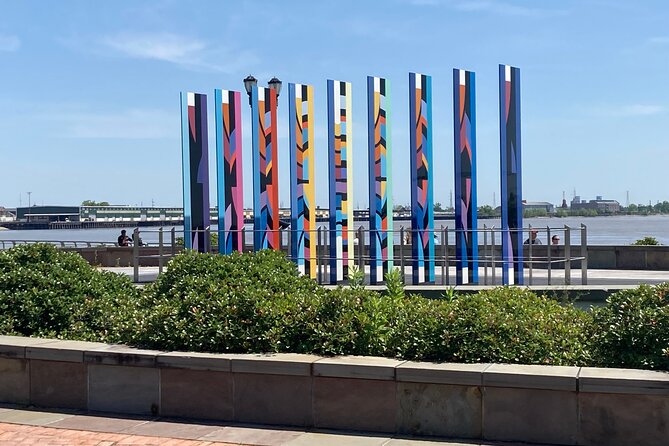
- Agam Holocaust Memorial at Woldenberg Riverfront Park, explained in a way that makes the artwork and message click
- Madame John’s Legacy building, tied to Jewish philanthropy in New Orleans
- Royal Street to Pirates Alley, where the pirate stories include Jewish connections
- Preservation Hall stop, focused on how music was preserved by Jewish preservationists
- Omni Royal Orleans wrap-up, including Judah Benjamin and the reality of slavery before the Civil War
Why this Jewish history tour feels like New Orleans
New Orleans has a talent for hiding big stories in plain sight. This tour is built to help you notice what most people miss: Jewish influence showing up in public memory, community effort, and the city’s famous cultural beats. Instead of lecturing, the guide links each location to the next with a clear narrative flow.
I like that it stays practical. Each stop is short, so you keep moving and the pace stays comfortable. Even better, it’s the kind of route that makes sense even if you are not a “history person,” because the landmarks do most of the heavy lifting for atmosphere.
The small group size matters too. Up to 14 people means you’re not just a face in the crowd. Guides like Janet and Suzanne bring real personality, and you can tell they care about helping you connect the dots without drowning you in dates.
If you want a quick way to get a feeling for the city, this is a strong match. It’s also a smart choice if you are local-ish and think you already know the French Quarter. You can still learn new layers.
You can also read our reviews of more historical tours in New Orleans
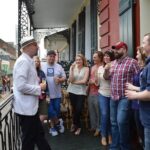


From Woldenberg Riverfront Park to Jackson Square: the story’s opening chapter
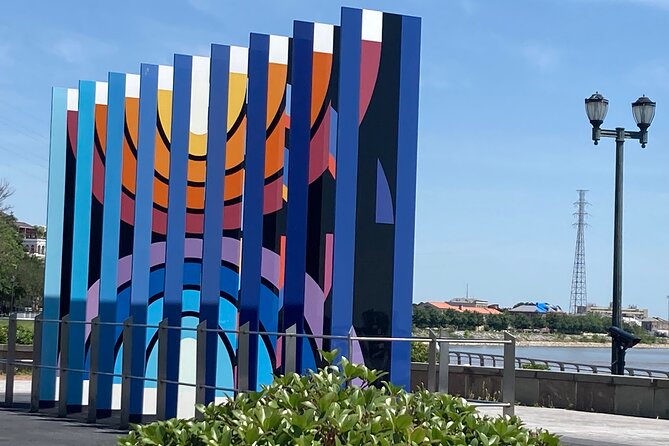
The tour kicks off at Woldenberg Riverfront Park, right along the river. The big draw here is the Holocaust Memorial, specifically the Agam Holocaust Memorial, which you get time to really absorb rather than just pass by. You also catch the Malcolm Woldenburg statue, which helps ground the place in its local identity.
This is a powerful starting point because it sets the emotional tone early. The guide’s job is to show you that the memorial isn’t only a solemn object; it is also part of how New Orleans remembers, educates, and holds meaning in public space.
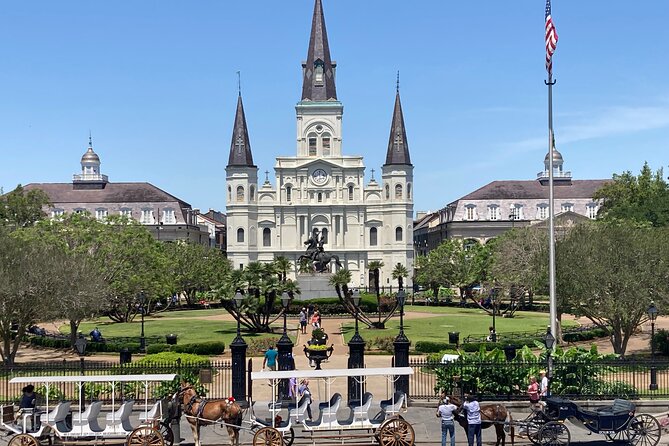
From there, you head toward Jackson Square for an intro to early New Orleans and the threat of an inquisition. This stop gives you a historical frame for why religion, identity, and power were such serious issues. It also helps you understand the tour’s recurring theme: Jewish life in New Orleans wasn’t just cultural—it was shaped by the politics and fears of the time.
Timing is tight but not rushed. You get about 15 minutes here, which is enough for the overview and for the guide to point out what to notice in the square’s setting.
Madame John’s Legacy: a building that hints at big community work
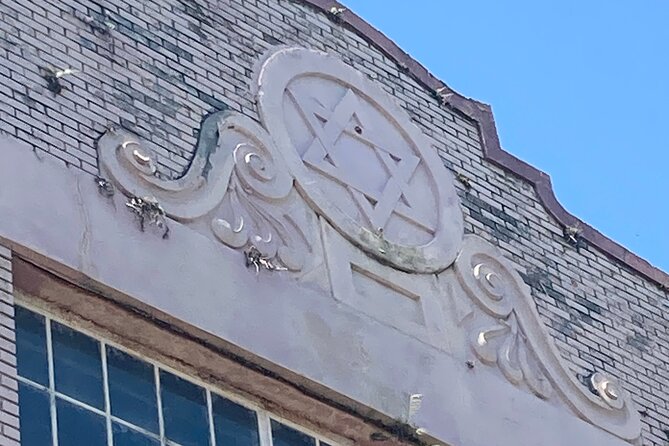
Next comes Madame John’s Legacy, an older building tied to a Jewish philanthropist. This is where the tour shifts from broad context to something more concrete: a specific place connected to individual action.
I like this stop because buildings are visual proof. Even if you do not know the person’s name yet, you can feel the weight of what philanthropy meant in a city where community networks were often how people survived, helped, and built stability.
The guide keeps it focused. Instead of turning it into a long biography, the explanation helps you understand what ownership and giving could look like in New Orleans. You’ll walk away with a clearer sense that Jewish influence wasn’t limited to one neighborhood or one era—it showed up through real-world support.
It’s also a relief that each segment stays short. This stop is around 12 minutes, so you get the key takeaways without feeling like you need to take a semester of notes.
Royal Street and Pirates Alley: learning to spot Jewish threads in the fun stuff
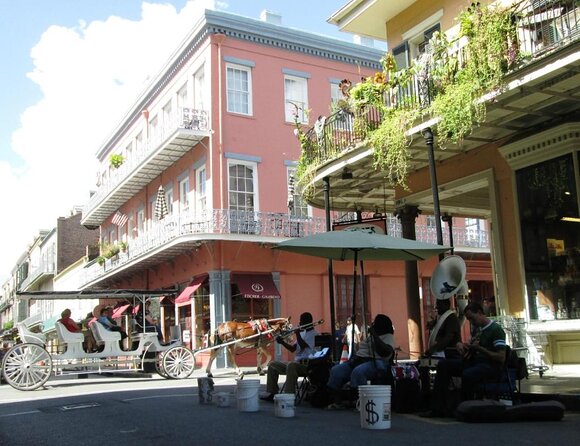
Then you’re on Royal Street, walking from Dumaine toward Pirates Alley. This is the part that feels like sightseeing, but it still carries history. The guide shares stories about New Orleans pirates, including the surprising note that some of them had Jewish ties.
Why is this useful? Because it pushes back on the idea that history is only graveyards and museums. Here, Jewish presence shows up in the city’s legend-making too—how people became characters in the local imagination.
Royal Street itself helps you understand the setting. You see the “real-time” French Quarter, the kind of streetscape where stories attach naturally. The walking distance between stops stays manageable, which matters because you are on your feet the whole time.
This segment runs about 10 minutes, but it works like a storytelling bridge: you’re moving, learning, and not bogged down. For me, that’s the sweet spot of a walking tour—short enough to stay fun, structured enough to be meaningful.
Preservation Hall area: how music was protected by Jewish preservationists
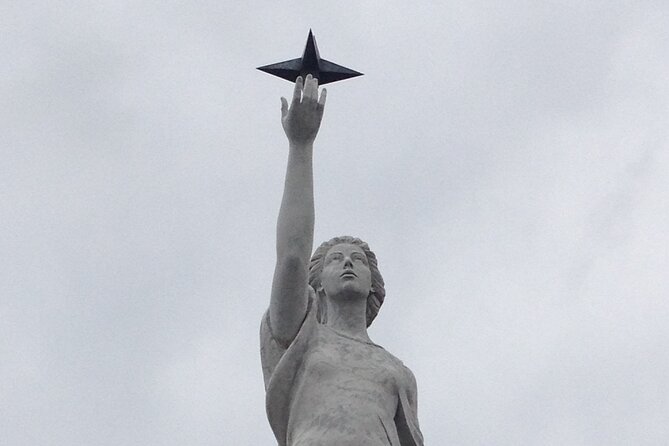
From Royal Street, you transition to the Preservation Hall area, standing in front of the storied Jazz Hall. This is where the tour gets especially memorable if you care about music or just like feeling the city’s rhythm.
The focus here is how music was saved by Jewish preservationists. In other words, it’s not only about talent—it’s about keeping something alive. The guide explains the role of people who made sure a tradition didn’t fade away.
This stop hits differently after the earlier ones. Starting with a memorial and early colonial fear, then moving into a philanthropist’s legacy and pirate lore, then arriving at music preservation gives you a full arc: survival, community, and cultural endurance.
You’re given about 10 minutes here. It’s long enough for the story, short enough that you still feel like you’re out exploring rather than stuck in one spot.






Omni Royal Orleans stop: Judah Benjamin, Confederate politics, and slavery
The last discussion happens at Omni Royal Orleans. This part is heavier and more complex, and the guide does the work of keeping it understandable.
You’ll hear about Judah Benjamin, a U.S. Senator and cabinet member of the Confederate government, and how slavery figured into conditions in the state before the Civil War. This is not a fluffy stop, and it’s not meant to be. It’s a reminder that Jewish history in America includes famous names and difficult chapters, just like every other community history does.
I appreciate when a tour does not avoid the hard parts. If you only tell the uplifting version, you get a distorted picture. This ending ties together the earlier theme—Jewish lives in New Orleans were shaped by larger political forces, not separate from them.
Because the stop is about 15 minutes, you get the essential framing and key context without getting lost in too many side roads.
Price and logistics: is $40 actually good value?
At $40 per person for about 2 hours, this is priced like a thoughtful, guided walk—not a bargain bus tour. The value comes from three things you can feel during the experience:
First, it’s led by a licensed, insured, local guide with extensive area knowledge. That matters because a walking tour lives or dies on interpretation. You’re not just seeing buildings; you’re learning what to look for.
Second, the route is efficient. You hit major landmarks tied to Jewish themes across multiple stops, and most segments are 10–15 minutes. It’s a good length for a morning or early afternoon block, and you’re not stuck for half a day.
Third, admission costs are not the point here. The stop notes show free admission tickets for the locations you visit, so your money goes toward the guide and storytelling rather than entry fees.
One practical consideration: it’s on foot with no air-conditioned vehicle. That’s totally fine in cooler weather, but on a hot day, plan for it. Wear comfortable shoes, bring water, and don’t think you can do this in dress shoes unless you enjoy suffering a little.
The meeting point is PJ’s Coffee at 333 Canal St, and you finish near St. Louis Cathedral at 615 Pere Antoine Alley. Since it’s in the French Quarter area, you can usually build it into your sightseeing without needing separate rides.
Who should book (and who might skip it)
Book this if you want a focused introduction to Jewish New Orleans through real places. It’s especially good if you like walking tours with a clear narrative, and you want to leave with a mental map of how different landmarks connect.
It’s also a smart pick if you are the type who enjoys cultural stops. The Holocaust Memorial discussion and the music preservation story make the tour meaningful even if you only knew a little going in.
Skip it if you dislike outdoor walking. Also skip it if you want a hands-on workshop style experience. This is more about guided storytelling at stops than an interactive activity.
Should you book this Jewish History Tour of New Orleans?
I think this is an easy yes for most people who can walk comfortably for roughly two hours. The combination of the Agam Holocaust Memorial, the architectural stop at Madame John’s Legacy, the Royal Street pirate stories, the Preservation Hall music angle, and the Judah Benjamin closing context gives you a well-rounded picture without turning into a long slog.
If you are in town for a short stay, it’s a great “connect the dots” tour. If you’re local and want something fresh, the guide’s pacing and the strong focus on specific sites can surprise you. Just go in ready to walk and prepared for the weather, since there’s no vehicle comfort blanket.
FAQ
How long is the Jewish History Tour of New Orleans?
The tour lasts about 2 hours.
What is included in the $40 ticket price?
The experience includes a licensed, insured, local guide with extensive knowledge of the area.
How many people are in the group?
The tour has a maximum of 14 travelers.
Is there an air-conditioned vehicle on this tour?
No. An air-conditioned vehicle is not included.
Is there an admission fee at the stops?
The stop information shows admission ticket free for the locations you visit during the tour.
What happens if the weather is bad or I need to cancel?
The tour requires good weather. If it is canceled due to poor weather, you’ll be offered a different date or a full refund. For cancellation, you can cancel up to 24 hours in advance for a full refund.