REVIEW · KOLKATA
British Raj Heritage walk in Kolkata with guide
Book on Viator →Operated by 5 Senses Walks Kolkata · Bookable on Viator
Kolkata’s British-era streets tell a fast story. What I like most is the small-group setup that keeps things personal, and the way the route connects major buildings to how the city was run. You’re also taken care of with snacks, so the tour stays easy on your energy.
The main thing to keep in mind is that this is city walking plus some road-crossing logistics. In one case, the route felt aggressive for the price, and at some stops you may only see key parts from the outside rather than going fully inside.
In This Review
- Key points before you go
- British Raj sights in three hours: what you’ll actually cover
- Writers’ Building: the office block where control happened
- Job Charnock’s mausoleum: the founder thread
- St. John’s Church (1787) and the Last Supper painting
- Raj Bhavan: when the Viceroy lived in plain sight
- Victoria Memorial: your final landmark (and the Monday garden rule)
- Price and what you’re really paying for ($65)
- Guide-led storytelling: where Anirban (and others) shine
- Walking in central Kolkata: comfort, pace, and street reality
- Who this tour suits best (and who might want a different plan)
- Should you book this British Raj Heritage walk?
- FAQ
- How long is the British Raj Heritage walk in Kolkata?
- How much does the tour cost?
- What’s included in the tour price?
- What sites do you visit during the walk?
- Is Victoria Memorial open on Mondays?
- How large is the group?
Key points before you go
- Small group, capped at 15 so you can ask questions and keep your place on the walk
- Snacks included to help you keep pace during the 3-hour route
- Entry fees are part of the deal, with Victoria Memorial included (and its Monday rule)
- A true British Raj focus across writers’ offices, churches, and colonial administration
- Guide-led storytelling that can bring the buildings to life through dates and details
British Raj sights in three hours: what you’ll actually cover
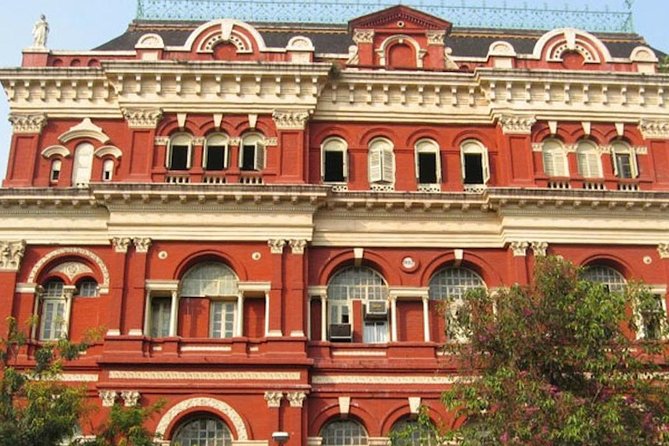
This isn’t a long, slow museum day. It’s a brisk, guided walk through central Kolkata’s most recognizable British-era touchpoints, with just enough time at each stop to get the meaning behind the architecture before you move on.
The biggest value here is how the guide ties the buildings to the way power worked. You get to look at the formal faces of empire—administration, religion, governance—then you learn what those places were for and why they still matter on the city’s map.
And because the group is small, the tour doesn’t feel like you’re being dropped along a checklist. You’ll be able to ask follow-ups, especially on the details that interest you most.
You can also read our reviews of more walking tours in Kolkata


Writers’ Building: the office block where control happened
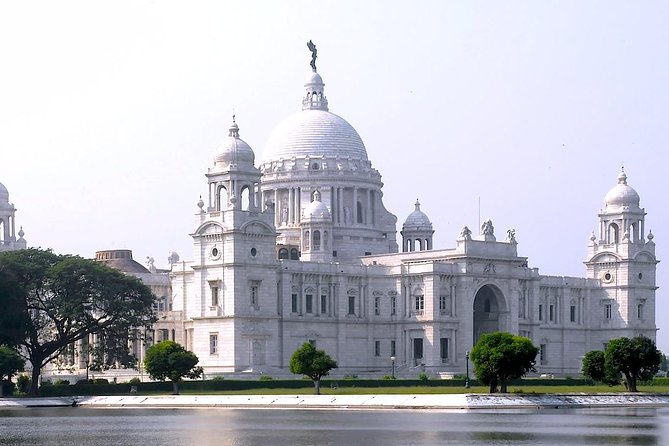
Your walk begins at Writers’ Building in the B.B.D. Bagh area. This site mattered because it was tied to the lower bureaucracy of the East India Company. So instead of only learning about big leaders, you’re looking at how day-to-day administration shaped the city.
You’ll spend about 30 minutes here, which is a good length for an introductory stop. You get context fast, then you’re off again, which helps the whole tour stay focused instead of turning into one long talk.
One practical note: this area is a classic “arrive, look, cross, continue” zone. If you’re the type who hates hurrying, use the first stop to get oriented, then keep your pace steady for the rest of the walk.
Job Charnock’s mausoleum: the founder thread
Next comes Job Charnock’s mausoleum. The story line is direct: he’s described as the founder of modern Kolkata, so this stop works like an origin point before you move deeper into colonial administration and institutions.
Expect another 30-minute stop. This timing is just enough to understand why he matters, without dragging you into a history lecture that runs past the rest of the route.
If you like tours where the guide connects “who” to “what you see,” this one has that habit. You’ll be walking away with a clearer sense of why certain sites sit where they do in the city’s story.
St. John’s Church (1787) and the Last Supper painting
At St. John’s Church, built in 1787 by architect James Agg, the tour shifts from power and founders to faith and art. The highlight here is the “Last Supper” painting on the walls, which gives you something specific to look for instead of just admiring the exterior.
The stop runs about 30 minutes, and that’s ideal for a church visit where you want time to look carefully without losing momentum. Even if you don’t get a long interior experience at every moment, the tour framing makes the stop feel purposeful.
A balanced heads-up: there’s at least one price-related complaint about not getting inside many buildings. So if you’re mainly shopping for full interior access, adjust expectations. What you’ll get reliably is the guided interpretation that makes the exterior features worth your time.
Raj Bhavan: when the Viceroy lived in plain sight
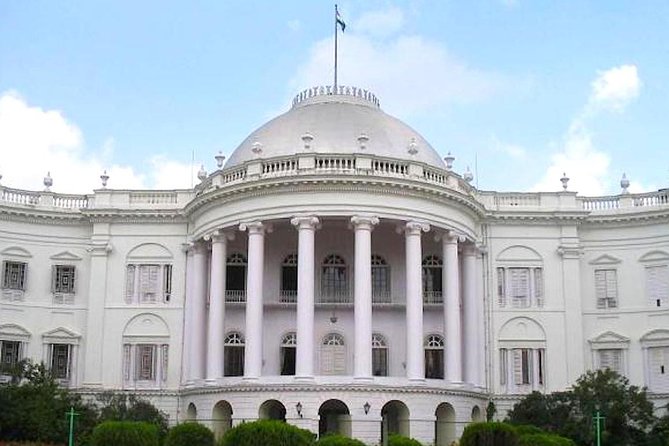
Raj Bhavan is the next stop, tied to the British Crown era. Here, you’re visiting the governor’s house, described as the residence of the Viceroy of India after the British Crown took over from the East India Company.
This is another 30-minute segment, and it works well because it bridges eras. The tour keeps you moving from company rule to Crown rule, so you’re not stuck in one chapter of the story.
If you like noticing how authority is displayed through architecture and placement, you’ll probably enjoy this stop. It’s the kind of place you can look at and think, okay, this is what governance wanted to feel like.

Victoria Memorial: your final landmark (and the Monday garden rule)
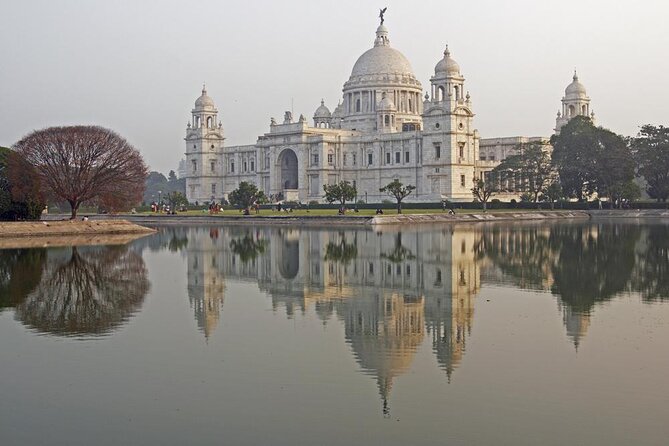
The walk ends at the Victoria Memorial Hall. This is a big finish: it’s described as built by George Curzon, and the setting is meant to land the whole British Raj theme in one iconic place.
The tour includes a final 30-minute wrap-up here. The key detail to plan around is the Monday schedule: on Mondays, the memorial is closed, and the tour visits only the garden.
That Monday rule matters because people often show up expecting the main hall experience. If you’re booking for a Monday, set your expectations around the garden visit, but don’t treat the stop as a consolation prize. It’s still the ending point of the story, and the guide’s framing should help you make sense of it.
Price and what you’re really paying for ($65)

At $65 per person for about 3 hours, this is priced like a guided, convenience-heavy city experience, not a budget free-walk.
Here’s what supports the value:
- Pickup is offered, which reduces friction in a city where meeting points are often the hardest part
- Entry fees are included on the itinerary (Victoria Memorial is explicitly included)
- Snacks are provided, which is more meaningful than it sounds on a walking route
- The group is capped at 15, so you’re not stuck in a crowded herd
Also, the itinerary includes stops where admission is listed as free for some locations, yet the tour still stays packaged around guided access and interpretation. That usually means you’re paying for the person telling you what you’re looking at, plus the smooth routing between multiple sites.
If you’re already comfortable DIY-walking this area and you only care about one or two monuments, you might feel it’s pricey. But if you want a guided thread that connects administration, religion, and governance into one walk, the cost starts to make sense.
Guide-led storytelling: where Anirban (and others) shine
The best part of this kind of walking tour is the guide’s ability to turn buildings into a story you can remember. The standout praise you’ll see again and again is about guides who answer questions well and keep the explanations tied to what you’re seeing.
One guide name that comes up is Anirban. People describe him as friendly and focused on explaining the development of Kolkata under the British Raj up through 1911. That kind of time framing helps you place dates and turning points, so the tour doesn’t just feel like a list of landmarks.
Another guide experience mentioned is a fun, enthusiastic approach. So you’re not just buying facts—you’re buying momentum. That matters because the route is walking-based, and your attention needs a steady rhythm.
Walking in central Kolkata: comfort, pace, and street reality
This is best for active travelers because it’s a walking tour. You’re looking at multiple stops across a central area, and you’ll spend roughly 30 minutes at each location.
The practical consideration is street conditions. One concern raised was about driving and walking routes being chaotic, with walking on fast streets and not enough sidewalk space. I can’t predict how it will feel on your day, but you can plan smarter:
- Wear shoes you trust on uneven pavement and crowded sidewalks
- Stay aware near traffic and be ready for quick direction changes
- Keep your timing flexible at the start, so you don’t rush your crossings
Also, the experience needs good weather. If conditions are poor, it can be rescheduled or refunded, depending on what the operator offers that day. If you’re sensitive to rain, check the forecast the night before and bring a light layer.
Who this tour suits best (and who might want a different plan)
This walk is ideal if you want a concentrated, guide-led British Raj overview without spending your whole day hopping buses.
You’ll likely enjoy it if you:
- Like walking tours with multiple short stops
- Want context for major sights like Victoria Memorial, Writers’ Building, and St. John’s Church
- Enjoy learning the “why” behind buildings, not just taking photos
You might want to rethink if:
- You specifically need lots of inside access at every stop
- You’re uncomfortable with busy streets and prefer tours that stay entirely in calmer pedestrian zones
The route ends at Victoria Memorial near the Maidan, which is a nice way to finish. After the walk, you’re in an area where it’s easy to keep exploring on your own if you want to extend your day.
Should you book this British Raj Heritage walk?
Book it if you want a small-group guided walk that links colonial-era institutions into one story, with snacks and entry fees handled for you. The praise for guides like Anirban (and the way the tour explains development up through 1911) is exactly what you’d hope for when you’re spending money on interpretation, not just sightseeing.
Skip or choose another option if your top priority is deep interior access at every site, or if you know you struggle with hectic street movement. In that case, you might feel the tour is paying for historical storytelling more than for inside-the-building time.
If you book, go in with the right mindset: this is a smart-paced walk through the key physical symbols of the British Raj in Kolkata. And if the streets are loud, that’s part of the deal with this city. The guide’s job is to help you hear the history anyway.
FAQ
How long is the British Raj Heritage walk in Kolkata?
It runs for about 3 hours.
How much does the tour cost?
The price is $65.00 per person.
What’s included in the tour price?
The tour includes entry fees to the attractions on the itinerary, plus snacks. Pickup is also offered.
What sites do you visit during the walk?
You visit Writers’ Building, Job Charnock’s Mausoleum, St. John’s Church, Raj Bhavan, and end at Victoria Memorial Hall.
Is Victoria Memorial open on Mondays?
No. On Mondays, the memorial is closed, and you visit only the garden.
How large is the group?
The tour has a maximum size of 15 travelers.