REVIEW · KOLKATA
Kolkata: Guided Heritage Walking Tour
Book on GetYourGuide →Operated by 5 Senses Tours · Bookable on GetYourGuide
Colonial Kolkata reads better on foot. This guided heritage walking tour stitches together the city’s British-era power centers with street-level stops that make history feel immediate, from Writers’ Building’s old-bureaucracy role to the big sweep of the Victoria Memorial. I also like that the tour doesn’t just point at buildings. It explains why they mattered, including the Colonia-era angles that shaped how Kolkata grew.
My favorite part is the mix of art and atmosphere—especially the Last Supper painting inside St John’s Church, plus the quieter, more reflective mood around the Job Charnock mausoleum. One thing to factor in: it’s an outdoor walk in open spaces, so if you get uncomfortable in heat, plan smart and pace yourself (most stops are also viewed from the outside, since they’re working offices or active sites).
In This Review
- Key things to know before you go
- Kolkata colonial history, explained street by street
- Starting at Writers’ Building: the East India Company office that still works
- Job Charnock’s mausoleum and the founder story that changed
- St John’s Church and the Last Supper painting (plus the Sunday switch)
- Governor’s House (Wellesley, 1815): neoclassical power with Baroque edges
- Victoria Memorial: Victorian marble in a very modern city
- Price and value: does $63 for 2.5–3 hours add up?
- Heat, comfort, and walking logistics in Kolkata
- Who should book, and who should skip
- Should you book Kolkata: Guided Heritage Walking Tour?
- FAQ
- How much does the Kolkata: Guided Heritage Walking Tour cost?
- How long is the tour?
- Where do I meet the guide?
- Where does the walking tour end?
- Is this tour private, shared, or both?
- Is the tour guide available in English?
- Will I see St John’s Church on Sundays?
- Is the Victoria Memorial museum open during the tour?
- Is this tour suitable for people with mobility impairments?
- Can I cancel for free, and can I reserve without paying today?
Key things to know before you go
- St John’s Church Last Supper painting is a standout moment, with a Sunday swap to St Paul’s Cathedral
- Writers’ Building (1777) anchors the route, linking you to East India Company administration
- Job Charnock’s founder story is contested, with a High Court ruling discrediting him in recent times
- Governor’s House (Wellesley, 1815) shows neoclassical design with Baroque overtones, viewed from outside
- Victoria Memorial ends the route, with the museum at the site closed on Fridays
- Small-group options can mean more questions and a smoother pace
Kolkata colonial history, explained street by street
Kolkata can feel like a blur when you’re moving fast between sights. This tour gives it structure. You walk a straight line through the colonial core, and your guide connects the architecture to the real machinery of rule—paperwork, administration, religion, and public spectacle. That makes the whole thing more than a photo walk.
I like that the route is built around three moods. First is the working-government mood at Writers’ Building and the Governor’s House. Then you shift to the solemn religious mood at St John’s Church. Finally, you land in the Victorian mood of the Victoria Memorial, which can feel like you’ve stepped into an older, marble world while the city keeps moving around you.
You should also know the tour is not about entering everything. Some landmarks are active offices, so you’re mostly seeing exteriors. That’s not a deal-breaker—if anything, it helps keep expectations realistic.
You can also read our reviews of more walking tours in Kolkata

Starting at Writers’ Building: the East India Company office that still works
The tour meets outside the entrance of Writers’ Building, which you can reach easily by Uber or local taxi. Once you’re there, the first stop turns into a lesson on how colonial Kolkata ran on bureaucracy.
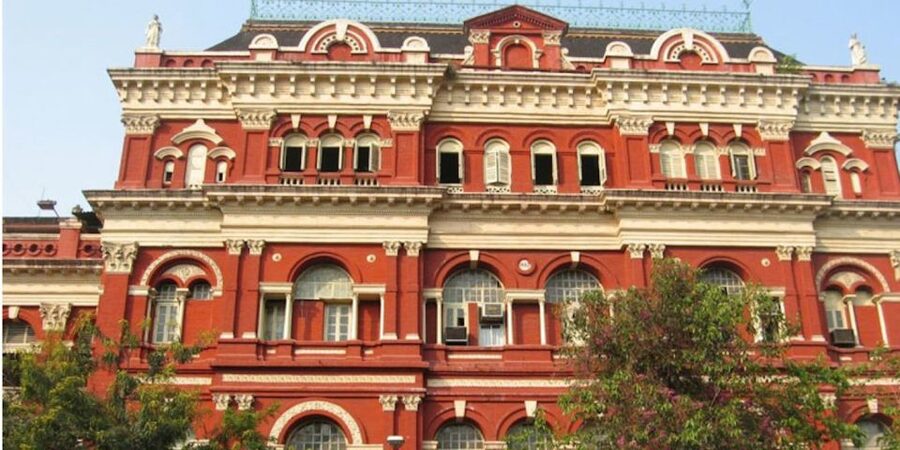
Writers’ Building was built in 1777, and it originally housed the lower bureaucracy of the East India Company. Today it’s the working seat of the West Bengal state government. Your guide keeps the focus on what buildings like this signaled: order, authority, and day-to-day control. You’ll get Greco-Roman style details, but the bigger point is the function—this is architecture designed to run systems.
What you’ll enjoy here
- You start with a place that’s still active, so the story isn’t frozen in time.
- It gives you a backbone for the rest of the route.
Possible drawback
- Because it’s a working office, expect mostly outside viewing. If you’re hoping for lots of interior access, this isn’t built around that.
Tip for your comfort: if you’re sensitive to heat, consider that this first stretch can set the tone for the rest of the walk—bring water and keep a steady pace.
Job Charnock’s mausoleum and the founder story that changed
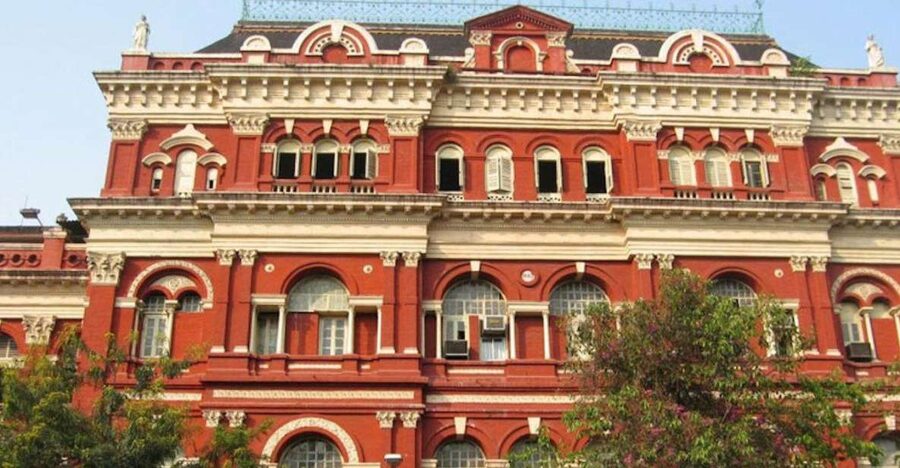
Next comes the Mausoleum of Job Charnock, tied to a key origin tale of colonial Kolkata. In 1690, he bought the villages of Sutanuti, Gobindapur, and Kalikata—then the region gradually transformed into the East India Company’s capital.
Here’s where the tour gets genuinely interesting for modern minds: at this stop, you’ll hear that a High Court ruling has discredited him as the founder of the city in recent times. That matters because it shows history isn’t just carved in stone. It can be reinterpreted when new evidence, legal decisions, or historical analysis reshapes the story.
Your guide’s job is to make that shift understandable without turning it into a messy lecture. You’ll come away with a clearer sense of how cities build legends—and how those legends can be questioned.
Why this stop is worth your time
- It adds nuance to the colonial narrative, instead of repeating the same “one person made it” story.
- It connects origin myths to how Kolkata developed under company rule.
What to watch for
- This is a short stop compared to the big monuments later, so keep your attention on the explanation rather than trying to rush it like a checkpoint.
St John’s Church and the Last Supper painting (plus the Sunday switch)
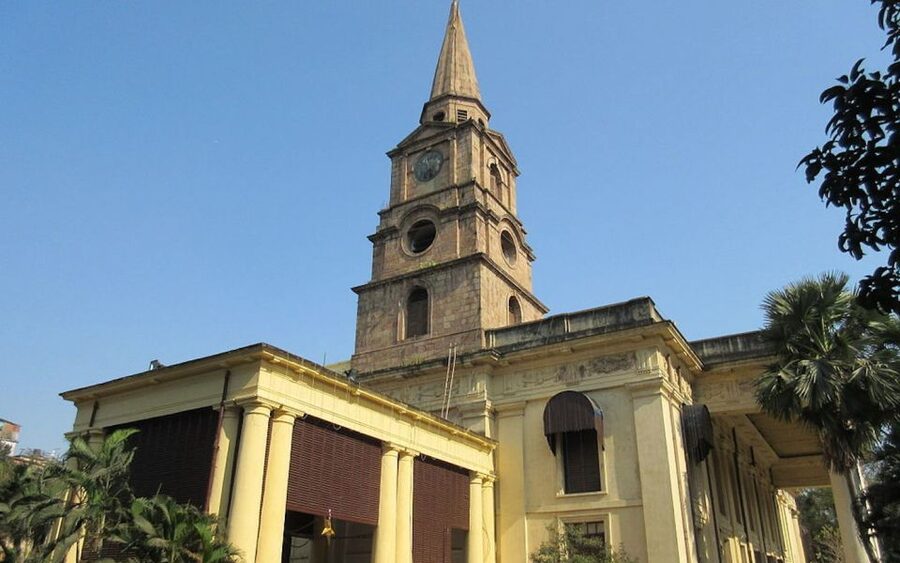
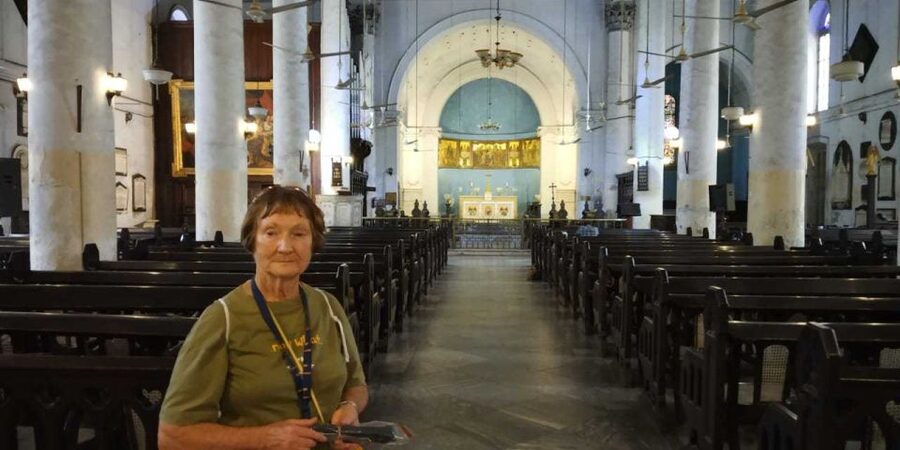
St John’s Church is one of the strongest moments on the route. The stone building dates to 1787 and became the principal cathedral of the region in 1815. The key feature is the painting of the Last Supper on the church walls.
It’s the kind of detail you might miss if you’re passing quickly. With a guide, it lands with context: why this church became important, what “principal cathedral” meant in practice, and how religious art was used to shape community identity during the colonial period.
Important timing note: on Sundays, St John’s Church will be closed. The tour instead will see St Paul’s Cathedral.
What I like about this stop
- It’s a sensory contrast to the earlier administrative sites—slower, more reflective.
- The Last Supper painting gives you something specific to remember, not just an exterior photo.
A practical expectation
- Churches can have their own schedules and visitor flow. If you’re walking on a day with special closures, the Sunday swap is built into the plan, but you still should expect a different feel.
Governor’s House (Wellesley, 1815): neoclassical power with Baroque edges
The next architectural stop is the Governor’s House, built for the Marquess of Wellesley. Wellesley came to Kolkata as Governor General of the East India Company in 1798, and the building reflects the style and political confidence of that era.
You’ll notice the neoclassical design with distinct Baroque overtones. Your guide ties the look to the bigger story: how the Crown gained rule over India during the colonial era. Even if you’re not an architecture nerd, the connection helps. The point isn’t to memorize styles—it’s to see how design communicates authority.
As with Writers’ Building, it’s a working office, so you’ll view it mainly from the outside. That keeps the route moving and keeps expectations aligned with what’s actually possible.
Why it works on this tour
- It adds the “who ruled” layer right after the religious and origin-story stops.
- The style details help you visualize the era’s taste and power posture.
What to keep in mind
- You won’t get a grand interior experience here. If that’s your priority, adjust expectations before you go.
Victoria Memorial: Victorian marble in a very modern city
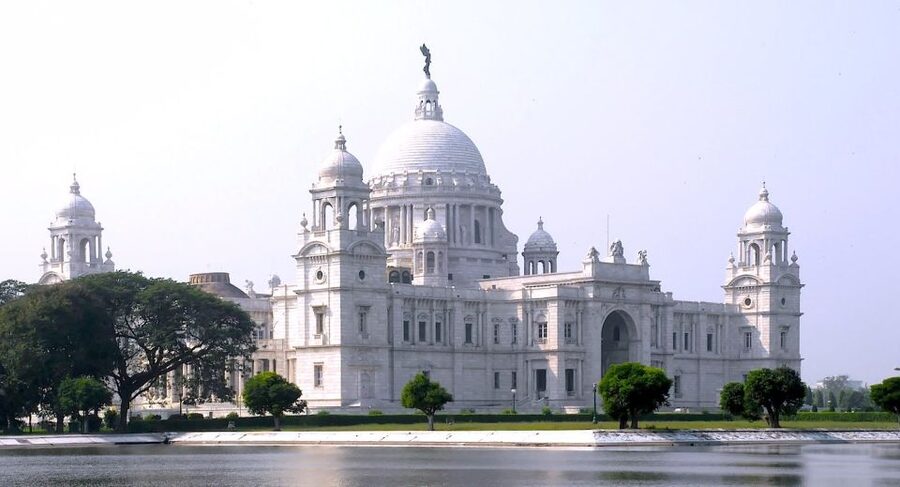
The walk ends at the Victoria Memorial, the biggest visual payoff on the route. It’s an architectural gem built from marble, and your guide’s explanations help you read the building as a statement of the Victorian era—not just a pretty structure.
This is where you feel the contrast most clearly: the memorial’s grand, ceremonial mood sits in the middle of modern Kolkata’s day-to-day energy. You can also take a moment to orient yourself, because after this stop you’re essentially done with the walking portion.
Two practical notes:
- The Victoria Memorial museum will be closed on Fridays.
- The walking tour terminates at Victoria Memorial. If you selected hotel pickup/drop-off, you’ll be dropped at your hotel. If you chose the meeting-point option, the guide can help you find local transport or book a taxi.
What I like here
- It’s a clear finish line. After hours of colonial context, you land in a place built to project imperial identity.
- Even without museum time, the exterior experience is worth it.
A reality check
- If your schedule lands you on a Friday, don’t plan on museum entry as part of the tour experience.
Price and value: does $63 for 2.5–3 hours add up?
At $63 per person for a 2.5–3 hour guided route, you’re paying for three things: a professional guide, entrance fees, and light refreshments. You’re not just buying access to buildings; you’re buying someone to connect them into a coherent story.
Whether it feels like a great deal depends on what you want from Kolkata:
- If you like history that explains how power worked day to day, the guided approach is the value.
- If you only care about quick exterior photos, you might feel the time is long.
Group size can also affect value. Options include private or small groups, and in practice, that usually means more room to ask questions. One guide name that comes up often in this setup is Anirban, and the big takeaway from his style is confidence with colonial-era history and the ability to connect details to the bigger picture.
If you’re deciding between this and a self-guided walk, consider this: without a guide, you’ll still see famous landmarks. With a guide, you’ll understand why those specific buildings formed the colonial backbone of Kolkata.
Heat, comfort, and walking logistics in Kolkata
This is the one part you can’t skip planning for. The route is mostly outdoor, with open stretches between stops. That can make it feel long and uncomfortable on hot days. Even when the guide is excellent, the weather controls your energy.
Here’s how you keep the day pleasant:
- Wear breathable clothes and comfortable shoes. You’re walking enough that shoe choice matters.
- Bring water and a hat if you tend to overheat.
- Plan to start earlier in the day when possible, especially in warmer months.
- If you’re booking a Sunday, be ready for the St John’s Church closure and the St Paul’s Cathedral swap.
Also, it’s not suitable for people with mobility impairments. The tour is walking-focused, and the route ends at Victoria Memorial, so you’ll need flexibility in how you move through the city.
Who should book, and who should skip
This tour is a great fit if you want:
- A structured walk through Kolkata’s colonial landmarks
- Explanations that connect architecture to political and cultural change
- A route that ends at one of the city’s most recognizable sites, Victoria Memorial
You might want to choose a different option if:
- You hate outdoor walking in heat
- You’re expecting lots of interior access at every stop
- Your main goal is museum time on the Victoria Memorial end of the route (especially since the museum is closed on Fridays)
If you’re going with friends, a small-group or private option can keep the pace manageable. If you’re traveling solo, a shared tour can still work well since the route is short and guided the whole way.
Should you book Kolkata: Guided Heritage Walking Tour?
Yes—if you want an organized, story-driven walk through Kolkata’s British-era landmarks and you’re comfortable with an outdoor pace. For me, the best reason to book is the combination: Writers’ Building for administrative context, Job Charnock’s contested founder story, St John’s Church with the Last Supper painting, and then the big Victorian finale at Victoria Memorial.
Skip it if you’re chasing mostly interior access or you know you’ll struggle in heat. In that case, look for a less walking-heavy option or plan a different day.
If you do book, go in with realistic expectations: you’re getting history explained in the open, not a museum marathon. With that mindset, the route has a strong payoff.
FAQ
How much does the Kolkata: Guided Heritage Walking Tour cost?
It costs $63 per person.
How long is the tour?
The tour runs about 2.5 to 3 hours.
Where do I meet the guide?
Meet your guide outside the entrance of Writers Building.
Where does the walking tour end?
The tour terminates at Victoria Memorial. If you chose hotel pickup/drop-off, you’ll be dropped off at your hotel; otherwise you can ask the guide for help finding local transport or booking a taxi.
Is this tour private, shared, or both?
It offers private or small-group options.
Is the tour guide available in English?
Yes, the live tour guide speaks English.
Will I see St John’s Church on Sundays?
No. On Sundays St John’s Church will be closed, and the tour will see St Paul’s Cathedral instead.
Is the Victoria Memorial museum open during the tour?
The museum at Victoria Memorial will be closed on Fridays.
Is this tour suitable for people with mobility impairments?
No, it is not suitable for people with mobility impairments.
Can I cancel for free, and can I reserve without paying today?
You can cancel up to 24 hours in advance for a full refund, and you can reserve now & pay later (book your spot and pay nothing today).