REVIEW · KOLKATA
Raj Heritage Walk
Book on Viator →Operated by Kolkata Story Tours · Bookable on Viator
Colonial Kolkata sounds best on foot. The Raj Heritage Walk cuts through central Kolkata to connect major British-era landmarks with the stories and lingering habits that shaped the city.
I really like the way this tour turns landmarks like the Town Hall and Black Hole monument into a guided narrative, not just a photo stop parade. I also appreciate the practical touches: coffee or tea, bottled water, and a small group size (max 7), which makes it easier to ask questions and keep the pace moving. The only real drawback to plan for is that this walk is timed for an early start, so you’ll want to be ready to rise and walk even if you prefer a slower morning.
In This Review
- Key highlights at a glance
- Walking colonial Kolkata with a “why” behind every facade
- Getting there and where the walk actually starts and ends
- Town Hall: civic power, architectural presence, and the stories around it
- Writer’s Building: the day-to-day side of empire
- High Court: law, legitimacy, and lasting influence
- Black Hole monument: tragedy turned into a place to reflect
- Coffee, tea, and water: small inclusions that make a difference
- Price and what $30 covers in real terms
- Walking comfort tips (so the 3–4 hours feel manageable)
- Who should book this walk
- Should you book Raj Heritage Walk?
- FAQ
- How long is the Raj Heritage Walk?
- How much does it cost?
- Is hotel pickup included?
- What is included in the tour price?
- What is not included?
- How many people are in the group?
- Where do I meet and where does the tour end?
- Can I cancel and get a full refund?
Key highlights at a glance
- Small group (max 7) keeps the pace human and the conversation real
- Early-morning route helps you see major facades when streets feel calmer
- Guide storytelling centered on British rule plus traditions that still show up today
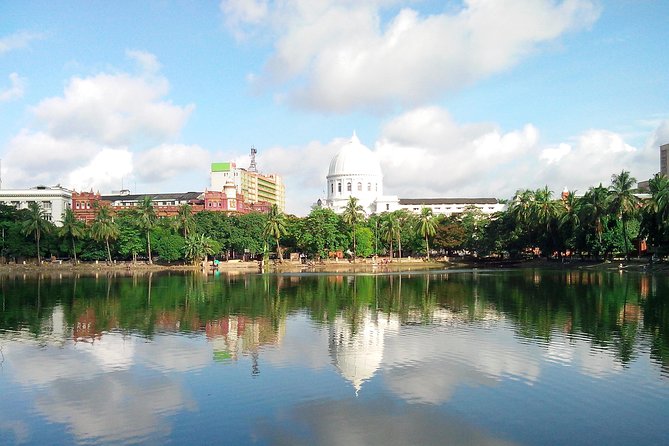
- Major landmarks included like Town Hall, Writer’s Building, High Court, and the Black Hole monument
- Coffee/tea + bottled water are included so you’re not rationing your energy
Walking colonial Kolkata with a “why” behind every facade
Kolkata has a way of showing you layers. This walk helps you read those layers like a map. Instead of treating British-era buildings as scenery, the tour links what you see to the bigger picture: how colonial rule worked here, and how some habits and institutions still leave fingerprints today.
The value is in the structure. You’re not bouncing randomly between sights. You’re moving through a focused central corridor where the architecture and the stories reinforce each other. That’s why it feels more satisfying than trying to piece together the history on your own while dodging traffic and guessing which street connects what.
It also helps that the tour is story-first. The best moment isn’t just a big building in front of you. It’s the context you hear as you approach—especially around places tied to civic life and governance. One name you’ll see in the glowing feedback is Kaushik, praised for making history feel enjoyable instead of heavy. Even if you aren’t paired with the same guide, the overall approach is clearly geared toward talk that explains the city, not lectures that recite facts.
You can also read our reviews of more walking tours in Kolkata


Getting there and where the walk actually starts and ends
The meeting point is 11a, Esplanade East near Tipu Sultan Masjid in the Maidan/Esplanade area. That’s a good setup because it places you close to the most prominent colonial-era-looking central landmarks right away, rather than starting far out and wasting time getting situated.
The walk ends at the General Post Office on Netaji Subhas Rd, Fairley Place, B.B.D. Bagh. Ending at a major landmark is a win. It gives you a clean finish point you can orient from afterward—whether you head to another museum, grab lunch nearby, or just keep wandering on foot.
You’ll also find the start location described as near public transportation. That matters if you’re trying to keep the day smooth without paying for private transit.
Town Hall: civic power, architectural presence, and the stories around it

Town Hall is one of those Kolkata buildings people recognize from across the city. On this walk, it becomes something else: a place tied to public life under British rule.
Expect a close look at the front facade view and hear the story the guide associates with it. The goal here isn’t to memorize dates—it’s to understand why buildings like this mattered. Colonial architecture often signals authority in a very visible way, and the tour uses that visibility to explain how power was presented, organized, and experienced.
One practical thing: facades work best early. If you can catch the light and the streets are still not fully in motion, you’ll get a better visual sense of scale and detail. That’s one reason this walk’s early start shows up again and again in the enthusiastic feedback.
Writer’s Building: the day-to-day side of empire
As you move from one landmark to the next, the tour keeps shifting the focus from what looks impressive to what actually functioned. Writer’s Building is a key stop for that reason. The tour frames it as part of the machinery of administration—British rule expressed through institutions that had to run day after day.
What I like about this stop is that it helps you connect architecture to systems. A building doesn’t just sit there. It suggests roles, routines, and decisions that shaped how Kolkata operated. When your guide links that to the city’s later patterns and the traditions that still persist, the walk starts to feel like it’s teaching you how to think about the city, not just where to stand for a picture.
You’ll also notice the pace stays conversational. With a maximum of 7 travelers, it’s easier to ask for clarification when a story connects to something you’ve seen elsewhere in the city.
High Court: law, legitimacy, and lasting influence
The tour’s stop at the High Court is where the British imprint shifts from civic spectacle to governance and law. This is one of the “you get it later” landmarks. Even if you don’t know much going in, the guide ties the building to the broader theme of colonial authority and how the city’s institutions evolved.
The tour also leans into the idea of continuity. It doesn’t present British rule as something frozen in time. Instead, it explains how certain institutional habits and traditions partially remain. That’s useful because it helps you interpret what you see after the tour as well—especially if you keep walking around central Kolkata and start spotting more government-adjacent buildings.
If you tend to tune out at big-institution stops, this one is worth leaning into. The story approach makes it easier to see why legal buildings would matter to everyday life, not just to officials in suits.
You can also read our reviews of more historical tours in Kolkata
Black Hole monument: tragedy turned into a place to reflect
The Black Hole monument stop is the emotional counterweight to the administrative buildings. The name alone signals that this is a memorial tied to a historical event associated with Kolkata’s colonial era.
On this walk, you don’t just get the site. You get the story and the significance the guide connects to it. That’s important because memorials can feel abstract if you don’t have the context. With the guide’s explanation, the monument becomes a cue to reflect on the darker side of empire—how violence and exploitation were part of the colonial story, not just governance paperwork.
This stop is also a reminder that the walk isn’t only about buildings. It’s about the human impact behind those buildings and why they’re still marked today.
Coffee, tea, and water: small inclusions that make a difference
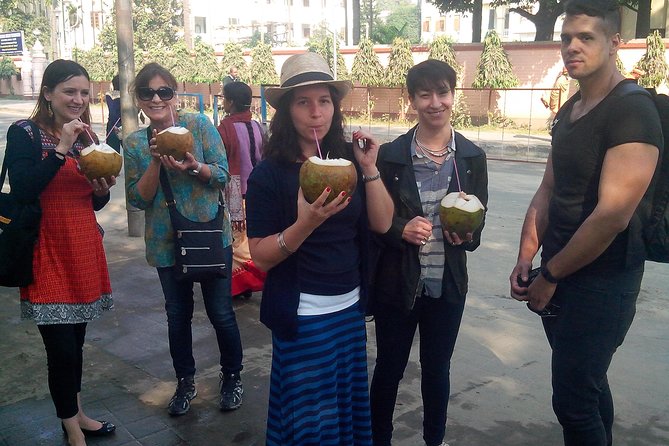
The tour includes coffee and/or tea plus bottled water. That doesn’t sound like a big deal until you’re actually up early and walking for a few hours in central Kolkata. You’re not left hunting for a cafe right at the moment your energy dips.
I like that the tour doesn’t make you trade sightseeing for basic comfort. The drink and water are simple, but they remove friction so you can focus on the route and the stories.
It also helps with pacing. A short break can prevent the walk from turning into a nonstop shuffle, and it keeps the group moving instead of stretching the day.
Price and what $30 covers in real terms
At $30 per person, the Raj Heritage Walk is priced for a solid, guided introduction to colonial Kolkata without feeling like you’re paying for luxury logistics.
Here’s what you’re getting for the money that directly affects value:
- All fees and taxes included
- Coffee and/or tea and bottled water included
- A small group (up to 7), which often means less time stuck waiting for others
- Mobile ticket included
- The tour is designed around multiple key sights instead of a single building plus wandering time
What’s not included matters too. Private transportation is not part of the price, and WiFi on board isn’t offered (not surprising for a walking route). Hotel pickup and drop-off is only mentioned as extra fee, so plan on arriving yourself unless you choose to pay for pickup.
Given those details, the best way to think about the cost is this: you’re paying for guided context and a smart route through major landmarks, plus the basic comfort items that keep the walk enjoyable. For many people, that’s the sweet spot for learning early in a visit.
Walking comfort tips (so the 3–4 hours feel manageable)
The tour runs about 3 to 4 hours. That’s long enough to feel like a real experience, short enough that you can still do something else the same day.
To make it easy:
- Wear comfortable shoes with good grip for walking on streets and curbs.
- Bring a light layer; mornings can feel different from midday.
- Use the included water, and consider taking small sips rather than chugging right before you’re thirsty.
Also, keep in mind that the walk includes city streets. Even if streets near major landmarks look orderly, you’ll still be navigating foot traffic and street crossings.
Who should book this walk
This is a great fit if you:
- Like history stories that explain why buildings matter
- Want an efficient way to see central colonial-era landmarks close together
- Enjoy guided pace over solo wandering and map guesswork
- Prefer a small group where you can ask questions
It’s also a strong choice for your first visit to Kolkata if you want context quickly. The walk starts with familiar iconic places, then builds outward into interpretation—so later, when you’re sightseeing on your own, you’ll have hooks to hang what you notice.
If you only want one or two photo stops with minimal talking, this might feel like too much narrative. But if you’re the type who likes to understand a city’s logic, this tour is made for you.
Should you book Raj Heritage Walk?
I think it’s worth booking if you want a guided reading of Kolkata’s British-era landmarks in a way that feels human and easy. The 5-star rating and the 99% recommendation rate point to consistency in the experience, and the standout praise for guides like Kaushik suggests you’ll get stories you can carry into your next day of exploring.
You might skip it if you’re trying to avoid early mornings or you dislike walking for a few hours on city streets. And if you need private transport as a must-have, you should plan to fund that separately since it isn’t included.
FAQ
How long is the Raj Heritage Walk?
It lasts about 3 to 4 hours.
How much does it cost?
It costs $30.00 per person.
Is hotel pickup included?
Pickup is offered, but hotel pickup and drop-off is listed as an extra fee.
What is included in the tour price?
Coffee and/or tea, bottled water, and all fees and taxes are included.
What is not included?
Private transportation, WiFi on board, and gratuities and personal expenses are not included.
How many people are in the group?
The tour has a maximum of 7 travelers.
Where do I meet and where does the tour end?
You start at 11a, Esplanade East near Tipu Sultan Masjid (Maidan/Esplanade area). The tour ends at the General Post Office area on Netaji Subhas Rd (Fairley Place, B.B.D. Bagh).
Can I cancel and get a full refund?
Yes. You can cancel up to 24 hours in advance for a full refund.