REVIEW · SEOUL
Seoul: UNESCO Heritage Palace, Shrine, and More Tour
Book on GetYourGuide →Operated by I LOVE SEOUL TOUR Co., Ltd. · Bookable on GetYourGuide
A royal day in Seoul beats wandering alone. This tour strings together UNESCO palaces and shrines with photo-friendly hanok neighborhoods, guided in English with enough context to make it all click.
I especially like that you get a clear route (Bukchon Hanok Village → Jongmyo Shrine → Changdeokgung Palace), not a loose pile of stops. And I like the human touch from guides like KyungAh Park (Chloe), who helped with photos and even pointed people toward a hanbok shop. The one thing to consider: the itinerary changes by day, so what you see on your date depends on the palace/shrine schedule.
What makes it feel worth the money is how much is handled for you: a professional guide, van transfer, and entrance fees are included. You also get a structured stop at Cheongha Korea Ginseng, so it’s not just sightseeing—it’s a look at how ginseng is marketed and understood in Korean culture. The possible drawback is timing: the full day option can run long, and the walking at palaces and shrines is on you, not the tour van.
I also appreciate that it runs rain or shine. That said, it’s not suitable for wheelchair users, so plan accordingly if mobility is an issue.
In This Review
- Key highlights you’ll actually feel on the ground
- How the day flows: from Myeongdong to palaces with a plan
- Bukchon Hanok Village—and the Sunday switch to Namsangol Hanok Village
- Jongmyo Royal Shrine: ancestral rites and why it matters
- Changdeokgung Palace gardens: harmonious architecture you can feel
- Cheongha Korea Ginseng museum: culture, health claims, and shopping time
- The full day option: adding Suwon Hwaseong Fortress
- Why the $36 price can make sense (and when it doesn’t)
- Guide quality: why the human factor shows up
- Logistics that can trip you up: weather, walking, and what’s not included
- Should you book? A quick decision guide
- FAQ
- What UNESCO sites are included in this tour?
- How long is the tour?
- Is the tour guide available in English?
- What is included in the tour price?
- Are meals included?
- Where does the tour start and end?
- What happens if I’m traveling on a Sunday?
- What happens if I’m traveling on a Monday?
- What happens if I’m traveling on a Tuesday?
- Is this tour wheelchair accessible?
Key highlights you’ll actually feel on the ground
- Day-specific swaps (Sundays, Mondays, Tuesdays) keep the tour running even when a site is off-limits
- UNESCO Changdeokgung Palace plus Jongmyo Shrine with guided interpretation, not just ticket scanning
- Hanok village time with traditional houses turned into cafés and cultural spots, built for great photos
- Ginseng museum and shopping window that adds a real-world cultural stop to the route
- English-speaking guides known for friendly, photo-helpful service (and serious history talk)
- Myeongdong finish for an easy meal and shopping landing pad afterward
How the day flows: from Myeongdong to palaces with a plan
Most tours start around Myeongdong, with at least one common pick-up option at KOREANA HOTEL near Myeongdong Station Exit 10. Your exact meeting point and time get confirmed by email from the local partner, so check your spam folder or contact them if nothing arrives.
Then it’s straight into the main theme of the day: Seoul’s royal heritage. The routing matters. You’re not just hopping between famous names—you’re moving through spaces that were designed for rule, ritual, and seasonal beauty. The palaces and shrines feel different in purpose, and a good guide helps you notice that fast.
The tour length depends on what you book, and that’s important because it changes how you experience the sites. In the shorter version, you’ll focus on the UNESCO pair and the hanok area. In the full day version, you’ll add Suwon later, after lunch (meal on your own expense).
And yes, the tour runs rain or shine. Seoul weather can change quickly, so dress in layers and keep your day bag light.
You can also read our reviews of more historical tours in Seoul
Bukchon Hanok Village—and the Sunday switch to Namsangol Hanok Village
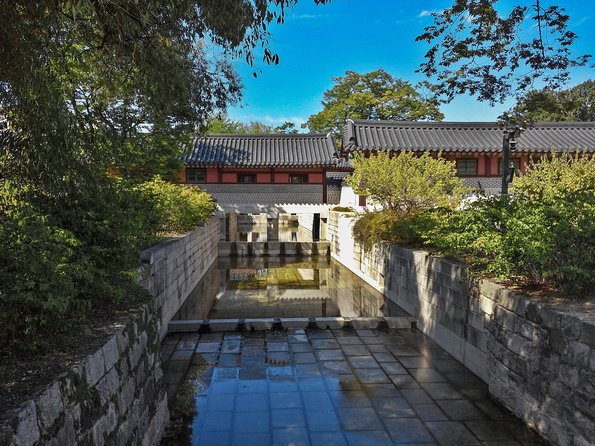
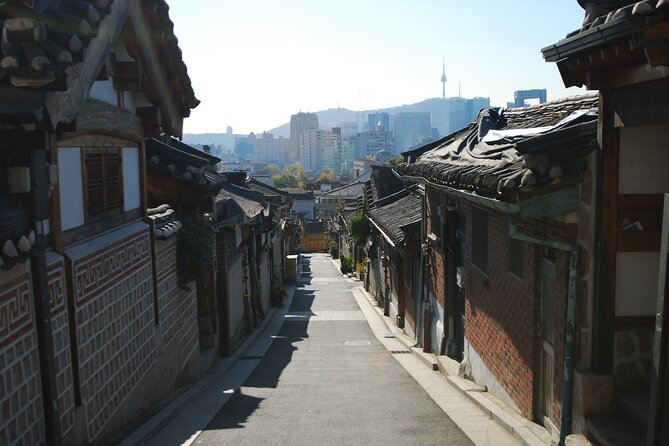
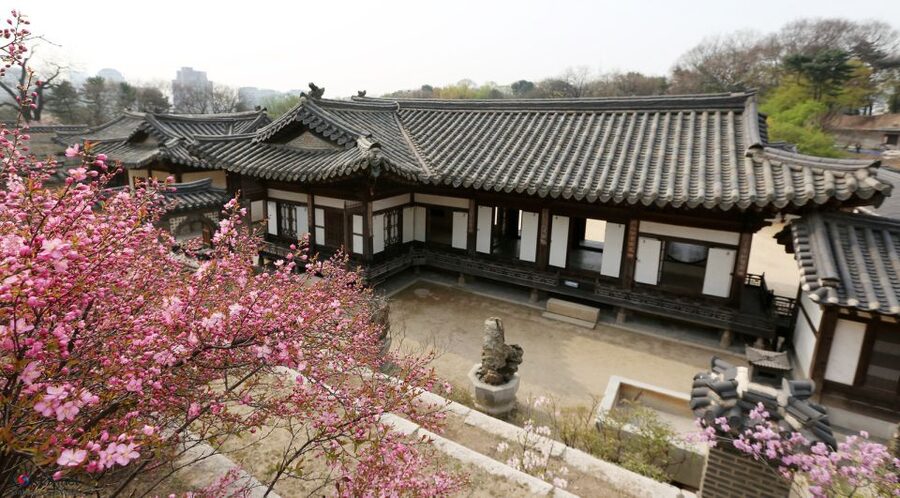
Bukchon Hanok Village is the visual hook for this whole tour. You’ll arrive to find traditional Korean-style houses preserved and reused as cafés and cultural spaces. It’s the kind of place where it feels easier to take photos because the neighborhood itself looks like an open-air museum.
Your guide won’t just point at buildings—they’ll explain how the itinerary connects to the rest of the day’s royal theme. That context helps you see Bukchon as more than pretty streets. It’s part of how everyday Korean life and cultural identity show up alongside royal history.
Here’s the rule you need to know: from November 1, 2024, Bukchon Hanok Village is not open to tourists on Sundays. On those days, the tour replaces it with Namsangol Hanok Village instead. If you’re planning a date-based photo plan, this is the one substitution that can change the vibe a lot—so check your day before you fall in love with one neighborhood in particular.
Jongmyo Royal Shrine: ancestral rites and why it matters
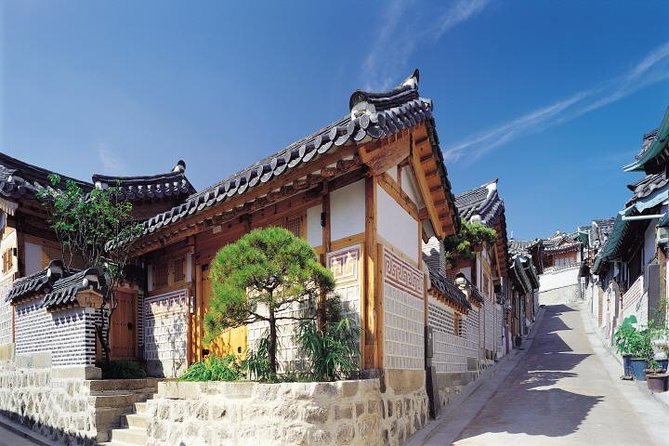
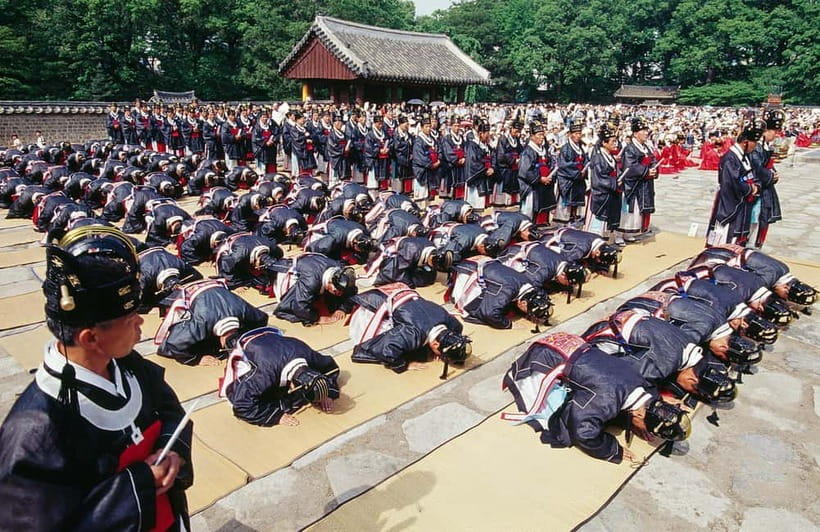
Jongmyo Royal Shrine is built for ritual. You’ll visit this UNESCO site for a guided session, with time to understand the setting before you wander around. The shrine is nearly 600 years old and historically served as the sacred space for royal ancestral rites. Kings visited there to pay respects to past monarchs, which makes the place feel less like a monument and more like a living tradition in the past.
Your guide also helps with the spiritual idea behind the site: ancient spirits are said to reside here. That’s not just trivia—it changes how you interpret the layout and the atmosphere.
One more practical note: Jongmyo sometimes hosts traditional memorial services and musical performances. Even if you don’t catch a program on your day, a good guide can explain what you would look for and why it’s tied to royal remembrance.
There’s also a schedule swap: on Tuesdays, the Jongmyo visit is replaced with Insa-dong Culture Street. Insa-dong has a traditional street feel, so you still get cultural atmosphere, just without the shrine focus.
Changdeokgung Palace gardens: harmonious architecture you can feel
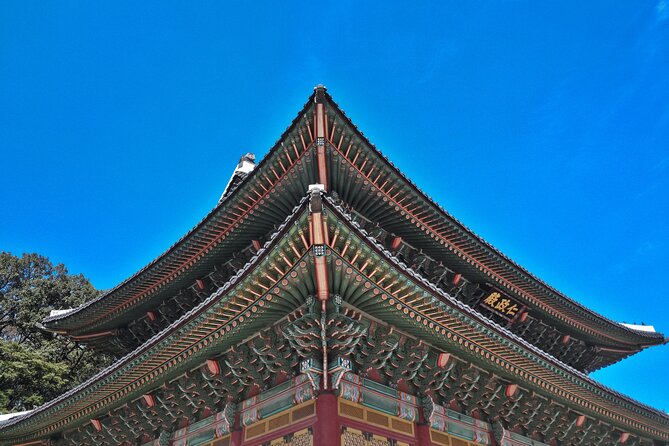
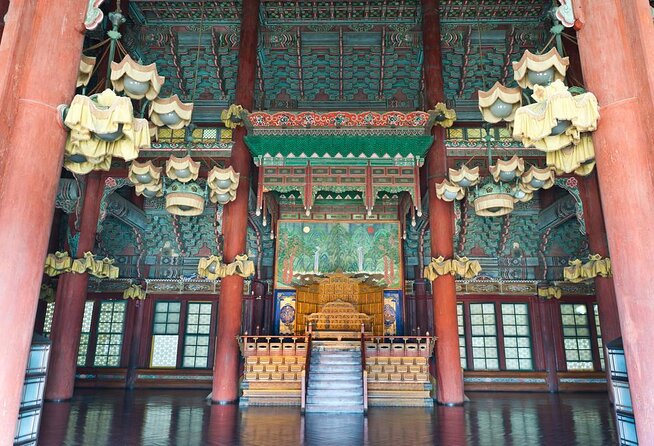
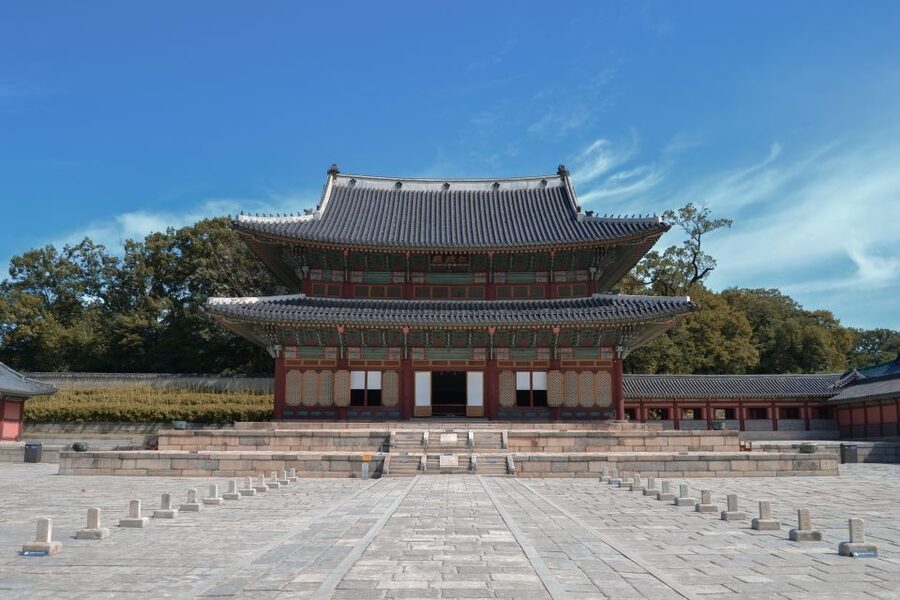
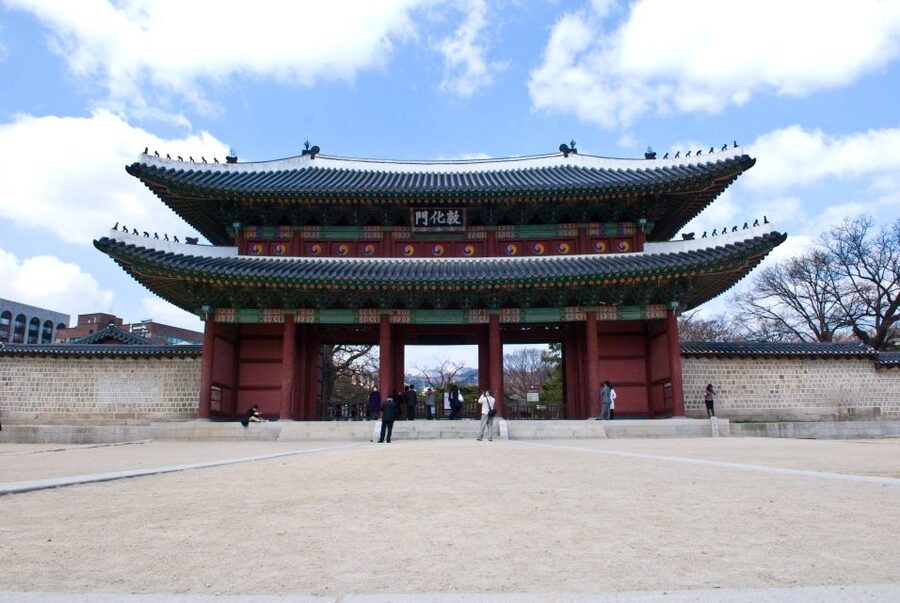
Changdeokgung Palace is the other UNESCO anchor, and it’s the stop that often turns a history tour into a “wow, I get it now” moment. The palace is known for harmonious architecture and beautifully landscaped gardens that reflect traditional Korean aesthetics.
You’ll get a guided visit that puts the palace into the story of royal life: it was a royal residence, and it’s designed around comfort, order, and nature. If you love architecture, this is the one place where the details feel rewarding even if you only have a few hours.
This tour also respects the palace schedule. On Mondays, Changdeokgung Palace is replaced by Gyeongbokgung Palace. That means your day might shift to a different royal compound, but the theme stays the same: palaces, court life, and how space reflects power and philosophy.
If you want the best photos, plan to take your time. The gardens and palace layout reward slower looking, especially when the light is right.
Cheongha Korea Ginseng museum: culture, health claims, and shopping time
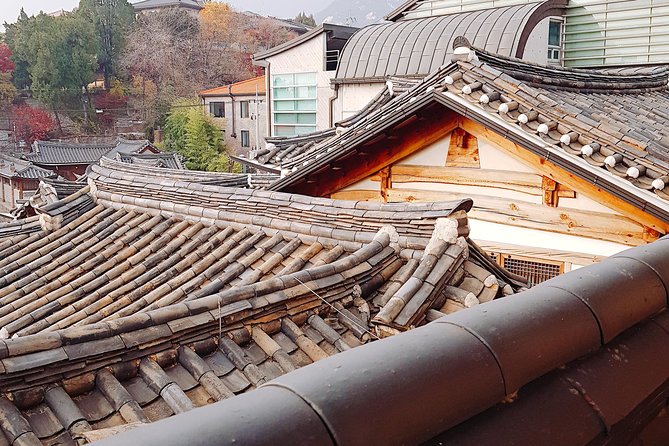
After the main heritage stops, you’ll visit Cheongha Korea Ginseng. This is a shorter guided-and-shopping window (around 30 minutes). It can sound like a detour if you only came for palaces, but there’s a reason it’s part of many Korean tours: ginseng is a major part of East Asian wellness traditions and Korean branding.
The tour explains the background: Korean ginseng’s use in East Asian medicine is documented in a Chinese text (Ji Jiu Zhang) during the Han Dynasty. It’s often described as a panacea and is especially valued for its adaptogenic properties—helping the body resist stress and support overall well-being.
What you should do with this stop:
- Treat it like a mini lesson on how Korea talks about wellness.
- If you’re shopping, consider it part of the cultural experience, not just a purchase opportunity.
- If you’re not into supplements, view it as a quick, guided primer and move on to the next street plan.
If ginseng shopping makes you impatient, you can use the time strategically: ask the guide what’s most popular or what’s best to look for, then decide quickly.

The full day option: adding Suwon Hwaseong Fortress
Some versions of this tour include a longer route. After lunch (meal at your own expense), you’ll head to Suwon in Gyeonggi-do Province. There you’ll visit Suwon Hwaseong Fortress and Hwaseong Haenggung Palace, then return to Seoul afterward.
This is a big value add if you want more than just Seoul neighborhoods. The trade-off is energy. You’ll be out longer, and the day becomes less about slow garden looking and more about efficient sightseeing across multiple royal sites.
If you only have one day and you love history, the full day version can make sense. If your legs and patience are limited, choose the shorter option and protect your time for Myeongdong afterward.
Why the $36 price can make sense (and when it doesn’t)
At $36 per person, the headline value is that the tour bundles several costs and hassles. Entrance fees are included, along with a professional guide and van transfer with a driver. That matters in Seoul because the time cost of getting between sites can be real, especially when you’re juggling palace ticket queues and neighborhood transfers.
You’re also paying for interpretation. The sites are complex, and “standing in front of a building” is not the same as understanding what you’re seeing. Guides like KyungAh Park (Chloe) and Leo are praised for knowing history and explaining it clearly, and for going beyond the script with practical help like photo-taking and assistance locating a hanbok shop.
When might it not be the best value?
- If you already know Korean history and prefer fully independent timing.
- If you strongly dislike shopping stops (the ginseng stop is part of the plan).
- If you need wheelchair-friendly access, since the tour is not suitable for wheelchair users.
Guide quality: why the human factor shows up
This tour’s strongest signal is the guide. The service style is friendly, efficient, and picture-friendly, which matters because palaces and hanok streets are photo magnets.
I’ve seen specific examples of guide help that go beyond a standard talking-head routine:
- KyungAh Park (Chloe) is noted for being kind and helpful, including assisting people with a hanbok shop and taking photos at multiple stops.
- Leo is praised for extensive knowledge and a welcoming approach, plus managing the itinerary so you have enough time at each location.
That kind of guidance can change how your photos turn out and how much you enjoy the stops. More importantly, it keeps the day from feeling like a checklist.
In at least one case, the tour felt close to private because it wasn’t crowded. If your group is small, you’ll likely get more attention and more room to ask questions.
Logistics that can trip you up: weather, walking, and what’s not included
A few practical notes help you plan without stress:
- The tour happens rain or shine, so bring a light rain layer and plan for wet stone.
- The tour is not suitable for wheelchair users.
- Entrance fees, guide, and van transfer are included, but meals aren’t.
- In the full day option, lunch is included only as a break; the lunch itself is at your own expense.
- The tour doesn’t include pickup or hotel drop-off in the way many people expect; instead, you’ll use the designated meeting points and finish in the Myeongdong area.
One more detail: alcohol and drugs are not allowed. That’s standard for a guided tour, but it’s still worth mentioning.
Should you book? A quick decision guide
Book this tour if you want:
- A guided route through Changdeokgung Palace and Jongmyo Shrine with context, not just tickets
- A mix of royal history and traditional neighborhood atmosphere via Bukchon Hanok Village (or Namsangol on Sundays)
- English-speaking guidance and a plan that reduces Seoul navigation headaches
- A history-focused day that still includes a cultural stop like ginseng
Skip it (or choose a different format) if:
- You need wheelchair accessibility
- You’re very strict about avoiding shopping-style stops (the ginseng visit is built in)
- You’re only interested in one palace and would rather schedule everything independently
If you’re choosing between days, remember the rule-of-thumb: Sundays swap Bukchon, Mondays swap the palace, and Tuesdays swap Jongmyo for Insa-dong. Check your calendar first, then book with confidence.
FAQ
What UNESCO sites are included in this tour?
The tour includes guided visits to Changdeokgung Palace and Jongmyo Royal Shrine, both UNESCO World Heritage Sites.
How long is the tour?
It runs 4 to 8 hours, depending on the option you book. Starting times vary, so you’ll want to check availability.
Is the tour guide available in English?
Yes. The tour includes a live English-speaking guide.
What is included in the tour price?
The price includes entrance fees, a professional guide, and van transfer with a driver.
Are meals included?
Meals are not included. The tour provides a lunch break on the full day version, but the meal is at your own expense.
Where does the tour start and end?
Your meeting point varies depending on the option booked. One listed starting option is KOREANA HOTEL, Myeongdong Station Exit 10. The tour ends back at the meeting point, and the drop-off location is listed as Myeongdong.
What happens if I’m traveling on a Sunday?
On Sundays, Bukchon Hanok Village is replaced with Namsangol Hanok Village.
What happens if I’m traveling on a Monday?
On Mondays, Changdeokgung Palace is replaced by Gyeongbokgung Palace.
What happens if I’m traveling on a Tuesday?
On Tuesdays, the Jongmyo Royal Shrine visit is replaced with a tour of Insa-dong Culture Street.
Is this tour wheelchair accessible?
No. It is not suitable for wheelchair users.