REVIEW · SEOUL
Seoul: Korea Dark History Tour at Seodaemun Prison
Book on GetYourGuide →Operated by Mutual Trip · Bookable on GetYourGuide
Seodaemun Prison has a heavy past, and this tour helps you read it in plain sight. You’ll connect Korea’s struggle for independence and democracy to two key landmarks, starting with the Independence Gate symbolism and ending inside the preserved prison space.
I especially like the way the tour turns history into human-scale stories. You’ll hear about Yu Gwan-sun, and the guide uses the buildings and preserved spaces to make the lessons stick, not just facts to memorize.
One drawback to plan for: this is emotionally intense. It’s also not suitable for wheelchair users, and you’ll want comfortable walking shoes because it’s a walking experience.
In This Review
- Key things you’ll notice
- A Somber 2-Hour Walk That Explains Korea’s Fight for Independence
- Dongnimmun Gate: The Quick Setup (About 20 Minutes)
- Independence Gate: Korea’s First Self-Determination Monument
- Seodaemun Prison History Hall: What You’ll Actually See in 100 Minutes
- A realistic expectation for your emotions
- Yu Gwan-sun: The Human Story Behind the Pages
- Your Guide Matters: Storytelling That Includes Q&A
- Price and Value: Is $31 Worth Two Hours?
- Where You Meet and How the Route Flows
- What to Wear, What to Bring, and How to Prepare
- Who This Tour Is Best For
- Should You Book the Seodaemun Prison and Independence Gate Tour?
- FAQ
- How long is the Seoul: Korea Dark History Tour at Seodaemun Prison?
- What is included in the $31 per person price?
- What languages are the tours offered in?
- What’s the group size?
- Where do I meet the guide, and where does the tour end?
- Is transportation to and from the attractions included?
- Is this tour wheelchair accessible?
- Are meals and drinks included?
- What is the cancellation policy?
Key things you’ll notice
- Independence Gate symbolism explained clearly, so you understand what the monument represents before you move on
- Seodaemun Prison History Hall guided visit that translates the layout into real stories
- Yu Gwan-sun’s courage is highlighted as a defining symbol of resistance
- Small-group pacing (up to 10) with time for questions, including strong English explanations
- Expert storytelling led by a guide with years of experience, including Bae Jung-hui in multiple recent bookings
A Somber 2-Hour Walk That Explains Korea’s Fight for Independence
This isn’t a casual photo-stop tour. It’s a focused walking route through Seoul that shows how Korea’s national identity was shaped through resistance, sacrifice, and political change. The rhythm is simple: you start at the gate area, get context fast, then spend the bulk of the time inside the prison history space.
The length is a solid sweet spot—2 hours—because you’re not stuck all day processing difficult material. It also keeps the story tight, moving from symbols of self-determination to the prison reality where independence activists were held.
If you care about modern Korea beyond pop culture and coffee-shop Seoul, this is the kind of tour that adds depth. And if you’re the type who likes to ask questions, the small group size matters. With a maximum of 10 participants, you’re more likely to get answers than to be lost in a crowd.
You can also read our reviews of more historical tours in Seoul

Dongnimmun Gate: The Quick Setup (About 20 Minutes)
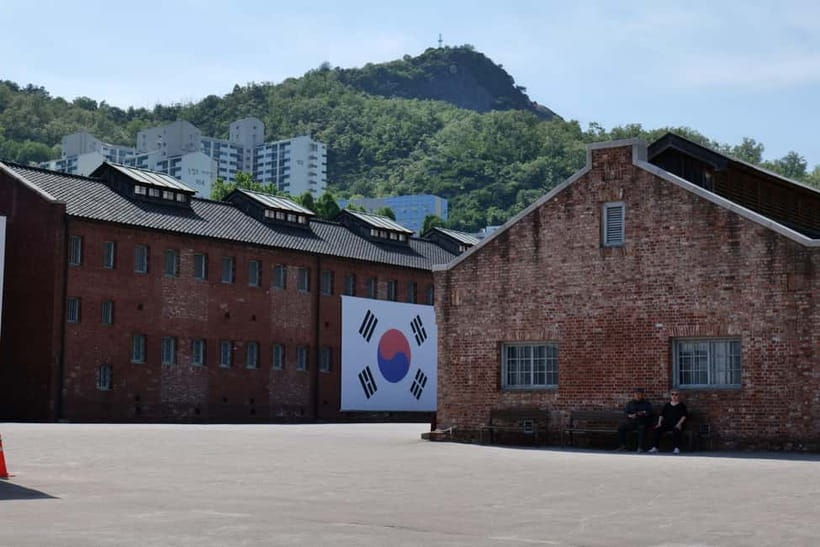
Your route includes a stop at Dongnimmun Gate for about 20 minutes. Think of this as your briefing. The guide’s job here is to get you oriented—what you’re about to see, why it matters, and how the pieces connect.
Even in a short segment, I like tours that don’t waste time with vague background. Instead, you get just enough framing so the later stops don’t feel like separate attractions. For this tour, that framing is tightly linked to Korea’s push toward independence and democracy.
Practical note: this isn’t the moment to rush for photos. You’ll get more value by listening for the symbolism and context the guide points out, because those clues pay off later.
Independence Gate: Korea’s First Self-Determination Monument
Next comes Independence Gate, described as Korea’s first monument tied to self-determination. This is one of the tour’s most important stops because the symbolism is what makes the prison section more than just a grim building.
The guide walks you through what the monument represents, then connects that meaning to the wider fight for freedom. This works especially well if you’ve ever wondered how a country’s modern identity is built—not from a single moment, but from pressure, organizing, and painful tradeoffs.
Also, there’s a human layer to the symbolism. The tour doesn’t treat it like a statue on a square. It links the broader national story to individual courage. That’s where the tour’s tone changes from background history to lived sacrifice.
Seodaemun Prison History Hall: What You’ll Actually See in 100 Minutes
The biggest chunk of the tour happens at Seodaemun Prison History Hall, with a guided visit of about 100 minutes. This is the core of the experience: you walk through preserved spaces and learn how the prison functioned as part of the oppression faced by independence activists.
Because the tour is guided, you’re not left to interpret the site alone. The guide uses architecture and personal stories to explain what you’re looking at. That matters a lot at Seodaemun, because the building itself can feel confusing without context. With a storyteller doing the linking, you understand what each space meant in practice.
The subject matter is dark. That’s not marketing fluff; it’s the reality of what happened here. The tour prepares you for this too, so you can decide what you’re comfortable with before you start.
A realistic expectation for your emotions
You may find yourself slowing down or needing a minute to process. That’s normal here. If you know you get overwhelmed easily, plan a calmer day before and after. Consider bringing water for after the tour, since meals and drinks aren’t included.


Yu Gwan-sun: The Human Story Behind the Pages
A highlight built into the route is the story of Yu Gwan-sun, described as a 17-year-old student who became a national symbol of courage. The tour doesn’t present her as a distant figure in a textbook. It frames her as part of the resistance story—young, targeted, and powerful in symbolic terms.
What I like about using a person like this is that it prevents the experience from turning into a list of dates and political terms. Instead, you get a face for the struggle. When you later look at preserved spaces in Seodaemun, you can connect them to the kind of people who were caught in that system.
Even if you already know some Korean independence history, hearing this story in the context of Seodaemun changes the impact. The prison becomes less abstract, and the national narrative becomes more concrete.
Your Guide Matters: Storytelling That Includes Q&A
This tour is led by a live local guide, and the experience leans heavily on storytelling. Recent bookings praise guides for being both skilled at explaining details and responsive in conversation. One example that shows up is Bae Jung-hui, praised for making the group feel welcomed right away and for being careful about helping people understand the prison history.
What you should expect from the guide style:
- clear, step-by-step explanation tied to the site you’re standing in
- time to answer questions, not just a one-way lecture
- a narrative structure that keeps the facts from feeling disconnected
You also get language options. Tours run in English and Japanese (optional). If you’re not fluent in Japanese, English is the main track; if you can follow some Japanese, the optional element can be a helpful bonus.
The fact that the guide is local and experienced is part of the value here. This isn’t just translation. It’s interpretation—making sure you understand why each piece matters.
Price and Value: Is $31 Worth Two Hours?
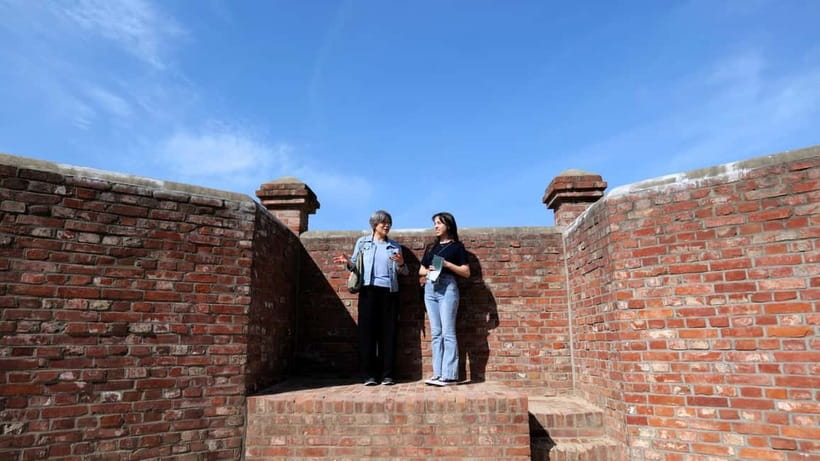
At $31 per person for a roughly 2-hour tour, this sits in the budget-friendly zone for guided tours in Seoul. Here’s why I think it’s reasonable value.
You’re paying for:
- a guided experience led by a live storyteller
- admission to Seodaemun Prison (so you’re not piecing together tickets)
- a route that includes both the gate symbolism and the prison history space
Also, the small group cap (10 people) supports the price. In a group this size, you typically get better attention than in huge bus-style tours. That matters when the subject is serious and you’ll want clarification.
The one cost to mentally plan for is what’s not included: meals, drinks, and transportation. In other words, you’ll pay for your own day logistics, but the tour itself covers the main access and guided content.
Where You Meet and How the Route Flows
Meeting points can vary depending on the option you book. Two location options are listed: 102-55 and 102-6. Your itinerary starts at one of these, then moves through the stops.
The route flow is simple:
- start at your option
- Dongnimmun Gate guided segment
- Seodaemun Prison History Hall guided segment
- finish at 102-6
That last detail is practical. If you’re trying to plan dinner afterward, finishing at a known location makes the end of the tour feel less chaotic.
One more practical heads-up: meeting point details can shift with the option you choose, so check your booking confirmation closely so you show up at the right starting spot.
What to Wear, What to Bring, and How to Prepare
This tour is on foot, so I’d treat it like a “comfortable walking required” outing. Wear shoes you can stand and walk in for the full route. Comfortable walking shoes aren’t optional here.
Beyond that, prepare for the tone:
- emotionally intense subject matter
- a preserved prison site that asks you to reflect
- a focus on resistance, democracy, and sacrifice
If it’s rainy or cold, bring a layer. One recent booking even mentioned a UV umbrella being shared during bad weather, which is a good reminder that Seoul conditions can swing fast.
Also note what’s not allowed: alcohol and drugs aren’t permitted. This keeps the environment respectful and safe.
Who This Tour Is Best For
This is a strong match if you:
- want modern Korea history, not just palace-and-temple tourism
- like guided context that helps you interpret historic sites
- can handle serious topics and prefer understanding over quick sightseeing
It’s also a good choice for groups who travel together, including parents and teens, as long as everyone is comfortable with the intensity. The structure helps: a short setup at the gates, then the main prison segment, then you’re done.
Where you might hesitate:
- if you need wheelchair accessibility, this tour isn’t suitable
- if you’re trying to keep the day light emotionally, this might be too heavy
Should You Book the Seodaemun Prison and Independence Gate Tour?
If you want one tour that gives you both symbolism and reality—independence ideals plus the prison experience—this is a great pick. The combination of Independence Gate context and Seodaemun Prison History Hall guided explanation makes the story feel whole instead of chopped into separate stops.
I’d book it if you’ll listen to the guide and are ready for a respectful, serious atmosphere. Skip it if you’re looking for something upbeat, or if mobility needs make walking a problem.
If you decide to go, do yourself a favor: wear good shoes, bring patience for an emotionally heavy subject, and arrive ready to ask questions. This tour is built for exactly that.
FAQ
How long is the Seoul: Korea Dark History Tour at Seodaemun Prison?
The tour lasts about 2 hours.
What is included in the $31 per person price?
The price includes a guided tour and admission to Seodaemun Prison.
What languages are the tours offered in?
The guide provides the tour in Japanese and English (Japanese can be optional).
What’s the group size?
The tour is a small group limited to 10 participants.
Where do I meet the guide, and where does the tour end?
Meeting points can vary based on the option you book, with two options listed: 102-55 or 102-6. The tour finishes at 102-6.
Is transportation to and from the attractions included?
No. Transportation is not included.
Is this tour wheelchair accessible?
No, it is not suitable for wheelchair users.
Are meals and drinks included?
No. Meals and drinks are not included.
What is the cancellation policy?
You can cancel up to 24 hours in advance for a full refund.