REVIEW · WARSAW
Skip-the-Line Polin Museum Warsaw Jewish History Tour
Book on GetYourGuide →Operated by Rosotravel Poland · Bookable on GetYourGuide
History walks with you in Warsaw. This private POLIN Museum and Warsaw Ghetto experience pairs skip-the-line entry with expert commentary in your language, then (if you choose the longer option) connects the museum story to real, specific memorial sites.
Two things I especially like are the way the tour organizes Polish-Jewish history across more than 1,000 years and the fact that you’re guided by a licensed professional who speaks the language you choose when booking. Second, the 4-hour option adds a focused walking route through the former ghetto area, so you’re not just reading labels.
The one drawback is scheduling: on the 2-hour option, you won’t visit the Warsaw Ghetto walking route, so you’ll want the 4-hour version if that part is central to your trip.
In This Review
- Key things to know before you go
- Entering POLIN Museum: why this museum tour works
- What POLIN covers: from early settlements to World War II
- Skip-the-line tickets: saving time without cutting corners
- Choosing 2 hours vs 4 hours: what you gain (and what you won’t)
- The 4-hour ghetto walk: memorials that put the story on the sidewalk
- Your guide and language: why it changes everything
- How much you’re paying for value at $152 per person
- Where this tour fits best in your Warsaw plan
- Practical notes: how to make it smoother
- Should you book the POLIN Museum and Warsaw Ghetto skip-the-line tour?
- FAQ
- How long is the POLIN Museum and Warsaw Ghetto tour?
- What is the difference between the 2-hour and 4-hour options?
- Where do I meet the guide?
- What does skip-the-line mean here?
- What languages are available for the live guide?
- Is the tour wheelchair accessible?
Key things to know before you go

- Skip-the-line to the POLIN ticket office (not the entrance and security checks)
- A 5-star licensed guide in your chosen language, from English to Polish and more
- POLIN’s long arc of history, from early settlements to World War II
- A true ghetto-area walk only on the 4-hour tour
- Memorial stops you can actually find, including Ulica Miła 18 and Umschlagplatz
Entering POLIN Museum: why this museum tour works

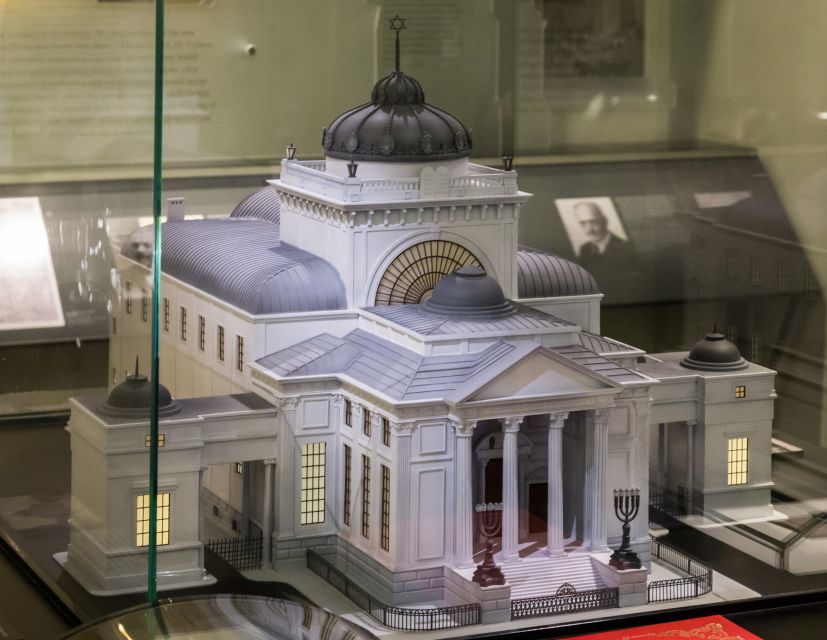
The POLIN Museum of the History of Polish Jews is one of Warsaw’s most important cultural stops, and it’s not just because the subject matters. It’s because the museum tells a long story in a way that makes it easier to understand what changed, what endured, and what was taken away.
On this private tour, you’re not doing it at museum speed. You’re with a licensed guide who shapes the narrative for you—starting with the earliest Jewish presence in Polish lands and building toward the horrors of the 20th century. That structure matters. Without it, you can leave a museum feeling like you saw a lot of rooms, but you’re still not sure how the pieces connect. With a guide, the connections get spelled out.
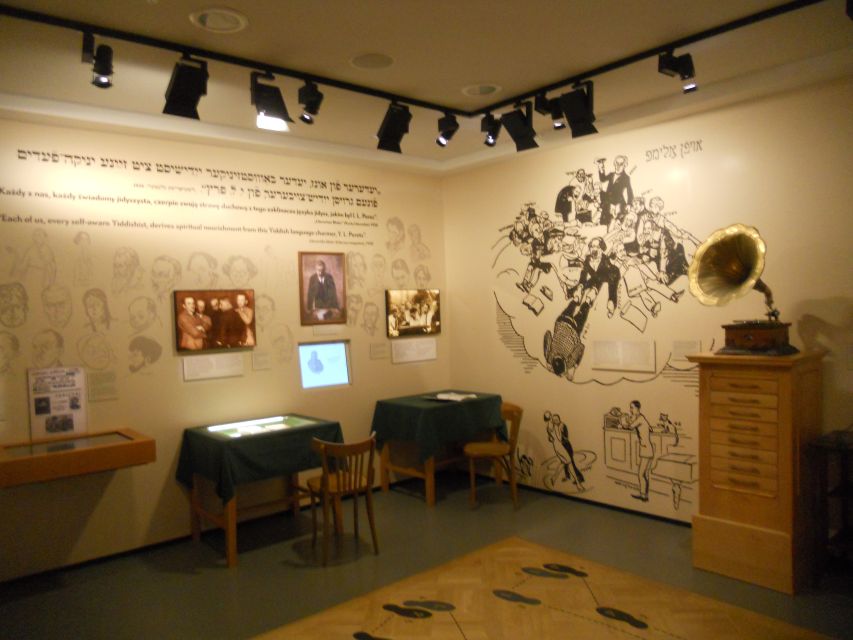
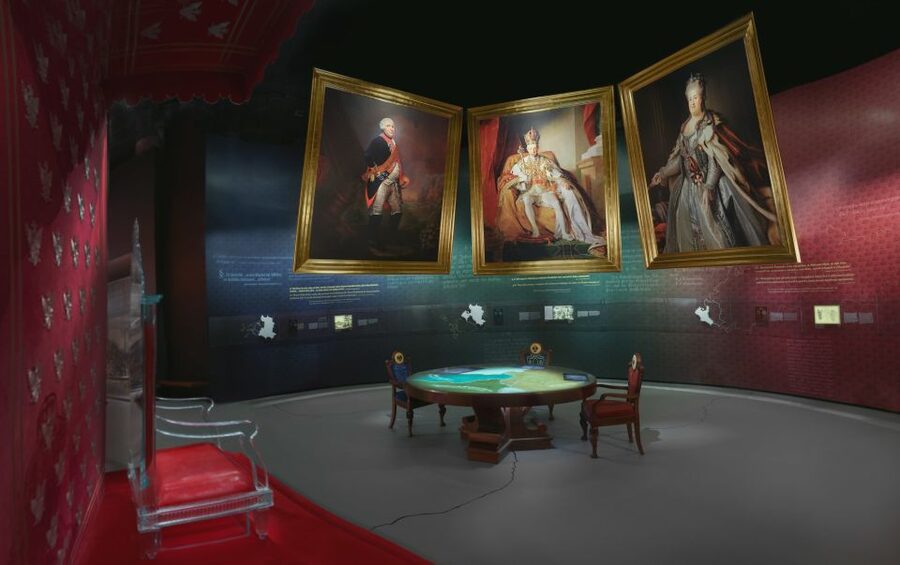
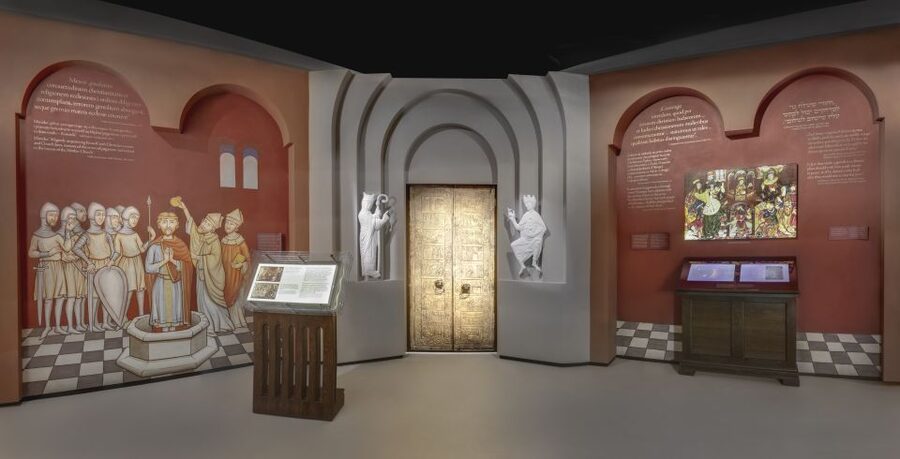
The tour is also set up so you can see the most important exhibition spaces. Your admission includes the main exhibition, the ongoing temporary exhibition, and the Heritage Gallery. That mix helps if you like museums that explain the past, but also want context for how history is remembered and presented today.
You can also read our reviews of more historical tours in Warsaw



What POLIN covers: from early settlements to World War II
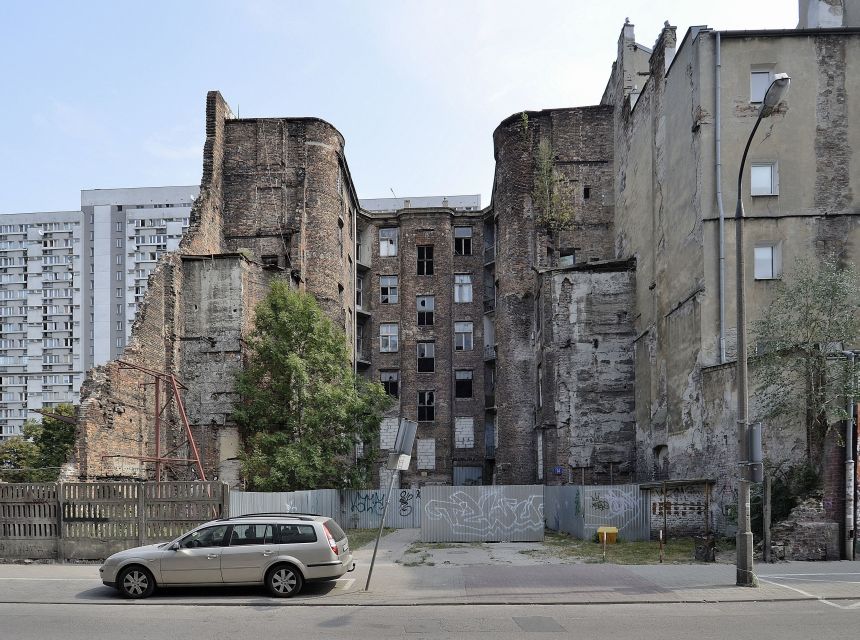
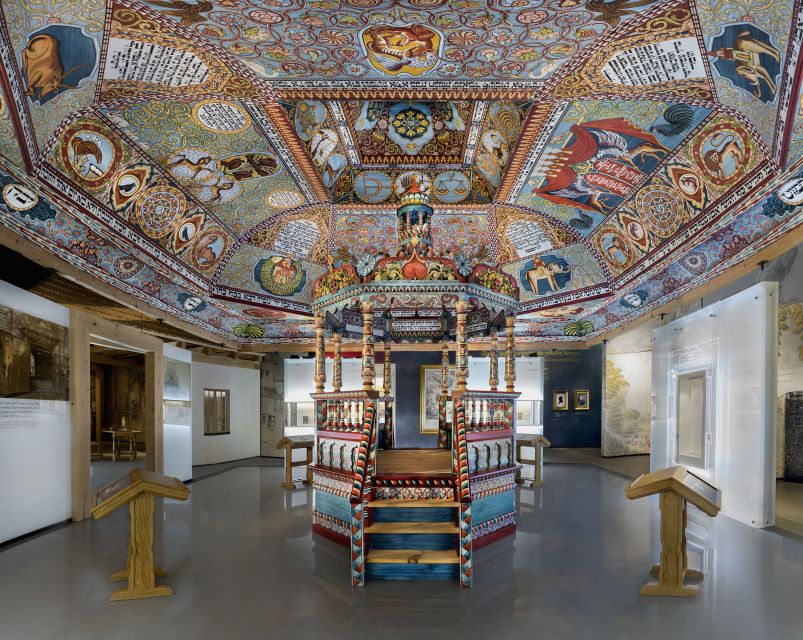
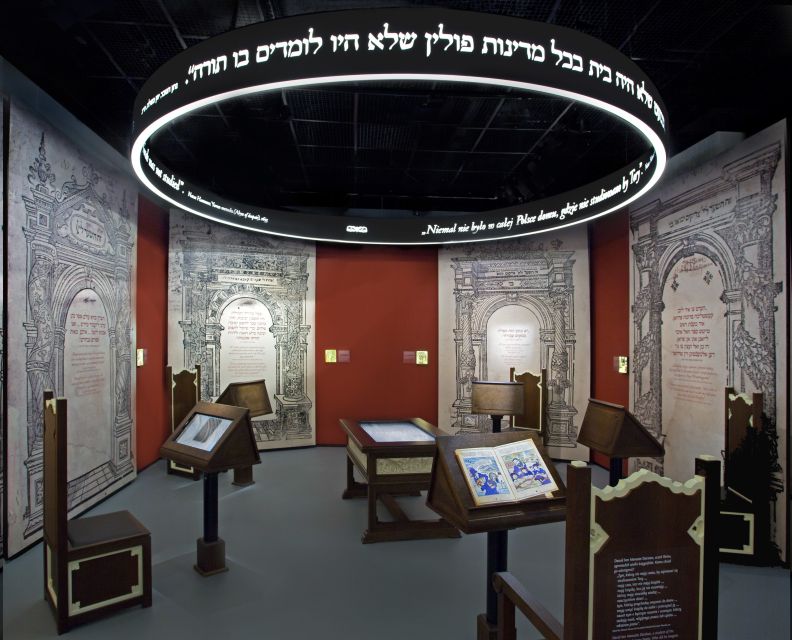
You’ll get a guided review of Jewish life and history in Poland that runs across centuries. The museum focuses on the idea that Jewish communities in Poland developed early, and over time became major centers of culture in Europe. You’re not just hearing dates. The emphasis is on daily life, community, and how communities fit into the larger Polish world.
Then the story turns sharply into World War II and the Holocaust. Your guide’s commentary is designed to connect what you’re seeing in the museum with the realities of German-occupied Poland, including daily life under persecution. The tour format is built around major themes you can recognize as you move through the exhibitions, such as:
- daily life in the Warsaw Ghetto
- the Warsaw Ghetto uprising
- Nazi concentration camps
- rescue operations and what they meant in practice
One detail worth remembering because it frames the scale: the tour description highlights the murder of 3,000,000 Polish Jews. That number isn’t meant as trivia. It’s a warning about what you’re walking through, and it helps you understand why the museum treats certain exhibits with such seriousness.
Skip-the-line tickets: saving time without cutting corners

The practical win here is skip-the-line tickets to the POLIN Museum. That usually means less time standing around waiting for ticket office processing—time you can spend actually reading, looking, and asking questions.
But here’s the key nuance: skip-the-line access applies to the ticket office, not to the entrance and security checks. So you should still expect some slowdown when you arrive at the building. Don’t plan your day with zero buffer. If you’re lining up other Warsaw sights later, give yourself room for the museum’s normal security flow.
Also, this is a private tour, so the “time savings” has another benefit: you get to settle in with your guide sooner, and you lose less of the tour window to waiting. That’s a small thing that becomes a big deal if you’re only in Warsaw for a short stretch.
Choosing 2 hours vs 4 hours: what you gain (and what you won’t)
This is the decision that affects everything.
If you book the 2-hour private tour, your visit is focused on the POLIN Museum only. The tour information is explicit: you will not see the Warsaw Ghetto on the 2-hour option. That can be totally fine if your top priority is the museum’s long-history explanation and you want to keep the rest of your day lighter.
If you book the 4-hour private tour, you get more than museum time. You also get a walking tour of the former Warsaw Ghetto area. This is where the tour becomes more than a museum visit—it becomes a route you can mentally map in your head later.
The 4-hour option is the better fit if you want to connect stories you saw in POLIN to places you can stand on. It’s also the better option if the ghetto history itself is your main theme rather than just a section of the museum.
The 4-hour ghetto walk: memorials that put the story on the sidewalk
On the 4-hour version, the walking tour takes you through key sites tied to Warsaw’s ghetto history. The meeting point is at the Monument to the Ghetto Heroes on Zamenhofa 11, which is a strong start because it frames the rest of the walk right away.
From there, you’ll visit memorial stops that are described in the tour information, including:
- the Monument to the Ghetto Heroes
- the headquarters bunker of a Jewish resistance group at Ulica Miła 18
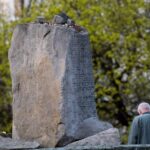
- Umschlagplatz Monument, which marks the departure point for Jews transported to Treblinka
This stop selection matters because it keeps the story grounded in specific places. You’re not just hearing about events in general terms. You’re looking at the kind of memorial markers that help you understand where decisions were made, where people were held, and where transports began.
And because this is a guided walk, you’re less likely to miss important details. A good guide helps you connect the emotional weight of memorials with the historical facts you’re learning. You also get the benefit of pacing: these sites ask you to slow down, and a private guide can adjust without holding a large group hostage.



Your guide and language: why it changes everything
This tour includes a licensed guide who is fluent in the language you select when booking. Options include English, Polish, French, German, Italian, Russian, and Spanish.
That matters more than people expect. Jewish history and Holocaust history aren’t topics where you want to rely on rough translation or skimmed notes. You want words that land properly—especially when you’re learning about daily life under impossible conditions, resistance efforts, and the mechanics of persecution.
The guide also shapes how you experience the museum itself. Instead of bouncing room to room, you get expert commentary that ties exhibits to themes. In particular, the guidance described for some named guides—like Agnieszka, Jan, and Jolanta—emphasizes clear storytelling and a strong sense of context. That’s exactly what makes a museum trip feel like it has a point, not just a collection of displays.
How much you’re paying for value at $152 per person
At $152 per person, this isn’t a budget add-on. You’re paying for three things that usually cost separately in Warsaw:
- a private, licensed guide
- POLIN Museum admission (including the main exhibition plus additional included areas)
- skip-the-line ticket office entry
What makes that value equation work is the “private” part. You’re not competing with a crowd for attention, and you’re not spending half your tour deciphering on your own what matters most. The museum’s subject is complex, and the guide’s job is to make it understandable without turning it into simplified history.
The other value lever is time choice. If you care most about the museum, the 2-hour option can be a good fit. If you want the emotional and geographic impact of the ghetto-area walk, the 4-hour option is where the price feels most “earned.”
Where this tour fits best in your Warsaw plan
This tour is especially well suited if:
- you want Holocaust and Jewish history with strong context, not quick highlights
- you prefer private pacing and questions over group logistics
- you’re in Warsaw for a limited number of hours but still want something meaningful
- you like museums that connect history to real locations
It might be less ideal if:
- you’re mainly after casual sightseeing and short stops (this is history-heavy)
- you’re trying to do a packed day with zero gaps, since museum time + walking time needs breathing room
- you only booked the 2-hour option but expected to walk the ghetto area
If you’re unsure which duration fits, ask yourself a simple question: do you want POLIN’s long narrative only, or do you want it followed by a guided walk through the former ghetto sites?
Practical notes: how to make it smoother
A few practical tips can help your day feel easier:
- Meet on time at the Monument to the Ghetto Heroes, Zamenhofa 11. The guide will structure the flow from there.
- Wear comfortable shoes. The ghetto walk is a walking tour, and you’ll want your feet to feel happy.
- Use the email you receive the day before the tour. The tour notes say there’s important information sent by email, so don’t ignore that message.
- Plan around the fact that skip-the-line is for the ticket office. Entrance and security checks can still take time, so don’t schedule your next stop on a knife-edge.
Should you book the POLIN Museum and Warsaw Ghetto skip-the-line tour?
I’d book this tour if you want a focused, respectful, and well-guided way to understand Polish Jewish history and the Holocaust in Warsaw. The private format and licensed guide make the museum feel organized and meaningful, not overwhelming. And if the Warsaw Ghetto sites are part of your must-do list, the 4-hour option is the one that actually connects the story to the ground you’ll stand on.
If you’re short on time and primarily want POLIN’s story, the 2-hour version can still work well. Just be honest with yourself: it’s museum-only, so you’ll miss the walking portion of the former ghetto area.
FAQ
How long is the POLIN Museum and Warsaw Ghetto tour?
The tour lasts from 2 to 4 hours, depending on the option you choose.
What is the difference between the 2-hour and 4-hour options?
On the 2-hour private tour, you visit the POLIN Museum only and do not see the Warsaw Ghetto walking route. The 4-hour option adds a walking tour of the former Warsaw Ghetto area.
Where do I meet the guide?
You meet in front of the Pomnik Bohaterów Getta (Monument to the Ghetto Heroes) on street Zamenhofa 11, Warsaw 00-001, Poland.
What does skip-the-line mean here?
The skip-the-line tickets let you skip the line at the POLIN Museum ticket office, but not the entrance and security checks.
What languages are available for the live guide?
The guide is available in French, German, Italian, Russian, Spanish, English, and Polish.
Is the tour wheelchair accessible?
Yes, the tour is listed as wheelchair accessible.