REVIEW · JAIPUR
Heritage Walk & Street Food Tasting in Jaipur
Book on GetYourGuide →Operated by Rajasthan Cultural Tours · Bookable on GetYourGuide
Jaipur tastes best on foot. This 3-hour heritage walk + street food tasting turns old-town alleys into something you can actually follow, with an English-speaking guide who ties what you eat to what you see along the way. You’ll be sampling classic Jaipur bites while learning why the city is shaped the way it is.
I love two things most: the mix of street food (samosa, kachori, famous sweets, masala chai) with proper cultural context, and the way the route pushes past the main lanes into smaller lanes and working neighborhoods. One consideration: it’s a walking tour with lots of time in tight streets and temples, so comfortable shoes and modest dress matter.
In This Review
- Key highlights
- Starting at Golcha Cinema: how to set yourself up for an easy, fun walk
- Chaura Rasta and Badi Chaupar: the street-food intro that actually makes sense
- Tripolia Bazar and Choti Chaupar: leaving main lanes for the real Jaipur
- Thatheras, temples, and a community well: culture stops you can’t see from a taxi
- Bangle making with sealing wax: a small craft detail with big meaning
- What you’ll actually taste: samosa, kachori, sweets, and masala chai
- How the guides make the walking feel safe and personal
- Price and value: why $21 can be a smart deal in Jaipur
- Best time to go and what to wear (so you don’t suffer for your snacks)
- Who should book this heritage walk and street food tasting
- Should you book it: my practical call
Key highlights
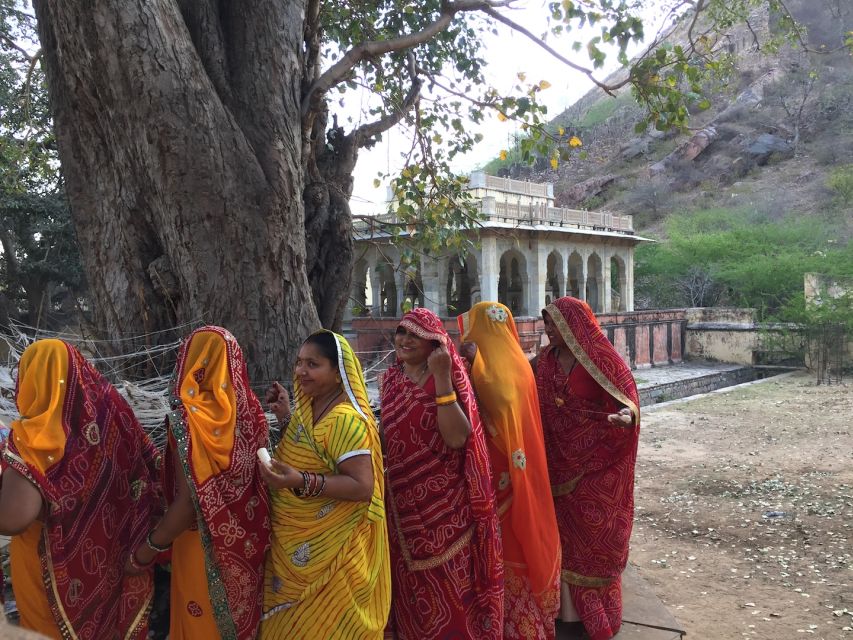
- Street-food tastings that add up: samosa, kachori, sweet bites, and masala chai at local shops
- Old Jaipur, off the big lanes: you’ll walk into the side streets instead of only staying on main roads
- Craft moments in real working areas: metal-beaters (Thatheras) and bangle making through sealing wax
- Cultural stops beyond food: temple visit plus a look at a community well
- Small group, English guide: limited to 10 people, easy to ask questions and move at a human pace
Starting at Golcha Cinema: how to set yourself up for an easy, fun walk
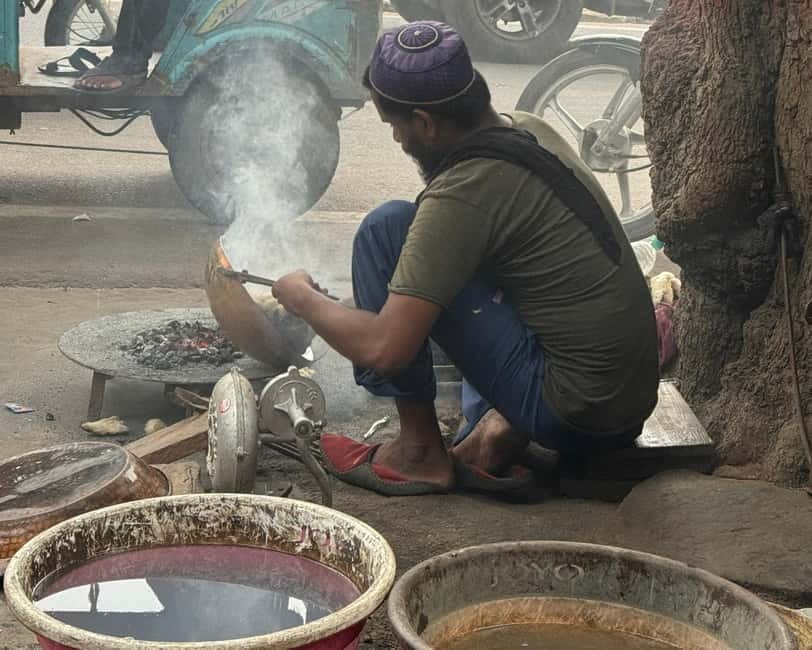
The tour starts at the entry gate of Golcha Cinema. There’s no hotel pickup, so plan to arrive on time and ready to walk. Since the group is limited to 10 people, you don’t feel like you’re part of a train. You can hear your guide, and you’re not constantly bumping shoulders in crowded lanes.
This is also the point where your preparation pays off. Wear comfortable clothes and shoes that handle uneven pavement and curb gaps. The route includes temples, so keep an eye on modest dress. If you want photos, you’ll be able to take them, but you’ll want to skip flash inside temples.
One small practical tip: carry your own water bottle even though the tour includes bottle water. Jaipur heat and late-afternoon sun can catch you off guard, and the walk keeps you moving.
You can also read our reviews of more walking tours in Jaipur



Chaura Rasta and Badi Chaupar: the street-food intro that actually makes sense
Your first big flavor stop is Chaura Rasta (around 45 minutes). This is where the tour starts “teaching through tasting.” Expect a tea break and early street snacks that help you get oriented with Jaipur-style flavors. You’ll likely start with something savory and move toward chai, which is a smart warm-up if you’re new to Indian street food.
Then you head toward Badi Chaupar (another 45 minutes). This stop is more than a food break. You’ll walk in a way that helps you understand how old Jaipur functions: where people trade, where daily life happens, and how architecture signals status, community, and faith. If you like asking questions, this is a good stretch for it. The guide’s role isn’t just to point; it’s to connect details.
Potential drawback here is simple: this part sets a fast food pace. If you’re the type who gets overwhelmed by too many smells, it helps to take small bites and sip chai between tastings. You can keep going without feeling stuffed too early.
Tripolia Bazar and Choti Chaupar: leaving main lanes for the real Jaipur
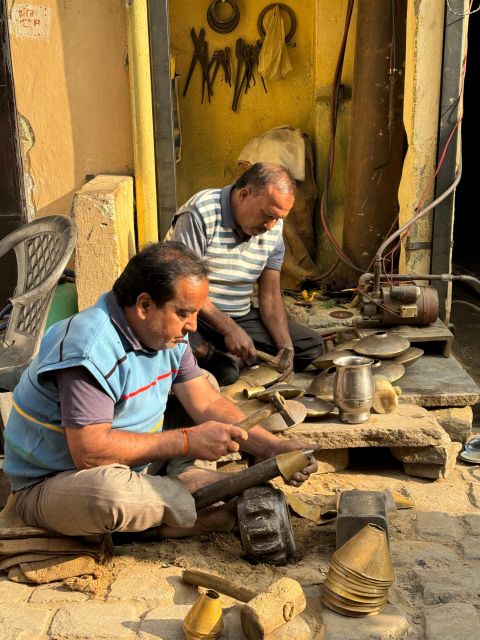
Next comes Tripolia Bazar (45 minutes). This is where the walking tour feels like a “local route,” not a checklist. The point isn’t just variety. It’s learning how different markets serve different needs. You’ll see the texture of old Jaipur: lanes that feel built for foot traffic, storefronts that blend into homes, and neighborhoods where you can spot how people live around their trade.
Then you reach Choti Chaupar for another food-focused section (45 minutes). This is one of the best parts if you’re a real food person. You’ll keep sampling local snacks and regional favorites while the guide points out what to notice in the background: the shape of the lanes, the entry gates, and the architectural logic of the old city.
Also, you’ll be moving through Jaipur’s quadrants and the smaller gullies that many visitors never bother to find. That’s where the tour earns its keep. It’s not only about eating. It’s about gaining a mental map of the Pink City.
Thatheras, temples, and a community well: culture stops you can’t see from a taxi
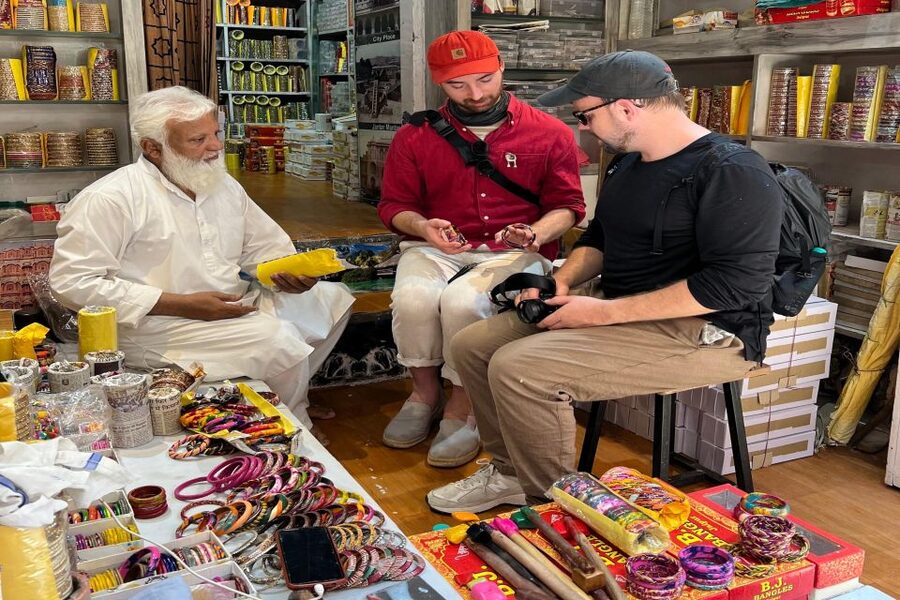
One of the tour’s strongest features is that it doesn’t treat food as a separate activity. During the walk, you’ll encounter the Thatheras, a community of metal beaters. This is the kind of stop that feels real, because you’re looking at a craft that runs on daily practice, not tourism.
You’ll also visit a Hindu temple. Dress modestly and be respectful inside. Photography is allowed generally, but flash inside temples isn’t the move. Think of this as a short cultural pause that gives context to the architecture and street life you’re already seeing.
A quieter but memorable moment is the look at a community well. These aren’t just pretty objects in old cities. They’re part of how neighborhoods used water, gathered, and built routine around shared resources. If you like understanding daily life, this stop is a plus.
The only real consideration is timing and pace. The walk requires attention. You’ll be stepping around small street obstacles and weaving through crowded spots. If you’re prone to getting hot or tired, plan to slow down when you can and take water sips early, not at the “I’m already overheated” stage.
Bangle making with sealing wax: a small craft detail with big meaning
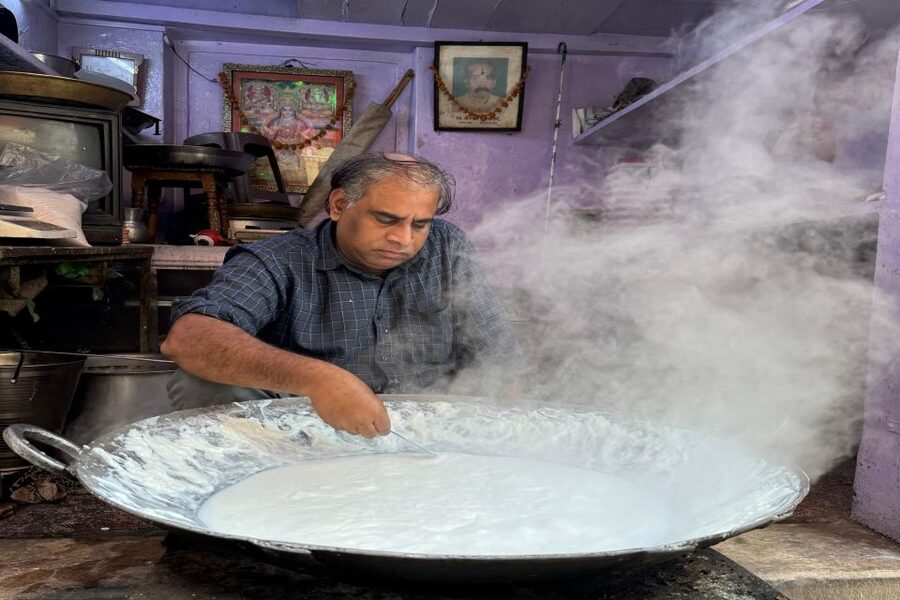
There’s a specific craft moment built into the experience: bangle making through sealing wax. This is one of those details that makes Jaipur feel different from other Indian cities because it connects design, ritual, and daily adornment.
It’s also a good reminder that the Pink City isn’t only famous for forts and big landmarks. Jaipur’s identity shows up in hands-on work: ornamentation, materials, and the skills passed down through repetition. If you enjoy seeing artisans at work (not just shopping for souvenirs), this stop is worth paying attention to.



What you’ll actually taste: samosa, kachori, sweets, and masala chai
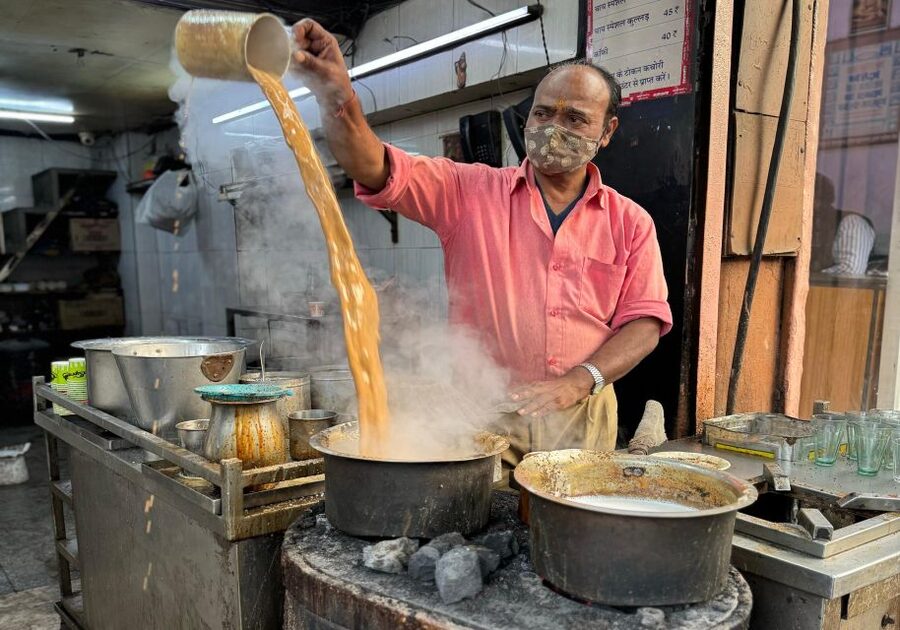
You’re looking at a classic sampler lineup: samosa, kachori, famous sweets, and masala chai, plus additional snacks from local shops. The best part is how the tastings are spaced so you can stay curious rather than just full.
What I like about this setup for your body and your mood: you get both savory and sweet, and you get the chai in the middle instead of at the end. That keeps your palate from flatlining. If you’re cautious about street food hygiene, this tour’s whole approach is to steer you toward vendors where you can feel confident moving forward.
Also, the guide’s flexibility matters. In practice, the guides (I’ve seen names like Vivek, Raj, Kumar, Pushpendra, and Sam) tend to adjust tastings to match personal preferences. If you’re picky, spice-sensitive, or just not sure about trying everything, you can often follow the guide’s lead and still leave happy, not pressured.
How the guides make the walking feel safe and personal
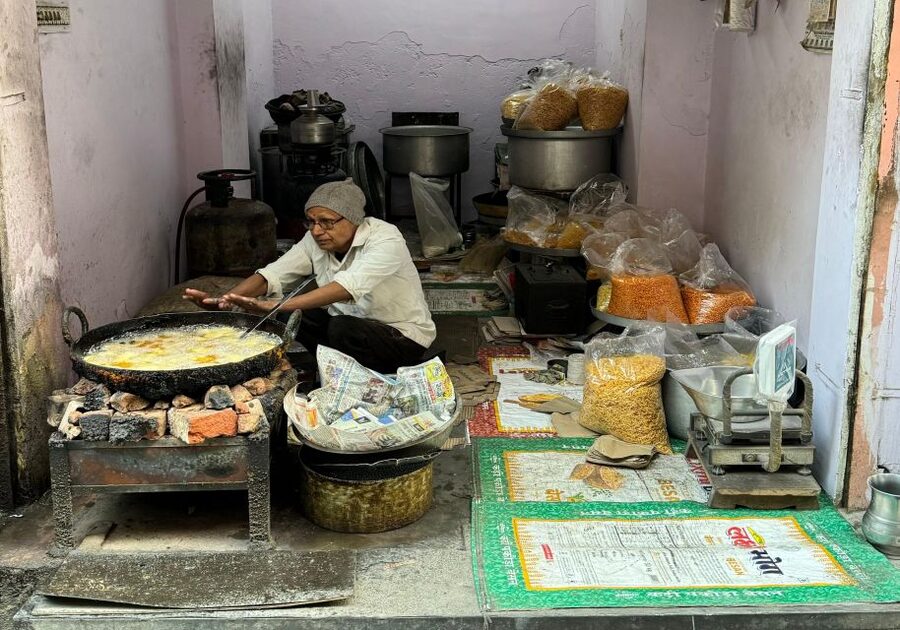
This tour is built around a live English guide and a small group size. That combination changes everything on narrow streets. You can ask why something matters, not just what it is. And you don’t feel like a number.
The biggest theme across experiences with this tour is trust and calm. Guides like Vivek are described as patient and transparent, and they’re also comfortable redirecting people before you hit a tricky section. Solo visitors often feel more at ease because you’re not improvising your way through confusing lanes.
If you want a tour that feels like you have a friendly local companion, this is the type of experience that delivers. Many guides also introduce artisans and help you understand the work, not just the product.
One practical note: the tour isn’t for wheelchair users, since it involves lots of walking and narrow passages.
Price and value: why $21 can be a smart deal in Jaipur
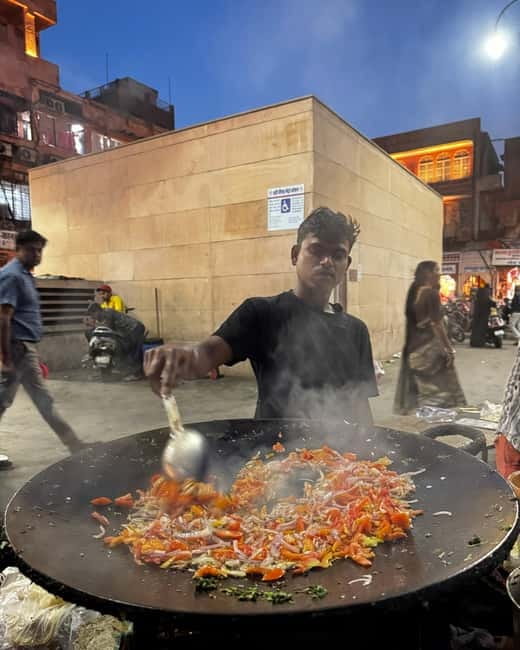
At $21 per person for about 3 hours, this is priced like a budget-friendly food walk, not a big-ticket guided sightseeing day. The value comes from three things:
- You’re paying for an expert who can route you through old Jaipur where it’s easy to get lost.
- You’re eating street food across multiple local stops (not one sample plate).
- You’re getting a cultural context package: temple stop, craft encounters, architecture references.
If you try to recreate this on your own, you’d need more time, more asking around, and more trial-and-error with food. Paying for a guide saves hassle. And since you’re limited to 10 people, you’re not funding a crowded, impersonal group experience.
Best time to go and what to wear (so you don’t suffer for your snacks)
The tour runs in different starting times, and your exact day matters for comfort. Since weather can shift, bring sunscreen and consider a hat. You’ll be outside for the full 3 hours, and the sun can hit hard.
Wear shoes you trust. This isn’t a museum stroll. It’s walking through markets, crossing uneven surfaces, and stepping into and out of lanes that feel narrow even when they’re normal by local standards.
For temples: dress modestly and skip flash photography inside. If you’re not sure what counts as modest, aim for covered shoulders and knees.
Who should book this heritage walk and street food tasting
This tour fits best if you want:
- A first-day orientation to old Jaipur, without committing to a full fortress day
- Street food that’s paired with history and craft moments
- A smaller group with a guide who can answer questions and adjust your tastings
- A safe-feeling way to walk off the main roads
It’s also great if you’re a solo traveler who doesn’t want to figure out where to eat alone. The guide-led approach reduces a lot of uncertainty.
Skip it if you have limited mobility. The walking and tight lanes make it not suitable for wheelchair users.
Should you book it: my practical call
If you’re excited about eating your way through old Jaipur while learning what you’re actually looking at, I’d book this. The route is built for the sweet spot: street food plus cultural stops like temples and craft areas, all in about 3 hours.
Book it now if:
- You want a guide-led introduction to the Pink City
- You like street food but prefer guidance on where to go
- You’d rather walk and ask questions than just photograph monuments
Hold off if:
- You can’t handle walking in tight streets
- You need a very controlled, quiet environment with minimal crowding
If your plan is Jaipur for a few days, this tour works well early. It gives you context so the next sights feel less random and more connected to real local life.