REVIEW · ACCRA
6 day Culture & History Tour in Ghana
Book on Viator →Operated by Eyali Tours · Bookable on Viator
Six days in Ghana can feel like a movie. I love the chance to stand at Elmina Castle on the Slave Route and then walk above the forest at Kakum National Park on the canopy walkway. It’s a tight, well-paced route that links big themes—trade, culture, rainforest life—without making you feel like you’re sprinting for photos.
A big plus for me is the day-to-day feel: it’s a private tour with your guide, and the vehicle is air-conditioned, which matters after long drives in warm weather. One possible drawback to plan for: you’ll have physically active moments (like the 250 steps down to Akaa Falls) and meals and drinks are not included, so you’ll want to budget time and money for food stops.
In This Review
- Key Highlights Worth Booking
- Day 1 in Accra: From Kotoka Airport to Osu With a Real Landing Plan
- Day 2 in the Akwapim Highlands and Volta River: Gardens, Beads, and Akosombo Views
- A note on timing
- Day 3 to Kumasi: Akaa Falls, Asante Crafts, and Cocoa Farming
- Day 4 in Kumasi: Manhyia Palace Museum and Kejetia Market Energy
- Day 5 on the Slave Route: Assin Manso Stops and Elmina Castle
- Day 6 at Kakum: Canopy Walkway, Hans Botel, and a Smooth Return to Accra
- Price and Value: Why This $1,852.57 Tour Can Still Make Sense
- Private Guide Experience: Having Emmanuel in Your Corner
- Who This Ghana Tour Suits Best (And Who Might Want a Different Option)
- Practical Tips to Make the Week Feel Easy
- Should You Book This 6-Day Ghana Tour?
- FAQ
- What is the tour duration?
- Where does the tour start and is pickup included?
- Is this tour private or shared?
- What’s included in the price?
- Are meals and drinks included?
- Do you receive admission tickets for activities?
- Is the tour suitable for most people?
- How flexible is cancellation?
Key Highlights Worth Booking

- Elmina Castle (UNESCO): an unforgettable visit to the oldest European structure in Africa on the Slave Route
- Kakum canopy walkway: rainforest views from the air, plus Hans Botel wildlife stops
- Aburi Botanical Gardens and Volta River ride: hands-on crafts and big scenery around Akosombo and Volta Lake
- Asante culture in Kumasi: Kente weaving, Adinkra stamping, and wood carving stops that feel practical and real
- Comfort that keeps you moving: air-conditioned transport and all fees and taxes included
- Guide support you can count on: Emmanuel is repeatedly praised for punctuality, professionalism, and patient service
Day 1 in Accra: From Kotoka Airport to Osu With a Real Landing Plan
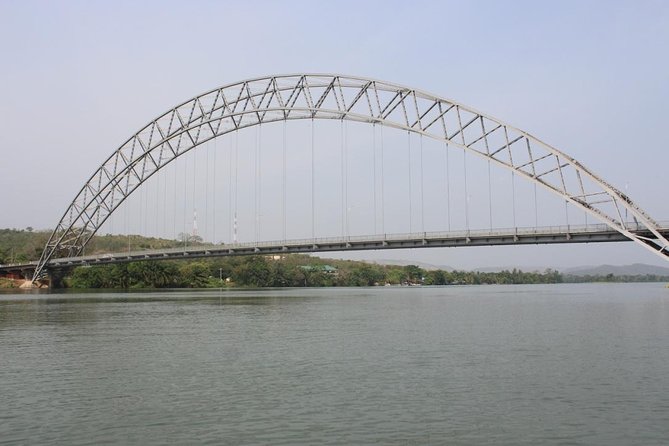
Your tour starts when you meet your group at Kotoka International Airport in Accra. You’re not left to figure things out after arrival. There’s safe transport to your hotel in an air-conditioned vehicle, then you get time to reset and settle into the city.
The first overnight is in Osu, a good choice for getting oriented because it’s easy to move around and feel the energy of Accra without starting the trip with a long, exhausting commute.
What I like about this start is how it keeps your energy for the bigger days ahead. After a flight, the smart move is getting out of the airport situation fast, showering, and letting your brain catch up.
You can also read our reviews of more historical tours in Accra

Day 2 in the Akwapim Highlands and Volta River: Gardens, Beads, and Akosombo Views
Day 2 takes you out toward the Akwapim highlands, starting at Aburi Botanical Gardens. This is the kind of stop that breaks up the city heat with greenery and a slower rhythm. You also get a visit to the Aburi carvers market, which is a straightforward way to see the craft side of the region.
Then it shifts into something very hands-on: a traditional glass bead workshop. This isn’t just watching from the sidelines. You get close enough to see how this kind of item is made, and you’ll come away with more context for why these crafts matter locally.
The big scenery payoff is the motorboat ride on the Volta River, stopping near the Akosombo dam and Volta Lake. Even if you’ve seen dams before, the scale here gives you that clear sense of how Ghana’s waterways shape everyday life and travel routes.
This day ends with an overnight at a resort on the Volta River, which is a nice way to avoid turning the trip into a nonstop car session.
A note on timing
The day is long by design, so plan to keep your expectations flexible. You’ll do more than one activity, but the sequence is built to mix crafts, nature, and water views instead of stacking only one kind of experience.
Day 3 to Kumasi: Akaa Falls, Asante Crafts, and Cocoa Farming
Kumasi is where the tour starts feeling more cultural and less like a sightseeing checklist. You begin with a drive to the seasonal Akaa Falls, followed by a walk down 250 concrete steps to reach the bottom.
This is the kind of activity where you’ll be glad the tour isn’t pretending everything is effortless. If you know you dislike stairs or you’re traveling with mobility limits, this is the one to plan around. Comfortable shoes help. Take your time. The view is the point, but it’s also a good reminder to pace yourself.
From there, the day becomes about Asante life through crafts. You’ll visit villages showcasing:
- Kente cloth weaving
- Adinkra cloth stamping
- Wood carving
And you’ll also visit a cocoa farm, which adds an important layer. Ghana’s cocoa story isn’t abstract here. Seeing it connected to how people work the land makes the whole country feel less like a travel slogan and more like a place with real economic rhythms.
You overnight in central Kumasi, which is practical because it keeps the next museum and market day from turning into extra travel time.
Day 4 in Kumasi: Manhyia Palace Museum and Kejetia Market Energy
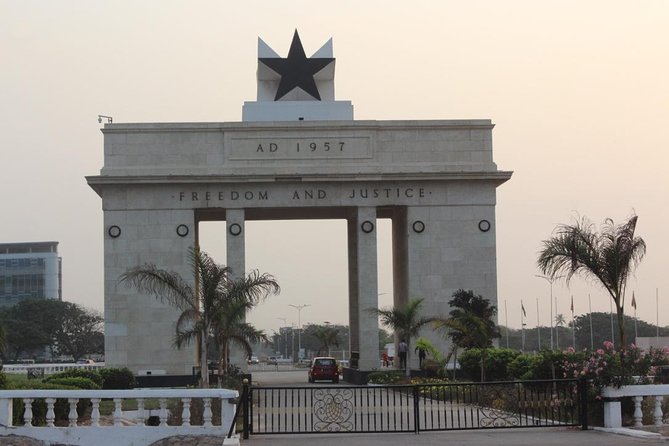
Day 4 combines history, museum learning, and busy market energy. You start at Manhyia Palace Museum, home of the Ashanti King, plus the Komfo Anokye Sword. This isn’t a quick look-through and out the door. The museum setting gives you the chance to slow down and understand what you’re seeing instead of treating it like a photo stop.
Next up is the National Cultural Center, described as one of Ghana’s best museums. Even if museums aren’t your favorite, pairing this with the crafts days earlier makes the cultural picture click. It’s easier to connect patterns in art and cloth to the institutions and traditions that shaped them.
Then you finish with shopping time at Kejetia market, noted as West Africa’s largest outdoor market. This is where you’ll feel Ghana as a working place, not just a tourist route. Go with a plan, not just vibes. Decide what you want to buy before you’re surrounded by everything.
You spend the night again in central Kumasi, keeping your schedule efficient.
Day 5 on the Slave Route: Assin Manso Stops and Elmina Castle
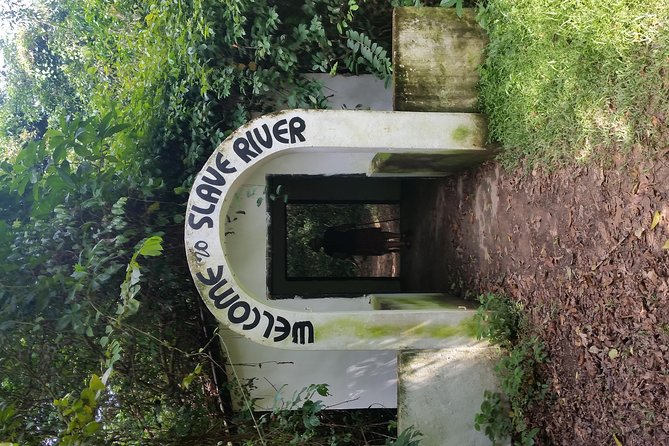
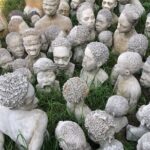
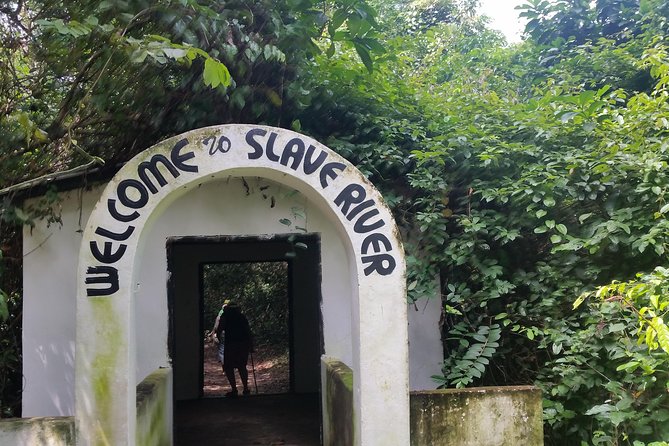
Day 5 is emotionally heavier, and it’s structured to help you move through it with context. You travel along the Slave Route, with a stop at the Slave River in Assin Manso. This is one of those moments where the landscape matters less than the meaning, and the guided pacing helps you understand what you’re seeing.
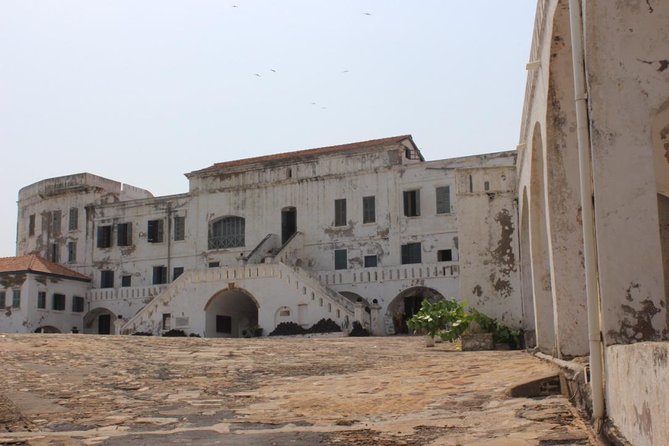
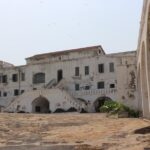
Then you arrive at Elmina Castle, including the tour of the oldest European structure in Africa. It’s also a UNESCO World Heritage Site, and that matters because it signals how globally significant the site is.
Around the castle area, you’ll explore Posuban Shrines, Ft. San Jago, and the fishing lagoon in central Elmina. This mix is important. It doesn’t leave you stuck in one narrow storyline. You see how the area connects past and present in the same physical space.
For the overnight, you stay at a mid-range beach resort, which is a smart contrast after a day like this. Your body needs something gentle after heavy thoughts, and a quieter setting helps the day land.
Day 6 at Kakum: Canopy Walkway, Hans Botel, and a Smooth Return to Accra
You end the trip in the rainforest. Day 6 starts at Kakum National Park, with a visit to the canopy walkway, described as the West Africa’s highest rainforest canopy walkway. Walking above the forest floor is the kind of experience that’s hard to describe once you’re doing it—everything feels slower up there, and you notice details you would miss from ground level.
After the canopy, you visit Hans Botel, including crocodile ponds and a weaver bird community. It’s a nice way to balance the adrenaline of the walkway with more grounded animal-life viewing before heading back.
Then you return to Accra and get a drop-off at a location of your choice. That last part matters if your plans aren’t just one hotel address—you can line it up with your next move.
Price and Value: Why This $1,852.57 Tour Can Still Make Sense
At $1,852.57 per person for roughly six days, this isn’t a budget-only trip. But it can be good value because the big cost drivers are handled for you.
Here’s what you’re getting that often adds up quickly if you book pieces separately:
- Air-conditioned vehicle for the route between key regions
- All fees and taxes included
- Accommodation for the full duration
On top of that, admission tickets are listed as included for the main sights and activities on the route. That means you’re not constantly stopping to pay at the gate or negotiating access while traveling.
What’s not included is also clearly stated: meals and drinks. That’s normal, but it’s worth planning for so you don’t start worrying mid-trip. In practical terms, budget for lunches and dinners while also factoring that some days run long.
If you like structure, this works. If you hate being on a schedule, you’ll probably feel restrained. Luckily, it’s a private tour, so you’re not sharing your time with other groups who might move at different speeds.
Private Guide Experience: Having Emmanuel in Your Corner
This tour is run as a private experience. That means your group size is limited to you, your guide, and your shared pace. There’s no need to manage a crowd, answer 20 different questions, or watch someone repeatedly miss the meeting point.
The guide mentioned in feedback—Emmanuel—is repeatedly praised for being punctual and professional, with a calm, patient style. That fits how the itinerary is designed: you’ll travel between cities and then switch quickly between museums, markets, crafts, and nature stops. When timing slips, the whole day can feel chaotic. When it doesn’t, the trip feels smoother and more meaningful.
One extra detail that comes through clearly in the feedback: Emmanuel was also praised for helping with visa-related needs. If you’re handling paperwork before departure, that kind of support can be a big stress reducer.
Who This Ghana Tour Suits Best (And Who Might Want a Different Option)
This is a good fit if you want a focused slice of Ghana—Accra, Volta River region, Kumasi, Elmina, and Kakum—without spending your whole trip figuring out transportation and ticketing.
You’ll likely enjoy it if:
- you prefer guided context over solo wandering
- you want a mix of culture, crafts, and nature
- you like the convenience of air-conditioned transport
- you’re comfortable with an occasional physical challenge like stairs to Akaa Falls
You might want to think twice if:
- you strongly dislike museums or cultural sites
- you’re expecting meals and drinks to be fully covered
- you want a completely free-form schedule with no structure at all
Practical Tips to Make the Week Feel Easy
A few things will make this trip smoother.
- Bring comfortable shoes for the falls day and for long walking at markets and castle areas.
- Carry some cash for meals and any shopping. Even if you don’t plan to buy much, markets move fast and it’s nice to decide on the spot.
- Plan for long days. Even with air-conditioned rides, you’re traveling between regions. Pace your schedule like you would on a road trip.
- Ask your guide questions. The best moments usually happen when you connect what you see—cloth patterns, cocoa farming, historic sites—to the story behind it.
Also, if you care about photography: decide which moments you want to shoot slowly. The canopy walkway is one of those places where taking in the view actually improves the photos later.
Should You Book This 6-Day Ghana Tour?
I’d recommend booking if you want a well-organized route that hits the big Ghana experiences—Elmina Castle, Kakum canopy walkway, and Asante culture in Kumasi—with the comfort and structure that keep logistics from stealing your energy.
It may not be ideal if you hate schedules, need meals and drinks included, or can’t handle the physical effort of the Akaa Falls steps. But if you’re okay with that trade-off, this private tour is a solid way to see a lot of Ghana in six days without feeling lost.
If you can align your fitness and food budget, you’ll come away with both memorable sights and a clearer sense of how the country connects history, work, and rainforest life.
FAQ
What is the tour duration?
This is a 6-day culture and history tour in Ghana, with the duration listed as approximate.
Where does the tour start and is pickup included?
The tour starts in Accra and includes meet-and-greet support at Kotoka International Airport, along with safe transport to your hotel in an air-conditioned vehicle.
Is this tour private or shared?
It’s a private tour/activity, meaning only your group participates.
What’s included in the price?
The tour includes air-conditioned vehicle, all fees and taxes, and accommodation for the duration of the tour.
Are meals and drinks included?
No. Meals and drinks are not included.
Do you receive admission tickets for activities?
Admission tickets are listed as included for the stops and activities on the itinerary.
Is the tour suitable for most people?
The tour notes that most travelers can participate.
How flexible is cancellation?
You can cancel up to 3 days in advance for a full refund. If you cancel less than 3 days before, the amount paid will not be refunded.