REVIEW · HOI AN
My Son Sanctuary and Hoi An Ancient Town
Book on Viator →Operated by Bravo Indochina Tours · Bookable on Viator
Two UNESCO sites, one smooth full day. I like how this tour strings together My Son Sanctuary and Hoi An Ancient Town in one day without turning it into a chaotic race. I also love the small group size (up to seven), which makes it easier to ask questions and actually follow along as your guide explains the Champa Kingdom and the mix of cultures in Hoi An. One thing to weigh: it’s a full day with real walking, so if you’re hoping for a slow, independent stroll, you may feel time-pressed.
Your day starts with hotel pickup in Hoi An or Danang (air-conditioned minivan included), and you’ll get an English-speaking guide, bottled water, and entrance tickets. The pacing is built around two focused blocks—about two hours at My Son, then a guided walk through Hoi An with major stops—plus the drive between them (roughly 50 km). If you want a day that’s guided, structured, and easy to manage, this format really works.
In This Review
- Key things to know before you go
- From Hoi An or Danang: How Pickup and the 50 km Ride Works
- My Son Sanctuary: Champa Temples, Hindu Motifs, and Photo Stops
- Hoi An Ancient Town on Foot: Covered Bridge, Assembly Halls, and Old Houses
- Guides Make the Day: How Storytelling Changes UNESCO Sites
- Lunch, Breaks, and What You’ll Pay For
- Price and Value at About $73: What’s Included for One Day
- Weather, Comfort, and Practical Tips That Actually Help
- Who This Tour Suits (and Who Might Want Another Option)
- Should You Book This My Son and Hoi An Day Tour?
- FAQ
- How long is the tour?
- What time does the tour start?
- Where do you get picked up?
- Does the tour include entrance fees?
- Is bottled water provided?
- What sites will I visit?
- Is lunch included?
- How big is the group?
- Is the tour mostly walking?
- What should I wear or bring?
- How does cancellation work?
Key things to know before you go
- Small-group feel: up to seven people in the core small-group description, with a stated maximum of 12 on the activity details
- UNESCO both ways: My Son Sanctuary in the morning, then Hoi An Ancient Town later
- Real cultural layers: Hindu-influenced Champa temple design, plus Chinese and Japanese elements in Hoi An
- Guides drive the experience: examples include guides like Andy, Lee, and Tan, with a mix of clear explanations and good energy
- You’re covered for logistics: hotel pickup/drop-off in Hoi An and Danang, plus bottled water and air-conditioned transport
- Comfort matters: bring walking shoes and sun protection—there’s foot time in Hoi An and plenty of strolling at My Son
From Hoi An or Danang: How Pickup and the 50 km Ride Works
The big win here is how low-effort the start of your day feels. Your guide picks you up at your hotel in Hoi An or Danang, and you transfer in an air-conditioned minivan. The drive to My Son is about 50 km, which is short enough to stay comfortable, but long enough that the day clearly has structure: you’re leaving early enough to enjoy the temples before the afternoon heat settles in.
Start time is 8:00 am, and the full day runs about 8 hours. That timing matters. My Son is best experienced while you’re still fresh, and Hoi An rewards an afternoon walk when the town feels in full swing—especially the pedestrian-only streets.
The tour also includes hotel drop-off back in Hoi An or Danang at the end of the day. So you’re not piecing together buses or trying to figure out return transport after a long day of sightseeing.
You can also read our reviews of more tours and experiences in Hoi An.


My Son Sanctuary: Champa Temples, Hindu Motifs, and Photo Stops
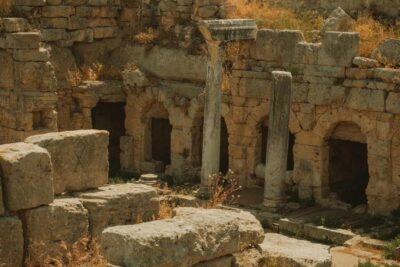
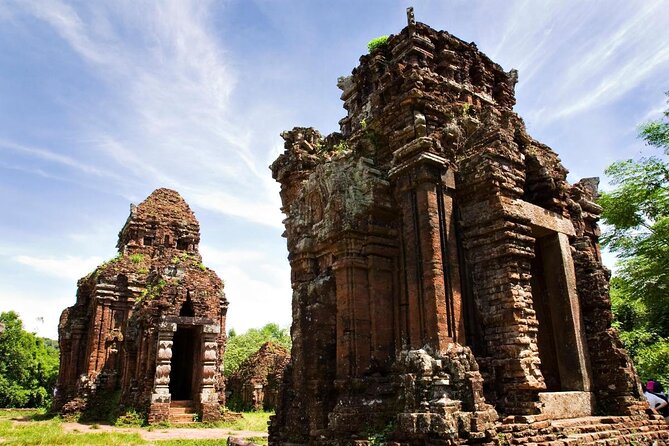
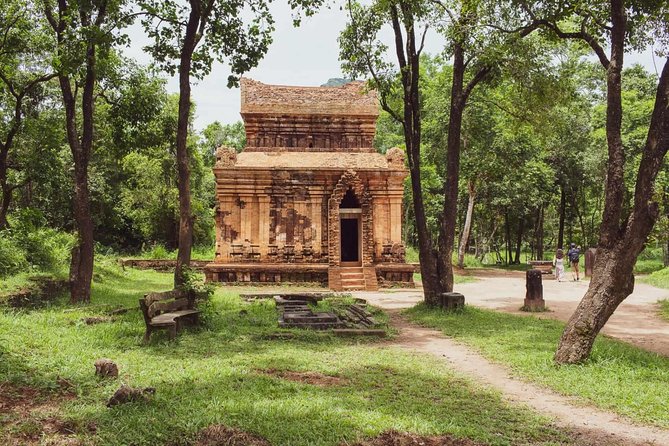
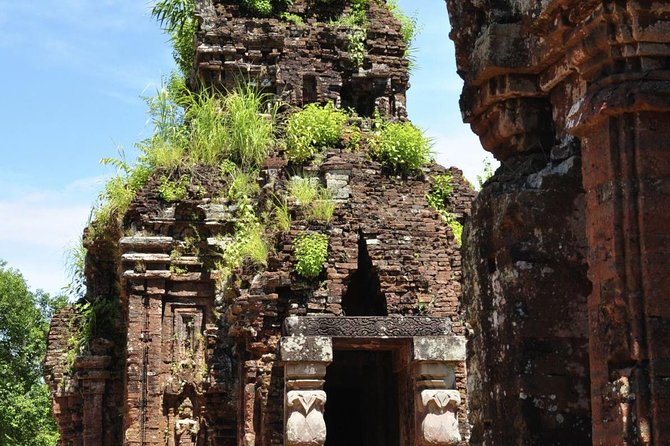
My Son Sanctuary is the reason to get out of the city for the day. This UNESCO site was the religious and intellectual center of the Champa Kingdom, which flourished on Vietnam’s coast from the 4th to 13th centuries. At its height, there were about 70 structures here. Today, you’ll see roughly 20 remaining—some still in good condition, others partly collapsed due to damage from the Vietnam War.
What you’ll actually do is walk at an easy pace through the complex with your guide. You’re not just getting the “what is this” version of the site; you’ll also learn how the architecture reflects Hindu influences from India, including statues of Hindu deities pointed out during the visit. That detail is important because many people see ruins and just assume they’re old. Here, you start connecting design choices to beliefs and cultural contact.
Expect plenty of opportunities to pause for photos. Ruins can look flat if you rush, but with guided stops you get natural viewing angles—tower shapes, brickwork details, and the sense of layout across the complex. If you’re the type who likes to understand why a place was built this way, My Son delivers.
A realistic consideration: because this is an archaeological site with uneven ground in spots, you’ll want comfortable walking shoes. Also, the sun can be strong, so sun protection really helps.
Hoi An Ancient Town on Foot: Covered Bridge, Assembly Halls, and Old Houses
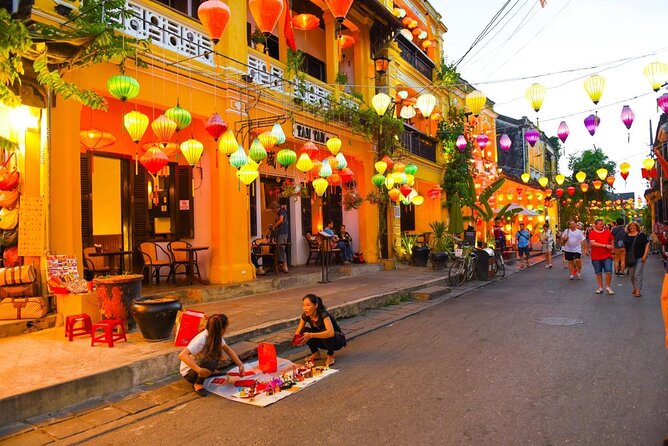
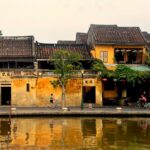
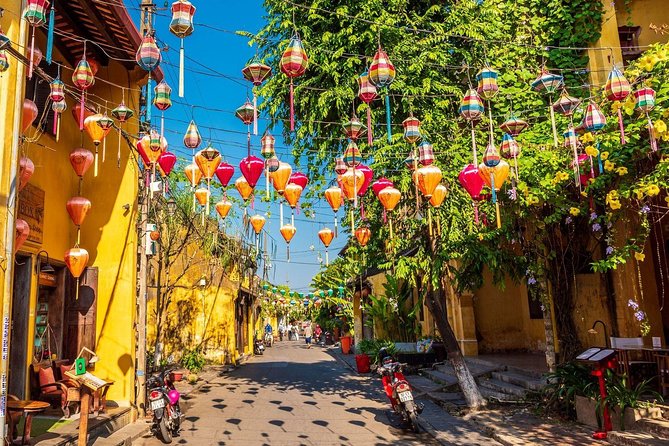
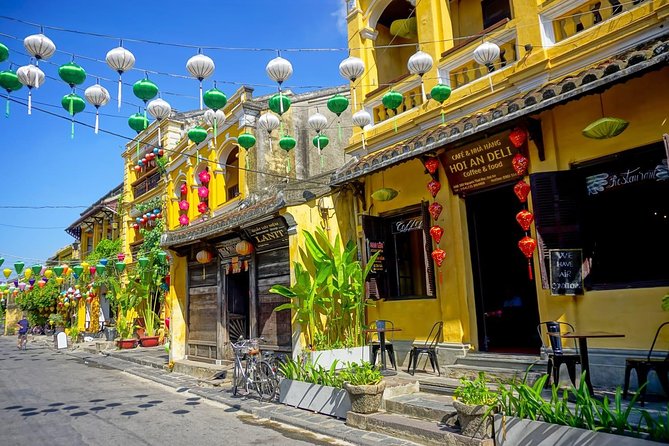
After My Son, you head to Hoi An for the afternoon. The Ancient Town is UNESCO-listed and started as a port more than 2,000 years ago. That history shows up in the architecture and the cultural mix—Chinese, Hindu, and Arab influences are visible in how buildings were shaped and how the town developed.
You’ll explore Hoi An on foot with your guide, which is the best way to do it. The pedestrian-only streets keep things calm and walkable, and you can actually linger outside the major photo targets.
Key stops include:
- Kwan Temple
- Phuc Kien Chinese Assembly Hall
- Tan Ky Old House
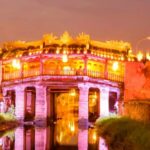
- Japanese Covered Bridge
- A Historic & Cultural Museum visit
The Japanese Covered Bridge is usually the headline, but I like that this walk doesn’t stop at one icon. Seeing the assembly hall and old merchant house helps you understand Hoi An as a lived-in town shaped by trade and community, not a theme park.
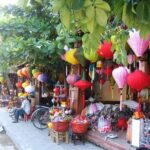
There’s also time for the atmosphere stuff that makes the afternoon feel like Hoi An: you’ll pass by a food market and small shops where you might browse clothing, silk, antiques, handicrafts, and more. That window for casual shopping is useful because it doesn’t eat your whole day—your time is still built around the main historic sights.
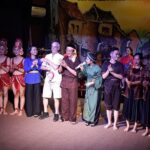
One note on pacing: you have about two hours for Hoi An sights as part of the guided block, plus time for a performance and a workshop stop. If you want to spend a long time in shops, you’ll likely need to move a bit faster during the guided portion so you’re not rushing at the end.
Guides Make the Day: How Storytelling Changes UNESCO Sites
A day tour like this rises or falls on the guide. In the best versions of this experience, the guide does two jobs at once: keeps the schedule moving and turns what you’re seeing into something you can picture.
From the examples I saw around this tour format, guides such as Andy, Lee, and Tan tend to bring a personal style—friendly, with clear explanations and a good sense of how to hold attention through both My Son and Hoi An. That matters because My Son can feel abstract if you only get basic facts. When your guide points out Hindu deities and connects them to the Champa temple design, you start reading the structures instead of just looking at them.
In Hoi An, your guide’s job is different: guiding you through the town’s cultural layers. Knowing where to look—assembly hall details, old house structure, why the covered bridge sits where it does—helps you feel like you understand the place instead of just ticking off stops.
And because this tour is set up as a small group, it’s easier to adjust. If you need a slower pace, or you want a question answered right where you’re standing, the group size makes that realistic.
Lunch, Breaks, and What You’ll Pay For
The schedule includes a lunch stop at a local Vietnamese restaurant after you arrive in Hoi An. The tour details specifically say you’ll stop into a restaurant for lunch, and the reviews and practical descriptions suggest it’s meant to be a decent meal rather than just a quick break.
But here’s the careful part: the pricing notes that food and drinks are not included unless specified. So even though lunch is built into the day, treat it like: the tour provides the stop, you pay for your meal and drinks. Bottled water is included, which is helpful on a hot day.
If you’re budgeting, plan for lunch as an extra cost. If you have dietary needs, you should share them during booking, since the tour asks you to advise dietary requirements ahead of time.
Also bring a little patience. A guided day like this can include small waiting moments—waiting for entry, waiting for the group, waiting for the right time to take photos. That’s normal. The value is that the guide does the heavy lifting of coordination, so you don’t spend your day chasing info.



Price and Value at About $73: What’s Included for One Day
At $73 per person, this tour isn’t just a bus ride to two sites. You’re paying for a full package that includes:
- Hotel pickup and drop-off (Hoi An and Danang)
- Air-conditioned minivan transport
- A professional English-speaking guide
- Bottled water
- Entrance tickets for the stops listed
- A small-group format
To judge value, look at what you’d otherwise have to solve yourself. My Son requires reliable transport from Hoi An (or Danang), and you’d still want context to make the ruins meaningful. In Hoi An Ancient Town, a guided walk helps you hit the major historic points without wandering in circles.
So the money makes sense if you want:
- A structured day
- Fewer logistics headaches
- More meaning per hour
If you already feel confident hiring a driver for the day and you’re the kind who likes to read and explore independently, you might be able to do it cheaper. But you’d be trading away the guided explanations, the entrance ticket bundle, and the convenient pickup/drop-off.
A small bonus worth noting: the tour offers mobile tickets and group discounts, which can matter if you’re traveling with friends or family.
Weather, Comfort, and Practical Tips That Actually Help
This tour is outdoors for much of the day, even though there’s driving time. The big practical needs are basic but real:
- Comfortable walking shoes (both My Son and Hoi An involve walking)
- Sun protection (especially in My Son)
- A bit of flexibility if rain rolls in
One useful mindset: ruins and old towns can shift mood with weather. If it’s hot, you’ll appreciate the air-conditioned rides and guided pacing. If it’s stormy, the day can feel more dramatic—so don’t panic, just stay ready with the gear you can control (shoes, sun protection, and maybe a light layer).
Also consider stamina. The tour is listed for moderate physical fitness. That doesn’t mean it’s extreme, but you should expect walking time rather than a sit-and-view plan.
Who This Tour Suits (and Who Might Want Another Option)
This tour fits best if you want:
- A one-day hit of two UNESCO sites without planning travel connections
- A guided experience that explains Champa temple influences and the cultural mix in Hoi An
- A smaller group setting so you can ask questions and keep up
It may not be ideal if you:
- Want to spend long hours shopping and wandering without a schedule
- Prefer fully independent travel with your own stops and pacing
- Get easily frustrated by scheduled timing between stops
If you’re staying in Hoi An or Danang, this is a strong use of time. You’ll spend less time arranging transport and more time learning what you came for.
Should You Book This My Son and Hoi An Day Tour?
I’d book it if you want a guided, low-logistics day that connects the dots between the Champa world and Hoi An’s port-town mix. The price is reasonable for what’s included—transport, entrance tickets, guide, and the convenience of pickup/drop-off.
I’d hold off only if you’re the type who wants a slow, unscheduled day, or if you know you’ll struggle with walking and sun. For most people, though, this is a solid way to see the UNESCO highlights in a single outing, with a guide who helps you understand what you’re looking at.
FAQ
How long is the tour?
It runs for about 8 hours.
What time does the tour start?
The start time is 8:00 am.
Where do you get picked up?
You’re picked up from hotels in Hoi An or Danang.
Does the tour include entrance fees?
Yes, admission tickets are included.
Is bottled water provided?
Yes, bottled water is included.
What sites will I visit?
You’ll visit My Son Sanctuary and Hoi An Ancient Town, including stops such as Kwan Temple, Phuc Kien Chinese Assembly Hall, Tan Ky Old House, Japanese Covered Bridge, and a Historic & Cultural museum visit.
Is lunch included?
Food and drinks aren’t included unless specified, though the day includes a stop at a local restaurant for lunch.
How big is the group?
The tour is described as a small-group experience with a maximum of seven people, and the activity details also state a maximum of 12 travelers.
Is the tour mostly walking?
In Hoi An you’ll explore on foot, and at My Son you’ll stroll through the temple complex with your guide.
What should I wear or bring?
Wear comfortable walking shoes and bring sun protection.
How does cancellation work?
Cancellation is free if you cancel up to 24 hours in advance for a full refund.