REVIEW · HOI AN
Hoi An: Ancient Town Walking Tour with Lantern Boat Ride
Book on GetYourGuide →Operated by Hoi An Lantern Boat Tours · Bookable on GetYourGuide
Few places feel as story-rich as Hoi An. This guided loop threads temples, heritage houses, and craft stops into one smooth afternoon, ending with a calm Thu Bon river ride at sunset. I especially like how the pacing mixes quiet moments with busy market energy.
Two moments really made this tour click for me. First, the visit to the Ancient House and a community assembly hall helps you see how merchants and neighbors lived, not just what they built. Second, the traditional performance adds context to the sights, so the town’s culture feels connected instead of tacked on.
One heads-up: you’ll do moderate walking on uneven streets, and the route isn’t friendly for wheelchair users or people with mobility impairments. Also, if rain rolls in, crowded shelter spots can make some viewpoints feel packed—plan for that.
In This Review
- Key highlights worth planning around
- A focused way to see Hoi An’s real center
- Temple calm, market energy, and why the order matters
- A traditional performance that adds context
- Ancient merchant life: the Ancient House and the assembly hall
- Craft houses: watching skill you can actually point to
- Japanese Covered Bridge: the cultural meeting point
- Thu Bon lantern boat ride at sunset: the calm finish
- Price and value: what $30 really buys
- Practical tips so the day runs smoothly
- Who this tour suits best
- Should you book Hoi An Ancient Town with a lantern boat ride?
- FAQ
- Where does the tour start?
- Where do I finish?
- How long is the tour?
- What’s included in the price?
- Do I need to buy the UNESCO entrance ticket?
- Is hotel pickup included?
- What should I bring?
- Is this tour suitable for people with mobility impairments or wheelchairs?
- How big is the group?
Key highlights worth planning around
- Small group (up to 10) keeps the walk feel personal and makes questions easy.
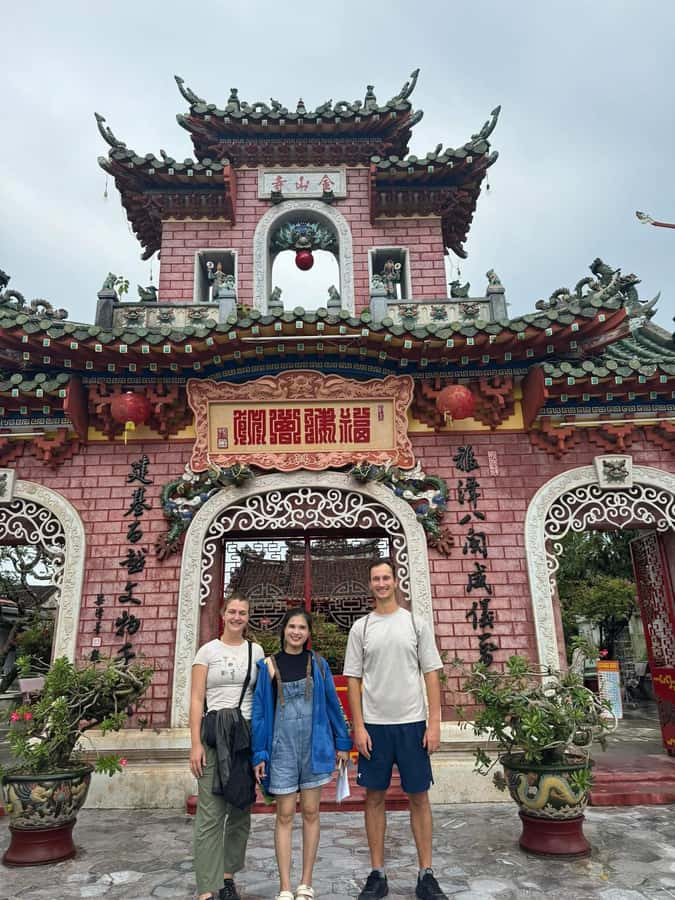
- Ancient House + Cantonese assembly hall give you real “how people lived” context.
- Craft houses with hands-on viewing show how lanterns and other crafts are made.
- Japanese Covered Bridge is a must-see landmark with centuries of cultural mixing.
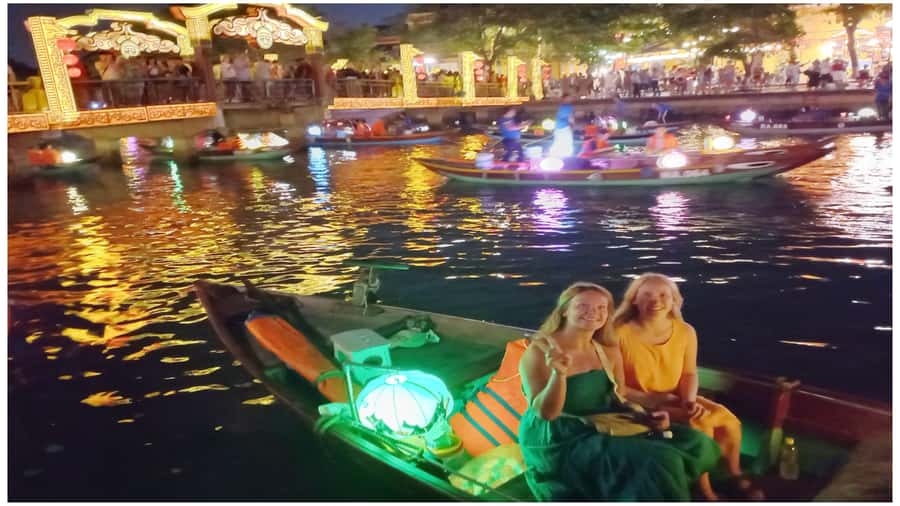
- Thu Bon lantern boat ride at sunset is the peaceful payoff, with a flower lantern you can release.
A focused way to see Hoi An’s real center
Hoi An’s Ancient Town can feel like a choose-your-own-adventure of alleyways, shop signs, and photo angles. The challenge is knowing what matters and what’s just clutter. This tour helps you get your bearings fast by giving you a guided path through the town’s most meaningful spots, with just enough stops to remember them later.
The tour runs about 210 minutes (a little over three hours). It’s also small-group style, limited to 10 participants, which is a big deal in a town where crowds can swell quickly. You start at 10 Đ. Phan Chu Trinh and end in Phố cổ Hội An, so you’ll finish right where most people want to keep exploring on their own.
You don’t need to stress about transport either. There’s no hotel pickup included, but that also means fewer time delays. Just show up at the meeting point and be ready for walking.
You can also read our reviews of more walking tours in Hoi An


Temple calm, market energy, and why the order matters
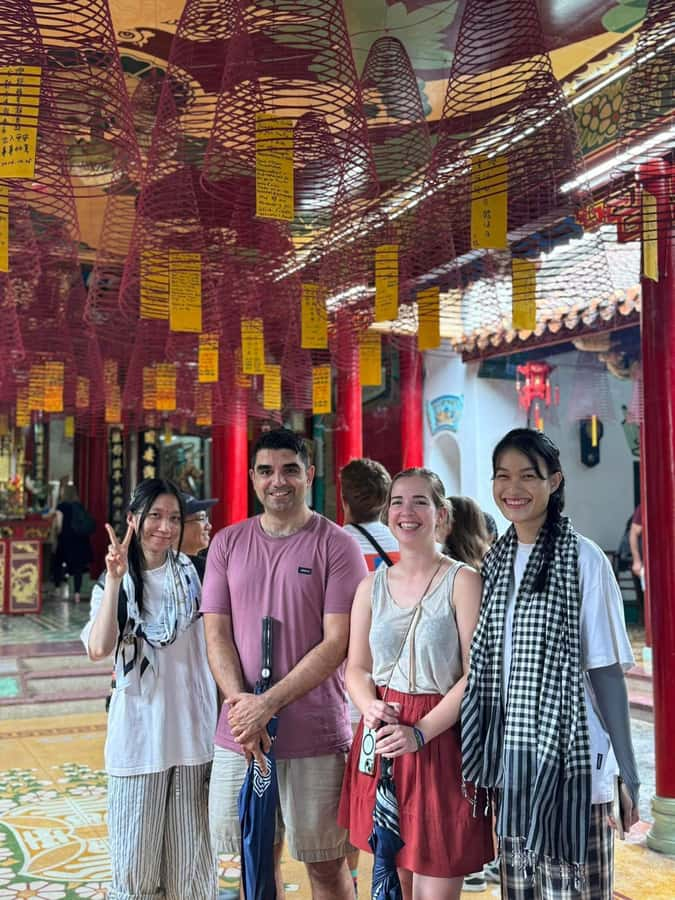
The morning-to-evening flow of the tour is thoughtful. You begin with a quiet temple visit, which works well because it resets your head before you hit the busier parts of town. In Hoi An, spirituality isn’t a separate world from daily life. It’s woven into how people move, gather, and celebrate.
Right after that, you move into a local market. This shift is practical: the market helps you understand what locals buy, cook, and treat like normal life. It also makes the rest of the tour click because you start noticing details that tourists often skip—like what kinds of goods people line up for, and how the town’s economy still beats underneath the heritage veneer.
This start is also a good way to learn local habits early. One guide I saw had the group practice basic street-crossing confidence in Vietnam, because the roads around here can be a puzzle if you’re used to tourist-friendly crossings.
A traditional performance that adds context
After the market, the tour includes a traditional art performance. This is one of those stops that can feel optional on paper, but in Hoi An it does a job: it ties together the visual world you’re seeing with the cultural world that made it.
You’ll typically see a mix of dance, music, and folk expressions (the exact style can vary by show and schedule). Even if you don’t catch every word of explanation, the performance helps you read the town with a more “whole culture” lens rather than treating each building like a museum display.
Ancient merchant life: the Ancient House and the assembly hall
This part is where Hoi An stops being a pretty place and becomes a place with everyday meaning.
You’ll visit a 200-year-old merchant’s Ancient House. The focus isn’t just on age; it’s on what those homes contained and how they looked. Antique furniture and older design details help you picture how prosperity worked before modern conveniences. In a town like Hoi An, merchant families weren’t only businesspeople—they were community anchors.
Next comes a traditional assembly hall, where community gatherings and ceremonies used to happen. These halls matter because they show how social life ran. It’s not only “one rich family’s house” you’re learning about. You’re seeing the structure of the neighborhood—who gathered, why they gathered, and how collective events shaped local identity.
If you like architecture and want to know what to look for, this is the value stretch of the tour. You’ll leave with better instincts for spotting the human side of heritage.
Craft houses: watching skill you can actually point to
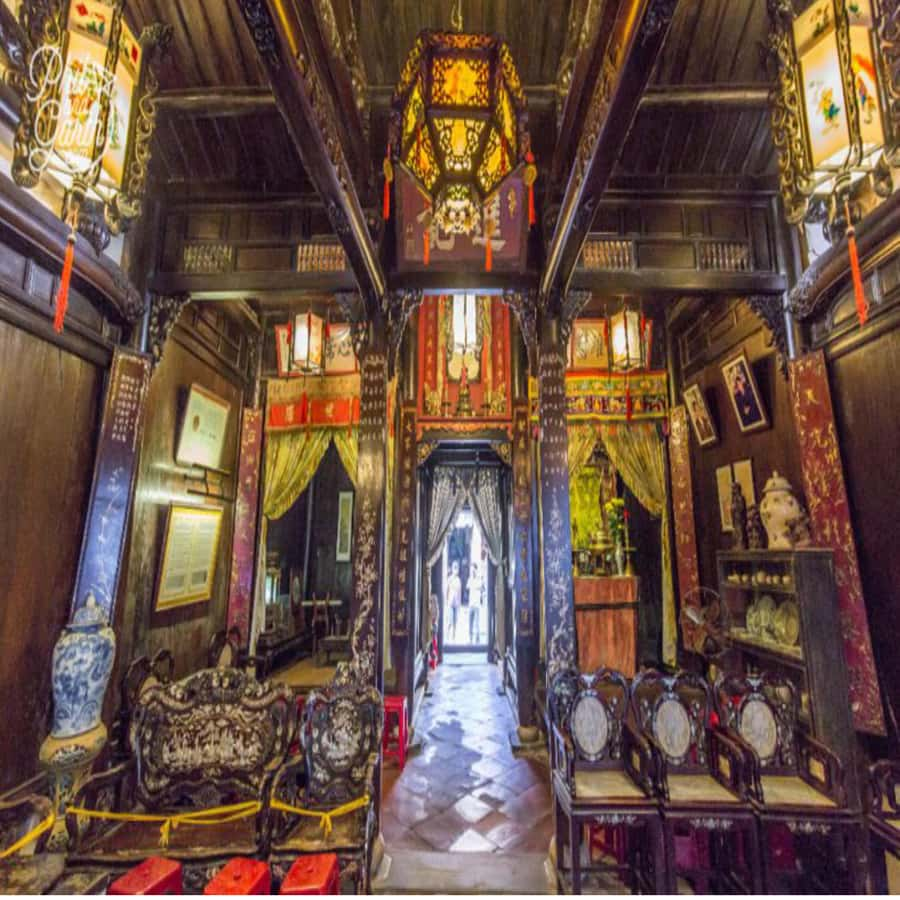
The tour then moves through traditional craft houses. This is the part that often turns into souvenir shopping for some people, but you’ll get more value if you treat it like an observation stop first.
You may see crafts connected to lantern making and other traditional work like pottery or weaving, depending on what’s operating during your visit. The key point is that you’re watching artisans at work, not just hearing a sales pitch. Even if you don’t buy anything, you’ll understand what takes time and what’s more mass-made.
This is also where I think a bit of buyer discipline pays off. One guide-led tour experience I read had a friendly warning that craft shops can be pushy. The practical advice: don’t commit to a purchase until you’ve seen the full set of shops on your route. You’ll get a better price and a better sense of what’s handmade versus produced elsewhere.
You can also read our reviews of more boat tours in Hoi An


Japanese Covered Bridge: the cultural meeting point
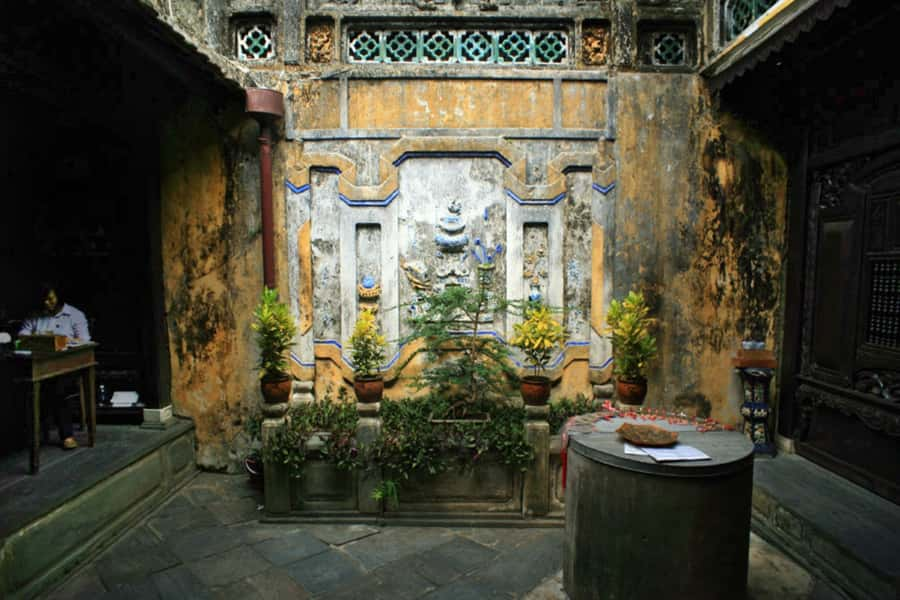
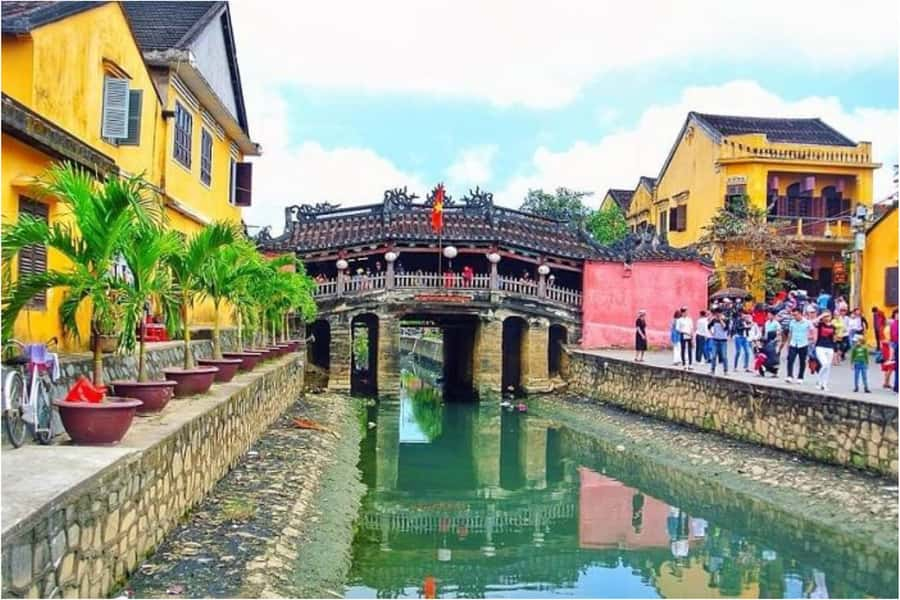
You’ll get time at the Japanese Covered Bridge, one of Hoi An’s most iconic landmarks. What makes it more interesting than a “pretty bridge” is the history behind it: it reflects centuries of cultural exchange between Japanese communities and the local people.
Architecturally, the bridge is visually distinctive, and it’s also one of those places where you’ll see people pause, look up, and take in the details. Since it’s a fixed point in the heritage zone, your guide can help you interpret what you’re looking at, so you’re not stuck with only the photo.
This stop is also a nice break in the walking rhythm. It gives you a moment to slow down and absorb the style of the old town streets before the tour heads toward its final river payoff.
Thu Bon lantern boat ride at sunset: the calm finish
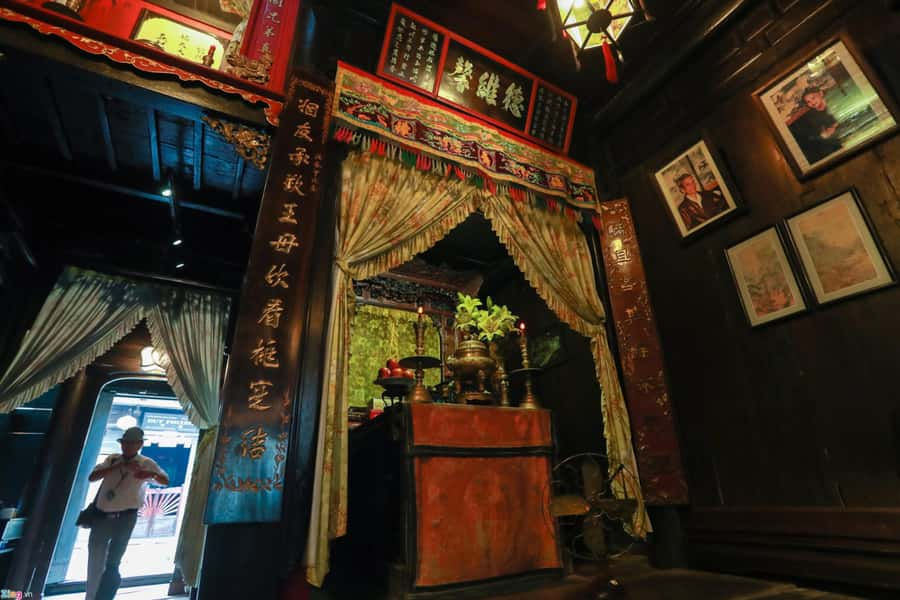
The last stop is the one you’ll remember most when the day ends: the lantern boat ride on the Thu Bon River.
You board for a short cruise timed with sunset, then you release a flower lantern into the water. This is the emotional close of the tour: everything gets quieter, and your senses shift from street-level activity to the reflection of lights on the river.
It’s not long—about 20 minutes—but that’s part of the appeal. You don’t feel rushed through the moment, and you still have enough energy left to continue exploring after.
One helpful detail: if it’s been raining, the mood can be different. A heavy downpour can make parts of the ancient town crowded under cover, but the river ride can still feel serene and spiritual, because the setting naturally slows the pace.
Price and value: what $30 really buys
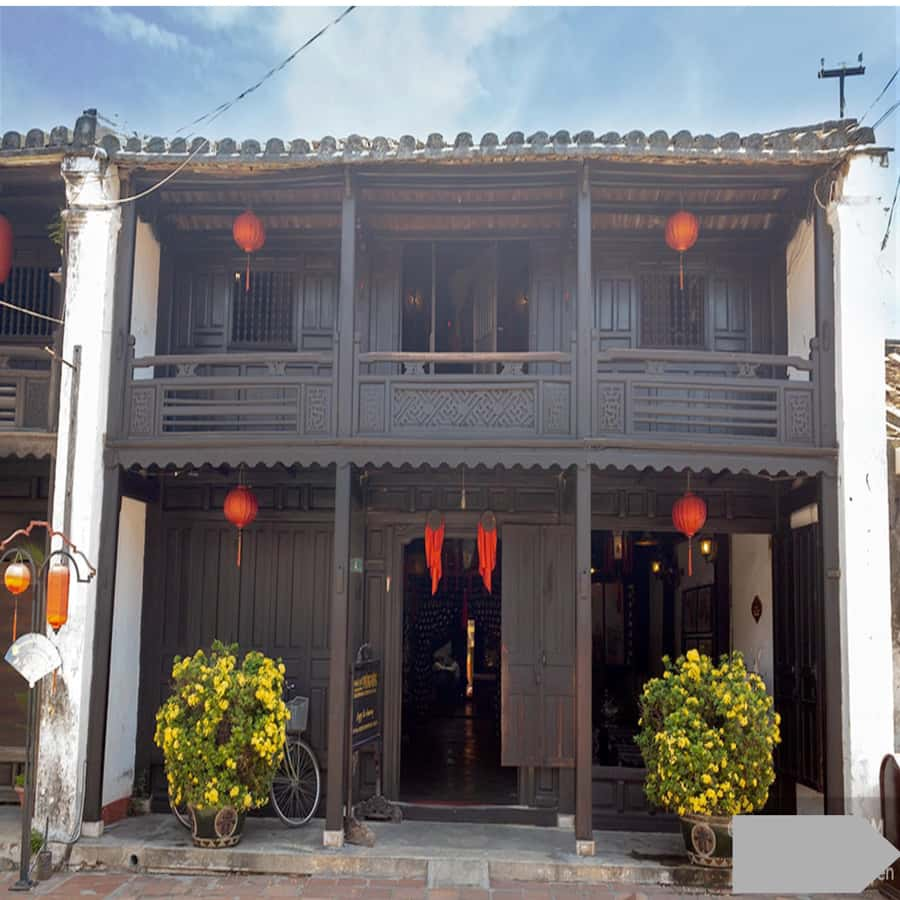
At about $30 per person for 210 minutes, this tour lands in the “mid-range for guidance + activities” slot. You’re not just paying for a walk. You’re paying for:
- an English-speaking local guide
- the walking tour structure and route
- a lantern boat ride that includes the flower lantern for release
- bottled mineral water
What’s not included is important for budgeting. You’ll need to buy your own ticket to enter the UNESCO area in Hoi An (listed as 120,000 VND per ticket). That’s separate, so bring some cash ready for it. You’ll also want tipping cash if you plan to tip your guide, since tips aren’t included.
If you like your travel organized—history and culture, not just wandering—you’ll likely feel this was good value. If you’re the kind of traveler who wants total freedom to pick your own alleyways and skip structured stops, you might find parts of the itinerary too scheduled.
Practical tips so the day runs smoothly
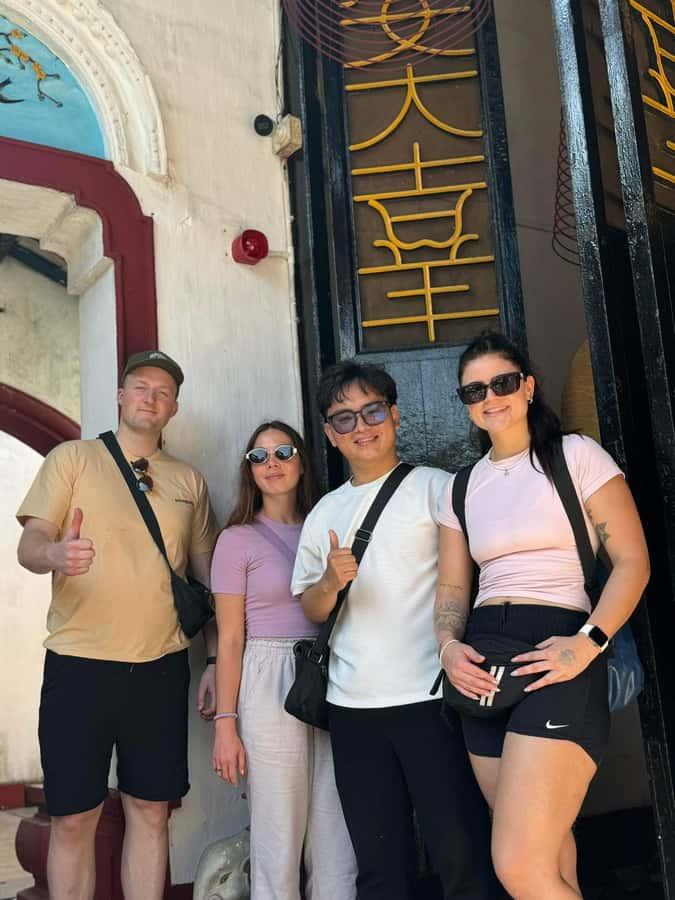
A few things will make your experience feel easier from start to finish.
Wear comfortable walking shoes. The tour is rated as moderate walking, and the old town streets aren’t uniform underfoot.
Bring cash. You’ll likely want money for souvenirs, snacks, and that UNESCO entrance ticket. You’ll also want it for any craft stops where you decide to buy.
Bring a camera, but also be ready for spontaneous photo moments—especially around the bridge and when the river lights come on.
Plan for weather. I’ve seen heavy rain turn crowded shelter areas into a squeeze, so if rain hits, keep moving calmly and don’t expect every stop to feel spacious.
Finally, small-group tours are great, but they still move as a group. Stay close to your guide, and you’ll get more out of every turn.
Who this tour suits best
This is a good fit if you want an organized cultural walk with real stops, not just a list of sights.
You’ll probably love it if:
- you want English explanations for key heritage buildings
- you like markets and temples, not only museums
- you want a satisfying finish without planning your evening
- you appreciate craft work and the process behind souvenirs
You may want to skip it if:
- you need wheelchair access or step-free routes
- you don’t like guided timing and prefer to roam solo
- you’re not interested in a performance or craft-house stops
Should you book Hoi An Ancient Town with a lantern boat ride?
Book it if you want a clear route through Hoi An’s heart plus a sunset finish that feels special without needing extra planning. The combination is the strength: heritage streets during the day, then the Thu Bon river release at night.
Skip or compare if you already know the old town well and mostly want to wander at your own pace. Also, if mobility is an issue, this one isn’t the best match.
If you do book, go in with a simple mindset: wear good shoes, keep cash handy for the entrance ticket, and treat the craft shops like a viewing tour first. You’ll walk out with stories, not just photos.
FAQ
Where does the tour start?
The tour starts at 10 Đ. Phan Chu Trinh.
Where do I finish?
You finish in Phố cổ Hội An (Hoi An Ancient Town area).
How long is the tour?
It’s about 210 minutes.
What’s included in the price?
The tour includes an English-speaking local guide, walking tour, lantern boat trip with a flower lantern for dropping, and bottled mineral water.
Do I need to buy the UNESCO entrance ticket?
Yes. The Hoi An UNESCO entrance ticket (120,000 VND) is not included, and you have to buy your own ticket to enter Hoi An ancient town.
Is hotel pickup included?
No. Hotel pickup and drop-off are not included.
What should I bring?
Bring comfortable shoes, a camera, and cash.
Is this tour suitable for people with mobility impairments or wheelchairs?
No. It’s not suitable for people with mobility impairments or wheelchair users.
How big is the group?
The group is kept small, limited to 10 participants.