Kathmandu can feel like sensory overload. This UNESCO-focused day tour makes it easier by stitching together three major sites with private air-conditioned transport and an English-speaking guide—so you spend less time figuring things out and more time seeing what matters. You’ll also get a smart visit flow, starting in Thamel and ending back there, with time allocated for each stop instead of a rushed drive-by.
One caution: the fine print is slightly inconsistent. The itinerary lines say admission tickets are not included at each stop, while the package details say entry fees are included. Before you go, message the operator or confirm in your booking so there are no surprises at the gates.
In This Review
- Key things I’d mark on your planning list
- A Smooth UNESCO-Day Loop in Kathmandu
- Thamel Pickup and Timing: Starting Near the City’s Hub
- Boudhanath Stupa in One Hour: Prayer Wheels and Pilgrim Rhythm
- Pashupatinath Temple and Bagmati River: Pagodas, Shiva Linga, and Cremation Ceremonies
- Bhaktapur Durbar Square: 55-Window Palace and the Lion and Golden Gates
- Price and Value at $95: What You Pay for, What You Need to Budget
- Comfort and Clarity: Private AC Transport and an English Guide
- Who This Tour Fits Best (and Who Might Want More Time)
- Should You Book This UNESCO Kathmandu Day Tour?
- FAQ
- What UNESCO World Heritage sites are included?
- Is pickup from Thamel included?
- How long is the tour?
- What’s included in the price?
- Are meals and drinks included?
- Is the tour private?
- What if the weather is bad?
- Are there options for service animals?
Key things I’d mark on your planning list
- Private vehicle with AC keeps the day comfortable, especially when traffic and weather heat up.
- Boudhanath Stupa gives you the calm start: pilgrims, prayer-wheel motion, and a very Buddhist pace.
- Pashupatinath Temple + Bagmati River brings Hindu ritual life into view, including cremation ceremonies along the riverbank.
- Bhaktapur Durbar Square is architecture you can actually read with a guide, including the 55-Window Palace.
- English guidance from Best Heritage Tours means you’re not stuck with names and dates only—you get context.
- Value at $95 per person can work well when you factor in transport, guidance, and site fees.
A Smooth UNESCO-Day Loop in Kathmandu
This tour is built around the idea that Kathmandu’s best-known sacred places are also the easiest to understand when someone helps you connect the dots. Instead of hopping between landmarks on your own, you get a private setup with an AC vehicle and a guide who can explain what you’re seeing while you’re there.
For you, the payoff is practical: you’re not coordinating transport between far-flung corners of the Kathmandu Valley, and you’re not trying to translate religious and architectural details in real time. For me, the strongest feature is the visit sequence—Boudhanath first (quiet Buddhist atmosphere), then Pashupatinath (major Hindu temple and river rituals), and finally Bhaktapur Durbar Square (palace complex and carved art).
The day also has a good pacing structure on paper. The listed stop times add up to roughly six hours when you count the time at each site plus the shorter Thamel transfers. That’s long enough to feel like a real day, not so long that you’ll forget why you came in the first place.
You can also read our reviews of more historical tours in Kathmandu
Thamel Pickup and Timing: Starting Near the City’s Hub
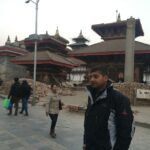
Most people start Kathmandu sightseeing from Thamel, and this tour follows that logic. Your day is set up with a drive beginning from Thamel, and you’ll have a short period simply moving through the city before the first major stop.
That “warm-up” transfer matters more than you might think. You’re moving into the sites with less stress and more attention. You also get daylight views from the ride, since the itinerary notes enjoying the early scenery en route.
One small thing to double-check: the listed start time shows 12:15 am. It could be a typo in the listing format, or it could be correct for your specific departure. Either way, confirm your actual pickup time in your confirmation message so you don’t show up at the wrong hour.
Boudhanath Stupa in One Hour: Prayer Wheels and Pilgrim Rhythm
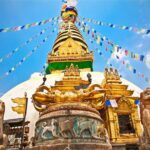
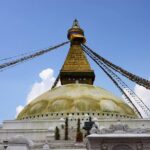
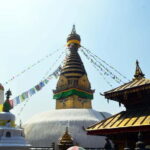
Boudhanath Stupa is where the day should begin, because it sets the tone. It’s described as one of Nepal’s oldest and most significant Buddhist monuments, and the way the tour frames it is simple: you’re not just looking at a landmark, you’re watching religious life happening around it.
You’ll get about an hour here, which is a sweet spot. Long enough to notice how people move, short enough that you won’t feel stuck waiting. The itinerary highlights Tibetan pilgrims circumambulating the stupa and spinning prayer wheels. That’s the key detail: you’re seeing repetition and rhythm, not just architecture.
For your experience, this stop works as a reset. When you later reach Pashupatinath and the Bagmati River, you’ll be ready for a more intense, ritual-heavy scene. Starting at Boudhanath makes the contrast easier to understand instead of feeling like you jumped from one world to a totally different one without context.
Pashupatinath Temple and Bagmati River: Pagodas, Shiva Linga, and Cremation Ceremonies
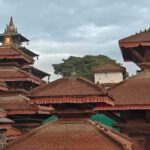
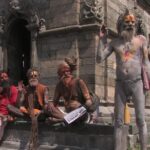
Pashupatinath Temple is a heavyweight site. The tour describes it as a UNESCO World Heritage Site and one of the holiest temples in Hinduism. Expect pagoda-style architecture and the sacred Shiva Linga as major visual anchors.
This is also where the tour becomes more emotionally charged. The itinerary specifically points out Hindu rituals happening along the Bagmati River, where cremation ceremonies are conducted. That means this stop is not just sightseeing—it’s observing something ongoing and deeply meaningful to local religious practice.
A few practical ways to handle this respectfully:
- Go with a calm, observant mindset rather than treating it like a show.
- Keep your camera use thoughtful, because the scene includes active ceremonies.
- Use your guide. A good guide helps you understand what you’re looking at so the experience feels grounded, not confusing.
You’ll have about two hours at Pashupatinath. That’s useful, because it gives time to see multiple moments instead of trying to catch everything in a few rushed minutes. If you’re someone who likes a clear narrative, this is the stop where your guide’s explanations can make a bigger difference than at the other sites.
Bhaktapur Durbar Square: 55-Window Palace and the Lion and Golden Gates
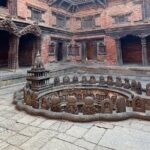
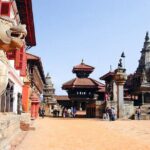
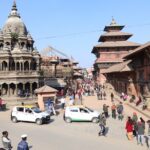
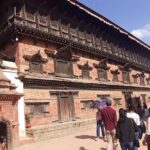
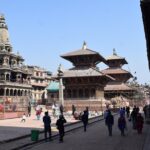
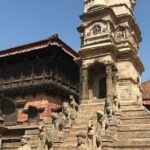
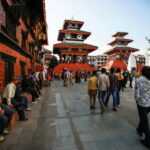
Bhaktapur Durbar Square is the tour’s “art and architecture” payoff. You’re visiting a historic palace complex, and the itinerary calls out standout sights like the 55-Window Palace, plus intricately carved temples and statues.
Two hours here is a nice length because it lets you slow down. Durbar Square rewards attention to detail: the carved forms, the placement of statues, and the way the complex feels like a designed public space rather than a single temple building.
The tour also mentions the Lion and Golden Gates. Those are the kinds of landmarks that sound decorative until you actually see their symbolism in context. With a guide, the gates and palace elements become easier to connect into a coherent story about how power, religion, and artistry showed up in public architecture.
If you like photography, this is the place where you can usually get more varied shots too—temple angles, carved surfaces, and the palace façade details. It’s also described as having lively galleries, which means you’ll experience some atmosphere beyond empty stone and quiet rooms.
A few more Kathmandu tours and experiences worth a look
Price and Value at $95: What You Pay for, What You Need to Budget
At $95 per person, this tour can be good value for a day of multiple major UNESCO-area stops—especially because it includes more than just a driver.
Here’s what’s explicitly covered in the package:
- Private air-conditioned land transportation
- A certified English-speaking guide from Best Heritage Tours
- Entry fees for temples, parks, monasteries, and cultural/historical sites (per the included section)
- Essential ground staff support (like drivers and assistants)
- Administrative costs and government taxes
What’s not included is also important:
- Meals (no breakfast, lunch, or dinner)
- Beverages, including bottled and boiled water
- Gratuities for the hostess and driver (tipping is customary)
- Anything not listed in the included section
So the real budgeting question for you is: can you handle a day without meals packed in? If yes, $95 can look sensible. If you prefer a fully catered day with water handled for you, you’ll need to plan for that yourself.
One more value note: since it’s private, you’re paying for a dedicated vehicle and your own guide time, not a shared group experience. That often makes sense when you want control over pace and questions—particularly at the temple and river stop, where context really matters.
Comfort and Clarity: Private AC Transport and an English Guide
The comfort piece here is straightforward: you’re in a private air-conditioned tourist vehicle the whole day for land travel. Kathmandu traffic and weather can change fast, and AC is the kind of practical upgrade that keeps your energy for the sights instead of draining it.
The guide is the other half of the comfort equation—mental comfort. The package includes a certified English-speaking guide, and the experience has a strong emphasis on explanation and cultural context. Names like Bimal Dhamala show up in the operator’s responses, and multiple past guests highlight guides who explain carefully, even when English isn’t fluent.
For you, this matters most at Pashupatinath and Bhaktapur. Those places can look like “big temples and old buildings” if you don’t have help decoding symbols, architecture, and ritual practice. With an English guide, you’re more likely to leave with a clearer picture of why each site is important, not just where it is.
One small format detail: you’ll receive a mobile ticket. That’s convenient because you’re not managing paper tickets during a day of temple entries.
Who This Tour Fits Best (and Who Might Want More Time)
This itinerary is ideal if you:
- Want three UNESCO-area stops without the hassle of self-planning transport
- Prefer a private pace over squeezing into a larger group
- Value guided explanations at places where religion and architecture overlap
- Are on a tight schedule and still want a day that feels like more than a checklist
It may be less ideal if you:
- Want an all-inclusive meal plan (meals and water aren’t included)
- Get uncomfortable with observing cremation ceremonies along the Bagmati River
- Hate checking for small inconsistencies, like the admission-fee wording mentioned earlier
In other words: if you’re comfortable with a cultural-and-ritual day and you like having a guide explain what you’re seeing, this is a solid match.
Should You Book This UNESCO Kathmandu Day Tour?
I’d recommend booking if your top goal is to see Boudhanath Stupa, Pashupatinath Temple, and Bhaktapur Durbar Square in one organized day with private AC transport and English guidance. The price is reasonable for what’s included, and the day structure is designed so you can actually experience each stop rather than rushing through.
Before you hit confirm, do two quick checks:
- Confirm the admission/entry-fee situation for your departure, since the itinerary language and package language don’t perfectly match.
- Verify the start time shown as 12:15 am, using your confirmation message.
If you handle those two things, you’ll be set up for a memorable Kathmandu day—one that mixes serene Buddhist atmosphere, intense Hindu ritual life, and the standout carved artistry of Bhaktapur.
FAQ
What UNESCO World Heritage sites are included?
The tour focuses on Boudhanath Stupa, Pashupatinath Temple, and Bhaktapur Durbar Square, with travel starting from and returning to Thamel.
Is pickup from Thamel included?
Pickup is offered, and the day begins with travel from Thamel.
How long is the tour?
The duration is listed as 1 hour to 1 day. The itinerary timings add up to several major stops, with about 30 minutes at Thamel, 1 hour at Boudhanath Stupa, 2 hours at Pashupatinath Temple, 2 hours at Bhaktapur Durbar Square, and 30 minutes back to Thamel.
What’s included in the price?
Included items are private air-conditioned land transportation, a certified English-speaking guide, entry fees for temples/parks/monasteries/cultural sites (per the included section), ground staff support, and government taxes/administrative costs.
Are meals and drinks included?
No. Meals and beverages (including bottled and boiled water) are not included.
Is the tour private?
Yes. It’s a private tour/activity, meaning only your group participates.
What if the weather is bad?
The experience requires good weather. If it’s canceled due to poor weather, you’ll be offered a different date or a full refund.
Are there options for service animals?
Yes. Service animals are allowed.