REVIEW · ROME
Rome: Hike along the ancient Appian Way
Book on GetYourGuide →Operated by Hike with Nature of Sal · Bookable on GetYourGuide
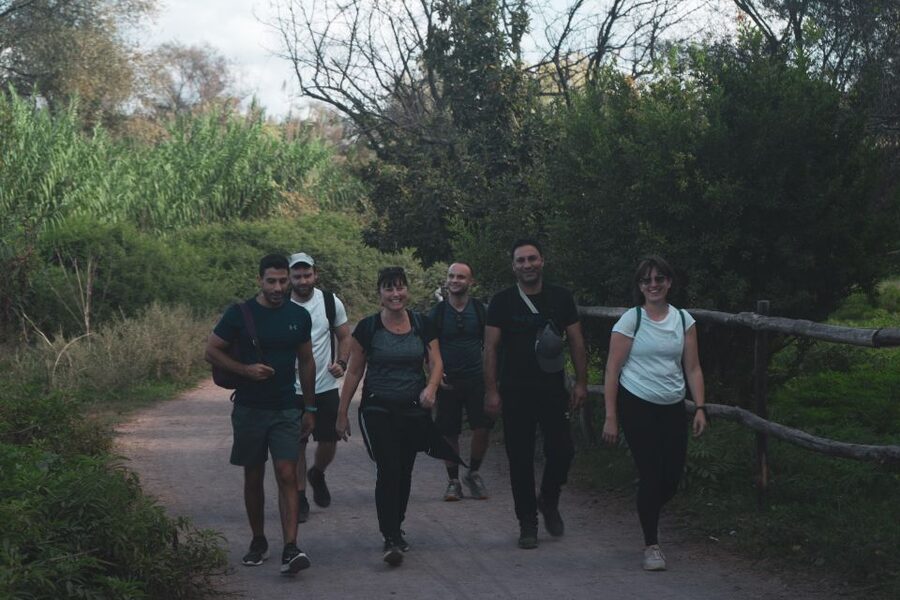
An ancient road, and your feet do the rest. This guided hike on the Appian Way feels like the Roman Empire is sitting just off the path, not in a museum. I love that you walk on the original route itself, so history comes at you in real scale.
I also like the guide-led storytelling. On recent runs with Salvatore, the walk comes with jokes, anecdotes, and even poems that tie what you see to what the road once meant.
One thing to plan for: this is a 17-kilometer, difficult hike with uneven terrain. If you do not do long walking days well, you’ll feel it by the end.
In This Review
- Key Highlights You’ll Feel Fast
- Walking the Appian Way from S. Maria delle Mole
- A 17 km Difficult Hike That’s Mostly Flat (But Still Work)
- What You’ll See on the Appian Way: Roman Stones, Villas, and Nature
- The Guide Makes the Walk Make Sense (Salvatore’s Style)
- From the Road to Circus Maximus: Your End Point and Momentum
- Price and Value: Is $99 Worth a Long Roman Walk?
- Who This Appian Way Hike Fits Best
- Should You Book This Appian Way Hike?
- FAQ
- How long is the Appian Way hike?
- Where does the hike start and where does it end?
- How do I get to S. Maria delle Mole from Termini?
- Where exactly do we meet at S. Maria delle Mole?
- Is this hike one-way?
- What footwear should I bring?
- How difficult is it?
- What languages are available?
- Is food and drinks included?
Key Highlights You’ll Feel Fast
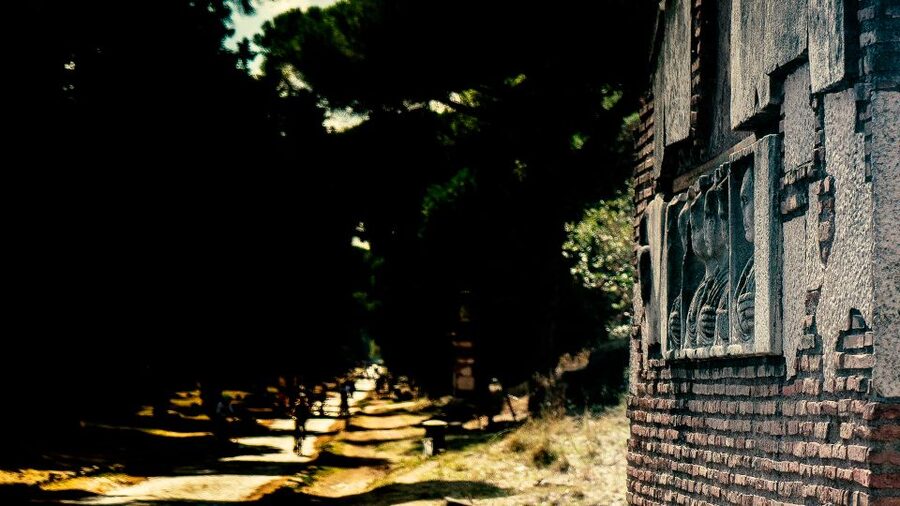
- Appian Way on foot: walk the famous road itself, not a bus ride view
- Roman countryside break: villas, quiet stretches, and wildlife along the way
- Small group (up to 10): you get a real hiking vibe and more guide attention
- Guide energy with Salvatore: stories, fun facts, and thoughtful pacing
- One-way finish near metro: you end at Circus Maximus, ready to move on
Walking the Appian Way from S. Maria delle Mole
This experience starts at a very small train stop: S. Maria delle Mole. You meet directly on the platform, next to the main road, under the blue sign with white letters that says S. Maria delle Mole. It’s easy to spot once you’re there, but you do want to arrive early enough to find it without stress.
If you’re coming from Termini Central Station, take the train that reaches S. Maria delle Mole in a bit over 20 minutes. Before you board, validate your ticket. One practical detail that matters here: the platform is short. You’ll have a calmer start if you use one of the front doors to exit the station.
Timing is part of the magic. The group meets about 15 minutes before departure, which gives you time to settle, get your bearings, and start hiking while everyone is still fresh. That small buffer helps on a day when you’re covering a lot of ground.
One more thing that affects your comfort: this hike is set up to be one-way, starting at S. Maria delle Mole and finishing near Circus Maximus. So you’re not doing a loop where you can bail at any time. You should treat it like a planned walking day and go in with that mindset.
You can also read our reviews of more hiking tours in Rome
A 17 km Difficult Hike That’s Mostly Flat (But Still Work)
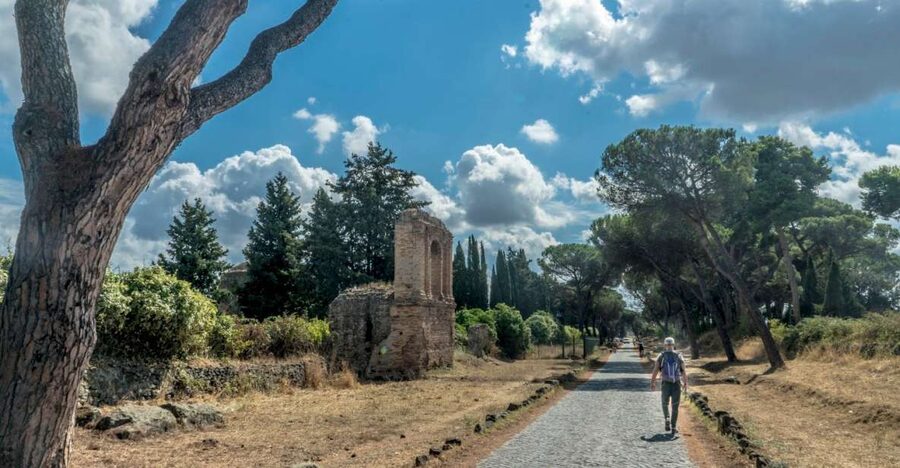
The stated difficulty is difficult, and they’re not guessing. You’re looking at around 17 kilometers with about 160 meters of elevation gain. The good news is the route is mostly flat, but “mostly flat” does not mean “easy.” You still need to handle uneven terrain, stones, and the kind of footing that makes you pay attention instead of cruising mindlessly.
Here’s how that typically plays in real life: on flat sections, your pace can feel steady, but your legs still rack up distance quickly because you’re on an authentic outdoor route for hours. On uneven bits, you’ll slow a little without noticing. Then, by the end, your calves and feet will remind you that you walked a full-day distance.
The group size also influences how you experience the difficulty. With a small group limited to 10, the guide can keep everyone together, but there’s still no “moving walkway” trick. You’re hiking.
And yes, conditions can change the day’s rhythm. Weather and unexpected obstacles can affect the final timing and path, and the guide can adjust as needed for safety. That flexibility is actually reassuring. You’re not tied to a rigid plan that ignores reality outdoors.
Practical takeaway: wear shoes you trust for long distances on rough ground. The activity specifically says no sandals or flip-flops, and I agree with that completely. This is the day for traction and support.
What You’ll See on the Appian Way: Roman Stones, Villas, and Nature
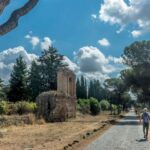
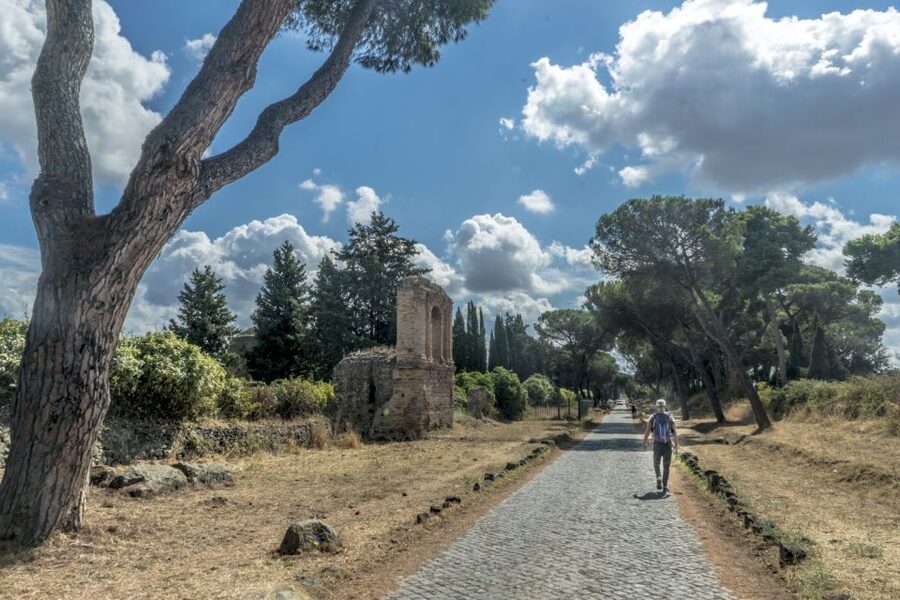
The headline here is simple: you’ll hike on the world-famous Appian Way, also called the Queen of Roads. That name matters because it explains what you’re experiencing. This road is not just a scenic trail. It’s a historic corridor that still “reads” like a Roman route under your feet.
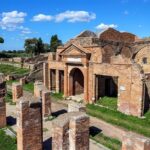
Along the way, the experience focuses on a mix of Roman countryside and cultural reminders of the Roman Empire. That means you’re not only passing through open space and greenery. You’re also walking alongside the atmosphere of old Rome: the sense of long-distance travel, the weight of infrastructure, and the feeling that the past is right there in the texture of the route.
The tour highlights flora and fauna along the Appian Way. Translation: it’s not sterile sightseeing. You’re likely to notice plants and wildlife in a way that feels more like walking through a living landscape than ticking boxes.
You’ll also encounter villas as part of the scenery. Even without turning it into a museum visit, the presence of villas helps make the walk feel grounded in real Roman life—places tied to estates and country living, not only emperors and monuments.
If you like quiet moments, this is a good match. You’re out on a long outdoor stretch where the day can slow down. You’re not constantly stuck in crowds or inside. The “nature as you go” aspect is a real value here, especially if you want your Rome day to feel different from the classic center-of-town circuit.
The Guide Makes the Walk Make Sense (Salvatore’s Style)
A guided hike lives or dies by the person leading it. This one includes a professional guide and runs in English and German. That’s useful if you want accurate context without having to translate everything yourself in your head.
One name stands out from recent feedback: Salvatore. People describe him as engaging and genuinely fun, sharing stories and anecdotes during the walk. Another detail worth noting: one review mentioned poems along the route. That tells me the guide isn’t just listing dates. He’s trying to connect the road, the setting, and the emotion of the place.
I like that. It turns the hike from a physical event into a story you can follow. Instead of looking at stones and thinking, I guess this is ancient, you start noticing patterns: why roads like this mattered, how the landscape would have shaped travel, and how Roman power left a long imprint.
A small group matters here again. When you’re with up to 10 people, you’re less likely to get stuck listening from the back. You can hear the guide, ask a question if something is unclear, and actually keep a rhythm that feels like a shared outing rather than a conveyor belt.
From the Road to Circus Maximus: Your End Point and Momentum
The hike finishes next to Circus Maximus, with the note that it’s right next to the subway station. That ending is practical. It helps you avoid the common problem of ending a walking day far from public transport, forcing you to improvise at the worst time—when your energy is already spent.
Because the experience is one-way, your mental planning should include how you’ll travel on from the finish. Ending near a metro stop is a big plus in Rome, where you can often keep moving without a complicated transfer.
Another benefit of this kind of end point: you can shift from hiking mode to city mode quickly. Your legs may complain, but you’re not stuck waiting around in the middle of nowhere.
If you’re combining this with other plans, treat it like a main event. A 5.5-hour hike plus getting to and from the start means your day needs structure. The tour time is set, and the guide may adjust timing based on weather or obstacles, so it’s smart to keep your later plans flexible.


Price and Value: Is $99 Worth a Long Roman Walk?
At $99 per person, you’re paying for more than a route. You’re paying for the guide, the small group setting, and the fact that the day is designed as a real hike with expert context.
Here’s how I think about value for a day like this:
- You get guided interpretation, which can turn a long walk into something more memorable than just exercise.
- Small-group size improves the experience. With a limit of 10 participants, it’s easier to feel seen and get answers.
- You avoid planning friction. Figuring out the long stretch, timing, and how to get yourself across a one-way route is work. This replaces that work with a clear plan.
What you don’t get is also part of the value equation. Food and drinks are not included, and there’s no mention of attraction entrances. So you should plan your own snacks or hydration and decide whether you want to stop for anything before or after.
If you enjoy hiking and want history you can physically access, $99 starts to make sense fast. If you’re mainly looking for a quick photo and a short stroll, this isn’t the right fit. This is a serious walking day, with difficulty built in.
Who This Appian Way Hike Fits Best
This experience is best for people who want Rome in a different format:
- You like walking as a way to understand a place, not only as transportation
- You enjoy Roman countryside scenery, with nature plus history as you go
- You want a guide who tells stories, not just points at sights
- You can comfortably handle a long distance hike with uneven ground
If you’re the type who likes quiet time and appreciates the slower rhythm of the outdoors, this is a strong match. One review also mentioned a feeling of being cared for, with practical help before and after the hike. That aligns with what a good small-group guide should do: keep you oriented so you can focus on the walk.
On the other hand, if you have foot or mobility issues that make long uneven terrain difficult, you should think twice. Even though elevation gain is modest, distance is still the issue.
Should You Book This Appian Way Hike?
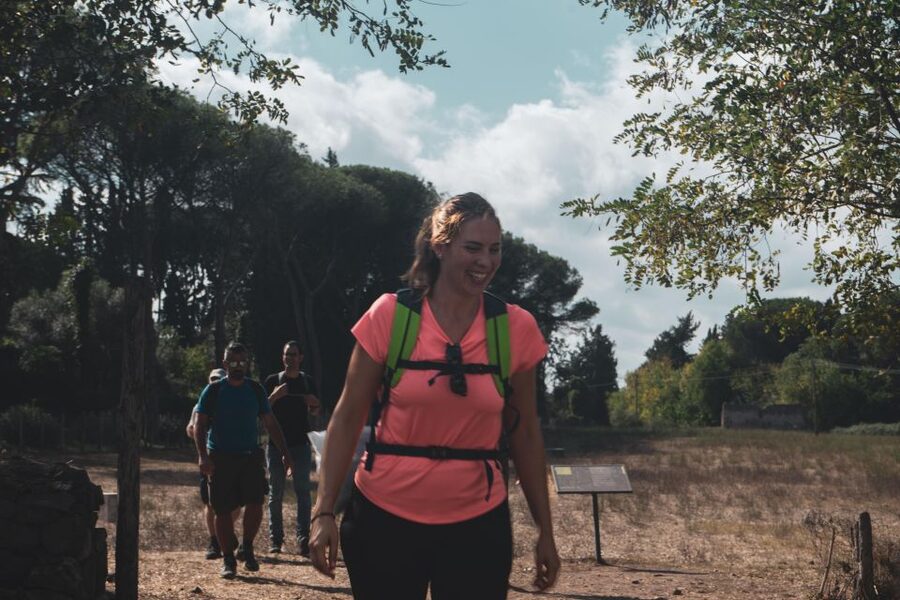
I’d book it if you want a Rome day that feels like an actual journey. The combination of walking the Appian Way, seeing Roman countryside details like villas and plant life, and getting Salvatore-style storytelling makes it more than a workout.
Skip it if you need a light schedule, short walking distances, or guaranteed indoor time. This is outdoors, rain or shine, and it’s built for people who are ready to keep moving.
My simple decision rule: if you’re already packing hiking shoes and you’re the friend who doesn’t complain about walking, this one will reward you. If you want something easier, look for a shorter, less demanding Roman outing.
FAQ
How long is the Appian Way hike?
The experience lasts about 5.5 hours.
Where does the hike start and where does it end?
It starts at S. Maria delle Mole and finishes at Circus Maximus, right next to the subway station.
How do I get to S. Maria delle Mole from Termini?
Take a train from Termini Central Station; it takes a bit over 20 minutes. Remember to validate your ticket before boarding.
Where exactly do we meet at S. Maria delle Mole?
Meet directly on the platform, under the blue sign with white letters that says S. Maria delle Mole.
Is this hike one-way?
Yes. It is one-way: from S. Maria delle Mole to Circus Maximus.
What footwear should I bring?
Bring hiking shoes. Sandals or flip-flops are not allowed.
How difficult is it?
It’s listed as difficult: around 17 kilometers, about 160 meters of elevation gain, with uneven terrain (mostly flat).
What languages are available?
The live guide experience is offered in English and German.
Is food and drinks included?
No. Food and drinks are not included. Also, entrance to attractions is not included.