REVIEW · WASHINGTON DC
Washington DC: National Museum of Natural History Tour
Book on GetYourGuide →Operated by Babylon Tours DC · Bookable on GetYourGuide
Hope Diamond day in Washington DC sounds like magic. This 2.5-hour guided walk through the National Museum of Natural History is a smart way to beat the stress of a massive museum and focus on the exhibits that most impress. I particularly like how the guide keeps the pace moving while still making room for questions and quick sidetracks.
What I like most is the lineup: the Hope Diamond and the glowing Dom Pedro Aquamarine, plus real mummies and the Ocean Hall coral reef setup. I also love the small-group format (private or shared, capped at 8), which makes it easier to spend extra time where your group actually cares.
One consideration: you’re walking and you’re limited by museum rules—no large bags, and some rooms can require quiet or restricted speaking. If you’re hoping to linger for hours on your own, this tour is for highlights, not for total freedom.
In This Review
- Key points to know before you go
- A 2.5-hour plan built around the museum’s biggest hits
- Hope Diamond and Dom Pedro Aquamarine: the jewelry section people remember
- Real mummies plus lab-style thinking: where science gets human
- Ocean Hall coral reef + Phoenix the whale: scale you can feel
- The fossil, Arctic narwhal, and land giants that balance the day
- Pricing and value: is $86 for highlights actually fair?
- Logistics that affect your day more than you’d think
- Private vs small group: which option fits your style
- Should you book this Natural History Museum tour?
- FAQ
- How long is the National Museum of Natural History guided tour?
- Is it a private tour or a group tour?
- Does the tour include skipping the ticket line?
- What should I bring to the museum?
- Are luggage or large bags allowed?
- Does the tour include temporary exhibits?
- What if the museum is closed or delayed?
- Is the tour wheelchair-friendly?
Key points to know before you go
- Small group size (up to 8) keeps the tour personal and flexible
- Hope Diamond and Dom Pedro Aquamarine are standouts that most people come for
- Real mummies add a serious, surprising layer beyond the flashy gems
- Ocean Hall + Phoenix whale give you scale and storytelling, not just objects
- Fossil Lab moments help you understand how science is studied, not only what’s displayed
- English-speaking guides often tailor the pace to your interests, like Leigh, Tim, Tony, and Brenda
A 2.5-hour plan built around the museum’s biggest hits
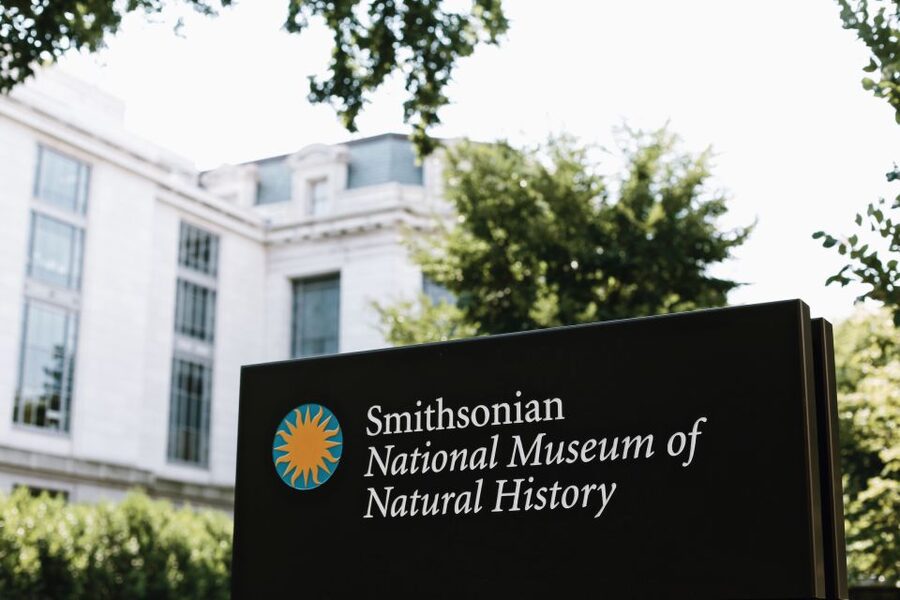
The National Museum of Natural History is huge—big enough that you can lose time just finding your way between areas. This guided version works like a route with a referee: you get a plan for the best stops, and your guide helps you get your bearings fast.
You’ll spend about 2.5 hours walking with an English-speaking guide. The format is either private or a small group (max 8 people). That limit matters. In a museum this size, small-group tours feel more like having a well-prepared friend than joining a slow-moving line.
Also, you get a real focus on “why it matters.” You’ll hear historical and scientific background, plus the kind of small details that make objects feel less like display cases and more like stories.
You can also read our reviews of more historical tours in Washington Dc



Hope Diamond and Dom Pedro Aquamarine: the jewelry section people remember
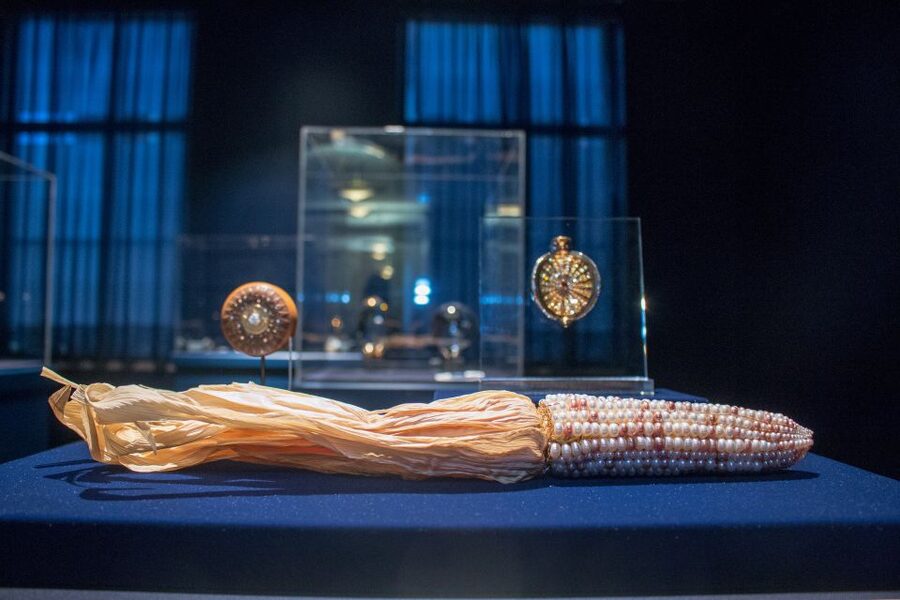
Yes, you’ll see the Hope Diamond, a 46-karat legend that draws attention the second your eyes land on it. But the point of going with a guide isn’t just to look—it’s to understand what makes it famous and how it fits into the museum’s broader story about minerals, materials, and natural formation.
Then comes the Dom Pedro Aquamarine, described as the world’s largest gem of its type. This is one of those moments where it’s hard to believe something can be that large and still look so crisp and precise behind glass. A good guide helps you notice what your brain might otherwise skip: proportions, color, and how the museum frames gemstones in a scientific context, not just as art.
And if your group likes a little variety in the same area, you’ll also hear about the Star of Asia Sapphire alongside this gem-focused stretch. It’s a satisfying block of “wow” with enough explanation to keep it from turning into only photos and head-nodding.
Real mummies plus lab-style thinking: where science gets human
Natural history museums can sometimes feel like they’re showing you results. The best guides change that. They help you see the process—how people learned what they know, and what evidence looks like.
This tour includes real mummies, and your guide’s job is to connect the display to the questions behind it: how the museum interprets artifacts, what researchers look for, and how scientific methods shape the story you see today. That blend—science plus human history—is one reason this stops well for families and teens.
You’ll also pass through areas that hint at how museum work is done. The Fossil Lab stop is a good example. Even when you’re looking at what’s displayed, it helps to understand that fossils don’t just appear fully formed in a case. A guide can point out what to watch for and why certain details matter.
If you end up with a guide like Leigh, who’s praised for storytelling and keeping even a 16-year-old engaged, you’re likely to get those “wait, that’s how they figured it out?” moments. Tim and Brenda also come up often for making the experience feel conversational and responsive.
Ocean Hall coral reef + Phoenix the whale: scale you can feel
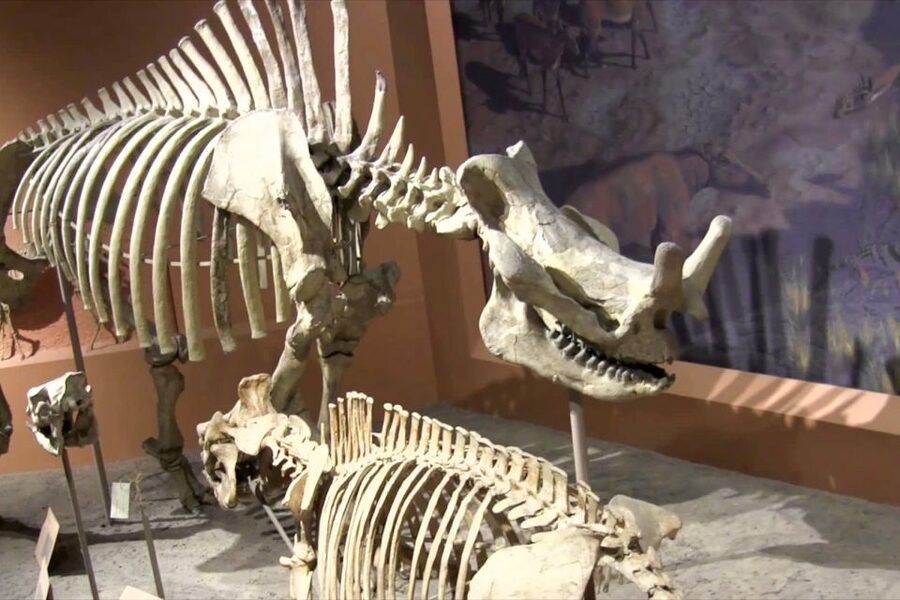
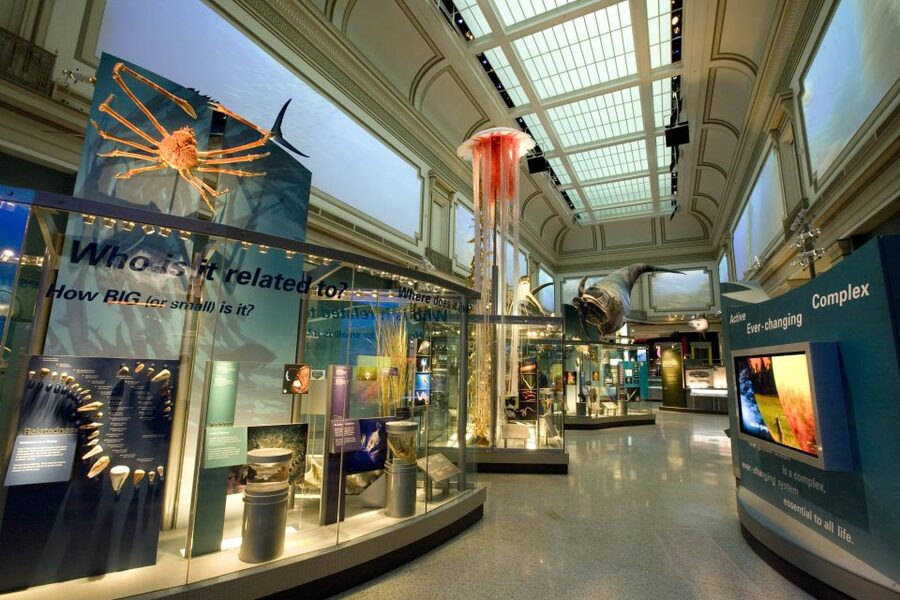
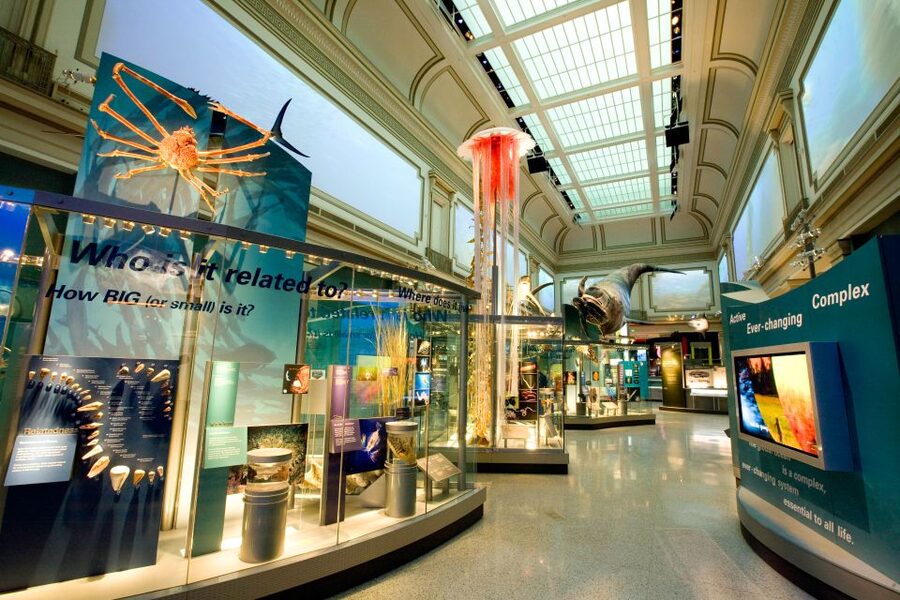
Next comes the section many people don’t expect to love as much as the gems: the Ocean Hall. It brings you face-to-face with a real-life coral reef exhibit, so it’s not just a list of sea creatures. It’s environment. It helps you understand oceans as systems—habitats, not just collections of species.
Then there’s Phoenix, the museum’s 45-ton whale replica that the museum has been following in the wild. That “replica” word could sound like a downgrade, but it lands the opposite way. When you’re standing near something built to represent a whale of that scale, your brain recalibrates. It’s the kind of exhibit that makes you look upward, step back, and realize how different marine animals are from the land world.
Your guide can turn these big displays into a clearer narrative. You’ll hear how the museum frames marine life and why the Ocean Hall is presented the way it is. If your group is into nature documentaries, this part is where the tour feels like it has the best pacing.
The fossil, Arctic narwhal, and land giants that balance the day
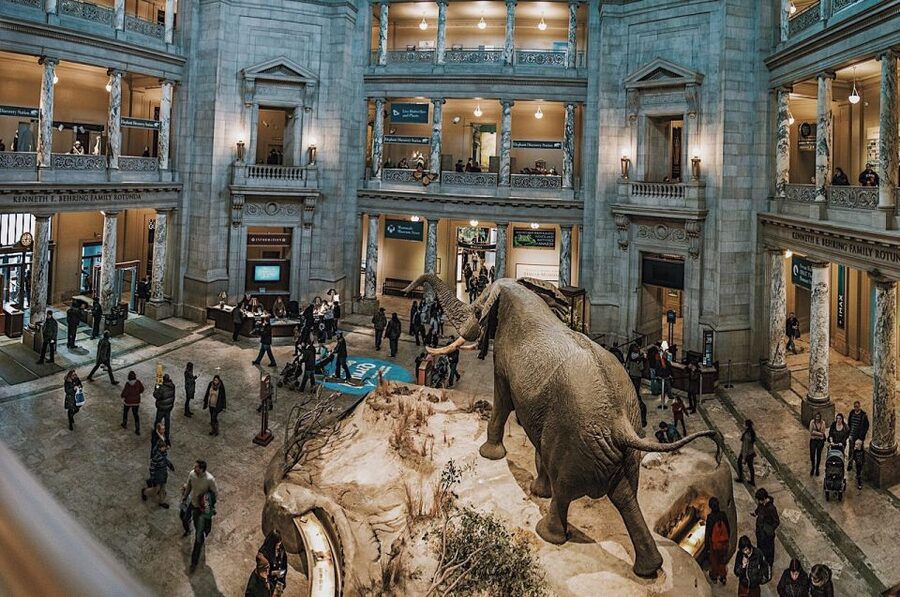
After the ocean stops, the tour shifts back to the museum’s big idea: understanding life on Earth across time and geography. You’ll see displays that include the Arctic Narwhal, which is a fun stop because it’s both unusual and instantly recognizable. It’s also a great chance to ask questions about adaptation and how animals survive in extreme places—assuming your group has questions, a good guide will likely invite them.
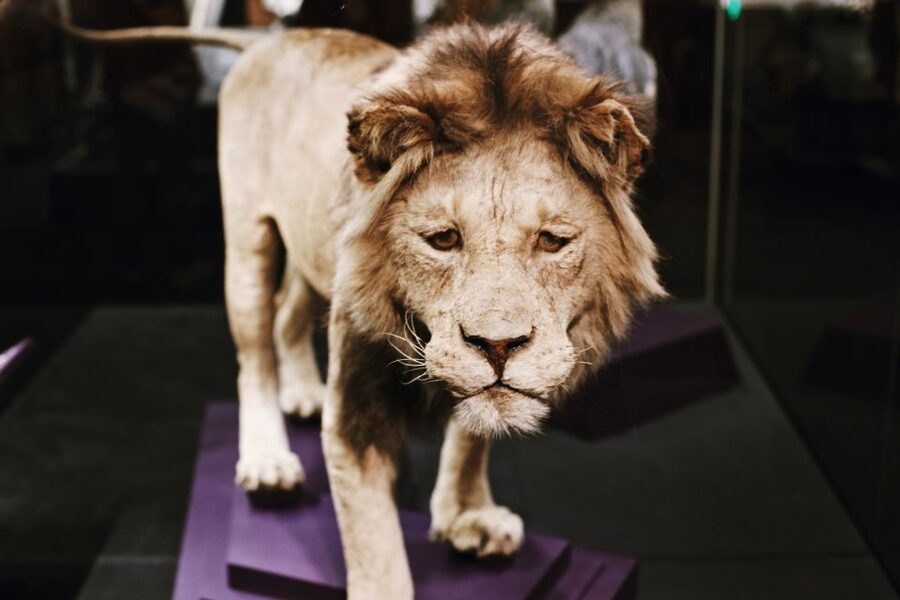
Then you’ll hit the land side of the museum too: giraffes, elephants, polar bears, and other large mammals. These are not just “animals on walls.” They show how the museum organizes scale and anatomy, and they give your feet a break from the earlier glass-and-metal gem sections.
You’ll also get a sense of how the museum handles variety. The tour doesn’t treat natural history as one theme. It moves between minerals, fossils, living ecosystems, and extinct life. That mix is part of the value: you’ll leave with a mental map that feels stitched together.





Pricing and value: is $86 for highlights actually fair?
At $86 per person for a 2.5-hour guided walking tour, the value depends on what you want from your day.
If your goal is to see the top hits without wasting time, this price can feel reasonable fast. You’re paying for three things:
- a guide who knows where the best stops are in a museum this large
- a structured route that keeps you from bouncing around randomly
- help turning displays into understanding, especially for the big standouts like the Hope Diamond and Ocean Hall
Also, the tour includes skipping the ticket line, which matters when the museum gets busy. Even a short delay can eat half your attention. This format is built to keep your time from slipping into queue time.
What you should be aware of is what you might not get: temporary exhibits aren’t included, and the tour is designed around the museum’s featured strengths rather than a full free-roam day. If you plan to spend extra hours wandering after the tour, that’s a good strategy. Think of this as the guided launch, not the final chapter.
Logistics that affect your day more than you’d think
A few practical details make or break the experience in a museum setting.
Security and bags: you’ll need passport or ID card for entry. You also can’t bring luggage or large bags, and only handbags or small thin bag packs are allowed through security. If you’re traveling with a bigger bag, plan to store it before you arrive, because the museum won’t accommodate heavy gear during your walk.
Meeting point: your start location can vary based on the booked option, and the tour ends back at the meeting point. There’s no hotel pickup or drop-off in the included details, so you’ll want to get yourself there on your own.
Museum rules inside: some rooms may require quiet or have restricted speaking rules. Your guide will explain what to expect before you enter those spaces, so you’re not surprised mid-tour.
Occasional closures: the museum can close certain areas unexpectedly. If the opening is delayed by more than 1 hour from your tour start time, you’ll be offered an alternative. In those cases, refunds or discounts aren’t provided.
Dress: appropriate dress is required for entry into some sites on the tour. It’s not about looking good for photos—it’s about being allowed in.
Private vs small group: which option fits your style
If you like control and conversation, the private tour option is the better fit. You’ll get the same core highlights, but the guide can slow down or move faster based on your pacing.
If you want the best mix of guidance and social energy, choose the small group option (still capped at 8). The advantage is that you’re not stuck alone with a rigid schedule. A guide can also tailor stops to what your group is interested in, and some guides are especially good at this.
One review example that captures the difference: Tim is praised for asking what people care about and making sure the group gets more time in those areas. That kind of “respond to the room” guiding is easiest in smaller formats.
Should you book this Natural History Museum tour?
Book it if you want:
- the fastest route to the museum’s top sensations (Hope Diamond, Dom Pedro Aquamarine, real mummies)
- a guide who can add context to what you’re seeing
- a plan for Ocean Hall and Phoenix that doesn’t feel rushed
Skip it (or at least be cautious) if you want:
- hours of total free time inside the museum on your own
- a tour that works like a slow gallery crawl
- a setup that’s easy with big bags or strict mobility needs (the tour notes wheelchair tours are available by request, but it also states it isn’t suitable for wheelchair users—so you should check directly before booking)
If your day in DC is limited, this is a strong way to turn a museum visit into an organized, high-impact experience without getting lost.
FAQ
How long is the National Museum of Natural History guided tour?
The tour lasts about 2.5 hours walking. Starting times depend on availability.
Is it a private tour or a group tour?
You can choose either a private tour or a small group option. Each tour is limited to a maximum of 8 people.
Does the tour include skipping the ticket line?
Yes. The tour includes skipping the ticket line.
What should I bring to the museum?
Bring a passport or an ID card (photo ID is required).
Are luggage or large bags allowed?
No. Luggage or large bags aren’t allowed. Only handbags or small thin bag packs are permitted through security.
Does the tour include temporary exhibits?
No. Temporary exhibits are not included.
What if the museum is closed or delayed?
The National History Museum may close occasionally without warning. If delays exceed 1 hour from the tour starting time, you’ll be given an alternative. Refunds or discounts aren’t available in those cases.
Is the tour wheelchair-friendly?
Wheelchair tours are listed as available by request only, but the activity is also flagged as not suitable for wheelchair users. Check with the provider directly before booking.