REVIEW · KYOTO
Kyoto & Nara Private Luxury Car Tour: Encounter with Deer
Book on GetYourGuide →Operated by Kansai Holiday · Bookable on GetYourGuide
Deer and gold in one smooth day. This private tour strings together Kyoto’s most iconic sights with Kinkaku-ji and the Fushimi Inari torii tunnel, then lands you in Nara for deer time. One catch: entrance fees and food are not included, so budget a bit extra once you’re on the ground.
I like the door-to-door setup. A professional driver meets you at your hotel gate, and you ride in an air-conditioned private vehicle with WiFi and charging in-car, plus a multilingual translation app.
By the time you reach Todaiji and Nara Park, the pacing feels calmer than squeezing trains and buses between stops. And if you still have time, the plan can flex toward spots like Nishiki Market, Sannenzaka/Ninenzaka, and Gion.
In This Review
- Key things to know before you go
- Private luxury car from Kyoto to Nara, minus the transit stress
- Kinkaku-ji’s gold shine: what to watch for and how to enjoy it
- Fushimi Inari’s red torii tunnel: walking it like an experience
- Sanjusangendo’s 1,001 statues: the quieter wow moment
- Tōdai-ji and Nara deer: the day’s biggest scale shift
- If you have time: Nishiki Market, Sannenzaka/Ninenzaka, and Gion
- Price and value: when $435 makes sense for a group of up to five
- Who this tour fits best (and who might want a different plan)
- Should you book this Kyoto and Nara deer encounter day?
- FAQ
- What is included in the $435 price?
- Are entrance fees to temples and shrines included?
- Is Sanjusangendo definitely included?
- How many people can fit in the private vehicle?
- Is WiFi and phone charging available during the drive?
- Do you offer baby seats?
- Is the tour wheelchair accessible?
Key things to know before you go
- Hotel pickup in Kyoto means you start without hunting transit with a timeline on your back.
- Kinkaku-ji early brilliance is a great way to begin before the day gets busy.
- Fushimi Inari’s torii tunnel is memorable when you approach it like a walk, not a checklist.
- Sanjusangendo (optional) pairs well with the bigger wow-factor of Todaiji later.
- Nara Park deer feeding is part sweet, part respectful—know the etiquette and go slow.
- Top-rated driver service has included drivers like Amber and Wang, with extra kindness and even detours when time allows.
Private luxury car from Kyoto to Nara, minus the transit stress
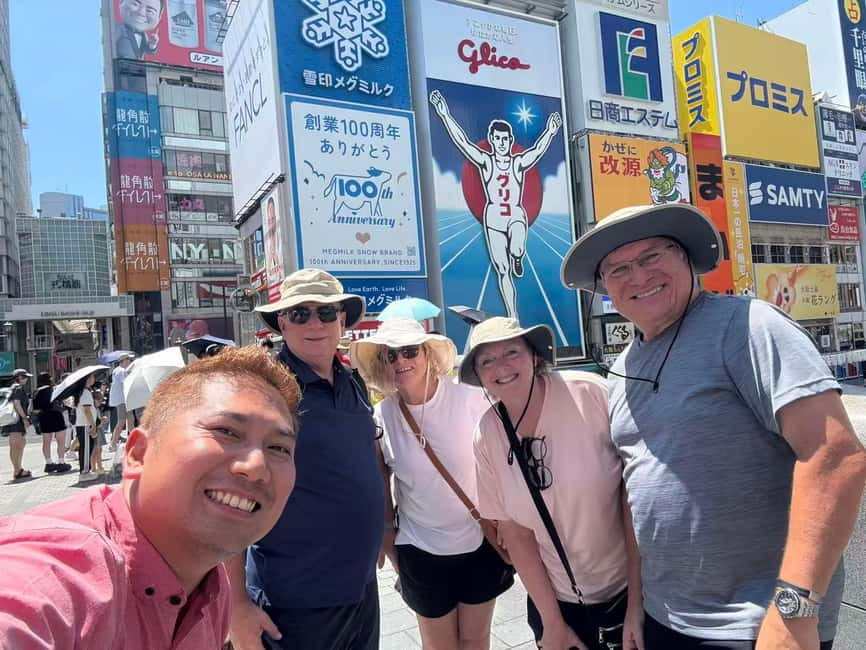
This is a 10-hour private car day designed for people who want the highlights without the mental math of buses, transfers, and luggage-forced timing. You get hotel pickup and drop-off in Kyoto, and the vehicle is air-conditioned with WiFi and charging options (USB and power charging points are included per past rider notes).
Your driver speaks Chinese, English, and Japanese, and the tour also includes a multi-language translation app in the car. That combo matters because temple/shrine etiquette is real—simple things like where to stand, when to move, and how to be respectful go more smoothly when you’re not guessing.
One practical bonus: private transportation usually means shorter “wait and scramble” moments. You’ll still have walking and lines at the temples, but you’re not stuck spending your day sprinting between stations.
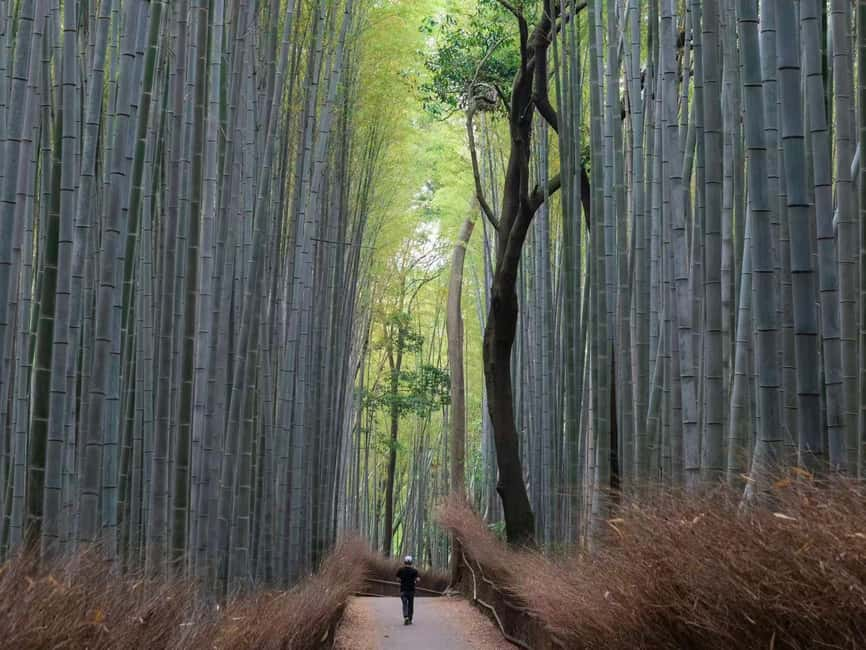
If you want a slightly more customized day, this is where the driver’s role really shows. In past trips, drivers like Amber and Wang have made helpful suggestions and handled pick-up points smoothly. One rider even had extra time and got a detour to the bamboo forest, which is a nice example of how flexible the day can feel if your schedule has breathing room.
You can also read our reviews of more private tours in Kyoto
Kinkaku-ji’s gold shine: what to watch for and how to enjoy it
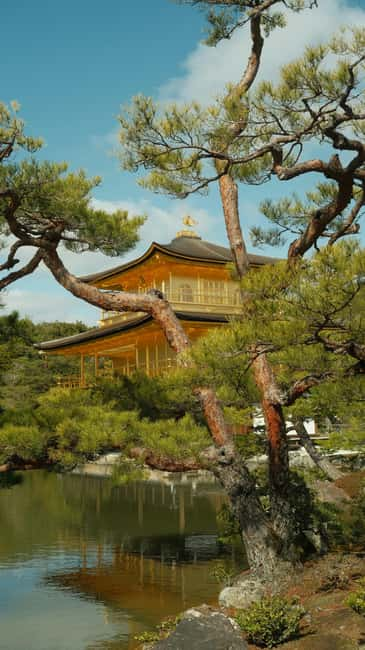
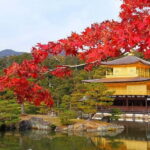
Kinkaku-ji, the Golden Pavilion, is the kind of stop that feels famous for a reason. It’s a three-story pavilion covered in gold leaf and a UNESCO World Heritage Site, so you’re not just seeing a pretty building—you’re seeing an icon with serious cultural weight.
I love that this tour starts with Kinkaku-ji before the afternoon crowd energy takes over. You’ll get to enjoy the shimmering look of the pavilion and the surrounding temple atmosphere while the day is still young. The setting also gives you multiple angles for photos without needing to memorize camera spots. Just take a slow walk, then pause and let your eyes adjust; the gold effect can look different as the light shifts.
The main consideration here is time and attention. Kinkaku-ji is visually intense, so it’s easy to rush. Instead, give yourself a minute to step back from the crowd points and observe the details that don’t register in one quick glance. If you love architecture and symbolism, this is one of the best “starter” temples in Kyoto.
Also, remember this is a private car tour: you’re not trapped in a rigid group rhythm. If you want a little extra time here, your driver can usually help adjust as long as the overall day stays on track.
Fushimi Inari’s red torii tunnel: walking it like an experience
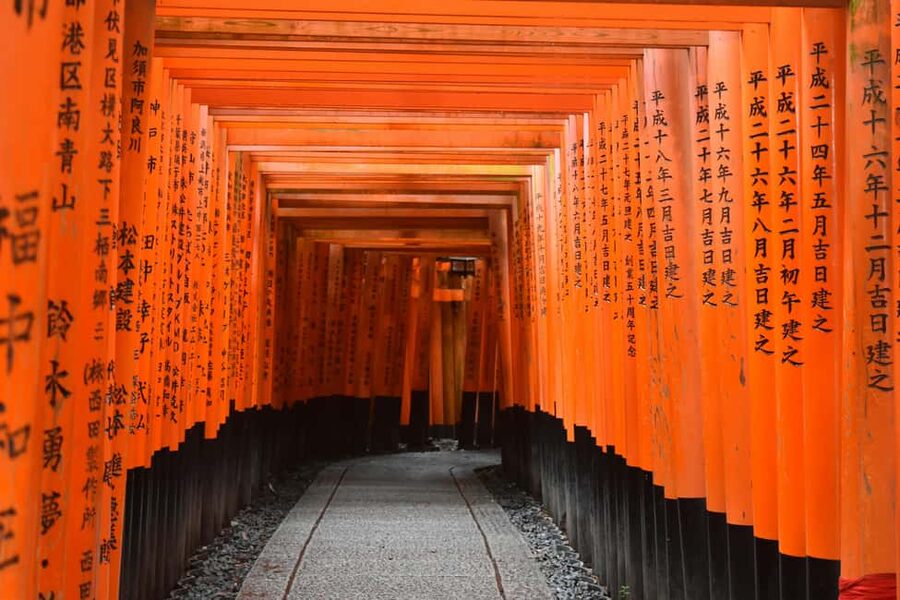
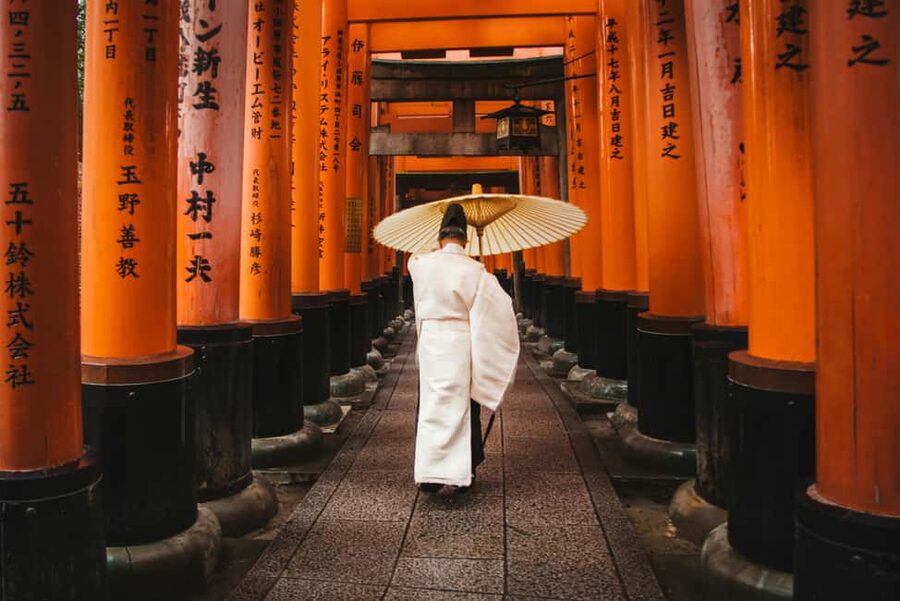
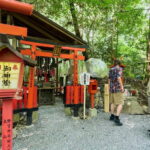
Fushimi Inari Taisha is famous for a reason. The shrine’s long corridor of thousands of red torii gates creates a tunnel effect along the mountain path, and it feels like you’ve stepped into another world the moment you enter.
I recommend treating it as a walk, not a sprint. Wear shoes you trust for uneven stone and steps. The torii path is beautiful, but it also asks you to keep moving, especially if you go farther along. If you only rush to the first big viewpoint, you can miss the real magic: the repetition of gates and the shifting angles as you turn corners.
This tour’s value is that you’re not coordinating buses to get there. Your driver brings you to the shrine area, and you can focus on the experience—then return to the center of Kyoto afterward.
A balanced caution: Fushimi Inari can get crowded. You’ll see people doing the quick photo stop, plus people who want the calm. If that crowd factor bothers you, don’t fight it—plan to slow down at quieter stretches of the path and let the energy move around you.
And once you’re back at ground level, take a moment before your next transfer. The day is long, and Fushimi Inari is a lot of walking. Hydration helps, especially since you’re moving from site to site for 10 hours.
Sanjusangendo’s 1,001 statues: the quieter wow moment
Sanjusangendo is listed as a possible add if you have enough time, and that’s exactly why it’s worth considering. It’s a less tour-packed treasure spot compared to the biggest Kyoto names, but it delivers a completely different kind of wow.
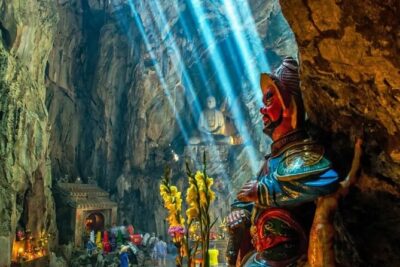
This temple is the longest wooden structure in Japan and houses 1,001 golden Guanyin statues. That number sounds like a gimmick until you’re standing in the space and realizing the whole hall is filled with repeating figures. It’s the type of attraction that rewards patience. You don’t have to understand every religious detail to feel the impact of the scale.
If you’re the kind of traveler who enjoys details—pattern, repetition, and how a room changes your sense of time—this stop can be a highlight. If you’re short on energy, it’s still impressive, but you’ll enjoy it most if you slow down for a few minutes in the main viewing area.
The practical drawback: because it’s time-dependent in the flow of the day, you might not get it if the earlier stops run long. That’s not a flaw—it’s how a 10-hour private day stays realistic. If Sanjusangendo matters to you, tell your driver early that you’d like to try to include it.
Tōdai-ji and Nara deer: the day’s biggest scale shift
Tōdai-ji is your “okay, wow” stop. This is the largest wooden building in the world, and it houses a magnificent bronze Buddha statue. The Buddha is about 15 meters high, and the story of how it took almost all of Japan’s bronze reserves at the time adds perspective to why people treat this place like a major milestone.
I like that the tour pairs Tōdai-ji with Nara Park. It creates a useful contrast: inside, you get monumental human-made devotion; outside, you get open-air calm and animals that feel wonderfully unbothered by human schedules.
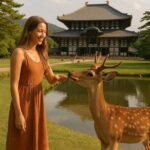
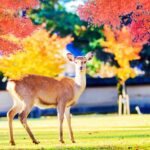
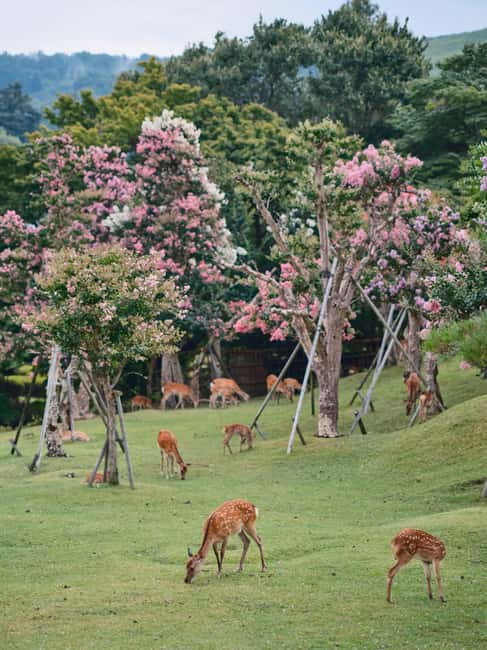
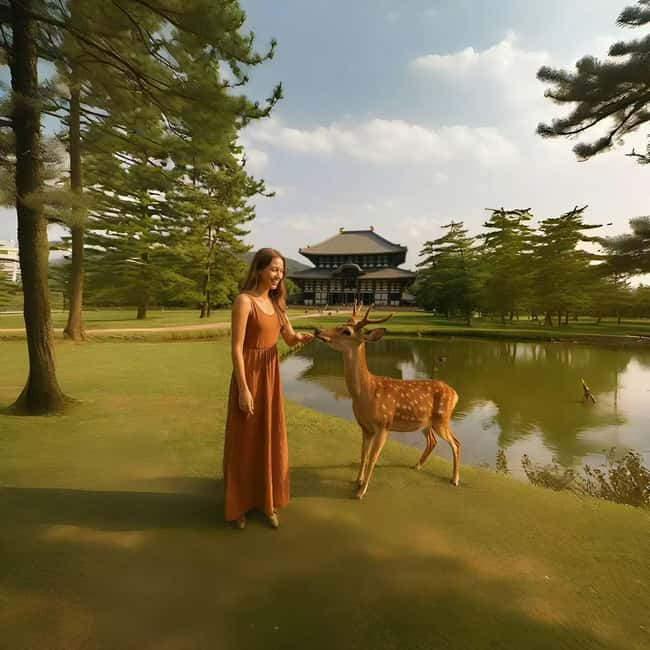
Here’s what to expect in Nara Park. You can see herds of deer leisurely walking in the grass and hanging around close to people. The tour encourages you to buy a packet of deer cakes and interact with them. That makes the experience feel playful and memorable without needing any extra planning.
That said, the deer part has an etiquette angle. Keep your feeding calm, don’t rush, and keep your personal space in mind. Deer are docile, but they’re also used to people. The best move is to watch how others approach, then follow a gentle pace with your deer cakes.
Also, Nara Park is popular. Expect a bit of crowd flow, especially near the feeding areas. If you’re sensitive to noise or want photos without a million legs in the frame, give yourself some time to shift positions rather than taking shots from the busiest spots.
If you have time: Nishiki Market, Sannenzaka/Ninenzaka, and Gion
One of the practical strengths of this tour is the built-in flexibility for what you do after the main temple stops. If there’s time, the day can include Nishiki Market, a narrow market in central Kyoto where you can sample traditional food and buy small gifts.
If time is tighter, the plan can shift toward Sannenzaka and Ninenzaka, along with walking toward Gion. These lanes are often used for evening strolling because they help you feel like you’re in historic Kyoto instead of just passing through.
Here’s how I suggest thinking about the optional blocks. They’re not “extra credits.” They’re how you balance the spiritual scale of temples with the everyday feel of Kyoto streets and snacks. If you’ve skipped markets in other cities, this is a good chance to grab something small and locally specific.
If you love neighborhoods and evening atmosphere, Gion can be a satisfying wrap-up. Keep your expectations realistic: it’s a popular area, so you’ll want to enjoy the walk and the atmosphere more than trying to spot something specific on demand.
Price and value: when $435 makes sense for a group of up to five
The price is $435 per group up to 5 people, for a 10-hour private luxury car day. That sounds like a splurge until you break down what’s included: hotel pickup and drop-off, air-conditioned private transportation, parking fees, fuel and tolls, WiFi in the car, and a multilingual translation app. For families or small friend groups, that’s often where the value shows up fast.
Entrance fees and food are not included. So you’ll still pay for temple/shrine admission and whatever you eat. The upside is that your spending stays flexible—you’re not forced into a set menu or fixed snack plan.
Also consider the “time economy” benefit. A private driver saves you from transit friction between Kinkaku-ji, Fushimi Inari, Nara, and the main Nara temple area. Even if you’re not stressed, the day moves cleaner when someone is handling the driving and the practical pick-up rhythm.
One more value detail: past rider notes highlight good service from drivers like Amber and Wang, including being attentive with pick-up timing and kindness on the route. They also mention in-car WiFi and USB charging, plus water bottles being offered during the journey. Those small comforts matter when you’re moving for 10 hours.
If you want the option to extend beyond 10 hours, it’s available for an added per-hour fee. That can be useful if you decide halfway through that you want one more neighborhood stroll.
Who this tour fits best (and who might want a different plan)
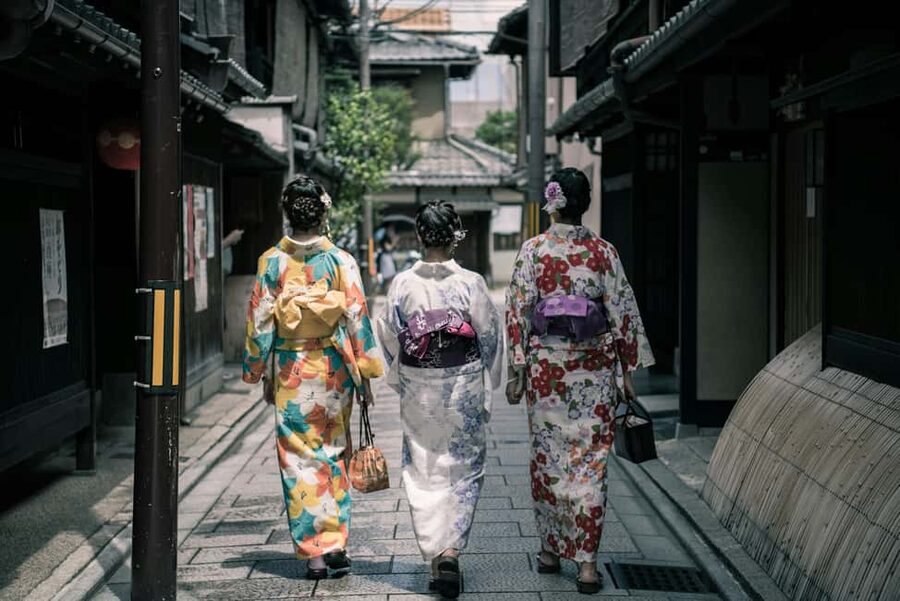
This Kyoto and Nara private car day fits best if you want maximum impact with minimal logistics. It’s a strong match for families with kids who need smoother transitions, couples who want a romantic day without map headaches, and groups of friends who share costs in a private vehicle.
It’s also great if you care about the top-name sights but still want a bit of breathing room—especially with deer time in Nara Park and the big scale of Tōdai-ji.
You might reconsider if you love slow public transit exploring. If your dream Kyoto day is train rides, spontaneous stops, and lots of walking between neighborhoods, then a private car tour may feel too structured. But if your priority is hitting the big highlights efficiently and comfortably, this one makes sense.
Should you book this Kyoto and Nara deer encounter day?
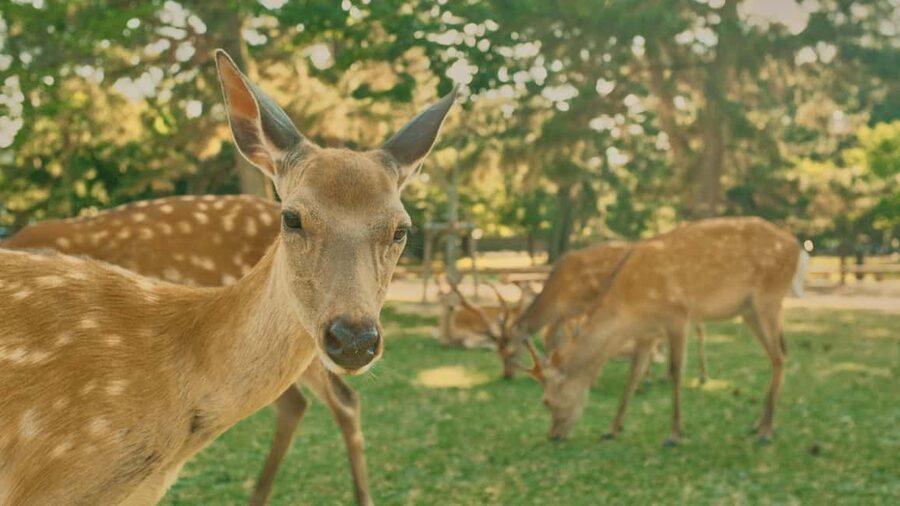
Book it if you want a classic Kyoto-to-Nara highlights day with a real comfort upgrade: hotel pickup, a private vehicle for your group, and the chance to add stops like Sanjusangendo when time allows. The deer interaction plus Tōdai-ji’s massive Buddha creates a satisfying emotional rhythm that’s hard to recreate with train hops.
Don’t book it on autopilot if your budget is tight for entrance fees and meals, since those aren’t included. Also think about your walking tolerance. You’ll cover a lot of ground, especially at Fushimi Inari and around the Nara Park areas.
If you can handle a day that’s part temple visits and part sightseeing walking, this tour is a practical, high-reward way to experience Kyoto’s icons and Nara’s famous deer without turning your vacation into a transportation project.
FAQ
What is included in the $435 price?
The price includes hotel pick-up and drop-off in Kyoto, private transportation in an air-conditioned vehicle, WiFi in the car, fuel and tolls, parking fees, a multi-language translation app, and 10 hours of service (with possible extension). It also includes a first baby seat for free if you request it in advance.
Are entrance fees to temples and shrines included?
No. Entrance fees are not included, so you should plan to pay on-site for each location.
Is Sanjusangendo definitely included?
Sanjusangendo is included only if there is enough time in the day. It’s listed as a possible stop depending on your schedule.
How many people can fit in the private vehicle?
The tour is priced per group up to 5 people, and it’s described as a private group experience.
Is WiFi and phone charging available during the drive?
Yes. WiFi is available in the car, and there are electronic charging cables and a socket provided.
Do you offer baby seats?
Yes. A first baby seat is free if you tell the provider before departure. A second baby seat costs an additional 2,000 yen per child if needed.
Is the tour wheelchair accessible?
Yes. The tour is wheelchair accessible.