REVIEW · NEW DELHI
Mixed India Tour that Show Different Taste, Culture, Food, Heritage and wildlife
Book on Viator →Operated by Incredible Tour To India · Bookable on Viator
India in 8 days is a whirlwind you can plan.
This tour is built for variety: you get open-top tiger safaris at Ranthambore and big landmark days from Delhi to Jaipur, all with private car comfort and a clear flow between regions. I love the way the schedule mixes major monuments (like Qutub Minar and the Taj Mahal) with real wildlife time, so the trip doesn’t feel like one long photo stop. I also like the hands-on service setup, where people from Incredible Tour To India meet you and keep the driving details handled. One thing to consider: the early timing is serious, with an advertised 2:00 am start point in Jaipur and an early sunrise Taj Mahal day, so you’ll want to be ready for wake-ups that feel earlier than your body wants.
The whole point is connectivity. Golden Triangle basics (Delhi–Agra–Jaipur) are here, but they’re stretched to include Fatehpur Sikri and serious wildlife at Ranthambore. And from past guests, you’ll notice a pattern: the owner, Ganpatbhai, personally welcomes people at the airport when possible, and the driver team can be practical and knowledgeable on the route (one driver highlighted is Mr. Vikram).
In This Review
- Key Highlights You’ll Feel Immediately
- Entering India With Airport Pickup and Paperwork That Works
- Delhi in One Day: Qutub Minar, Humayun Tomb, Red Fort, and the Temples
- Agra With Agra Fort and a Sunrise Taj Mahal Moment
- Fatehpur Sikri: The Red-Sandstone Stop on the Way to the Jungle
- Ranthambore Tiger Reserve: Two Jeep Safaris and the Reality of Wildlife Time
- What to expect on safari
- What you should pack and plan for
- Jaipur Starts Quiet: Abhaneri Photo Stops and a Low-Key First Night
- Amber Fort, Jal Mahal, Hawa Mahal, and City Palace: Jaipur’s Classic Icons
- Jaipur’s Extra Depth: Museums and Observatories, Not Just Forts
- Price and Logistics: Is $600 Good Value for This Mix?
- Who This Tour Fits Best (and Who Should Think Twice)
- Should You Book This Mixed India Tour?
- FAQ
- How long is the tour?
- Which places does the tour include?
- What’s included in the price?
- Are lunch and dinner included?
- Are monument admission tickets included?
- Where and when does the tour start?
Key Highlights You’ll Feel Immediately
- Ranthambore tiger viewing in open-top jeeps with two safari drives planned
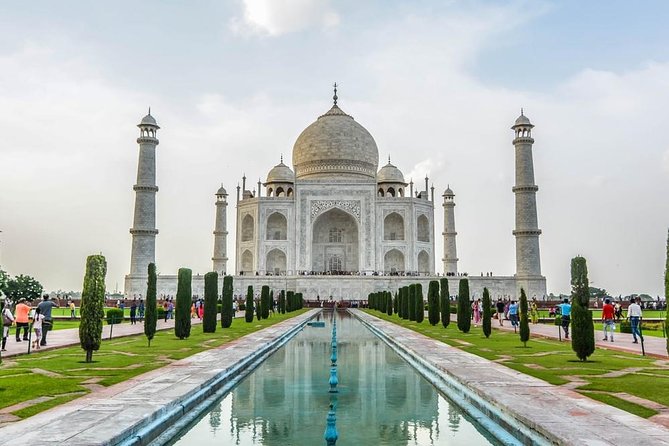
- Sunrise Taj Mahal early in the trip day, before the crowds settle
- A full Delhi landmark day mixing Mughal-era sites and major worship places
- Fatehpur Sikri’s red-stone ghost-town feel on the way to the jungle
- Jaipur Fort and palace day with Amber Fort, Hawa Mahal, Jal Mahal photo stop, and observatory time
Entering India With Airport Pickup and Paperwork That Works
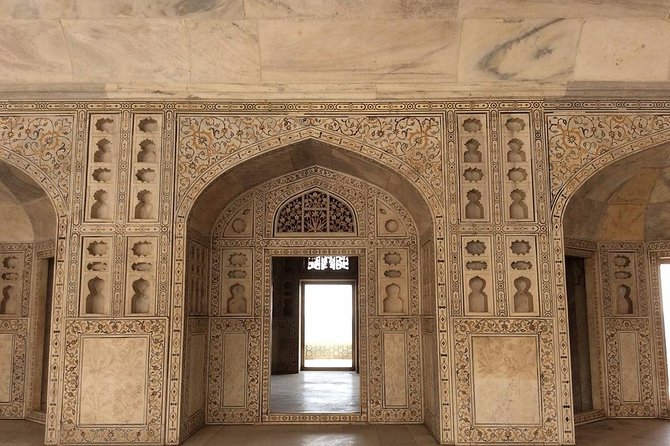
Your trip starts with a straightforward welcome. You’re met at the international airport by an Incredible Tour To India representative holding a name card, then guided through hotel check-in. The idea is simple: you land, you’re taken care of, and you can settle without sorting taxis, tickets, or schedules on day one.
I also like the way they hand over documents for the tour after check-in. When you’re moving through multiple cities quickly, having the plan in your hands reduces stress. It also helps you stay calm when the days run early and long.
You can also read our reviews of more food & drink experiences in New Delhi



Delhi in One Day: Qutub Minar, Humayun Tomb, Red Fort, and the Temples
Day 2 is a full-on Delhi day. You’ll do a long sightseeing route that hits a mix of eras and styles—Mughal monuments, colonial-era landmarks, and some of the city’s most visited places of worship.
Here’s what stands out about the pacing:
- You start with Qutub Minar, a landmark that dates back to the 11th century. It’s one of those sights where the stonework feels instantly “real,” not like a distant idea.
- You continue to India Gate and the President’s House area, which gives you a sense of modern Delhi’s centerline.
- Then it’s Humayun Tomb, Red Fort, and Raj Ghat (Mahatma Gandhi Memorial). This part moves from architecture to memory, so the day has emotional weight, not just sightseeing.
- After that, you shift gears to places like Gurudwara Bangla Sahib and Laxmi Narayan Temple (also known as Swaminarayan Akshardham/Birla Temple in the plan), which helps the day feel like Delhi is more than just monuments.
If you like variety, this Delhi day works. It’s a lot of stops, but it’s also the best kind of busy: each location adds a different lens on how the city developed.
A practical note: it’s a long day. Plan for comfort first—good walking shoes, water, and a willingness to move even if you’re not totally awake yet. The tour includes bottled water and snacks, which helps keep energy stable between major photo moments.
Agra With Agra Fort and a Sunrise Taj Mahal Moment
Agra is handled in a way that balances famous and “still impressive without being the headline.” You’re driven from Delhi to Agra with a stop at Sikandra. Then you spend your time at Agra Fort, described as a rusty, majestic red-sandstone fortress on the banks of the Yamuna.
Agra Fort is a smart choice because it’s not just one building—it’s a complex. You get to feel the Mughal-era military and royal presence in a more spread-out way than Taj Mahal-only days can offer.
Then comes the key timing shift: the plan includes a sunrise Taj Mahal visit early in the day you travel onward toward Ranthambore. That sunrise setup matters because it changes the mood. You’re watching one of the most famous monuments in the world before the day’s heat and crowds do their full work.
When the schedule is tight, timing becomes a tourist tool. Sunrise Taj Mahal is a “use the calendar” move, and it’s usually the moment people remember most clearly.
Fatehpur Sikri: The Red-Sandstone Stop on the Way to the Jungle
On the way to Ranthambore, you’re stopped at Fatehpur Sikri, described as a perfectly preserved red-sandstone “ghost town” that served as Akbar’s estranged capital. That label is dramatic, but the effect is real: the place feels abandoned in a way that makes you ask why it wasn’t built to last forever.
This stop is valuable because it breaks up the drive. It also adds a historical chapter before you plunge into wildlife time. One day you’re reading the stones of Mughal power; the next you’re listening for movement in the forest.
Ranthambore Tiger Reserve: Two Jeep Safaris and the Reality of Wildlife Time
Ranthambore is the trip’s wildlife center, and the plan builds in two chances to see tigers. You do an early morning safari with a jeep that’s open on top, then after lunch you return for a second safari drive.
That double-safari structure is a big deal. It raises your odds and it also changes what you experience. In wildlife areas, the day doesn’t behave like a museum line. You might spot something early, or you might wait, and then something happens later. Two drives gives you more than one “try.”
A few more New Delhi tours and experiences worth a look



What to expect on safari
The plan says you’ll enjoy tiger viewing in the national park from the jeep. You’ll be out in the field, not just cruising around a viewpoint. The open-top jeep is also a practical plus: you get better sight lines and photos, assuming you’re ready for sun and dust.
What you should pack and plan for
The tour includes bottled water and snacks, but it doesn’t include lunch or dinner in the standard included list, and restroom on board is not included. So on safari days, think like you’re out for half a day:
- Bring sunscreen and a cap (sunrise and daytime can both hit hard)
- Keep water accessible
- Keep a light layer ready (mornings can feel cool, then warm quickly)
Jaipur Starts Quiet: Abhaneri Photo Stops and a Low-Key First Night
After Ranthambore, you drive to Jaipur. On the way you stop at Abhaneri, specifically the Chand Baori (described as Chand Boari). This step is worth it because it’s a different kind of “wow.” The stepwell gives you geometry to look at, and it photographs well from multiple angles.
Once you arrive, you check in and rest. That recovery time is important because Jaipur days can be long, and you’ll likely walk more than you expect.
There’s also a cultural dinner note here: the plan says you can come to someone’s home for dinner and it’s free. Since the standard included list doesn’t clearly list dinner, I’d treat this as an offer to be confirmed for your exact booking. Still, it hints at the way this operator tries to add local connection instead of just pushing you through restaurant after restaurant.
Amber Fort, Jal Mahal, Hawa Mahal, and City Palace: Jaipur’s Classic Icons
Jaipur is split into two days in the plan, and I like that approach. It prevents the “all Jaipur, one marathon day” problem.
On the main sightseeing day, you get:
- A drive to Amber Fort
- Jal Mahal (Water Palace) as a picture stop
- Hawa Mahal (Palace of Winds) for viewing and photos
- City Palace museums
- Jantar Mantar, the ancient observatory
- Gaitor, the royal cenotaphs
This day is where Jaipur feels like Jaipur. Amber Fort gives you walls and views. Hawa Mahal is instantly recognizable with its honeycomb facade. Jantar Mantar is a different kind of interest: it’s “science meets stone,” and it’s fun to watch how the structures measure and visualize the sky.
And Jal Mahal works well as a quick stop even if you don’t have hours to linger. It’s a calm pause in an otherwise busy schedule.
Jaipur’s Extra Depth: Museums and Observatories, Not Just Forts
The presence of museums inside City Palace plus time at Jantar Mantar matters. If you only did forts and photo stops, Jaipur can feel like you’re collecting landmarks. Adding observatory time and museum space gives you context for why Jaipur’s rulers cared about planning, knowledge, and display.
Gaitor adds a quieter ending. Royal cenotaphs are not everyone’s priority, but they can be a great contrast after the more crowded icon sites.
This is also where private transport helps. With included bottled water, snacks, and an air-conditioned vehicle, you’re less likely to burn out just from moving between places.
Price and Logistics: Is $600 Good Value for This Mix?
At $600 per person for about 8 days, the value comes from what’s packed in and what’s handled for you.
You’re getting:
- Breakfast included (daily)
- Bottled water and snacks
- Air-conditioned vehicle and private transportation
- Pickup offered
- Mobile ticket
- Admission tickets marked free in multiple places on the day plan
The big “value engine” is the combination. This is not just Delhi–Agra–Jaipur. You’re also adding Fatehpur Sikri and Ranthambore safaris, including open-top safari drives and two viewing opportunities.
Where the cost can feel more variable is what you don’t control:
- Lunch and dinner are listed as not included in the standard information.
- Restroom on board is not included.
- The schedule includes early mornings, so you need to plan your energy and snacks.
So here’s my practical take: if you want a lot of different India in a short window—monuments, history, and wildlife—this is a good use of time. If you prefer slow travel or heavy unstructured time, the early starts and tight routing might not match your style.
Who This Tour Fits Best (and Who Should Think Twice)
This tour fits best if you:
- Want a one-week crash course across Delhi, Agra, Ranthambore, and Jaipur
- Like having your logistics handled with private car transport
- Care about wildlife enough to do two Ranthambore safari drives
- Prefer comfort during transfers and relief from navigating cities on your own
You might want to think twice if you:
- Hate early wake-ups, because the plan includes a sunrise Taj Mahal day and a listed start time of 2:00 am in Jaipur
- Need frequent free time with no agenda. This one is structured, and you’ll be moving each day
- Have strict expectations about restrooms during transport (restroom on board isn’t included)
Should You Book This Mixed India Tour?
I’d book it if your goal is variety with real wildlife time, and you’re okay with an energetic schedule. The safari portion plus sunrise Taj Mahal is a strong pairing, and private transport makes the long travel days feel manageable.
Also, if you’re the kind of traveler who appreciates a responsive operator, the service style shows up in the stories: Ganpatbhai’s personal welcome at the airport and the way the driving team (like Mr. Vikram) can keep things organized can make a fast-moving trip feel smoother.
Just do one thing before you commit: confirm the exact meeting point logic in your case, especially the 2:00 am start time listed in Jaipur versus the first city described in the day-by-day plan. Once you align that, you’ll be set for a trip that moves fast, but in a way that actually covers a lot of India worth seeing.
FAQ
How long is the tour?
The tour is listed as 8 days (approx.).
Which places does the tour include?
It covers New Delhi, Agra, Ranthambore, and Jaipur, with en-route stops including Sikandra, Fatehpur Sikri, and Abhaneri.
What’s included in the price?
The tour includes breakfast, bottled water, snacks, and air-conditioned private transportation. It also includes pickup offered and a mobile ticket.
Are lunch and dinner included?
No. Lunch and dinner are listed as not included.
Are monument admission tickets included?
The day plan shows Admission Ticket Free for several major stops. Still, it’s smart to confirm what’s covered for your specific booking.
Where and when does the tour start?
The meeting point is listed as Jaipur, Rajasthan, India with a start time of 2:00 am.