REVIEW · KYOTO
Secrets of Ninjas X Samurais: Private History Tour to Iga & Koka
Book on Viator →Operated by WadaF Tours · Bookable on Viator
Ninjas and samurai in one six-hour loop. I love the private air-conditioned van and the easy hotel pickup, and I love the ninja house with flipping doors and secret passages. One catch: the afternoon timing can mean you miss scheduled ninja performances if your day has one planned.
This is led by a full-English guide, and in my experience the standout was Mr. Daiki Fukashi, who makes the history feel logical instead of like movie trivia. You’re also driving through mountain scenery that can look different fast, with cherry blossoms in spring and maple color in autumn, so the ride doesn’t feel like dead time.
If you want ninjas as real people tied to places and geography, this tour is a strong fit. If you’re only chasing action shows, you’ll want to ask your guide what demonstrations might be running that day.
In This Review
- Quick Hits: What Makes This Tour Worth Your Time
- A Private Ride That Keeps the Day Relaxed
- The Mountain Drive to Iga & Koka Is Part of the Experience
- Mr. Daiki Fukashi and the Kind of Guide You Hope For
- Stop 1: Iga-ryu Ninja Museum and the Meaning of Iga
- Iga-Ueno Castle: Samurai Weapons and a Warring-Age Backdrop
- Shogunzuka Seiryuden Temple: A Free Break With Big Views
- The Iga City Area: Clan Power and the Weight of Disasters
- Iga Ninja House: Flip Doors, Secret Passages, and Practical Trickery
- Koka: The Other Famous Ninja Clan and Herbal Mixing
- Price and Value: What You’re Really Paying For
- Who This Tour Fits Best (and Who Should Skip It)
- Should You Book Secrets of Ninjas X Samurais to Iga & Koka?
- FAQ
- What’s the duration of this tour?
- How many people are in a group?
- Is pickup from my hotel included?
- Are entrance fees included in the price?
- Is this tour fully private?
- What’s the cancellation policy?
Quick Hits: What Makes This Tour Worth Your Time
- Private group ride in an air-conditioned Nissan van (or a Mini Cooper convertible for 1 guest), with direct hotel pickup/drop-off
- Full-English guide with strong storytelling, including the Iga-to-Koka connections that explain why ninja traditions varied
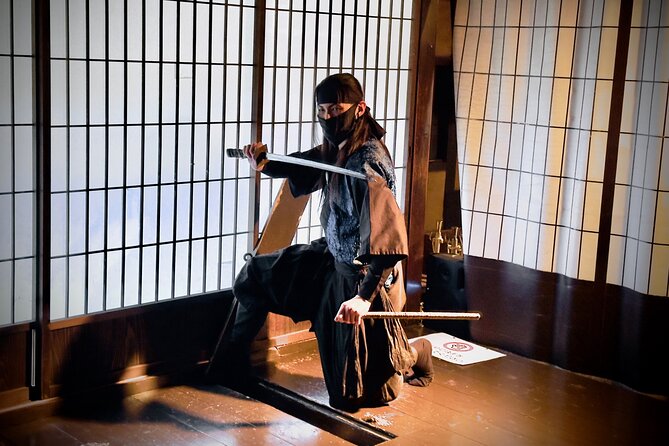
- Iga Ninja House visit where you can see practical design ideas like hidden sword shelters and trick entrances
- Iga-Ueno Castle stop with real armors and katana-swords tied to the warring age
- You’ll pay some entrance fees on top (Iga-Ueno Castle ¥600 pp; Iga Ninja House ¥800 pp)
- Mix of free and ticketed stops, so you can plan your budget and expectations
A Private Ride That Keeps the Day Relaxed
This tour runs about 6 hours, starting around 1:00 pm. The big advantage is the setup: it’s a private experience, so you’re not squeezed into a shared bus with strangers who take one photo and move on. You get an air-conditioned vehicle, and the route is handled for you with parking, highway, and fuel fees included.
If your group is small, the price structure makes sense. It’s listed as $257.35 per group (up to 6), so the cost stays reasonable if you’re splitting it with family or friends. For most people, what you’re really paying for here is time saved and context gained: you’re getting transport to a less-central area, plus an English guide who can connect the dots between ninjas, samurai culture, and place.
One practical note: pickup is offered from your hotel (or anywhere) from 3 big cities, but the exact coverage depends on your location. If you’re staying farther out, it’s worth confirming before booking so you don’t end up doing your own transfer.
You can also read our reviews of more private tours in Kyoto

The Mountain Drive to Iga & Koka Is Part of the Experience
Ninjas weren’t born in cities with neon signs. They’re tied to mountains, forests, and terrain where hiding and moving quietly actually matters. That theme starts the moment you leave Kyoto.
The drive is surrounded by Japanese nature. In spring you may catch cherry blossoms, and in autumn you may see maple trees. Even if you’re not a “take-the-long-way” person, this matters because it helps you understand why training and tactics were tied to the environment. By the time you reach Iga and Koka, you’re not just looking at artifacts. You’re picturing the terrain the way historical families would have lived in it.
Mr. Daiki Fukashi and the Kind of Guide You Hope For
A good history tour doesn’t just recite dates. It explains why something evolved. That’s where this tour shines.
In my mind, the strongest part was the guide’s style: Mr. Daiki Fukashi (full-English) keeps the conversation moving, and he connects geography to behavior. He’s also clearly enthusiastic without turning it into a gimmick.
Here’s what you’ll likely notice in the flow of the day:
- He’ll talk about ninja life and samurai culture as separate worlds, then show where they overlap.
- He explains terms and patterns so you don’t need to memorize everything.
- You’re not trapped in a lecture hall. You’re walking, looking, and asking questions while the setting matches the story.
If you like museum visits, but you also want the “why” behind what you see, this guide approach is a real advantage.
Stop 1: Iga-ryu Ninja Museum and the Meaning of Iga
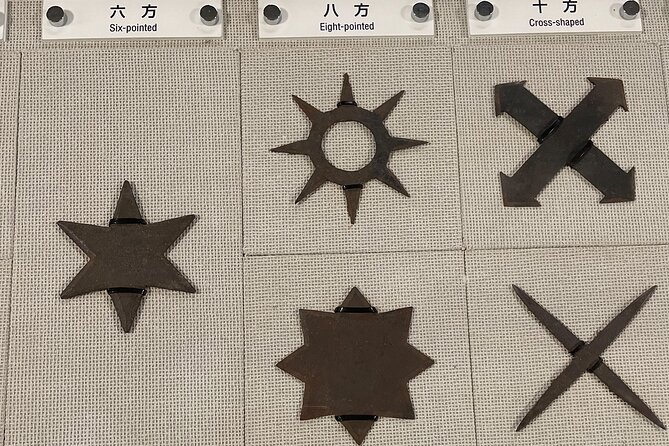
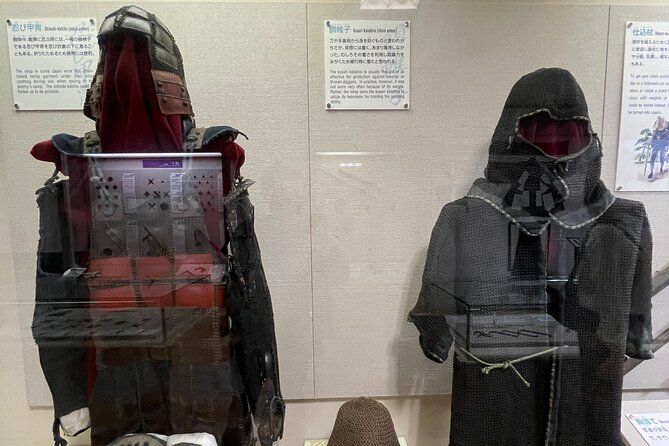
Your first major stop is the Iga-ryu Ninja Museum. Iga sits in a mountain region and is known as the historical home of the Iga-Ryu style of ninjas.
The museum is described as truly authentic, built by a real ninja master. Even without going into a lot of technical detail, that kind of origin story matters because it changes how the exhibits feel. You’re not looking at generic ninja marketing. You’re looking at an interpretation of a tradition that grew from a specific region.
What to do here:
- Look for how the museum frames ninja as a practical system, not just costumes.
- Pay attention to the contrast between the myth you’ve seen in pop culture and the everyday logic of movement, stealth, and secrecy.
Potential drawback: the museum visit is about 1 hour, and the museum itself is ticketed (admission not included). If you prefer hands-on activities over explanations, you may want to treat this stop as context-setting rather than the main event.
Iga-Ueno Castle: Samurai Weapons and a Warring-Age Backdrop
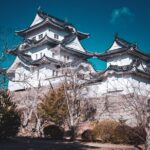
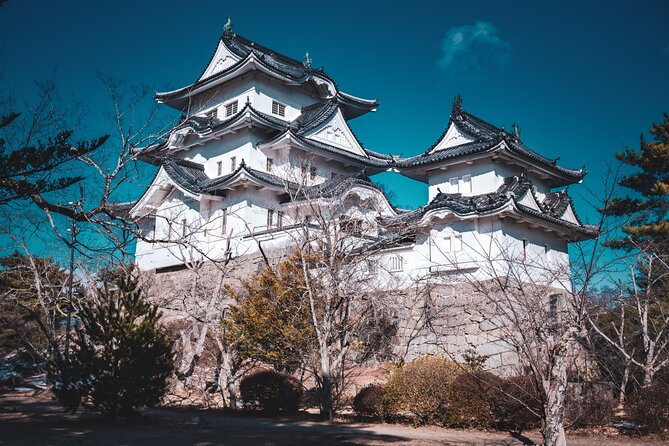
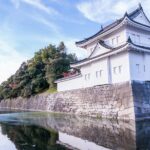
Next up is Iga Ueno Castle, located on a hill in Ueno City. It traces back to 1585, during the peak of Japan’s warring age. Admission is ¥600 per person, so plan for that extra cost.
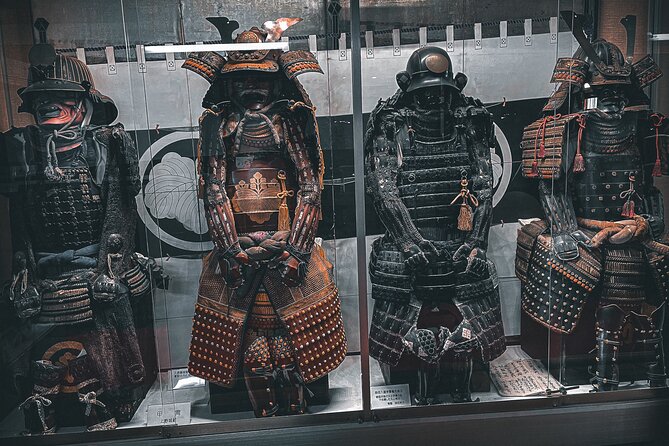
This is where the tour broadens from ninja stories into samurai reality. The overview frames the experience as time spent seeing real armors and katana-swords used by historical Shoguns in real battles. Even if you’ve seen armor displays before, a castle setting changes the mood. The structure is built to defend, and that makes it easier to understand why warriors valued training, weaponry, and hierarchy.
A smart way to enjoy the castle stop:
- Don’t rush the weapons. Spend time reading what the exhibits connect to the warring era.
- If you’re a photo person, shoot from outside first for the castle shape, then go inside and compare how protection works in real architecture.
Timing note: the stop is around 1 hour. You may not have time for long wandering if you’re also trying to read every sign carefully, so focus on the exhibits that match your questions from the ninja portion.
You can also read our reviews of more historical tours in Kyoto

Shogunzuka Seiryuden Temple: A Free Break With Big Views
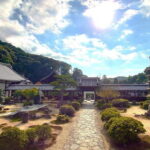
You’ll also visit Shogunzuka Seiryuden Temple, also called the Mound of Shogun. The location is behind mountains of Gion and is described as a top view spot where you can see all over Kyoto. It’s free, and that’s a nice bonus in a day with multiple paid entries.
This stop is about 1 hour, and it serves two purposes:
- It gives you a breather from ticketed indoor exhibits.
- It helps you understand Kyoto’s geography from a height, which makes the earlier mountain discussion feel more connected.
The vibe here can be local and light—it’s noted as popular among young Japanese couples. That doesn’t turn it into a tourist trap. It just means you get a slice of everyday Japan between the heavier ninja and samurai content.
The Iga City Area: Clan Power and the Weight of Disasters
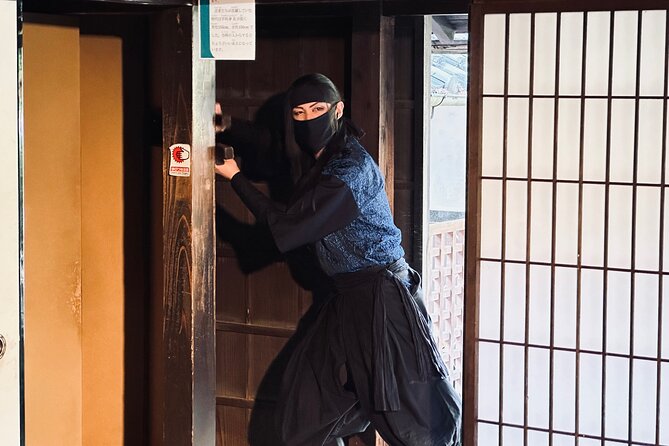
After castle and temple, you shift to the heart of the ninja geography with time in Iga itself. This area is described as famous in the world for ninjas, run independently by the Iga Ninja clan (伊賀衆).
One detail that makes this stop more than a scenic walk is the history of damage: even though half the city was destroyed by massive earthquakes about 200 years ago, the tradition and historical identity are still tied to the place. That matters because it reminds you these weren’t mythic superheroes who never changed. Communities rebuilt, changed, and preserved what they could.
This stop is free and around 2 hours, which is great. You’ll likely use that time to connect what you learned in the museum to the actual feel of the area.
How to enjoy this portion:
- Let the guide point out how the environment supports the idea of stealth and routes.
- Don’t only look for “ninja signs.” Look for how streets and terrain influence movement.
Potential drawback: with free stops, the focus can vary. If you’re hoping for a super structured “see this, then that” experience, you may get more walking and explanation than you expected.
Iga Ninja House: Flip Doors, Secret Passages, and Practical Trickery
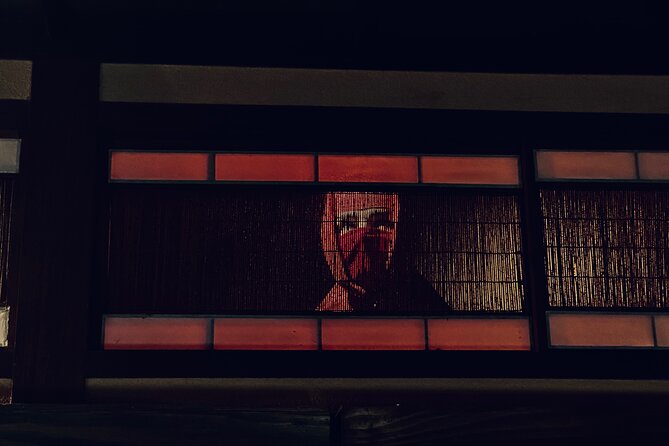
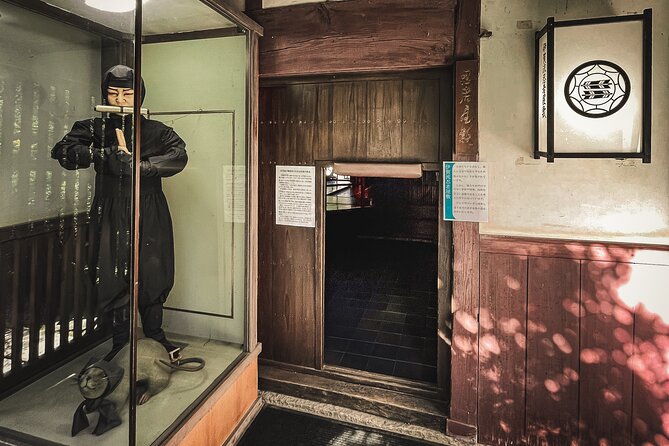
The tour includes a visit to an authentic Ninja house with built-in hidden features. The highlights you’ll be looking for are specific: flipping doors, secret passages, and hidden sword shelters.
This is the part where the tour becomes visually satisfying. A museum can explain techniques; a house lets you see why those techniques would matter. When you walk through a space where doors, storage, and pathways are designed for secrecy, ninja culture stops being abstract.
Entrance for the Iga Ninja House is ¥800 per person, so it’s one of the key add-on costs. Still, this is exactly the kind of stop that justifies a guided visit. It’s not just about seeing gadgets—it’s about understanding what kind of life would use them.
Practical tip: wear comfortable shoes. Some places on the route have stairs and rough ground, and you’ll move through spaces that aren’t meant for slow-motion sightseeing.
Koka: The Other Famous Ninja Clan and Herbal Mixing
The final main region is Koka, one of the other most famous ninja areas in history. Where Iga is tied to an Iga-Ryu identity, Koka is described as famous for ninjas skilled in herbal mixing.
That herbal connection is fascinating because it shifts your mental image of ninjas. It’s not only about blades and shadows. It’s about preparation—knowledge of materials, mixtures, and likely the everyday science that supported covert missions.
You’ll also explore the area with a local expert, and the description emphasizes that ninjas trained hard in deep forests. Whether you’re a history nerd or just curious, this stop gives you a different angle on what “stealth” could mean beyond movement.
This Koka visit is about 1 hour and free, so it’s a good way to end without another big ticket cost.
Price and Value: What You’re Really Paying For
At $257.35 per group (up to 6), this tour isn’t a bargain in the “cheap and cheerful” sense. But it can be good value if you treat it like a private day trip with transportation plus an English guide to interpret places that are otherwise harder to read.
Your main extra costs to expect:
- Iga Ueno Castle: ¥600 per person
- Iga Ninja House: ¥800 per person
- Iga-ryu Ninja Museum: admission ticket not included (price not listed)
So the true total depends on how many people are in your group and whether you’re planning to visit everything ticketed. Still, even with those add-ons, splitting the base price across 4 to 6 people can keep it competitive with the cost of multiple individual tours or repeated transfers.
The other value factor is simplicity. You don’t have to plan trains, buses, and connections to Iga and Koka. You also don’t have to worry about translating signs. A good guide turns “Iga” and “Koka” into a story you can repeat later, and that’s worth something.
One timing consideration from real-world experience: if you go in the afternoon, you may miss a ninja performance if it’s scheduled. If that kind of show is important to you, ask ahead of time what might be running on your date and time.
Who This Tour Fits Best (and Who Should Skip It)
This experience is a great match if:
- You want place-based ninja history, not just movie references.
- You like a mix of ninja and samurai, with both physical sites and explanations.
- You travel as a small group and want the comfort of private pickup and drop-off.
It might not be perfect if:
- You mostly want entertainment shows and not explanation.
- You’re planning to visit with mobility limitations, since stairs and rough ground appear at some locations.
If you enjoy Kyoto but you’re ready to step outside the city map and see how traditions connect to mountains and terrain, this tour gives you that switch fast.
Should You Book Secrets of Ninjas X Samurais to Iga & Koka?
Book it if you want a guided day that connects ninja culture to real locations, and you’re excited by the idea of trick doors and secret storage in the Iga Ninja House. The private ride and the English guidance make it a smoother day than DIY planning, and the mix of Iga and Koka gives you two sides of the ninja story.
Skip or think twice if you’re strict about time-bound performances, because the afternoon slot can affect what’s available. Also budget for the entrance fees at the castle and ninja house so there are no surprises.
If your goal is to leave Kyoto with a clearer, more grounded picture of ninjas and samurai—where they lived, why they trained, and how place shaped tactics—this one earns its keep.
FAQ
What’s the duration of this tour?
It runs for about 6 hours.
How many people are in a group?
It’s a private tour for your group, and the listed price is for up to 6 people.
Is pickup from my hotel included?
Pickup and drop-off are included, with direct pickup from your hotel (or anywhere) from 3 big cities.
Are entrance fees included in the price?
No. Entrance fees are not included for Iga-Ueno Castle (¥600 per person) and Iga Ninja House (¥800 per person). The Iga-ryu Ninja Museum also has an admission ticket not included.
Is this tour fully private?
Yes. Only your group participates.
What’s the cancellation policy?
You can cancel for a full refund if you cancel at least 24 hours before the experience’s start time. If you cancel less than 24 hours before, the amount paid is not refunded.