REVIEW · NEW ORLEANS
New Orleans: Early Evening Cocktail History Tour
Book on GetYourGuide →Operated by Doctor Gumbo Tours · Bookable on GetYourGuide
Green spirits and old remedies start before nine. This early evening crawl is one of the smartest ways to learn New Orleans cocktail history while you actually taste it, with four craft drinks served along a tight French Quarter route. I love that the story covers the Sazerac origins and other pre-Prohibition favorites, not just modern bar lore. I also like how the tour keeps moving, so you’re sampling real classics in places that feel right for the era.
One catch: there’s no food included, so you should eat beforehand and plan to slow down between sips. At $95 per person for four drinks plus a local guide (with bartenders’ gratuities included), the value is strong if you’re ready for an alcohol-forward evening.
If you want to see the French Quarter with purpose—history plus pours, not random bar hopping—this format fits. It’s a compact 3-hour experience with guided stops and short walks, designed for an early night out.
In This Review
- Key highlights worth caring about
- Start at Patrick’s Bar Vin: rum punch and the night’s first story beat
- 3rd Block Depot: Sazerac as 19th-century medicine (or Brandy Crusta instead)
- Peychaud’s Bar: Prohibition-era creativity with Pimm’s Cup or Ojen Frappé
- Bourbon ’O’ Bar and the Roffignac highball: plus jazz starting at 8pm
- Why this tour’s cocktail history actually helps you order and understand
- Price and planning: $95 worth it for four drinks, but pace yourself
- Should you book this early evening cocktail history tour?
- FAQ
- How long is the New Orleans Early Evening Cocktail History Tour?
- What does the tour cost?
- Where does the tour meet?
- How many cocktails are included?
- Are food and snacks included?
- Do you have to be 21 to join?
- What ID should I bring?
- Is the tour wheelchair accessible?
- Is there free cancellation?
Key highlights worth caring about
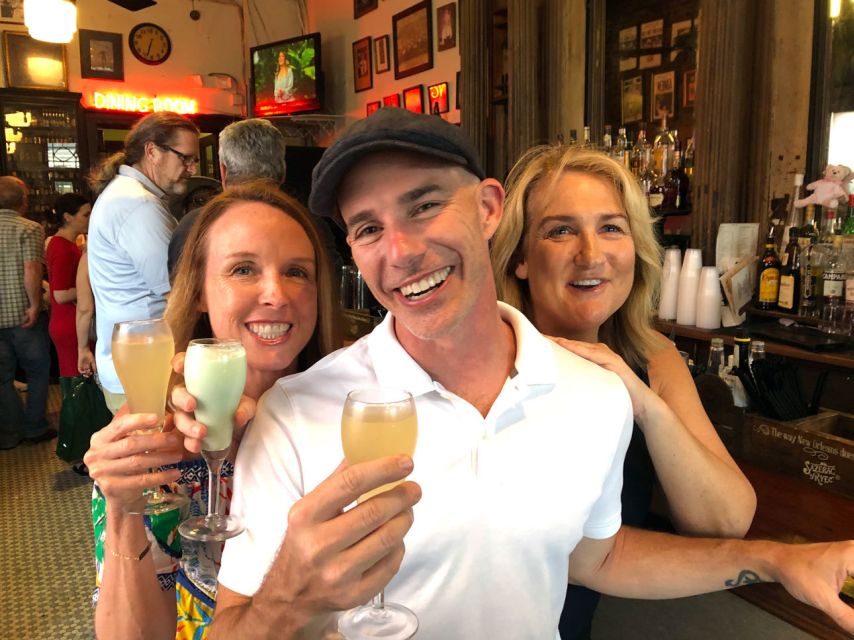
- Homemade rum punch to start the night in a wine bar courtyard vibe
- 3rd Block Depot icehouse setting, where Sazerac was treated like medicine
- Real drink choices: Sazerac or Brandy Crusta at one stop, then Pimm’s Cup or Ojen Frappé at another
- Absinthe gets its moment in the guide’s explanation, even though you’re not locked into an absinthe cocktail
- Peychaud’s Bar stops you at the tipping point toward Prohibition-era creativity
- Roffignac highball plus live jazz at Bourbon ’O’ Bar around 8pm
Start at Patrick’s Bar Vin: rum punch and the night’s first story beat
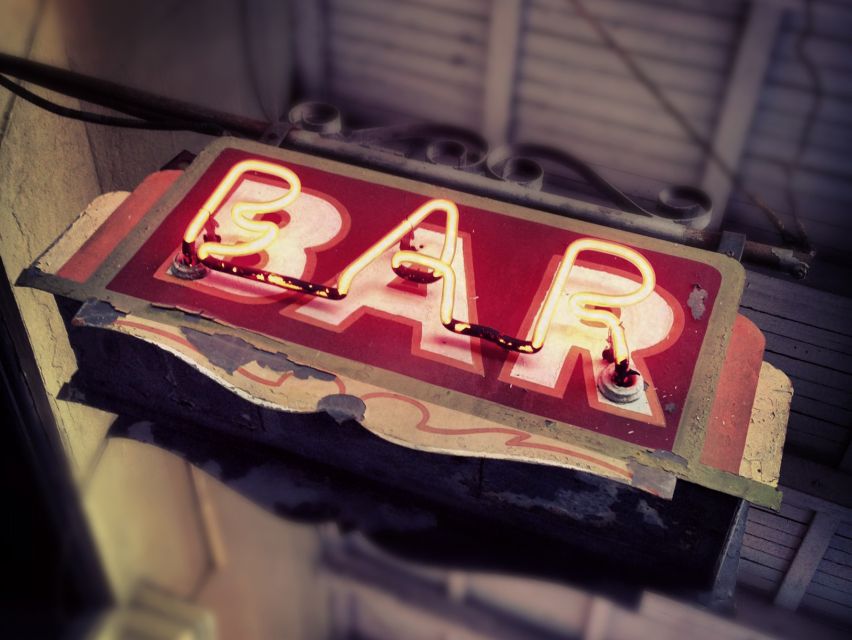
Your tour begins at 730 Bienville St, at Patrick’s Bar Vin. This is a good location to use as your “anchor” point for the French Quarter, because you’re already in the thick of the historic streets and within easy reach of most pre-dinner plans.
The first stop sets the tone: you start with a cocktail in a wine bar courtyard feel as evening arrives. Then the night kicks off with a homemade rum punch—simple on paper, but it’s a classic kind of New Orleans welcome. Why start here? Because rum punch is one of those drinks that makes the history feel human. Before cocktails became formal, measured, and charted, rum-based punches and mixed drinks were the kind of thing people gathered around, shared, and talked up.
Expect a guided kickoff that frames what you’re about to taste: a big picture history of cocktails, with local context. You’re also learning how to read each drink. It’s not just what’s in the glass—it’s why it exists and what people used it to do at the time.
Timing-wise, the tour moves fast enough to keep your momentum. You’re not stuck in a single bar for the whole night. The pace matters here, because you’ll be sampling four craft drinks across multiple venues, with short walking breaks between them.
You can also read our reviews of more historical tours in New Orleans

3rd Block Depot: Sazerac as 19th-century medicine (or Brandy Crusta instead)
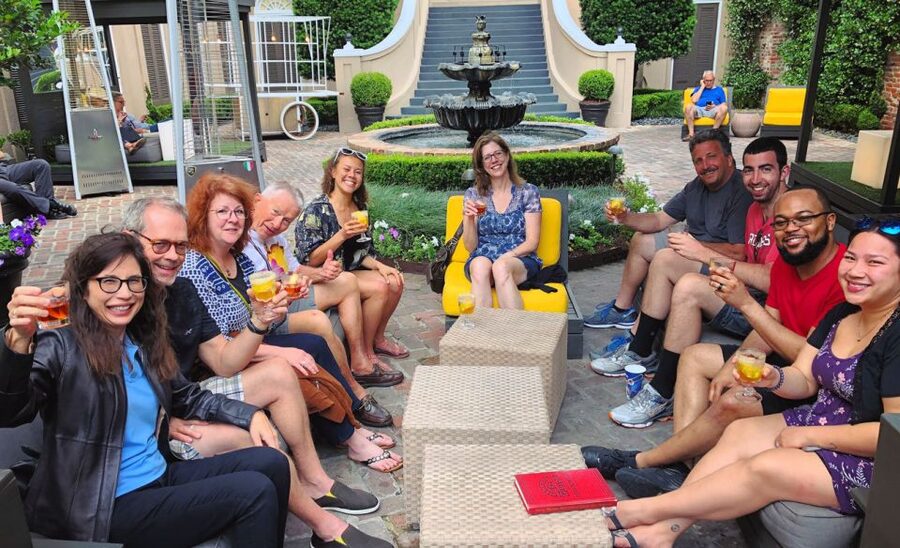
Next you head on foot to 3rd Block Depot, a modern saloon inside a 19th-century icehouse. That detail is more than décor. Icehouse architecture is a reminder that refrigeration and storage were central to how people drank and served. It also helps explain why certain drinks and ingredients became more consistent when the logistics improved.
At this stop you get a choice: the Sazerac (the classic route) or Brandy Crusta (for something slightly different in style). The Sazerac here comes with a great hook: the recipe is attributed to a Creole apothecarist in the 19th century, when cocktails were often treated like medicine. That’s one of the most useful “big picture” ideas this tour hands you—early cocktail culture wasn’t only about pleasure. It was also about ceremony, belief, and the hope that a carefully built drink could make you feel better.
If you choose Sazerac, you’ll be tasting into that logic. Think of it as a drink that carries its own history badge. If you choose Brandy Crusta instead, you’ll get a different kind of vintage craftsmanship. Either way, you’re not just drinking. You’re connecting the dots between medicine culture, Creole influence, and how a signature New Orleans bar drink became a named “classic.”
One practical note: both options are bold enough that you’ll want water nearby and a little patience between sips. This is part of why the lack of food matters—your body will thank you for eating before you start.
Peychaud’s Bar: Prohibition-era creativity with Pimm’s Cup or Ojen Frappé
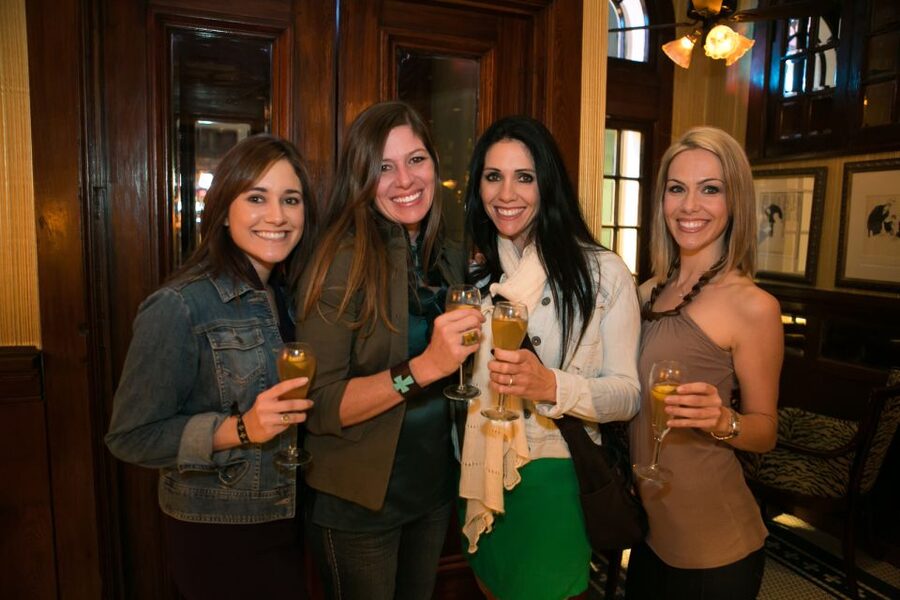
After a short walk, you arrive at Peychaud’s Bar, described as award-winning, which usually means two things: the place knows how to make drinks well, and it can handle a guided group without losing the vibe.
This stop is built around cocktails invented just prior to Prohibition, with a couple of options: Pimm’s Cup or Ojen Frappé. If you’re unsure which to pick, choose based on your mood, because these are different kinds of refreshment. The tour’s wording puts Ojen Frappé in the Carnival-time lane, which suggests a more festive, bright feel. Pimm’s Cup typically reads as lighter and easy to drink—useful if you want contrast after the heavier history served earlier.
Why Peychaud’s Bar is such a smart third stop: it’s where the story shifts from “early cocktail culture” into “cocktail culture under pressure.” Prohibition didn’t appear out of nowhere. Before it, people were already evolving drink ideas, building flavors, and creating social rituals around what was possible. This is the moment where you get a sense that the cocktail world was already changing, not just freezing into one style.
Also, this is where you’ll likely appreciate the guide’s narrative pacing. The tour is only about 3 hours total, and each stop needs to land. Peychaud’s Bar is set up as a meaning-bearing third act, not a random drink break.
If you’re the type who enjoys history but also wants your glass to stay interesting, this is one of the best stops on the route.
Bourbon ’O’ Bar and the Roffignac highball: plus jazz starting at 8pm
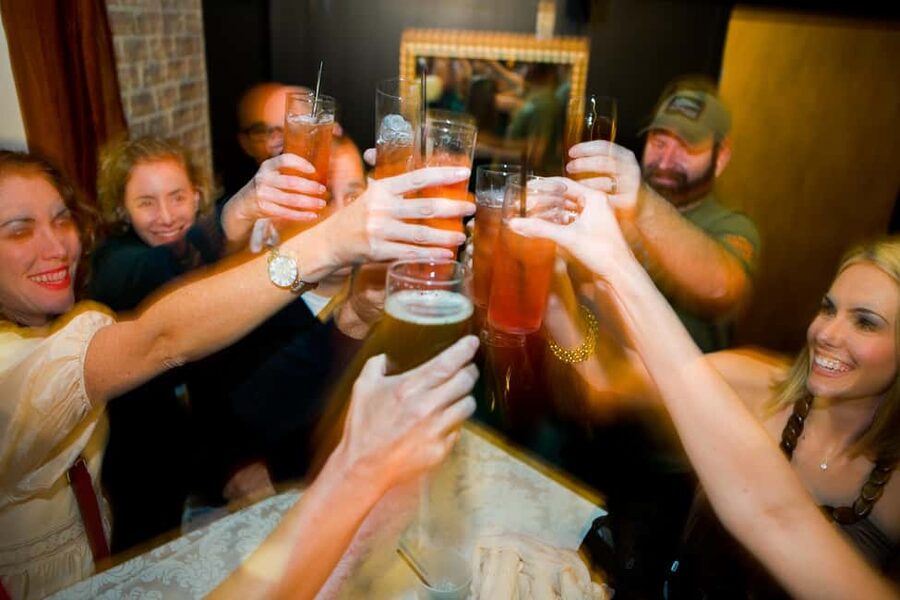
Your final cocktail stop is Bourbon ’O’ Bar, where you’ll try the Roffignac highball. The story detail is specific and fun: it’s a nod to the city’s last French-born mayor. That kind of connection is exactly what makes this tour feel like more than a list of “famous drinks.” It shows how cocktails can act like local memory. A highball isn’t just a way to get alcohol in a glass. In New Orleans, it can also be a way to name someone, a place, or an era.
This is also the stop where you’ll likely catch live local jazz beginning at 8pm. That’s a real advantage if you want your tour to end with a sense of New Orleans rhythm rather than a hard stop in the middle of the night.
Bourbon ’O’ Bar also has local food available, but food isn’t included in the tour price. So plan to eat earlier and use the jazz-and-food atmosphere as your transition back into free time. If you time it right, you can still grab something afterward without needing to interrupt the tour vibe.
Logistically, the tour ends back at the meeting point. That matters because you don’t have to scramble for transport right after the last pour and music.
Why this tour’s cocktail history actually helps you order and understand
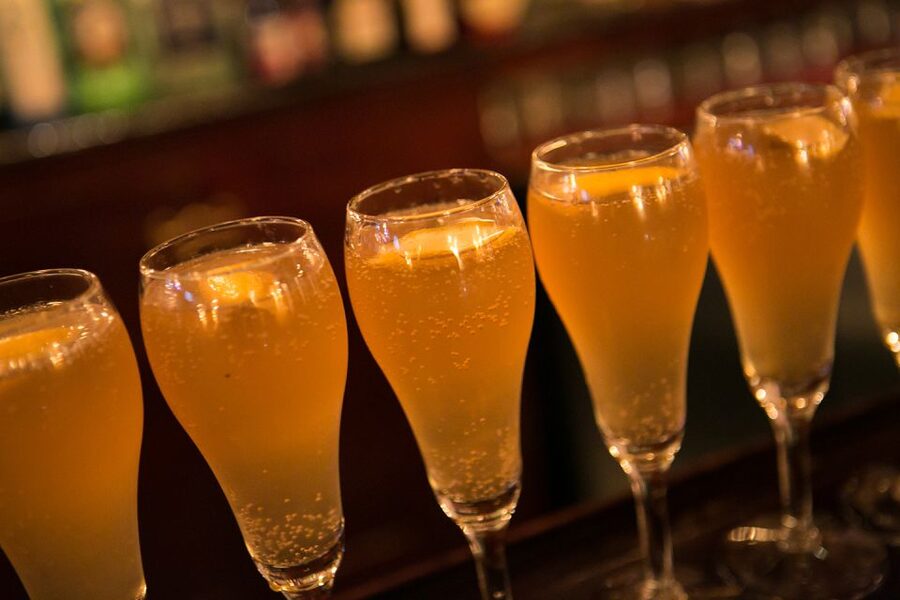
This experience isn’t just drinking. It’s learning how to interpret drinks in context.
A few themes come up repeatedly in the tour’s structure and drink selection:
Absinthe gets the real scoop. Even though absinthe isn’t listed as one of the four pours you’ll receive, the tour highlights that you’ll learn what’s actually behind absinthe’s reputation. That’s valuable because absinthe has a lot of legend attached to it. The guide’s job is to separate story from reality so you can make better sense of what you hear at bars later.
Sazerac is treated as a historical turning point. The Creole apothecarist framing does more than sound romantic. It explains why early cocktails were part of daily culture and not only “nightlife.” When you understand that, you start noticing how many classic drinks were built for more than taste.
The guide gives you the big picture, drink by drink. You don’t get a lecture that forgets your glass. Instead, each stop is a chapter: rum punch sets a baseline, Sazerac/Crusta connects medicine and craft, Peychaud’s points you toward the Prohibition shadow, and the Roffignac highball closes the loop with local civic history.
You taste pre-Prohibition styles, not just modern spins. Even with modern bar presentation, you’re sampling drinks that trace back to earlier cocktail culture. That makes your experience feel grounded and authentic rather than like a theme party.
One more thing I appreciate: the tour keeps the walking segments short. You get enough movement to feel like you’re seeing the neighborhood, but not so much that you’re exhausted before the last pour.


Price and planning: $95 worth it for four drinks, but pace yourself
At $95 per person for a 3-hour tour, the math works out best if you value guided history and you’re going to drink at least a few craft cocktails anyway. You’re paying for:
- a local guide
- 4 cocktails
- gratuities to servers/bartenders (so you’re not double-paying at each stop)
Food is not included. That’s not a small detail. It’s the one planning point that can make the difference between a fun education and a rough night.
So here’s my practical advice:
- Eat before you meet, even if you think you’ll be fine on cocktails alone.
- Drink water between stops when you can. No one needs a racing heart while someone is explaining the story of a 19th-century apothecarist.
- Keep an eye on timing. The last venue has jazz at 8pm, so if you want that live music, you’ll be better off not scheduling dinner directly over the tour end.
Also check your comfort with alcohol-heavy nights. Four craft drinks in about three hours is a solid amount. This tour fits best when you’re not also planning multiple additional drinks right after.
Should you book this early evening cocktail history tour?
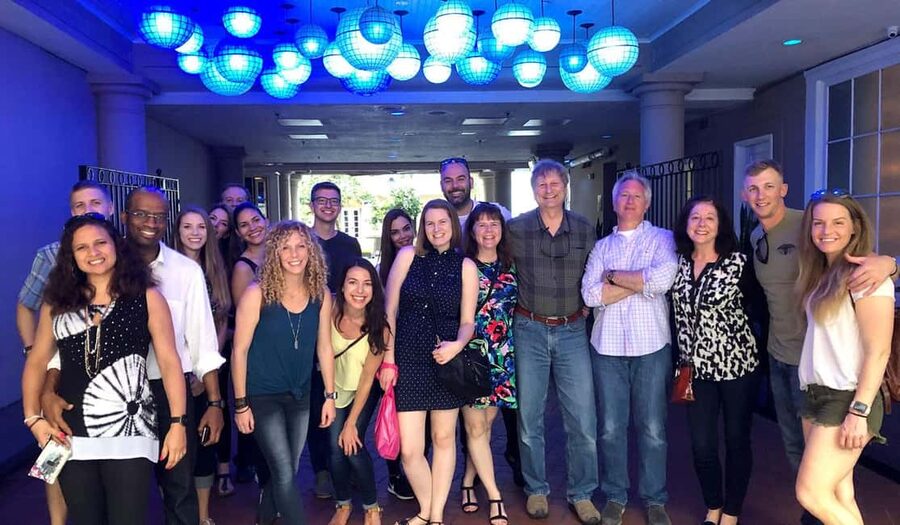
Book it if you want a French Quarter night with structure: history you can feel in the glass, guided stops in real New Orleans bars, and a finish that may include live jazz at 8pm.
Skip it if you dislike alcohol-forward evenings, or if you hate the idea of a tour that does not include food. There are other ways to tour the French Quarter with less drinking intensity.
For most people who enjoy cocktails—and especially for anyone who’s curious about why New Orleans drinks developed the way they did—this is a strong, high-value way to get your bearings fast and then go enjoy the city with better context.
FAQ
How long is the New Orleans Early Evening Cocktail History Tour?
It lasts 3 hours.
What does the tour cost?
The price is $95 per person.
Where does the tour meet?
The tour starts at 730 Bienville St, New Orleans, LA 70130 (Patrick’s Bar Vin).
How many cocktails are included?
You’ll get 4 cocktails during the tour.
Are food and snacks included?
No. Food is not included.
Do you have to be 21 to join?
Yes. You must be 21 or over, and the guide may request ID.
What ID should I bring?
Bring a passport or ID card.
Is the tour wheelchair accessible?
Yes, it’s listed as wheelchair accessible.
Is there free cancellation?
Yes. You can cancel up to 24 hours in advance for a full refund.