REVIEW · NEW ORLEANS
New Orleans: Tremé African American & Creole History Tour
Book on GetYourGuide →Operated by French Quarter Phantoms LLC · Bookable on GetYourGuide
Tremé turns New Orleans into a real story, not a postcard. This walking tour threads African American and Creole history through the streets where jazz took shape and where the HBO series Tremé found plenty of real-life scenery. You’ll connect the music you hear in town to the people and places that shaped it.
I love two things most: you get a licensed guide with local, street-level context, and the route hits big cultural stops like St. Augustine Church and the Tomb of the Unknown Slave without dragging. For a short, 105-minute outing, it packs in names like Jelly Roll Morton and Trombone Shorty—plus modern brass band culture—so the sound of New Orleans makes more sense.
The main thing to consider is that this is still a walking tour in a neighborhood that can feel hot and exposed. Bring comfortable shoes and sun protection, and plan your day with the option that you might run a little long.
In This Review
- Key highlights at a glance
- Tremé Walk: What you’re really doing for 105 minutes
- Starting point at The Voodoo Lounge: quick way to get oriented
- St. Augustine Church: faith as a living part of community
- The Tomb of the Unknown Slave: a stop you won’t forget
- The Rock and Roll Hall of Fame laundromat: why it’s on the route
- Jazz legends born in Tremé: names that make the city click
- HBO Tremé locations: turning TV into real navigation
- Congo Square and the musical chain of influence
- Modern music in your ears: speakers, pacing, and stories
- Who your guide is can change the whole tone
- The practical reality: what to bring and what to skip
- Price check: is $22 worth 105 minutes of walking?
- Best fit: who should book this tour?
- Should you book the New Orleans Tremé African American & Creole History Tour?
- FAQ
- How long is the Tremé African American & Creole History Tour?
- What does the tour cost?
- Where do I meet for the tour?
- Where does the tour end?
- What are the main places the tour visits?
- Is food included?
- What should I bring?
- Is luggage allowed?
- Is the tour in English?
- Is the tour wheelchair accessible?
Key highlights at a glance
- St. Augustine Church and memorial landmarks that put community and memory in plain sight
- Jazz origin stories tied to born-in-Tremé legends like Jelly Roll Morton and Alphonse Picou
- HBO Tremé filming locations to help you map what you’ve seen on screen
- Modern brass band tradition and how it grew from what came before
- A “Rock and Roll Hall of Fame” laundromat stop that’s more meaningful than it sounds
Tremé Walk: What you’re really doing for 105 minutes
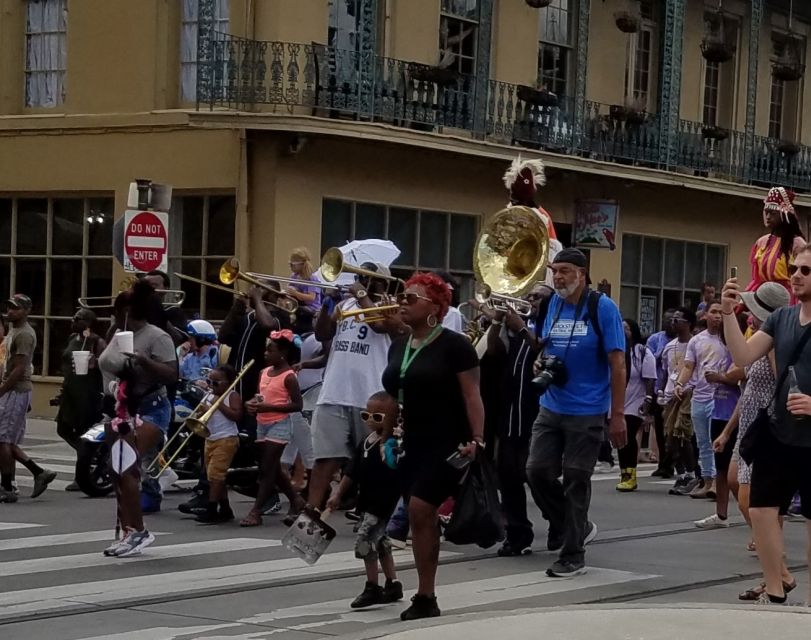
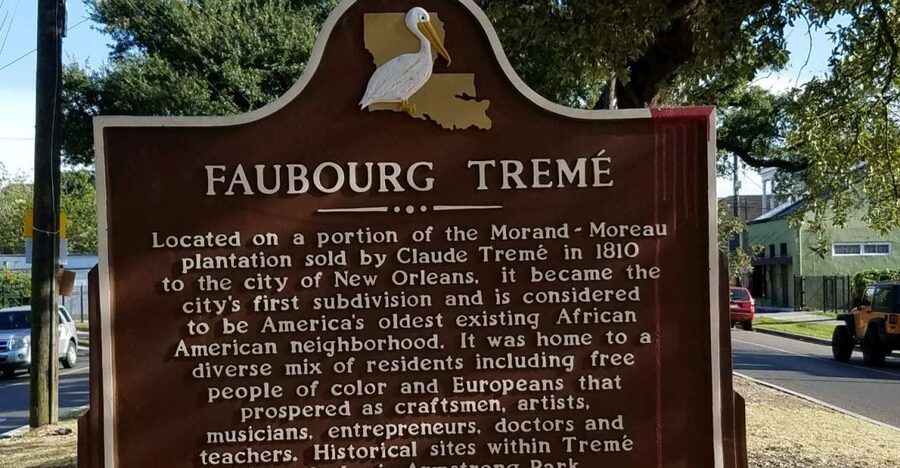
Tremé isn’t just a neighborhood you pass through. It’s one of the places where New Orleans’ African American and Creole communities built music, faith, family networks, and civic power—often in the face of unfair systems. This tour is a walking route through that story, guided in a way that makes the past feel connected to today’s musicians, artists, and craftsmen.
You’ll spend about 105 minutes on foot, starting near the French Quarter. That timing matters. Too many New Orleans tours are either too short to connect dots or too long to stay focused in the heat. This one aims for “worth it” without demanding your whole day.
You can also read our reviews of more historical tours in New Orleans


Starting point at The Voodoo Lounge: quick way to get oriented
You meet at The Voodoo Lounge, 718 N. Rampart St., on the corner of N. Rampart Street and Orleans Street, right at the top of the French Quarter. That’s handy because you can usually find it fast, even if you’re already drifting around the Quarter earlier in the day.
The tour returns to the same meeting point. I like that setup for visitors who don’t want to guess transport plans afterward. Also, it keeps the route more contained—useful when you’re traveling light.
St. Augustine Church: faith as a living part of community
One of the first stops is St. Augustine Church. On this kind of tour, churches aren’t just architecture to admire from the outside. They’re community hubs—places tied to gathering, resilience, and identity.
This stop helps you understand why Tremé mattered beyond music. New Orleans history isn’t only about famous names and famous songs. It’s also about who had a place to worship, who could organize, and how people kept community ties strong. That context makes the rest of the walk hit harder.
The Tomb of the Unknown Slave: a stop you won’t forget
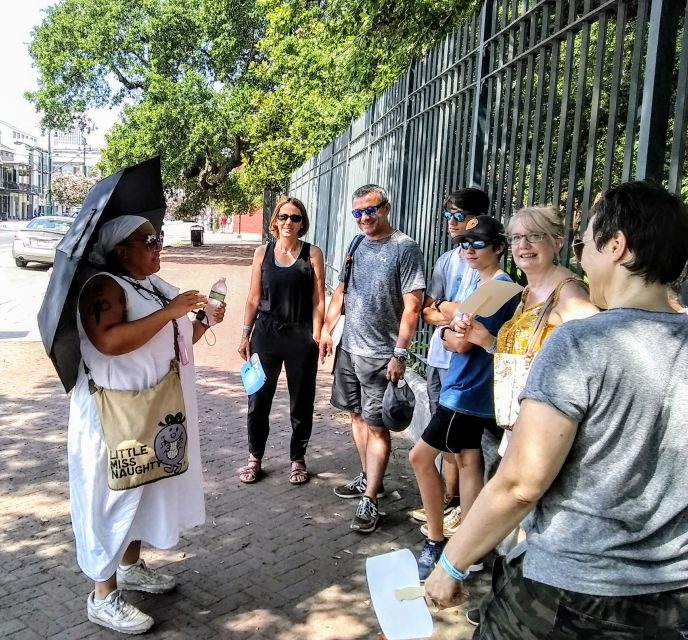
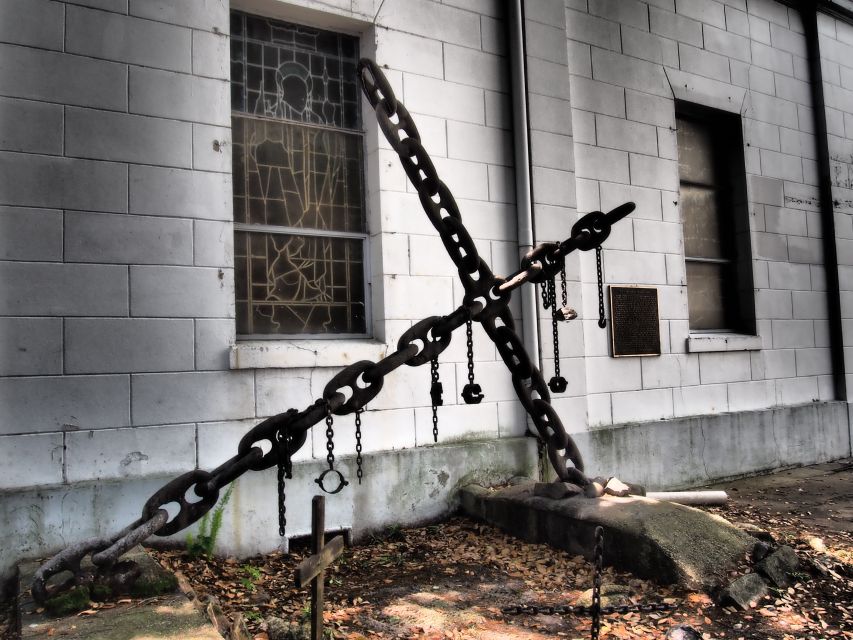
Next up is the Tomb of the Unknown Slave. Even if you’ve heard of the place before, it lands differently once you’re walking the neighborhood where the story unfolded. This is one of those stops that adds weight to the “Tremé is music” idea—because it reminds you that the neighborhood’s culture developed under oppression and violence, not in a vacuum.
I also like that this tour doesn’t treat civil rights as a separate topic. It connects the dots between community life, dignity, and later activism—so you’re not flipping between unrelated chapters.
The Rock and Roll Hall of Fame laundromat: why it’s on the route
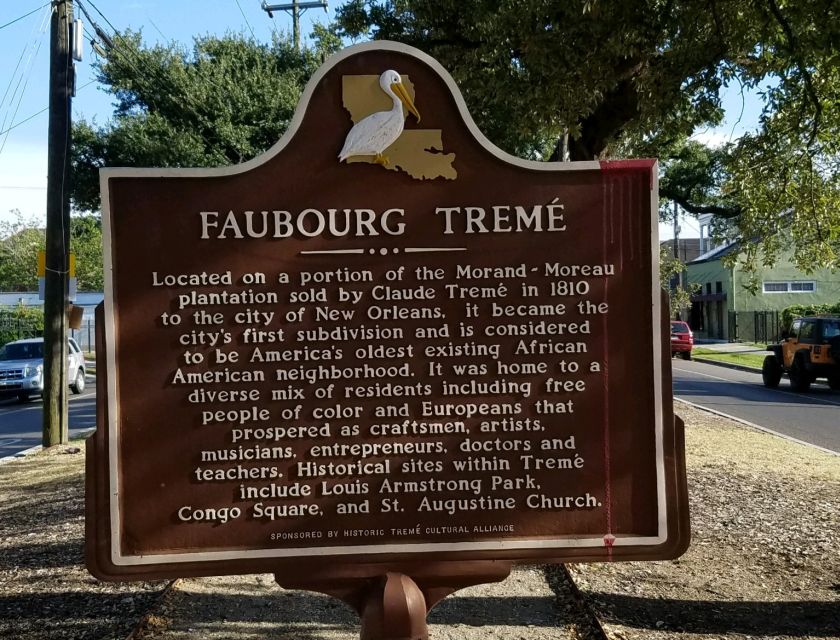
Yes, a laundromat. The tour includes the only laundromat that made its way into the Rock and Roll Hall of Fame. That sounds like a quirky detail until you think about it for five seconds: everyday spaces are where culture gets traded, shared, and carried forward.
New Orleans music didn’t come from a distant studio. It grew through real neighborhoods, real routines, and the people who saw each other week after week. This stop is a reminder that culture is built in ordinary places.






Jazz legends born in Tremé: names that make the city click
The tour uses Tremé street geography to teach jazz as a neighborhood-born phenomenon. You’ll hear how Tremé connects to people like Jelly Roll Morton, Alphonse Picou, and Trombone Shorty. Seeing those names beside real local landmarks helps the music feel less like trivia and more like a family tree.
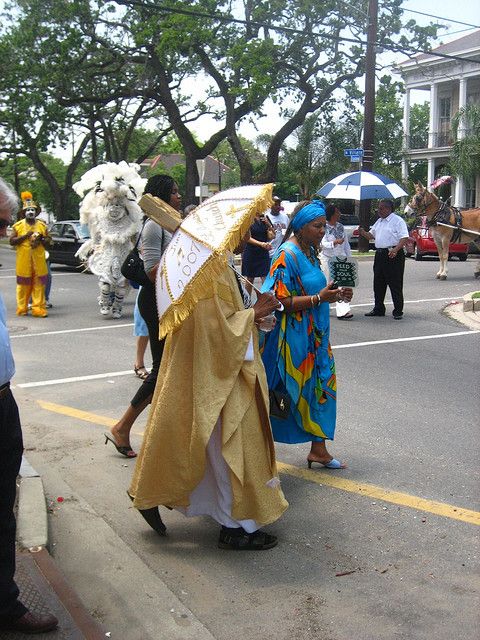
And it’s not just about early jazz. The route also points to the modern brass band tradition—how the sound stays alive and keeps evolving. That’s key for first-time visitors. If all you know is the classic jazz label, you might miss how New Orleans keeps producing new performers, new arrangements, and new ways of marching through the city.
HBO Tremé locations: turning TV into real navigation
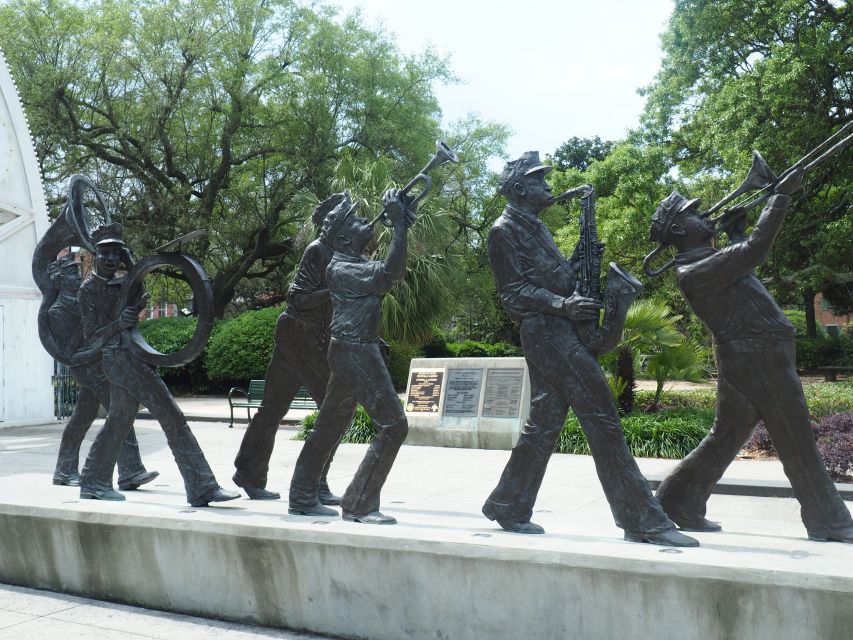
If you’ve watched HBO’s Tremé, you’ll appreciate the way this walk brings the show’s setting to life. The tour includes locations from the series, which helps you match what you’ve seen on screen to the actual streets.
Even if you haven’t seen the show, this part helps you read the neighborhood. You start noticing why certain corners feel like they matter, why some buildings and blocks hold community stories, and how Tremé has resisted becoming “generic.”
Congo Square and the musical chain of influence
One especially meaningful thread is the connection between Tremé and Congo Square. On a tour like this, Congo Square isn’t treated like a museum stop with a static sign. It’s discussed as part of the cultural mix that helped shape music—an influence that doesn’t stay stuck in the past.
That matters because it changes how you listen. Instead of hearing brass and rhythm as something that just exists, you start hearing the lineage—where styles come from and how traditions feed future music.
Modern music in your ears: speakers, pacing, and stories
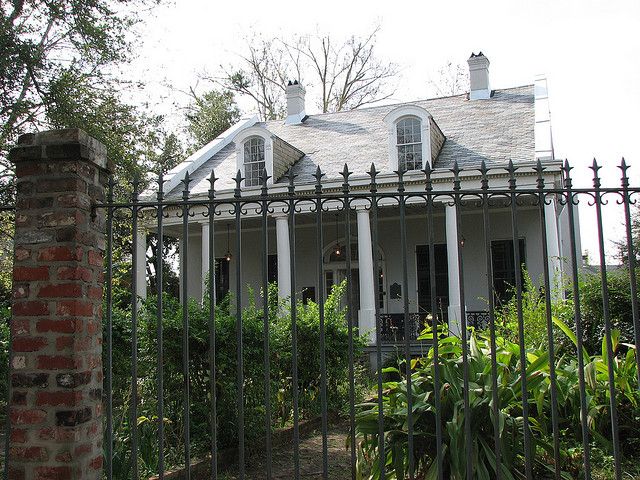
Many guides use music during the walk to make history audible. Based on past experiences with this tour, you may hear selected tracks played through a speaker, which can make the connection between street stories and the sound of Tremé feel immediate.
Guides also tend to work the pacing well for real conditions. On hot days, you can expect thoughtful pauses—shaded spots during explanations, and extra flexibility if the weather shifts. One guide even used small timing adjustments during rain so the group could keep moving without losing the flow.
You’ll also notice something else: the guides don’t just recite facts. They connect details to common misconceptions and then put the neighborhood story back into proper context. That’s why so many people leave feeling like they understand New Orleans beyond the usual highlights.
Who your guide is can change the whole tone
The tour is led by a licensed guide who’s a local historian, and the guide personality shows up fast. Some visitors specifically mention guides like Nika, Erin, Eva, Bobbie, Jeremiah, J.J., and YahYah for the same reason: they bring real enthusiasm, tell stories in a clear way, and handle questions without making you feel like the class is too structured.
If you care about depth and clarity, this is a good bet. If you prefer a very fast, no-chat style tour, you might still enjoy it, but you’ll probably want to be ready for conversation and context.
The practical reality: what to bring and what to skip
This is a walking tour, so your comfort is mostly about your feet. Bring comfortable shoes. Sun protection is a smart move too, since you’ll spend time outdoors.
Leave your day bag at bay. Luggage or large bags aren’t allowed, so plan for a smaller setup: phone, water, sunscreen, and maybe a light layer.
Also, food and beverages aren’t included. I like to treat the tour as the history segment and then pair it with whatever you feel like eating afterward—especially because Tremé has options that feel more local than “tourist menu” predictable.
Price check: is $22 worth 105 minutes of walking?
At $22 per person, this tour is priced like a value play, and it usually earns its keep because it targets a part of New Orleans that many visitors never slow down to understand. For the money, you get:
- a licensed historian guide,
- multiple major stops tied to African American and Creole life,
- and clear ties between the neighborhood and the music you came to hear.
You’re not paying for transportation or an onboard show. You’re paying for context—exactly what makes New Orleans click in the first place. The only “cost” is your time and your readiness to walk.
If you’re doing a first visit and trying to pick from dozens of tours, this one is a strong contender because it doesn’t compete with the French Quarter. It complements it by showing you where the city’s cultural power also lived.
Best fit: who should book this tour?
This tour is a great fit if you want more than haunted-house stories or parade facts. It works well for:
- music lovers who want to connect jazz and brass band traditions to real neighborhood roots,
- travelers who like history that connects to streets and community spaces,
- people who want a shorter tour that still feels meaningful.
It may not be the best match if you dislike walking, or if you’re hoping for a mostly indoor, low-exposure experience. In hot weather, you’ll want to pace yourself and take the shade breaks your guide offers.
Should you book the New Orleans Tremé African American & Creole History Tour?
I’d book it if you want New Orleans in context—especially the parts tied to Tremé’s African American and Creole community, jazz origins, and civil rights. The stop list hits powerful places (St. Augustine Church, the Tomb of the Unknown Slave) and also makes room for lighter-but-still-meaningful details like the famous laundromat and the HBO Tremé filming spots.
Book with confidence if you’re willing to walk for about 105 minutes and you can handle outdoor heat. If you want maximum value, aim for a day when you can show up with good shoes, sunscreen, and an appetite for questions. You’ll likely leave with a map in your head—and a different way of hearing the music around you.
FAQ
How long is the Tremé African American & Creole History Tour?
The tour lasts 105 minutes.
What does the tour cost?
It’s $22 per person.
Where do I meet for the tour?
Meet at The Voodoo Lounge, 718 N. Rampart St., on the corner of N. Rampart Street and Orleans Street.
Where does the tour end?
The tour ends back at the same meeting point.
What are the main places the tour visits?
The tour includes stops such as St. Augustine Church, the Tomb of the Unknown Slave, and a laundromat known for appearing in the Rock and Roll Hall of Fame.
Is food included?
No. Food and beverages are not included.
What should I bring?
Wear comfortable shoes, and it’s recommended to bring sun protection.
Is luggage allowed?
No. Luggage or large bags are not allowed.
Is the tour in English?
Yes, the tour is conducted in English.
Is the tour wheelchair accessible?
Yes, it’s wheelchair accessible.