One street, seven empires, zero guesswork. This Roman Byzantine Heritage route in Istanbul is built to help you read the city as one long story, from fortress walls to late-Byzantine mosaics. I love the tight focus on key sites that most standard routes skip, and I love how your guide, Ünsal, explains what you’re seeing with photos and clear context. A possible downside is that the big museum entrances (like Chora) are not included, so you’ll want to budget extra.
You also get a private setup, so the pace can match your energy and your questions, not a fixed bus schedule. The group format plus a licensed English-speaking guide makes this feel more like a focused day of learning than a checklist tour. Just note that timing can flex around things like mosque schedules, which can affect how quickly you move through the mosque areas.
Finally, the day is long enough (about 6 to 8 hours) to feel substantial, but not so long you’ll hate your shoes. If you’re the type who likes meaning behind monuments, you’ll get your money’s worth—even after factoring in museum fees.
In This Review
- Quick highlights to know before you go
- Roman Byzantine Heritage of Istanbul: what you’re really paying for
- Morning logistics from Sirkeci: how the day flows
- Yedikule (Castle of the Seven Towers): the Roman Golden Gate lesson
- Mevlanakapı: Roman walls you can actually read
- Chora Museum (Chora Church / Kariye): mosaics that change how you look
- Tekfur Sarayı and the emperor-palace question
- Fatih Mosque complex: conquest, Caesar, and Christian-Roman echoes
- Valens Aqueduct (Bozdogan Kemeri): the 4th-century waterline
- Zeyrek Mosque: Byzantine-Ottoman harmony with skyline payoff
- Price and tickets: where the money goes and how to budget
- How Ünsal’s guiding style changes the experience
- Is this Roman Byzantine Heritage tour worth your time?
- Should you book?
- FAQ
- What is included in the tour price?
- What are the main stops on the Roman Byzantine Heritage route?
- How long is the tour?
- Are museum entrance tickets included?
- Do I need to pay for transport during the day?
- Where does the tour start and end?
- Can I cancel and get a refund?
Quick highlights to know before you go
- Fortress-to-mosaic route: Yedikule views, then Roman/Byzantine walls, then Chora’s art.
- Ünsal’s photo-led explanations: iPad visuals and personal reference photos help you spot details fast.
- Panoramas built in: Yedikule and Zeyrek both give you skyline context, not just doorways.
- Layered religion, not a single era: Roman, Byzantine, Ottoman—within the same walking flow.
- Private pace with real flexibility: you can ask questions and adjust how long you linger.
- Museum tickets cost extra: paid stops like Chora are on you to budget.
Roman Byzantine Heritage of Istanbul: what you’re really paying for
This tour is priced at $120 per person and includes a professional licensed guide, plus a mobile ticket for easier entry management. The main value isn’t just that you visit famous places—it’s that the route connects Roman engineering, Byzantine art, and Ottoman reuse so the city feels logical instead of random.
You’re also not stuck with a cookie-cutter “see everything” approach. The private format means your guide can slow down for the art details or speed up if you want photos and views first. That matters in Istanbul, where getting oriented and understanding what you’re looking at can turn a pile of stones into a vivid timeline.
The other money question is admissions. Museum tickets are not included, and the operator estimates about €25 per person for museum entrances. If you’re trying to avoid surprise costs, this is the one part you should plan for upfront.
You can also read our reviews of more historical tours in Istanbul
Morning logistics from Sirkeci: how the day flows
The tour starts at 9:00am near Merhaba Pastaneleri Sirkeci, Hoca Paşa, Ankara Cd. It ends back at the meeting point. Since the meeting place is near public transportation, you can arrive without drama.
The actual movement during the day is a mix of walking and short rides. In practice, that can mean a metro segment plus taxis when needed, depending on what the group is able to handle and how timing lands around mosque hours. The advantage for you: you don’t spend the whole day stuck in transit, and you still get enough walking to make each stop feel connected.
Because it’s a private tour, you’ll likely feel less rushed at each site. One reason this route gets praised is that the guide doesn’t just point and move on; you’re given enough context to understand why the building matters.
Yedikule (Castle of the Seven Towers): the Roman Golden Gate lesson
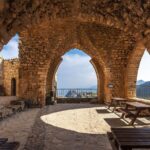
Yedikule Hisarı is where this tour starts to feel cinematic. This place has been linked with the Roman Golden Gate idea and later the “Seven Towers” identity under the Ottomans, and you can feel that layered reputation as soon as you arrive. The payoff is not only history—it’s the panoramic views of Istanbul that help you understand where the city bends and how the waterfront relates to the walls.
Plan on about 1 hour here, and budget time for photos. The guide’s job at this stop is to translate the fortification into something you can picture: where it would have stood in the urban plan, and why the Romans and later powers cared so much about controlling this approach.
One practical note: tickets are not included for Yedikule. You’ll want to have your payment plan ready so you don’t lose momentum once you reach the entrance.
Mevlanakapı: Roman walls you can actually read
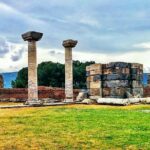
Mevlanakapı is a Roman-era wall segment, and it’s a great choice because it’s preserved in a way that lets you study structure, not just scenery. Istanbul’s Roman fortifications were described as large and complex urban defense systems, and this stop is one of the best-preserved examples on the route.
You’ll get around 1 hour here. That’s enough time to look at the wall details, notice the sheer scale, and connect the walls to later city life. In a normal “quick photo” itinerary, walls can feel like background. Here, they become part of the story—especially because the tour doesn’t treat Byzantine and Ottoman eras as separate worlds.
Admissions are free at Mevlanakapı, which is a nice bonus after the paid sites earlier. The cost control matters if you’re traveling on a tighter budget.
Chora Museum (Chora Church / Kariye): mosaics that change how you look
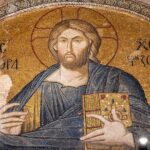
If there’s one stop that tends to hook people fast, it’s Chora. This church complex is known for late-Byzantine art—almost completely decorated with mosaics and frescos—so the building becomes a visual timeline. You’ll spend about 1 hour here, and it’s the kind of hour where understanding what you’re seeing matters almost as much as the seeing itself.
Tickets are not included, and that lines up with why the €25 museum entrance estimate matters. If you want to make this stop feel worth it, slow down and let the guide frame the themes before you wander through the mosaics. That’s where Ünsal’s style seems to shine, since he uses digital material and personal photo references to highlight intricate design details.
One caution: museums can be crowded and lighting can be uneven depending on galleries. If you hate spending half your visit trying to locate the best angles, tell your guide early what you care about—religious scenes, artists’ technique, or how the space works. A private tour makes it easier to tailor time inside.

Tekfur Sarayı and the emperor-palace question
Tekfur Sarayı is next, and it’s a shorter stop—about 30 minutes. The building is connected to Roman emperors and later layers of use, and while the interior has been reconstructed and turned into a museum, the exterior is what helps you picture its historic presence.
For many people, this is a “look carefully” stop. Even if you only have half an hour, you can learn a lot by studying how the structure communicates status: what the exterior signals, how the walls read, and how the building fits into the broader defense and city fabric you saw earlier.
Tickets are not included for Tekfur Sarayı. If you’re trying to keep museum spending controlled, this is one reason to pay attention to what you’ll actually go inside to see. The tour gives you a choice to examine mostly from outside, with an option to visit the inside if you prefer.
Fatih Mosque complex: conquest, Caesar, and Christian-Roman echoes
The Fatih Mosque complex is a big moment on the tour. It’s tied to Sultan Mehmed, the conqueror of Constantinople, and the title Caesar of Rome added to his other names. That’s not just a trivia point—it’s a clue to how rulers legitimized power by linking themselves to older Roman authority.
You’ll have about 1 hour here, and the courtyard includes the Sultan’s tomb. Even more interesting, this stop is described as one that connects the building to a Roman and Christian past through unusual elements whose meaning can be hard to pin down without guidance.
Admissions are free at the mosque complex, which helps keep the day from feeling like a chain of paid entrances. The main “cost” here is time and attention. Mosques reward quiet observation, and this itinerary is built for that—especially because it’s not running on a fast bus schedule.
A realistic consideration: mosque schedules and prayer times can change how quickly you can move. If your goal is photos, plan to be flexible with timing here so you don’t feel stressed.
Valens Aqueduct (Bozdogan Kemeri): the 4th-century waterline
Valens Aqueduct is one of those Istanbul sights that can feel underrated—until you see how monumental it looks in person. This is a 4th-century structure tied to Emperor Valens and part of the longest Roman water network.
You’ll spend about 30 minutes here. The key value is understanding that infrastructure built power. Water systems weren’t just practical; they signaled a city that could support dense life and public needs. In a day focused on monuments and art, an aqueduct is a nice reset: it reminds you that empires were run with systems as much as with soldiers.
This stop is free. It’s also a strong photo stop because the aqueduct gives you a long, visible line through the city.
Zeyrek Mosque: Byzantine-Ottoman harmony with skyline payoff
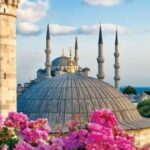
Zeyrek Mosque is where the tour closes with a feel-good architectural balance. Even after damage from earthquakes and devastating fires, this 12th-century Roman building still preserves a harmonious blend of Byzantine and Ottoman art.
You’ll have about 1 hour here, and the stop includes another impressive panorama of the city. The value for you is that Zeyrek isn’t only about admiring a structure—it’s also about reading how later eras kept using, adapting, and reinterpreting the earlier fabric.
Admissions are free, so you’ll end the day without extra ticket pressure. If you want one last “I get it now” moment, this is usually it—because the earlier stops prepared your eye.
Price and tickets: where the money goes and how to budget
The headline price is $120 per person for a private, English-guided day lasting about 6 to 8 hours. The big inclusion is the professional licensed guide, which is the item that makes this tour different from a DIY museum crawl.
What’s not included is where your budget can get messy if you don’t plan: lunch, and museum entrances. The itinerary notes several paid stops (Yedikule, Chora Museum, and Tekfur Sarayı). The operator estimates about €25 per person for museum tickets. Public transportation is listed as about €3 per person.
So what should you do with this? If you’re doing the math, treat $120 as the guide + organization + a day’s route. Then add your museum and transport costs on top. For many people, that ends up being a good value compared with paying for multiple taxis and museum entries on your own—especially because the guide helps you understand what you’re paying to see.
Also watch your expectations. This is not a “grab-and-go” tour. The value is built around explanations, pacing, and the ability to focus on details instead of racing.
How Ünsal’s guiding style changes the experience
The tour gets praised for one consistent thing: the guidance makes you look smarter. Ünsal is described as extraordinary, detailed, and friendly, with a habit of adjusting explanations to your interest level. That means you don’t just get facts—you get structure.
One specific technique mentioned in feedback is using an iPad with pictures during site visits. That’s a practical move in places like Chora and the mosque complexes, where details can be hard to spot at a glance. Another detail: there’s an emphasis on pacing based on energy level and preferences, so you’re not forced into the same timing as everyone else.
There’s also a strong “help beyond the monuments” theme. The guide is said to help with lunch decisions and even assist with taxi directions at the end of the day. You don’t have to rely on guessing for the next step, which reduces stress and helps the day feel smoother.
Is this Roman Byzantine Heritage tour worth your time?
I’d book this if you’re excited by connections: Romans to Byzantines to Ottomans, and the way art and architecture carry forward meaning. This tour is a good fit if you care about mosaics, city walls, big monuments with context, and panoramic viewpoints that help you place what you’re seeing.
You’ll also like it if you prefer a private day with room for questions. The route is packed enough to feel like a real excursion, but it’s not so frantic that you’ll feel dragged.
I would think twice if you want a totally ticket-free day or if you hate any museum spending. Since major museum entrances aren’t included, you’ll have to budget for admissions and go in ready for a longer walking + indoor mix.
Should you book?
Yes, if you want a focused Roman Byzantine Heritage day in Istanbul that actually teaches you how the city evolved. The combination of key sites you won’t get in the most basic routes, plus a guide like Ünsal who explains with photos and adapts to your interest level, is where the value lives.
If you’re mainly after quick sightseeing photos and you don’t care about explanations, you might find the paid museum add-ons less appealing. But if you like understanding why each building matters, this is the kind of itinerary that can stay with you long after the pictures are done.
FAQ
What is included in the tour price?
The tour includes a professional licensed tourist guidance service. It also uses a mobile ticket, but lunch and museum entrance tickets are not included.
What are the main stops on the Roman Byzantine Heritage route?
You’ll visit Yedikule (Castle of the Seven Towers), Mevlanakapı (Byzantine walls), the Chora Museum, Tekfur Sarayı, the Fatih Mosque and Complex, the Valens Aqueduct (Bozdogan Kemeri), and Zeyrek Mosque.
How long is the tour?
The tour runs about 6 to 8 hours.
Are museum entrance tickets included?
No. Tickets are not included for the paid museums/stops on the route, and the tour notes an estimated museum ticket cost of €25 per person.
Do I need to pay for transport during the day?
Public transportation is not included, with an estimate of €3 per person listed.
Where does the tour start and end?
It starts at Merhaba Pastaneleri Sirkeci, Hoca Paşa, Ankara Cd., 34112 Fatih/İstanbul and ends back at the same meeting point.
Can I cancel and get a refund?
Yes. You can cancel up to 24 hours in advance for a full refund. If canceled less than 24 hours before the start time, the amount paid is not refunded. The experience also requires good weather. If it’s canceled due to poor weather, you’ll be offered a different date or a full refund.