REVIEW · NARA
Nara: Cultural Heritage Tour by Rickshaw
Book on GetYourGuide →Operated by Ebisuya Rickshaw · Bookable on GetYourGuide
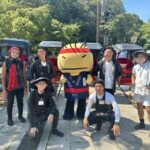
Nara by rickshaw feels like time travel. You slide past major heritage sights with a guide who can tailor the route, and you can even pause for deer biscuits and photo stops. I especially like the private pace (you’re not squeezed into a crowd) and the chance to focus on exactly what you care about, from big Buddha views to statue details. One thing to consider: you’ll share a narrow rickshaw body, so comfort can depend on who you’re riding with and how often you want to hop on/off for short walks.
If you’re picking between the time options, think about energy and walking comfort. The 70-minute version is light and sweet for first-timers, while the 130- and 190-minute versions pack more temple halls and extra area coverage like Naramachi. I like that your ride can generally finish back near where you started, but you can request a different finish point with your guide.
Key highlights that make this tour worth your time
- Private, fully customizable routing so you can aim for temples, statues, deer, or old-town streets
- Rickshaw comfort + photo stops built into the flow, not tacked on after the sightseeing
- Mt. Wakakusa option with grass-covered views and gentle deer feeding (bring your patience, not your feeding frenzy)
- Unkei Buddhist statue focus at Kofukuji Temple halls plus Todaiji’s Nandaimon gate area
- World Heritage + Naramachi + sake if you choose the longer option
- Hands-on deer biscuits provided by the tour for the Mt. Wakakusa stop
In This Review
- Why a private rickshaw beats buses in Nara
- Starting near Todaiji: what the ride feels like and what you’ll see first
- Option 1 (70 minutes): Mt. Wakakusa and the deer biscuits moment
- Option 2 (130 minutes): Unkei Buddhist statue tour for real sculpture fans
- Option 3 (190 minutes): World Heritage sites, Naramachi, and sake sampling
- Deer, gates, and behavior: how to make the feeding stop stay fun
- Price and duration: is $77 a good value for a private rickshaw?
- Small rules that matter: selfie sticks, kids, and narrow-rickshaw reality
- Who this Nara cultural heritage rickshaw tour suits best
- Booking smart: picking the right option for your trip style
- Should you book this Nara rickshaw tour?
- FAQ
- Where is the meeting point?
- How long are the tour options?
- What’s included in the price?
- Are temple admission fees included?
- Can I customize the route?
- Is hotel pickup included?
Why a private rickshaw beats buses in Nara
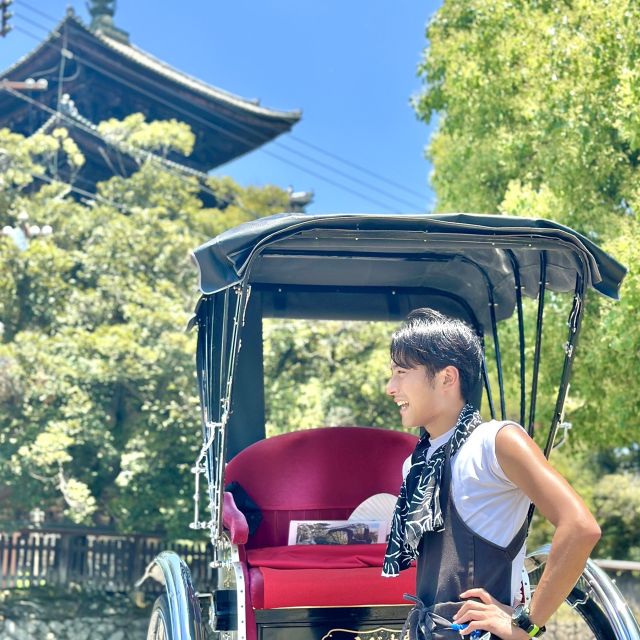
Nara is one of those cities where the landmarks are famous, but the best moments often happen in the in-between: the angle of a temple gate, the quiet side lane, the way the streets bend toward a shrine. A rickshaw is a practical way to get that feel without spending the whole day navigating transfers or walking everywhere.
This tour is private, which changes the tone fast. Instead of timing your movement to a group schedule, you can linger at the exact place that clicks for you. Want more explanation at a hall door? Ask. Want more time for a view before the sun gets harsh? You can plan around it.
And because it’s customizable, you’re not stuck with a one-size-fits-all “greatest hits” route. You can lean into culture—temples, heritage sites, Buddhist sculpture—or keep it lighter with deer and scenery.
Starting near Todaiji: what the ride feels like and what you’ll see first
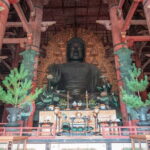
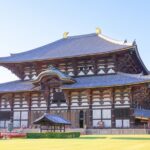
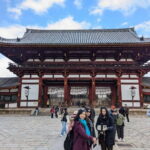
The meeting point is just outside the intersection by Todaiji Temple—a smart area to start because Todaiji is a gravity well for Nara’s history. This is the place tied to the world’s largest bronze Buddha, Vairocana (Daibutsu). You’ll get pulled into that atmosphere right away, before you scatter into smaller stops.
From there, your guide and rickshaw head out for your chosen time option. You’re also promised photo stops at Instagrammable spots along the way. That matters in Nara because temples and old streets reward good angles. A rickshaw makes those angles easier to reach without turning your day into a nonstop trek.
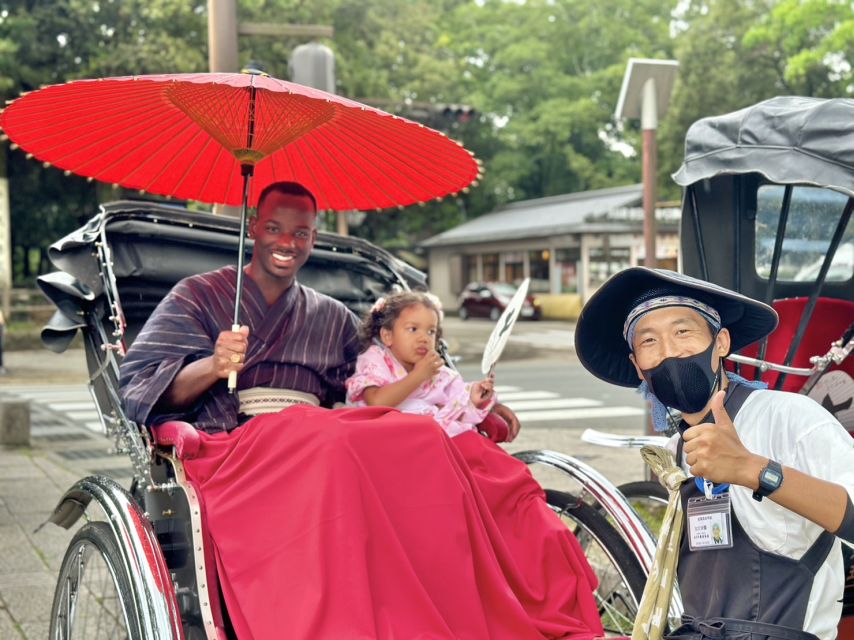
One small detail that can affect your comfort: rickshaws fit up to two adults, and the body width is about 74 cm (21.1 inches). That doesn’t sound huge, but on day-of you’ll feel it if you’re riding with someone you don’t know well or if you prefer more personal space.
You can also read our reviews of more historical tours in Nara
Option 1 (70 minutes): Mt. Wakakusa and the deer biscuits moment
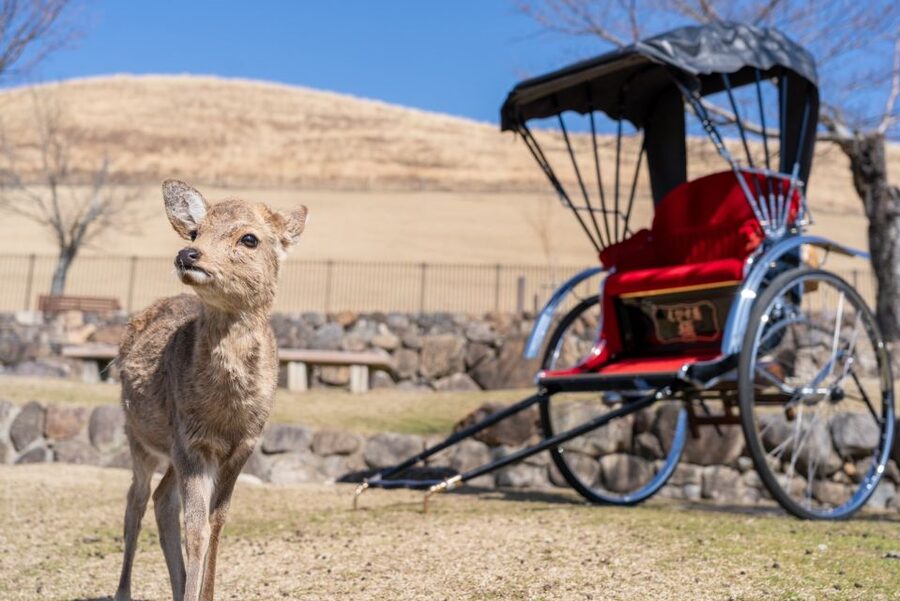
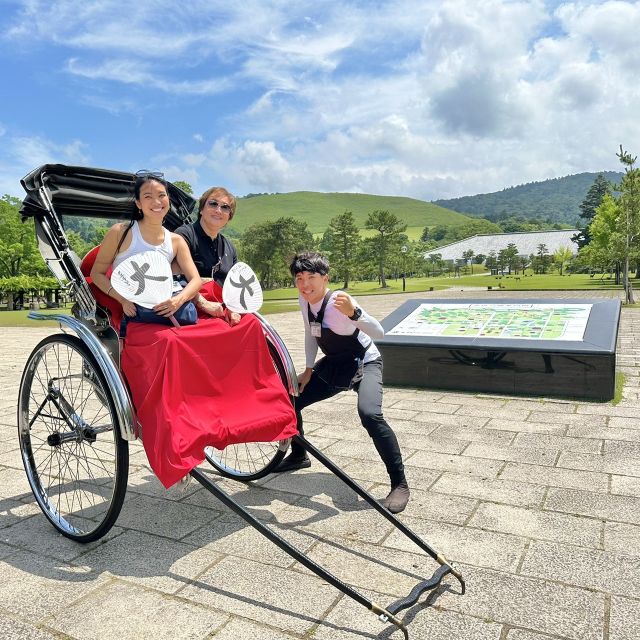
If you want Nara to feel easy on arrival, the 70-minute option is the cleanest entry. It moves from the main temple-and-shrine area toward Mt. Wakakusa, a grass-covered hill with a “horizon” kind of view. On clear days, you can even see the skyline of Nara city from up there.
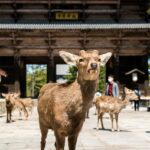
This is also the option built around the deer experience. You’ll be given deer biscuits to feed the animals. The key nuance is animal temperament. The deer at Mt. Wakakusa are gentle, while the deer near Todaiji Temple are described as ferocious. So if you’re traveling with kids, or you want deer photos without worry, Mt. Wakakusa is the safer-feeling stop.
What makes this stop valuable for you
- It adds a natural-world contrast to temple architecture.
- You get a viewpoint that helps you understand Nara’s layout.
- You get the deer feeding with a lower-stress tone.
What to watch for
You’re still dealing with deer around food. Keep your hands calm, and follow the guide’s pace. If you rush or act excited, the moment stops being cute and starts being chaotic.
Option 2 (130 minutes): Unkei Buddhist statue tour for real sculpture fans
Choose the 130-minute option if you want your visit to be about Buddhist art details, not just landmarks. This is billed as an Unkei Buddhist statue tour, and that focus is the point: you’re not simply walking past important buildings. You’re learning how Japan’s most talented Buddhist sculptors made these works—and what to notice when you’re standing in front of them.
You’ll visit Kofukuji Temple’s National Treasure Hall, plus Tokondo Hall and Chukondo Hall. Then you’ll reach Todaiji Temple’s Nandaimon gate area. That mix works well because it gives you both art-focused interior halls and the classic, dramatic gate energy outside.
Why this time slot feels different
- The guide’s explanations become the main event, which is ideal if you like context.
- You’ll see Nara’s religious art through a tighter lens instead of bouncing around too many unrelated stops.
A practical caution
This option may involve more “hall time,” meaning more stillness and reading/listening. If your group energy prefers quick outdoor views and short photo breaks, consider the 70-minute route instead.
Option 3 (190 minutes): World Heritage sites, Naramachi, and sake sampling
Go for the 190-minute version if you want Nara to feel like a full-day story arc. It includes Todaiji Temple and Kasuga Taisha Shrine as the core World Heritage stops.
Then the tour threads in Naramachi, the old-town area where traditional townscape remains. This is where you get the best sense of everyday historic Japan—narrower lanes, older street lines, and that “I’m walking through a time layer” feeling.
And then there’s sake. You’ll visit a traditional sake brewery in Nara, described as the birthplace of Japanese sake. You can sample sake there, and purchasing a bottle to take home is possible.
How this option pays off
- You balance religion and heritage with street life.
- You add a sensory stop (sake) that breaks up temple-heavy time.
- You get enough range to justify the private format.
One trade-off
It’s the longest ride. That’s great if you’re energized, but if you’re sensitive to long waits in temple areas or you want minimal fatigue, you’ll feel the extra time.
Deer, gates, and behavior: how to make the feeding stop stay fun
The deer part isn’t just a cute extra. It’s a moment where people can either have a great time—or create a stress spike—depending on behavior and location.
You’re told clearly that deer at Mt. Wakakusa are gentle, while the deer at Todaiji Temple are ferocious. So you’ll want to let your guide steer you toward the right feeding setting. If you’re choosing the 70-minute option, your itinerary naturally leans into the gentler deer moment.
For the feeding itself:
- Deer biscuits are provided by the tour.
- Keep your hands controlled and follow the guide’s timing.
- Treat it like a photo opportunity, not a handshake session.
This is also why a private rickshaw is useful. You’re not stuck in a thick crowd where people shove forward. Your guide can pace the group and help you keep the experience friendly.
Price and duration: is $77 a good value for a private rickshaw?
At $77 per person, the core value is that you’re paying for private transportation plus a guide who can shape the day. This isn’t a “look at the highlights, stand in line, move on” setup. You’re paying to reduce friction and increase your control.
Where the value gets clearer:
- The tour includes a private rickshaw and a local guide.
- You get built-in photo stops rather than just a point-to-point shuffle.
- You’re not locked into one route; your interests can guide the stops.
Where you should budget extra:
- Admission fees to temples are not included.
- Snacks and drinks are not included.
So yes, you’ll likely pay something beyond the tour price, depending on which halls and sites you enter.
The smartest way to think about it is this: for many visitors, the biggest cost isn’t the ticket price—it’s wasted time. A private rickshaw can reduce that by helping you move efficiently between major areas and by giving your guide the flexibility to keep your day flowing.
Small rules that matter: selfie sticks, kids, and narrow-rickshaw reality
A few on-the-ground rules can affect your experience.
Selfie sticks aren’t allowed. If you use one, you’ll have to switch to phone-at-chest framing. It’s also one less thing blocking pathways, which helps keep things calm around temples and deer areas.
Family logistics are clear too:
- Adult pricing applies to age 6 and over.
- A maximum of 2 adults per rickshaw.
- Up to 2 children under 5 can ride with 2 adults if they ride on an adult’s lap.
And about comfort: rickshaws are 21.1 inches (74 cm) wide, so some people prefer booking individual rickshaws for each passenger even though the rickshaw can technically fit two adults. If your group includes someone who’s sensitive to tight space, that extra thought can make a big difference.
Who this Nara cultural heritage rickshaw tour suits best
This is a great fit if you want a guided day that feels personal rather than rushed. It’s especially good for:
- First-timers who want major sights with less walking stress
- Families who prefer gentle, structured experiences (and will choose the gentler deer stop)
- People who care about Buddhist art details and want the Unkei-focused option
It’s also not a match for everyone. It’s not recommended for expecting mothers in their first 16 weeks of pregnancy and not suitable for people with back problems.
If you’re traveling with mobility needs, there’s good news: it’s described as wheelchair- and stroller-friendly.
Booking smart: picking the right option for your trip style
When you’re choosing between 70, 130, and 190 minutes, think about what you want your photos and memories to emphasize.
Pick 70 minutes if:
- You’re new to Nara and want an easy first hit at temples and scenery.
- You care about deer feeding and a view from Mt. Wakakusa.
- You’d rather keep the day light.
Pick 130 minutes if:
- You love sculpture, religious art, and explanations that help you see details.
- You want Kofukuji halls and Todaiji gate context without spreading out to old-town and sake too.
Pick 190 minutes if:
- You want the full story: World Heritage stops, Naramachi, and a sake brewery visit.
- You like the idea of splitting time between temple culture, historic streets, and a tasting experience.
Also note that the finishing location is usually near the start, but it can be customized with your guide. That flexibility is handy if you’re planning onward transportation.
Should you book this Nara rickshaw tour?
If you like guided moments that feel personal—temples, heritage sites, and a little hands-on experience—this is a strong choice. The combination of private rickshaw comfort, customizable routing, and the deer biscuit stop makes the day more than just sightseeing.
I’d book it when your priorities are clear: you want fewer headaches, better pacing, and context from a guide who can steer the route. I’d hesitate only if you need lots of physical comfort for sensitive bodies, or if you’re the type who gets bored with hall time and explanations (then the shorter deer-and-view option will fit better).
Bottom line: for a city like Nara, where the landmarks are famous but the best memories come from how you move between them, a private rickshaw is one of the most practical ways to get there.
FAQ
Where is the meeting point?
The meeting point may vary depending on the option booked, but the starting area is just outside the intersection by Todaiji Temple.
How long are the tour options?
You can choose three options: about 70 minutes (1 hour and 10 minutes), 130 minutes (2 hours and 10 minutes), or 190 minutes (3 hours and 10 minutes).
What’s included in the price?
The tour includes a private rickshaw, a local guide, and photo stops at spots along the route.
Are temple admission fees included?
No. Admission fees to temples are not included.
Can I customize the route?
Yes. This tour can be customized depending on your interests, and the finishing location can also be customized if you consult directly with your guide.
Is hotel pickup included?
No, hotel pickup is not included.