REVIEW · ROME
Best of Rome: Trastevere & Tiber Island – Food, History Tour
Book on GetYourGuide →Operated by Hili srl · Bookable on GetYourGuide
Street food and history, side by side. This 150-minute tour turns Rome’s neighborhood walking into a guided tasting run, with stops you can’t really hit on your own without a map and a plan.
One thing I really like is the undivided attention from an expert guide as you move through Trastevere and beyond, with food breaks that keep the story flowing.
I also love that it’s not just “eat, then wander.” You cross the Tiber to Isola Tiberina, then continue to the Jewish Ghetto and Campo dè Fiori, so every bite has a place and a reason.
A possible drawback: tastings can change with the season, and you’ll want to flag allergies or dietary needs early so the plan stays comfortable.
In This Review
- Key highlights worth marking on your Rome map
- A tight 150-minute loop through the real Rome
- Where to start: Piazza Santa Maria in Trastevere meeting point
- Trastevere food stops: supplì, pizza, sandwiches, gelato, and porchetta moments
- The Tiber crossing to Isola Tiberina: medicine, myth, and a short scenic break
- Portico di Ottavia: Augustus, Atia, and politics made visible
- Jewish Ghetto streets: centuries of culture and Carciofi alla Giudia
- Campo dè Fiori market energy: ingredients that power Roman cuisine
- Wine and craft beer pairings: making tastings feel intentional
- Price and value: why $49 makes sense for what’s included
- Who this tour fits best (and who should think twice)
- Tips to get the most out of the tour
- Should you book this Trastevere and Tiber Island food-history tour?
- FAQ
- How long is the Best of Rome: Trastevere & Tiber Island – Food, History Tour?
- How much does the tour cost?
- Where do I meet the guide?
- What’s included in the tour price?
- Are drinks included?
- Can the tour be tailored for vegetarian diets?
- What about allergies or dietary restrictions?
Key highlights worth marking on your Rome map
- Trastevere street food first, with classic favorites like supplì and pizza built into the route
- Isola Tiberina (Tiber Island) and its medicine island story tied to Roman culture
- Portico di Ottavia and Augustus’ family politics, explained while you’re standing nearby
- Jewish Ghetto food culture, including Carciofi alla Giudia (fried artichokes)
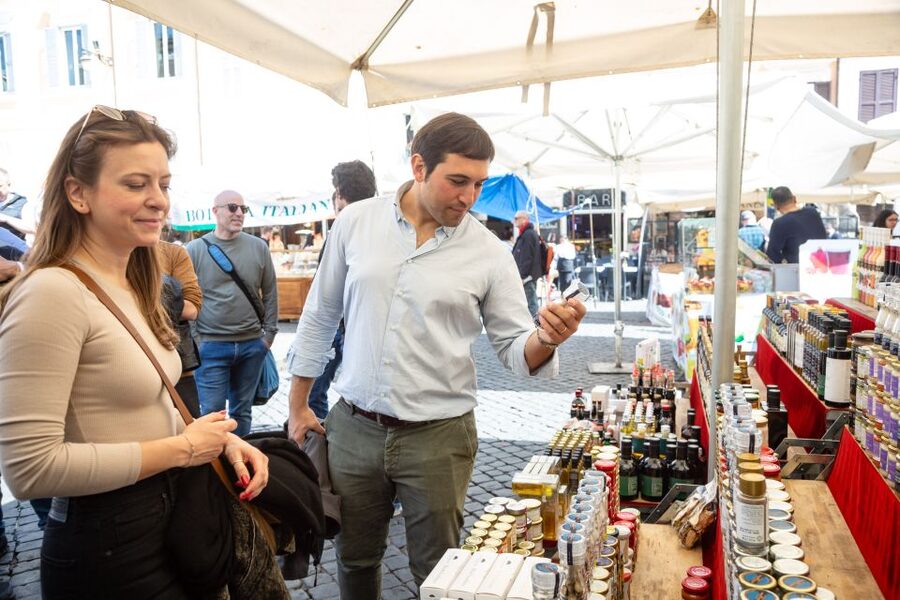
- Campo dè Fiori market atmosphere, with ingredients that shape Roman eating
- Wine and craft beer tastings included to make the food stops more fun (and more filling)
A tight 150-minute loop through the real Rome
This tour works because it’s built like Rome itself: short distances, lots of texture, and lots to look at between bites. You start in Trastevere, then move across the Tiber and keep going through the Jewish Ghetto and Campo dè Fiori. In just 150 minutes, you get a “neighborhood to neighborhood” feel without feeling rushed in the way some food tours can be.
The big value here is the mix of food and sightseeing. If you only want restaurants, you’ll miss the street-level Rome: the snack culture, the markets, and the way history actually shows up on the street. If you only want monuments, you’ll miss the best part of Rome—eating while you learn.
And you do get real structure: a local guide leads the walking, coordinates tastings, and connects the dots between what you taste and what you’re seeing.
You can also read our reviews of more food & drink experiences in Rome



Where to start: Piazza Santa Maria in Trastevere meeting point
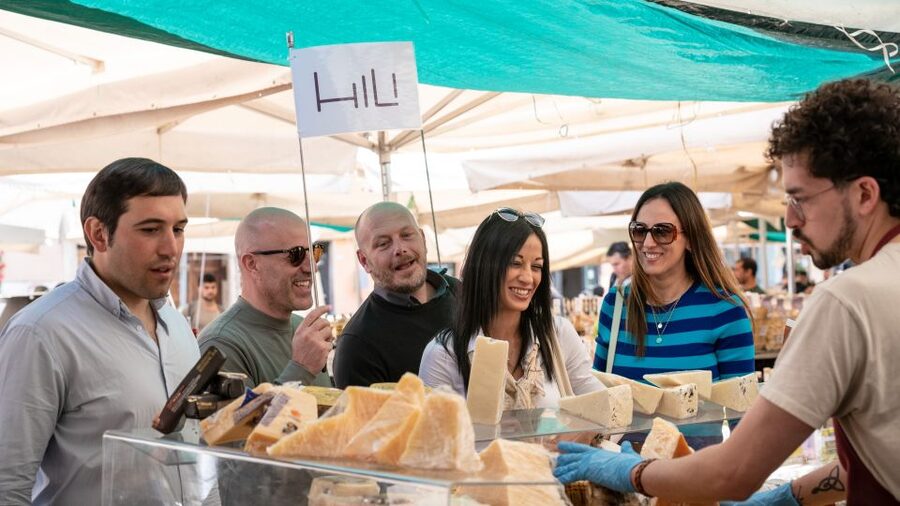
You’ll meet at 26 Piazza Santa Maria in Trastevere, right in front of the door next to the church entrance. That matters more than you’d think, because Trastevere streets can look similar fast. Starting from a clear landmark helps you avoid that awkward first-10-minutes scramble.
Practical tip: wear shoes you can stand in. The route is a walking tour with multiple tasting stops, and Rome sidewalks are not made for fashion shoes. Also, don’t treat this like “light sampling.” The tastings and pairing drinks can add up.
If you’re doing this as one of your first food-focused experiences in Rome, it’s a good way to get your bearings. Trastevere alone already feels like a different world from central Rome, and the tour’s layout helps you feel oriented before you head off on your own.
Trastevere food stops: supplì, pizza, sandwiches, gelato, and porchetta moments
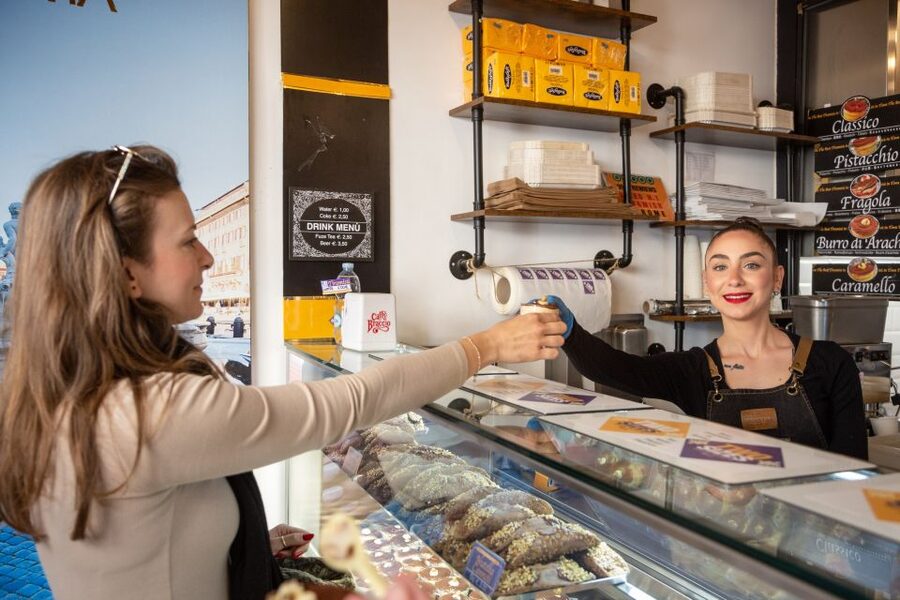
Trastevere is where the tour finds its rhythm. Your walk begins at Piazza Santa Maria in Trastevere, then you pass by small streets like Vicolo dell’Atleta and Piazza in Piscinula while stopping at traditional eateries.
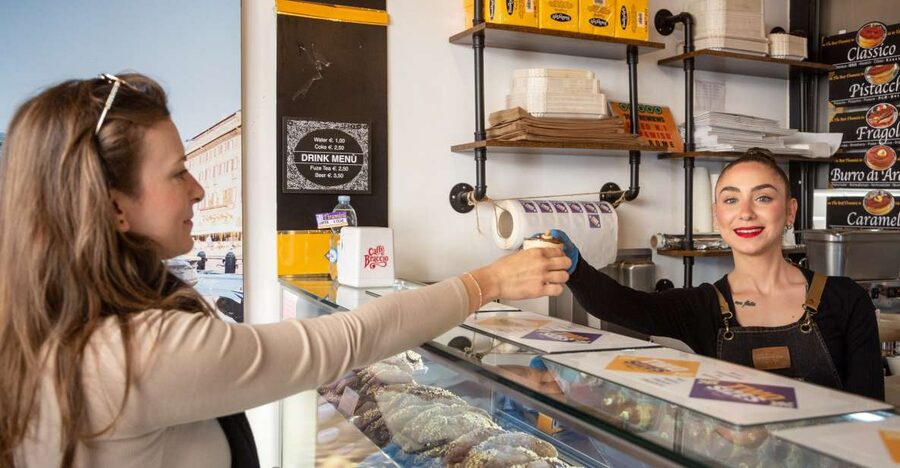
This is a street-food style menu, and that’s a plus. Instead of one formal meal that ties up your whole time, you get multiple tastes across the neighborhood. The tour highlights classics such as:
- supplì (crispy fried rice balls)
- freshly baked pizza
- stuffed sandwiches
- porchetta
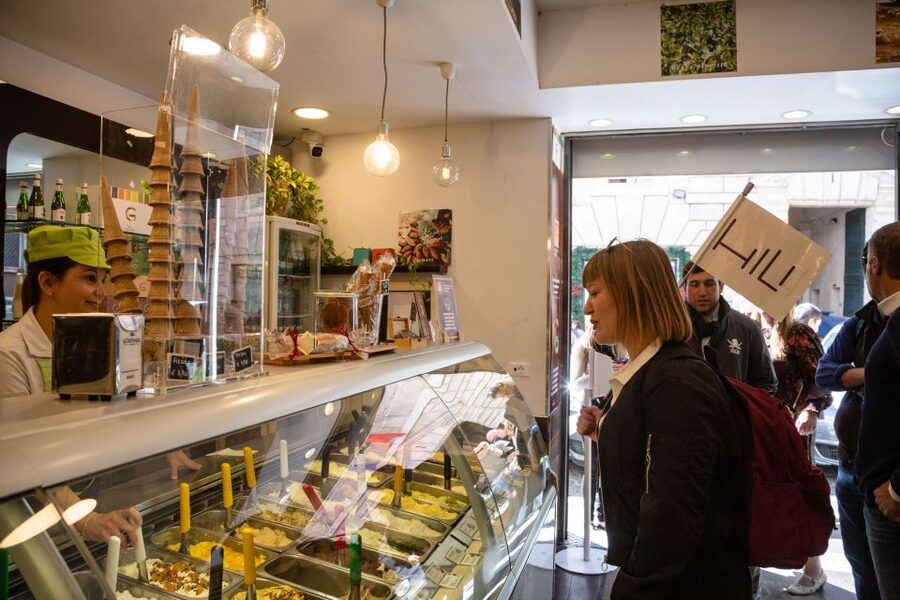
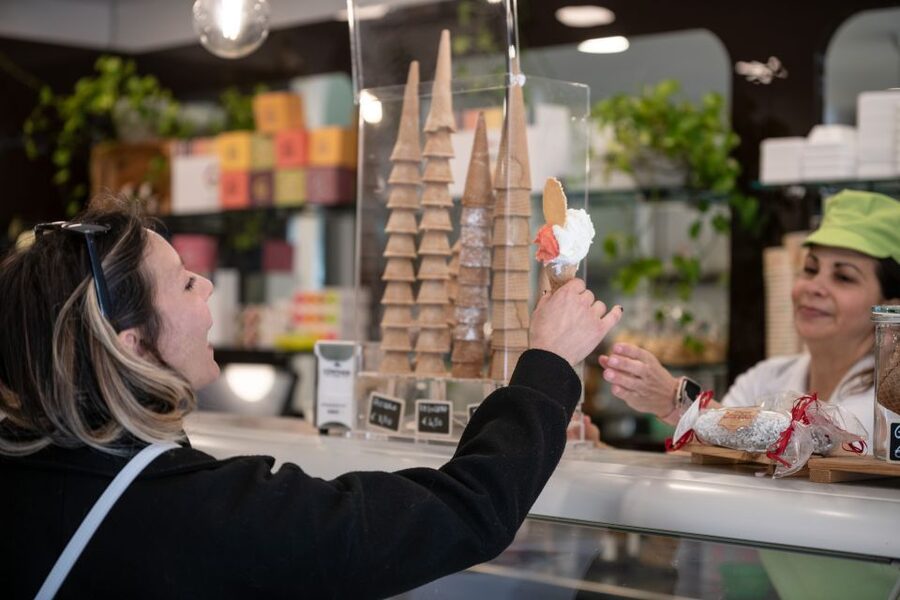
- gelato
What I like about this approach is that it mirrors how locals snack. You’re not waiting for a table. You’re grabbing bites and moving. That keeps energy up and helps you keep your attention on the street scenes around you, not just the inside of one restaurant.
One small consideration: tastings are subject to seasonality, so the exact items you get may vary. The core idea stays the same—Roman street favorites—but if you have one “must-have” item for a specific flavor, mention it when dietary needs and allergies come up. (And yes, you can tailor the experience for vegetarian.)
The Tiber crossing to Isola Tiberina: medicine, myth, and a short scenic break
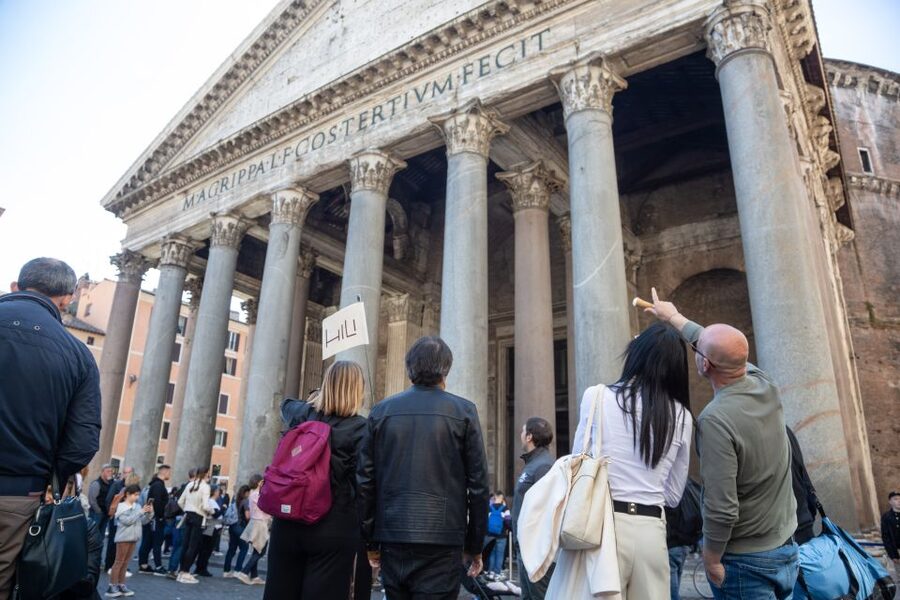
After Trastevere, you cross the Tiber River to Isola Tiberina (Tiber Island). This is a small island in the river, and the tour ties it to a Roman god: Aesculapius, associated with medicine and healing.
Standing near this island changes the way you look at the river. It’s not just scenery. It’s part of Rome’s older “systems”—health, religion, and how the Romans used geography. You’ll get the sense that even when things are quiet today, the spot has carried meaning for a long time.
The best part of this stop on a food tour is the reset. You’ve been eating and walking through dense streets. The Tiber crossing gives you a breather, plus a landmark you can remember later when you’re planning your own daytime explorations.
Portico di Ottavia: Augustus, Atia, and politics made visible
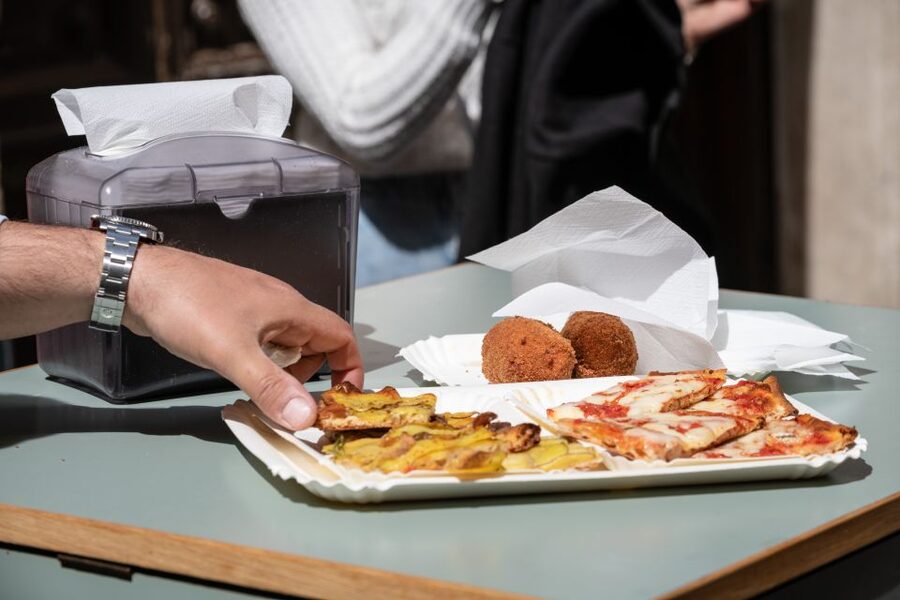
Next comes Portico di Ottavia, a grand structure built by Emperor Augustus in honor of his mother, Atia. You’ll hear how this monumental portico once served as a grand entrance connected to the Theater of Marcellus in the area.
This is where the tour earns its “history” part. It’s not history as facts dumped at you. It’s history while you’re looking at stone shapes and figuring out why this architecture mattered.
Here’s the angle I find useful for your trip planning: when you understand the function—entrance, theatre connection, and Augustus’ political legacy—you can spot the “why” behind other nearby ruins and Roman structures. That makes your solo walking afterward more rewarding, because you won’t just be photographing random columns. You’ll know what they were doing.
A few more Rome tours and experiences worth a look
Jewish Ghetto streets: centuries of culture and Carciofi alla Giudia
Then you move into the Jewish Ghetto, where the tour explains how Jewish-Roman history shaped the neighborhood and its food traditions. You’ll walk through winding streets and see landmarks tied to the area’s long cultural connection between Jewish life and Roman life.
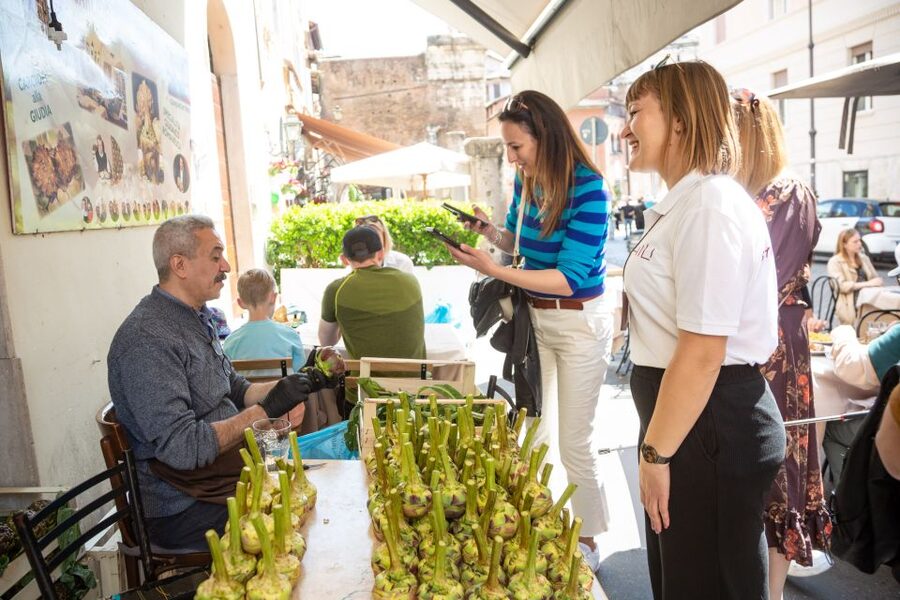
The standout culinary note here is Carciofi alla Giudia, fried artichokes. It’s a classic that often feels like a “special occasion” dish in many places. Here, the tour frames it as part of the Ghetto’s culinary heritage—something rooted in place, not just a menu item.
What you get from tying food to the streets is context you can carry with you. You’ll likely be more sensitive to how neighborhoods develop their own eating habits, and how migration, community life, and local ingredients shape what becomes “iconic.”
One practical consideration: if you have dietary restrictions or allergies, this part can be tricky anywhere in Rome, so it’s smart to communicate early. The tour is able to tailor experiences for vegetarian, and they ask you to let them know about allergies and dietary needs.
Campo dè Fiori market energy: ingredients that power Roman cuisine
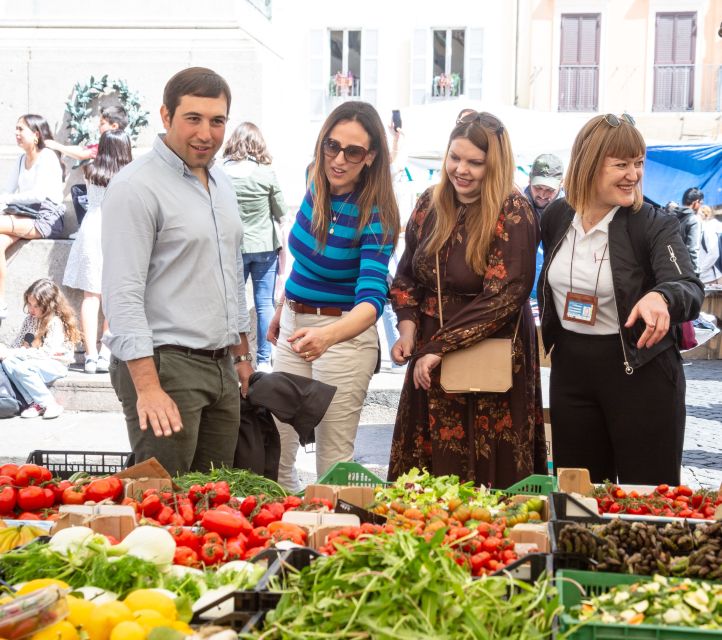
Your route finishes with Campo dè Fiori, famous for its market atmosphere—color, aromas, and fresh ingredients. The tour includes time here, and it also notes that in the morning you’ll have a chance to explore the market.
That matters because markets in Rome aren’t just shopping. They’re a living ingredient map. Even when you don’t buy anything, you learn what people are reaching for. You’ll see produce, cheeses, meats, and spices that connect directly to Roman cooking.
If your start time lines up with the morning market hours, you’ll likely enjoy that extra ingredient-focused time. If not, you’ll still get the feel of the square and the shopping culture around it—just without the full morning peak.
Wine and craft beer pairings: making tastings feel intentional
One of the strongest reasons this tour feels like more than a snack crawl is the drinks. You get selected wines and craft beers paired with the food tastings.
That pairing changes the experience in a simple way: it helps you notice flavors you might otherwise miss. Fried items like supplì tend to pair well with crisp drinks that cut through the oil. Richer bites can feel less heavy when matched with a complementary sip.
It also boosts the “fun per minute.” You’re paying for an organized tasting progression, and the included drinks keep it from feeling like you’re constantly deciding what to order next.
Just remember: extra drinks aren’t included, so if you’re planning to make this your main evening drinking plan, this may not be the only stop you’ll want.
Price and value: why $49 makes sense for what’s included
At $49 per person for 150 minutes, this is good value if you care about three things:
1) an expert guide connecting history and food,
2) multiple tastings (not just one appetizer), and
3) included drink pairings (wine and craft beer).
A lot of food tours in Rome charge similarly but deliver fewer integrated stops or fewer included tastings. Here, you also cover a set of major area walks: Trastevere, Tiber Island, Portico di Ottavia, the Jewish Ghetto, and Campo dè Fiori. That’s a meaningful geography jump for one short experience.
The “gotcha” is the usual one: if you don’t eat much, you might not need as much food or drink. If you do eat, this tour likely feels like a smart way to spend a couple hours—especially early in your trip.
Who this tour fits best (and who should think twice)
This tour is ideal if you:
- want street food more than formal dining
- like your Rome with a timeline (even a small one), not random facts
- enjoy pairing food with wine and craft beer
- want a guided path through areas like Trastevere and the Jewish Ghetto without stressing over logistics
It may be less perfect if you:
- need a very quiet, low-stimulation experience (it’s a guided walking tour with multiple stops)
- have very strict dietary needs and want total control over ingredients beyond what a standard tasting can provide (still possible, but you’ll need clear communication)
The guide quality seems to be a major selling point. Names like Alex and Alexandra come up for strong welcoming vibes and clear explanations. That’s the kind of difference that turns a good tour into a great one, because history and food are only as good as the person guiding the connection.
Tips to get the most out of the tour
A few simple things can make the difference:
- Come hungry, but not stuffed. This is built for multiple tastings.
- Expect some variation. Tastings can change seasonally, so focus on the experience rather than one fixed menu fantasy.
- If you’re vegetarian, tell them ahead of time. The tour can be tailored.
- If you have allergies, message the organizers before you go. They explicitly ask for allergy and dietary restrictions.
- Bring small cash if you want extra purchases at Campo dè Fiori. Extra drinks and additional market spending won’t be covered by the tour.
If you do these, you’ll walk away with a Rome you actually tasted—not just looked at.
Should you book this Trastevere and Tiber Island food-history tour?
Yes, I think you should book it if your goal is a high-value, short-format experience that blends Roman street food with the kind of place-based history that makes the city feel personal. The route is compact for what you get, and the included wine and craft beer push it from “nice” to “worth your time and money.”
Skip it only if you dislike walking, want a full sit-down meal format, or need strict ingredient control that a tasting tour can’t flex enough. Otherwise, this is the kind of tour that helps you understand Rome faster—one snack, one street, one story at a time.
FAQ
How long is the Best of Rome: Trastevere & Tiber Island – Food, History Tour?
The tour lasts 150 minutes.
How much does the tour cost?
The price is $49 per person.
Where do I meet the guide?
Meet at 26 Piazza Santa Maria in Trastevere, in front of the door next to the entrance of the church.
What’s included in the tour price?
It includes a local guide, food tastings, wine tastings, beer tastings, and sightseeing of Trastevere, Tiber Island, Portico di Ottavia, the Jewish Ghetto, and Campo dè Fiori.
Are drinks included?
Yes, selected wine and craft beer tastings are included. Extra drinks are not included.
Can the tour be tailored for vegetarian diets?
Yes, the tour can be tailored for vegetarian.
What about allergies or dietary restrictions?
You should let the operator know about any allergy and/or dietary restriction in advance, since the tour includes tastings.