REVIEW · ROME
Colosseum: Underground and Ancient Rome Tour
Book on GetYourGuide →Operated by The Ultimate Italy · Bookable on GetYourGuide
Underground tunnels beat the usual Colosseum photos. This tour gives you exclusive access to the underground and arena floor, then ties it all together with a fully guided Roman Forum and Palatine Hill walk so you actually understand what you’re seeing. One heads-up: the schedule is tight, so you’ll have less time for a long, self-guided wander around the very top of the Colosseum.
In This Review
- Key Takeaways
- Why This Underground-Plus Colosseum Tour Feels Different
- Where You Meet and How to Arrive Without Stress
- Roman Forum and Palatine Hill: The Hour That Makes the Colosseum Click
- The Underground Chambers: Seeing How the Games Worked
- Arena Floor Time and the View from Where Power Sat
- Price and Value: What $160 Buys You in Real Terms
- Practical Tips: What to Bring, What to Skip, and How to Hear the Guide
- Who This Tour Is For (and Who Might Feel Rushed)
- Should You Book This Colosseum Underground and Ancient Rome Tour?
- FAQ
- How long is the Colosseum Underground and Ancient Rome tour?
- What does the tour include at the Colosseum?
- Does the tour include Roman Forum and Palatine Hill?
- Are headsets provided?
- What languages are available?
- Is this tour wheelchair accessible?
Key Takeaways
- Underground + arena access: You see the spaces tied to gladiators and the behind-the-scenes flow of the games.
- Roman Forum and Palatine Hill guide time: You get context before the Colosseum crowd appears.
- Headsets included: This helps you keep up during a fast-moving site with lots of noise.
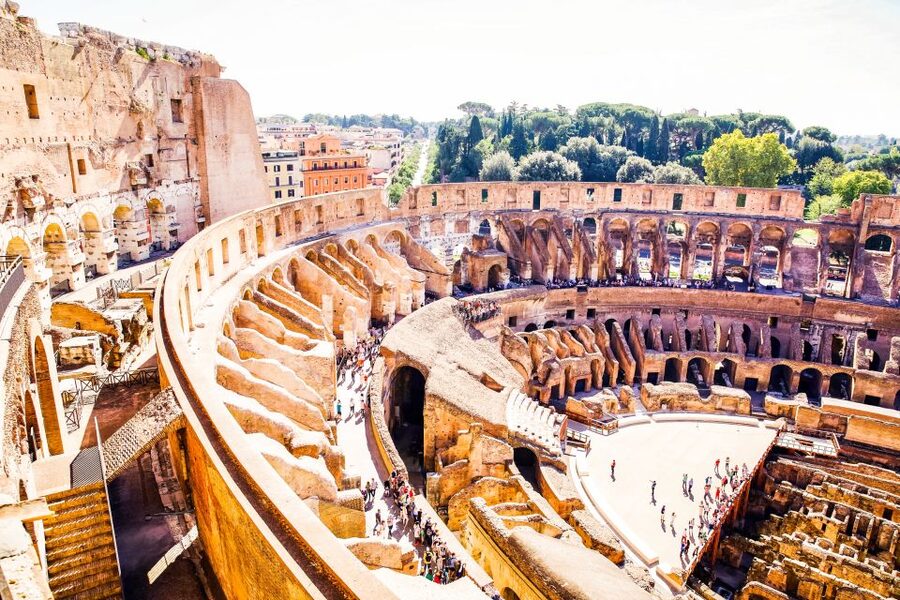
- Multi-level coverage: Underground, arena floor, ground level, and second-tier access are part of the package.
- Emperor viewpoint moment: The tour sets you up to imagine power sitting high above the arena.
Why This Underground-Plus Colosseum Tour Feels Different
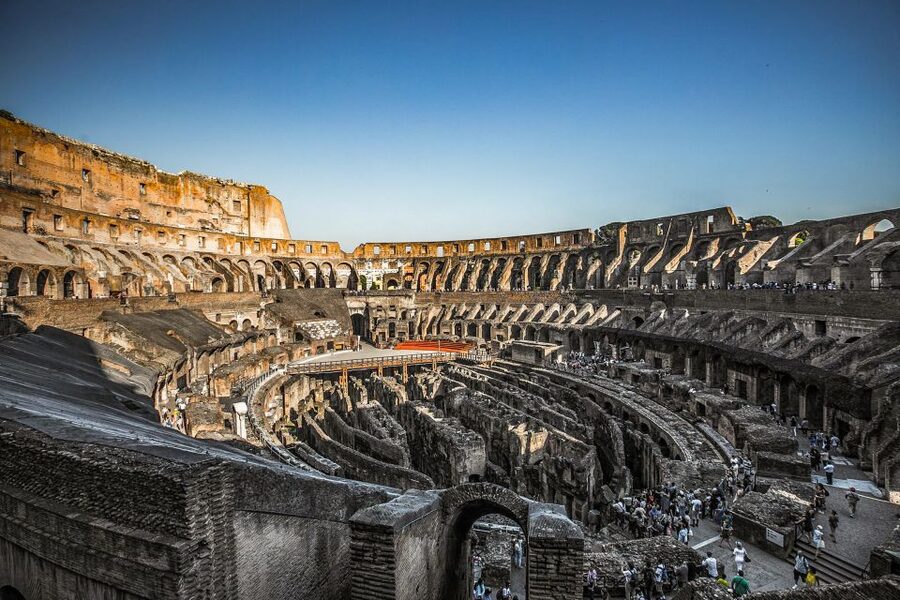
The Colosseum is impressive from the outside, sure. But it gets real when you step into the building’s plumbing—the levels below the arena where the story of the games starts. This tour is built around that idea: you’re not just looking at stone, you’re walking through the spaces that made Roman spectacle possible.
The two things I love most are practical. First, you get underground access plus arena-floor time, which turns the Colosseum from a postcard into an operational venue. Second, you’re not left to piece history together on your own—you get guided time at the Roman Forum and Palatine Hill, the political and cultural heart of the city.
The tour also includes headsets, which matters more than it sounds. In a place this busy, it’s easy to lose details. With headsets, you can actually follow the guide’s explanation instead of playing listen-and-repeat in a crowd.
You can also read our reviews of more tours and experiences in Rome.
Where You Meet and How to Arrive Without Stress
Your meeting point is Via dei Fori Imperiali, 25 (00186 Rome), right in front of the Tourist Information Point. Coordinators wear The Ultimate Italy t-shirts, so you’re not left guessing in the chaos.
Plan your arrival like you’re dealing with a real Roman city day, because you might be. Road closures and detours can happen near major attractions, and the meeting spot is on a busy route. I’d rather you arrive early with a buffer than arrive on a sprint.
Two more “save yourself pain” notes:
- Make sure your full name matches your document exactly when booking.
- Don’t show up with luggage or a backpack. Leave large bags at your hotel or in storage elsewhere. This is the kind of tour where you move through gates quickly.
Roman Forum and Palatine Hill: The Hour That Makes the Colosseum Click
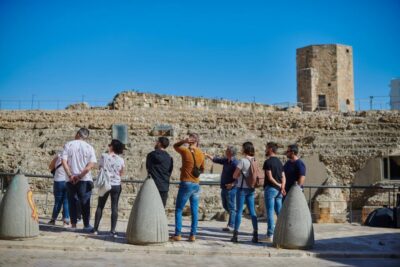
You start with about one hour of guided walking at the Roman Forum and Palatine Hill. This section is the difference between seeing monuments and understanding the machine behind them.
At the Forum, the guide’s job is to connect symbols to power. You’ll be pointed toward key areas where public life played out—think government, law, ceremony, and the messaging of Rome to itself. At Palatine Hill, the focus shifts toward how Rome’s elite built their status into the landscape.
This is also where the best tours get personal. The guide’s tone matters here. If you land a storyteller with humor and sharp context—names you may encounter include guides like Maya or Teddy—the walking stops feeling like a lecture. It feels like you’re getting the map to the Colosseum’s meaning.
Photo tip: you’ll be guided toward spots that help with perspective, including viewpoints that show how the Colosseum fits into the wider archaeological area. When the tour later moves into the arena, those earlier angles help your brain assemble the full picture.
The Underground Chambers: Seeing How the Games Worked
Then you head into the Colosseum’s underground area, where the tour becomes less about sweeping views and more about how it all functioned.
In the underground chambers and tunnels, the guide explains the Romans’ thinking behind the games—how spaces were organized for people and animals, and how the arena experience was staged. You’ll hear stories tied to gladiators and the wild animals kept below, and you’ll walk through the corridors that helped make the show feel sudden and inevitable to the crowd.
This is the part that consistently feels like a privilege, because underground access isn’t something you get with a basic ticket. It’s also where “I’ve seen pictures of the Colosseum” stops being enough. You notice details you’d miss from above: the layout, the movement routes, and the idea of an arena with a hidden backbone.
A small but useful thing: listen for the guide’s explanation about connections between areas. The underground spaces are not just dark rooms. They’re part of a system. If you keep that in mind while you walk, the rest of the day makes more sense.
Arena Floor Time and the View from Where Power Sat
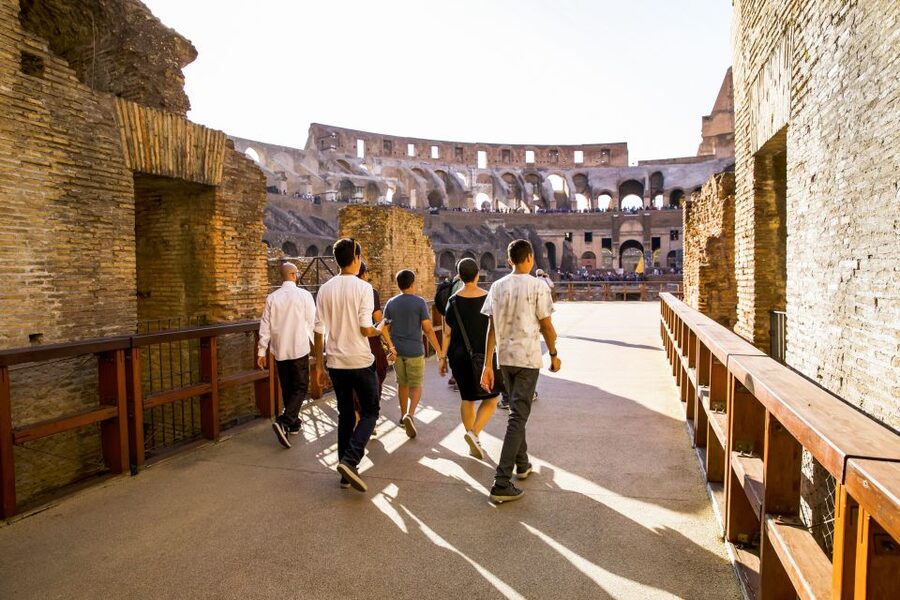
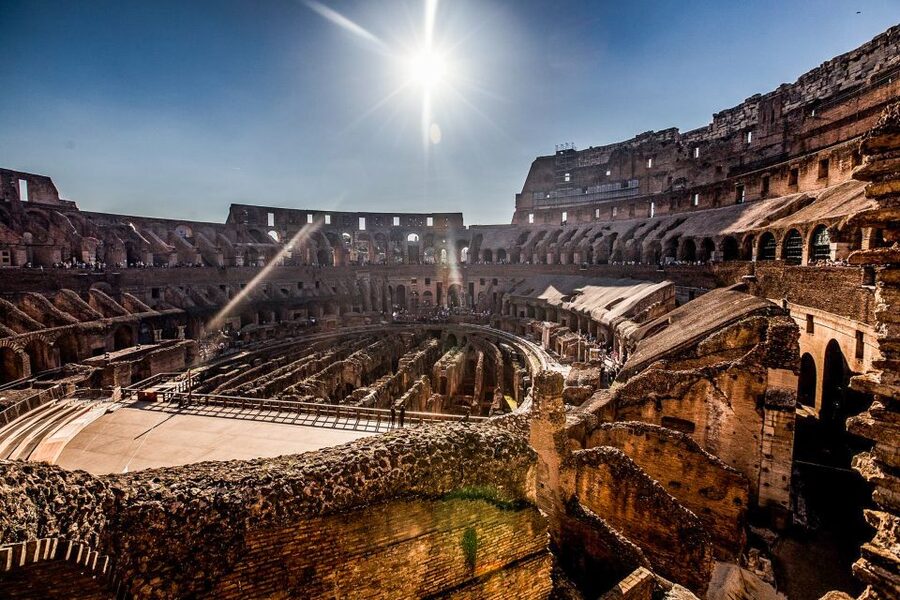
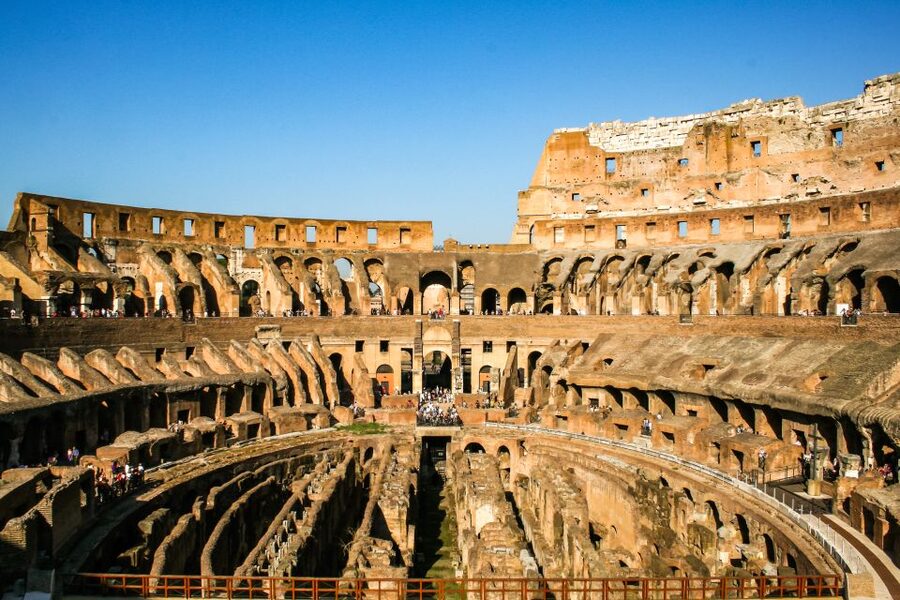
After the underground, you move to the arena floor and then to ground level, with additional access across levels like the first level/second tier and an exhibition area. In plain terms: you get multiple chances to understand the Colosseum from different heights.
When you’re on the arena floor and surrounding levels, the tour doesn’t just tell you what happened. It asks you to stand where decision-making happened. That includes the moment of imagining the emperor positioned high above the arena, weighing events as the crowd watched.
You’ll also get guided time to look around at your pace. The schedule includes moments where the guide points things out, then gives you short breathing space to take photos and absorb what you’re seeing.
Another detail that helps: you’ll be guided through the experience with the idea of stepping into the mindset of the games. Some tours in this format describe a reenactment-like feel—imagining gladiators and the crowd energy—without making it cheesy. The best guides keep it grounded and story-driven.
If underground Rome turns out to be your thing, it goes deeper than the Colosseum’s tunnels. This review-scored list of catacombs, crypts and Appian Way tours covers the burial roads outside the walls, and the Appia Antica archaeological park publishes which stretches close to traffic on Sundays for walkers.

Price and Value: What $160 Buys You in Real Terms
The price is $160 per person for a total 3-hour experience that includes a lot more than walking around with an audio guide. You’re paying for access, time, and a licensed guide who helps you read the site like a text.
Here’s the important value breakdown that makes the math feel fair:
- The Colosseum Underground admission fee is 24€ for adults, plus a 2€ booking fee.
- Your remaining payment covers the licensed guided tour, headsets, and other booking/tour services.
So you’re not just buying “entry.” You’re buying guided interpretation in the places where self-guided visits can feel like staring at impressive ruins. You get a structure: Forum first to orient you, underground next to explain the machinery, then arena and upper viewpoints to complete the story.
One more value angle: you’re saving time by not trying to wrestle your way through queues on your own. Many people do end up paying more for that convenience and the streamlined entry, and that’s often worth it if you’re only in Rome for a short window.
Practical Tips: What to Bring, What to Skip, and How to Hear the Guide
This is a site day with rules and quick movement, so pack smart.
Bring:
- Passport or ID card (for children, and for adults as requested by the tour rules).
- A copy is accepted (as stated).
Leave behind:
- Luggage or large bags
- Backpacks
- Unaccompanied minors (minors must be accompanied)
Group and language:
- Live guide in French, English, or Spanish.
- Headsets are provided to hear the guide clearly.
Audio reality check: headsets generally work well, and many people praise them. Still, one issue that can happen in any headset setup is occasional crackle/low volume or battery problems. If your audio sounds weak, stay close to your guide rather than fighting the static.
Also note the pace. Even at 3 hours, this is not a slow museum stroll. You’ll be walking, standing, and moving through multiple zones.
Who This Tour Is For (and Who Might Feel Rushed)
This tour is a good fit if you:
- Want more than a basic Colosseum ticket
- Love historical context, especially Rome’s politics and elite culture before the arena
- Prefer a guide-led experience in complex sites with lots going on
You might not love it if you:
- Want long, independent roaming on the upper Colosseum. The itinerary is structured, and some people wish they had more time for the top views.
- Need wheelchair-friendly access. This tour is not suitable for people with mobility impairments and is not for wheelchair users.
If you’re traveling with kids, note the requirement around identification and the restriction on unaccompanied minors. For families, the biggest practical question is whether everyone can handle a 3-hour walk-and-stand day.
Should You Book This Colosseum Underground and Ancient Rome Tour?

I’d book it if your priority is understanding the Colosseum as a working space, not just a giant building. The underground portion changes the whole experience, especially when it’s paired with guided context at the Roman Forum and Palatine Hill.
I’d think twice only if you’re the type who loves lingering for long minutes on the top tier, taking your time without a schedule. With this format, you trade some free wandering for a complete guided route.
If you do book, do two things:
- Choose a time slot and arrive early so you’re not stressed about getting to Via dei Fori Imperiali on time.
- Double-check the name on your documents. Exact matching matters.
FAQ
How long is the Colosseum Underground and Ancient Rome tour?
The tour lasts about 3 hours.
What does the tour include at the Colosseum?
You’ll get access and guided time that covers the Colosseum underground, the arena floor, the ground floor, the second tier, and an exhibition, plus time exploring the monument.
Does the tour include Roman Forum and Palatine Hill?
Yes. It includes a guided visit of about 1 hour covering the Roman Forum and Palatine Hill.
Are headsets provided?
Yes. Headsets are included to help you hear the guide clearly.
What languages are available?
The live tour guide operates in French, English, and Spanish.
Is this tour wheelchair accessible?
No. It is not suitable for people with mobility impairments and wheelchair users.