REVIEW · CAIRO
9 Days Private Historical Tour in Egypt
Book on Viator →Operated by Egypt Tours Gate · Bookable on Viator
A trip with pyramids in one hand and Red Sea time in the other. This 9-day private route strings together ancient sites, Cairo’s religious neighborhoods, and a real beach break—without making you plan anything day by day.
What I like most is the focus on people, not just places. You get an Egyptologist guide and that helps the sights make sense fast—plus guides such as Atef and Ibrahim show up by name in customer feedback, and the vibe is consistent: careful timing, clear answers, and you never feel dropped into a crowd.
The only real drawback to budget for: some big-ticket experiences have extra fees. The tour covers many admissions, but key items like the pyramids chambers and the Tutankhamun tomb ticket are listed as not included, and the Sound & Light show ticket is also extra.
In This Review
- Key highlights at a glance
- First Day in Cairo: Meet-and-Assist and a Giza-View Start
- Sound & Light at the Pyramids: Night Magic Without Daytime Rushing
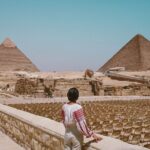
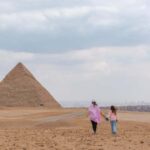
- Giza, Sphinx, and Pyramid Valley: Your Best Shot at a Perfect First Pharaoh Day
- Saqqara and Mit Rahina: Older Pyramids, Better Perspective
- Egyptian Museum Plus Coptic Cairo: Cairo’s Many Layers in One Day
- Karnak and Luxor Temple: When Pharaohs, Romans, and Later Empires Collide
- Valley of the Kings, Hatshepsut, and Memnon: Tomb Choices You’ll Appreciate
- Sharm El Sheikh: The Red Sea Reset Your Body Actually Needs
- Sharm El Sheikh Again: Optional Activities Plus Dahab and the Blue Hole
- Back to Cairo for One Night: A Nile Cruise Option Ends the Trip
- Price and Value: What This Private Tour Actually Gives You
- Who Should Book This 9-Day Egypt Plan
- Should You Book This Private 9-Day Tour?
- FAQ
- Is this tour private or shared?
- What’s included for transportation between cities?
- What meals are included?
- Are admission tickets included for all sights?
- Do I need an Egypt visa for this trip?
- Does the tour include hotels?
- Is bottled water provided?
- What optional activities are mentioned?
- What fitness level do I need?
- What are the cancellation terms?
Key highlights at a glance
- Private Egyptologist guidance at major sites, with time kept under control
- 5-star hotel stays in Cairo and Sharm El Sheikh on breakfast basis
- Giza + Sphinx + valley temples plus optional add-ons like camel time
- Saqqara and Memphis area for a less-crowded look at early pyramid power
- Luxor West Bank tombs and Deir el Bahari with guided tomb choices
- Red Sea downtime in Sharm El Sheikh, including an optional Dahab visit
First Day in Cairo: Meet-and-Assist and a Giza-View Start
Your first step is the practical one: someone meets you at Cairo International Airport and helps you through the typical flow (passport control, luggage, customs). From there, you head to your Cairo hotel, located at the foot of the Giza Pyramids, so even day one has that electric “I can’t believe I’m here” feeling.
The rest of the day stays flexible. If you arrive early, you might have the option of an early add-on tour; otherwise, you’re given time to settle in and rest up—because Cairo sightseeing later on can be a lot, even on a private plan.
I especially like that this tour builds in an easy start instead of a sprint. It’s one of those small choices that affects everything else: less stress, better energy, and smoother logistics overall.
You can also read our reviews of more private tours in Cairo

Sound & Light at the Pyramids: Night Magic Without Daytime Rushing
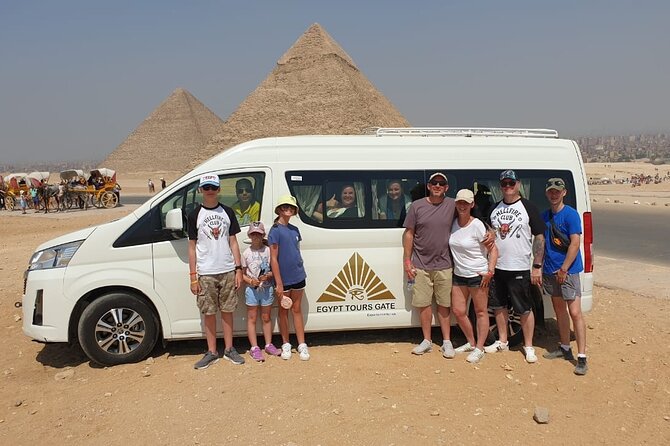
On the first full sightseeing day block, you get a Sound & Light show at the Great Pyramids area and the Sphinx. The ticket for this show isn’t included, but the experience is scheduled so it fits naturally into the early Cairo rhythm.
Why it’s worth considering: it’s one of the easiest ways to see the pyramids at night, when the crowds shift and the lighting changes your whole perception. Daytime is about scale and detail; nighttime is about mood and story.
Practical note: expect it to be a bit chilly or at least cooler than you’d guess. Egypt can play tricks with temperatures after sunset, even when daytime feels warm.
Giza, Sphinx, and Pyramid Valley: Your Best Shot at a Perfect First Pharaoh Day
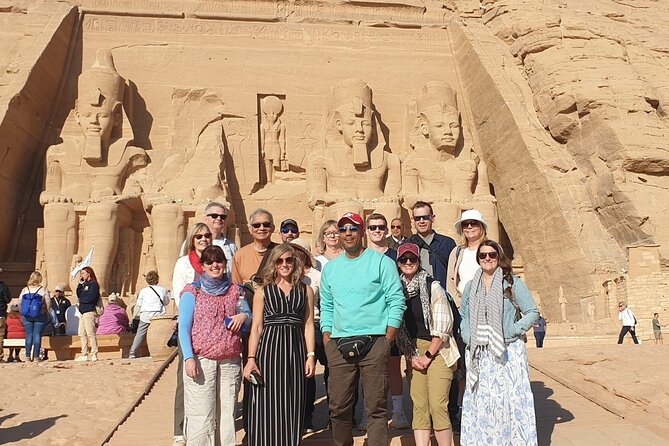
This is the headliner, and you’ll feel it in the way the day is structured. You start with the Pyramids of Giza, and your private guide explains the Egyptian pharaohs, gods, goddesses, and the logic behind mummification. That matters more than people think. If you walk in with context, you walk out remembering specifics instead of just “big rocks.”
The time on site is about 4 hours, with a “your choice” feel for hands-on options. The plan includes time for things like entry into chambers and camel riding, depending on what you want to add. (Chambers have an extra fee listed as not included, so you’ll want to decide in advance.)
Then you continue to see the Sphinx and the Valley Temple with your guide. This is where you’ll notice how the ancient designers thought in routes—how temples connect to each other, not just stand alone.
One consideration: Giza can feel intense. Even with a private guide, it’s still a site with sellers, crowds, and bright sun. Wear good walking shoes and bring water (you’ll have bottled water on day trips).
Saqqara and Mit Rahina: Older Pyramids, Better Perspective
If Giza is the famous class photo, Saqqara is the earlier draft. You’ll visit the Step pyramids and the Valley temple, with a guided look at the complex tied to the oldest pyramid tradition in this area.
The scheduled time is about 2 hours. That’s long enough to take in the key structures and short enough that you don’t feel like you’re dragging through “just more ruins.” Your guide also takes you into one of the tombs dedicated to nobles, which is a highlight because it changes the story from outside monuments to real human spaces.
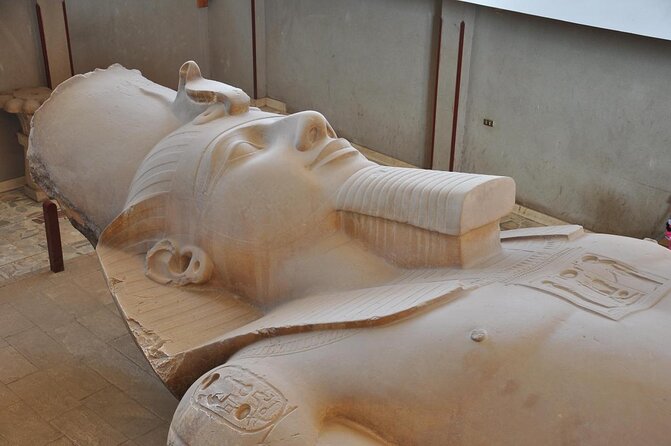
After that, you move to Mit Rahina Museum, which functions like an open-air view into the old city of Memphis. You’ll see a large Ramses II colossus and other sculpture highlights, with your guide explaining what you’re looking at.
This pairing is smart value. Saqqara gives you the “how did pyramids evolve?” part, while Mit Rahina helps you understand that Egypt wasn’t just about building—it was also about sculpture, power, and symbolism.
Egyptian Museum Plus Coptic Cairo: Cairo’s Many Layers in One Day
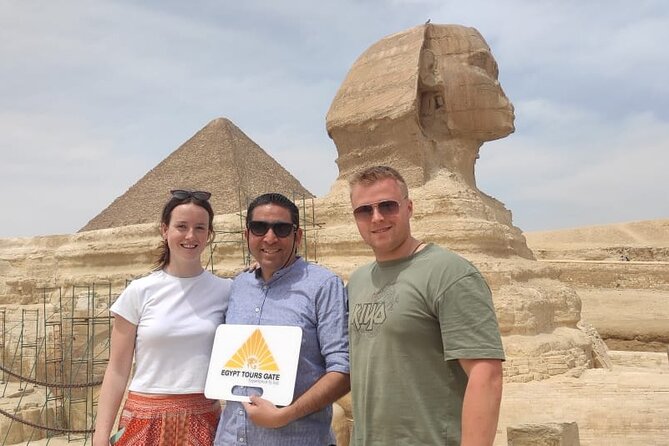
Day three blends two Cairo worlds that can feel like separate universes: pharaonic treasures and early Christian sites.
At the Museum of Egyptian Antiquities, your private guide leads you through major collections, including treasures associated with Tutankhamun. You get about 3 hours here, with private guided focus and then time to explore on your own. That mix works well because museum crowds can turn even a guided trip into a blur. Having a bit of free wandering time helps you control your pace.
Then you shift to Coptic Cairo, including the Hanging Church (about 1500 years old), the Cavern Church (connected to the Holy Family hiding narrative), and the Ben Ezra synagogues area (dating back to the 9th century). You also get lunch served during this day tour.
What I like: the tour doesn’t treat Cairo as one-size-fits-all. It shows how different communities shaped the city over centuries. Even if you know little history, the guide’s sequencing helps the sites feel connected instead of random.
You can also read our reviews of more historical tours in Cairo


Karnak and Luxor Temple: When Pharaohs, Romans, and Later Empires Collide
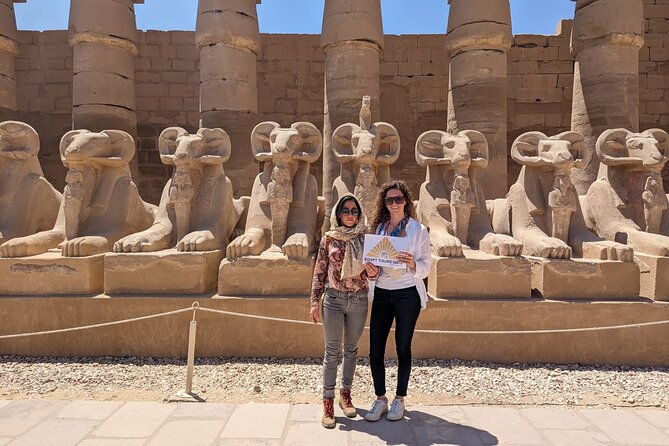
Next comes Luxor, but the real mood starts at Karnak. You’ll be in a temple complex, not a single building, and you’ll get an Egyptologist-style explanation of the cult of Ra and the meaning behind the walls, columns, pylons, and murals.
Time here is around 2 hours, and that’s a sweet spot. Enough to understand why Karnak feels like a city inside a city, not enough that you burn out before the best bits.
Then you go to Luxor Temple, tied historically to Karnak through the sphinx avenue route. One of the most interesting things about Luxor Temple is the way multiple periods are layered inside the same space: pharaonic, Greek, Roman, Coptic, and Islamic touches all show up.
Lunch is included at a local restaurant during this day block, and then you add a local-life stop at the Luxor Market. You’ll get time for bargaining and a cup of mint tea, which is more than a snack. Markets are where you feel the city’s everyday rhythm, and your guide helps you navigate without turning it into a stressful negotiation marathon.
Valley of the Kings, Hatshepsut, and Memnon: Tomb Choices You’ll Appreciate
Luxor’s West Bank is famous, but it can also feel like sensory overload if you don’t plan. Here, you start with the Valley of the Kings for about 2 hours, and your guide helps you choose which tombs make the most sense.
That tomb-selection piece is a real quality marker. People want to see everything, but you can’t. With a guide, you can match tombs to your interests and keep the day from turning into a check-box grind.
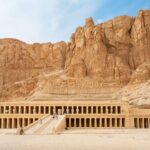
Then you visit the Temple of Hatshepsut at Deir el Bahari. You get guided history first, then some free time to explore and take photos. Lunch is included, which keeps energy from crashing mid-day.
The day closes with the Colossi of Memnon—two big seated statues tied to Amenhotep III. It’s short at about 30 minutes, but it’s a good stop to end on because it lets your brain recover a bit before the beach days.
Sharm El Sheikh: The Red Sea Reset Your Body Actually Needs
After Luxor’s concentration of temples and tombs, Sharm El Sheikh acts like a reset button. You get about 6 hours on the Red Sea in Sharm El Sheikh, with time for relaxing on golden sand beaches and enjoying snorkeling and sea-life watching.
This day is set up as genuine downtime, not another “quick look then go.” If you want a vacation that doesn’t feel like constant motion, this is the built-in breathing space.
The plan also mentions optional extras like a desert safari and motor quad. Those are not included, but they’re offered as add-on choices so you can pick how adventurous you want to be.
Practical tip: use sun protection like it’s your job. In the Red Sea, the light can get intense quickly, even if you think you’ve already adjusted to Egypt.
Sharm El Sheikh Again: Optional Activities Plus Dahab and the Blue Hole
The next day is another Sharm-focused block, also about 6 hours. You’ll have time for optional activities and beach time again, including the chance to visit the shopping area of Dahab and the Blue Hole.
A good thing about this approach: it doesn’t force you into one big excursion. You can decide how you want to spend the hours—more coast, more inland, or a mix.
One thing to keep in mind is that Dahab and the Blue Hole can feel like a different vibe than Sharm. If you’re the type who likes variety, you’ll likely enjoy this “coastal change of scenery” moment.
Back to Cairo for One Night: A Nile Cruise Option Ends the Trip
You head back to Cairo using the flight segment included in the tour planning. The plan includes a transfer to Sharm El Sheikh Airport and a flight to Cairo, then a one-night stay in Cairo.
That evening includes an optional Dinner Nile cruise. If you like your history with a side of skyline views, it’s a good way to close out the ancient-heavy days with something slower and more relaxed.
Even if you skip the cruise, the scheduling gives you a buffer before departure. That matters on a 9-day trip, because airports always steal time if you’re not careful.
Price and Value: What This Private Tour Actually Gives You
The price is $4,500 per person for a private 9-day experience with Egyptologist guidance, air-conditioned vehicle use on day trips, bottled water, meet-and-assist support, and internal flights Cairo–Luxor–Sharm–Cairo. You also get all accommodations at 5-star hotels on breakfast basis.
On a practical level, the value comes from bundling three expensive things together: high-demand guides, intercity transport, and solid hotels. Many DIY trips in Egypt can look cheaper on paper until you start paying for separate drivers, missed opening windows, and the time cost of figuring it out.
What’s not included is important:
- Entrance fees for the pyramids chambers and the Tutankhamun tomb
- Sound & Light show ticket
- The Egypt visa (listed as $25 USD)
- Optional tours not mentioned as included
So yes, the sticker price is big. But for a private route that stitches together Cairo, Luxor, and the Red Sea with 5-star stays and internal flights, it can pencil out as a stress-free way to see a lot without turning your vacation into project management.
Who Should Book This 9-Day Egypt Plan
This works best if you want:
- Private guiding at key sites, not a seat on a group bus with vague instructions
- A balance of major archaeology and real downtime at the sea
- Someone else handling timing, transfers, and the “what’s worth it” choices (especially for tomb selection)
It may not be your best match if you’re on a tight budget and want zero surprise add-ons, since a few major experiences list extra fees.
Also, the tour notes moderate physical fitness. You’ll be walking through archaeological sites with steps and uneven surfaces, so choose footwear and pace wisely.
Should You Book This Private 9-Day Tour?
If you want a first-timer Egypt trip that feels organized but not robotic, I think this is a strong pick. You’re getting the big icons—Giza, Saqqara, Karnak, Luxor Temple, Valley of the Kings—plus a thoughtful Cairo day that includes Coptic Cairo and a real break in Sharm El Sheikh.
My decision advice: book it if you’re comfortable budgeting extra for a few admissions and optional tours, and you want a guide to keep you moving with confidence. If you’re more into DIY wandering and you hate paying for tickets on top of tickets, then you might want a more flexible option.
Either way, this is the kind of itinerary that makes sense when you want Egypt to feel big and varied without the hassle of stitching it all together yourself.
FAQ
Is this tour private or shared?
It’s a private tour/activity, so only your group participates.
What’s included for transportation between cities?
The tour includes internal flights: Cairo–Luxor–Sharm–Cairo, plus airport meet-and-assist and transfers by air-conditioned vehicle during day trips.
What meals are included?
The package includes breakfast (7) and lunch (4). Dinner is not listed as included, though there’s an optional Dinner Nile cruise.
Are admission tickets included for all sights?
Not for everything. The plan specifies some admissions as included or free, but it also lists extra fees not included for pyramids chambers and Tut Ankh Amun tomb. The Sound & Light ticket is also not included.
Do I need an Egypt visa for this trip?
Yes. The tour notes that the entry visa is not included, listed at $25 USD.
Does the tour include hotels?
Yes. It includes all accommodations at 5-star hotels on B.B basis.
Is bottled water provided?
Yes. Bottled water is included during day trips.
What optional activities are mentioned?
Optional add-ons mentioned include desert safari and motor quad in Sharm El Sheikh, and a visit to Dahab and Blue Hole. There’s also an optional Dinner Nile cruise in Cairo.
What fitness level do I need?
The tour states you should have moderate physical fitness.
What are the cancellation terms?
You can cancel for a full refund up to 24 hours in advance. If you cancel less than 24 hours before the start time, the amount paid isn’t refunded.