REVIEW · ATHENS
Ancient Athens tour: Acropolis, Parthenon and Acropolis Museum
Book on Viator →Operated by Athens Walks Tour Company · Bookable on Viator
The Acropolis feels bigger when you have context. This 4-hour walk ties the Parthenon and the other temple spots to what was happening around them, then you get a second viewpoint at the Acropolis Museum. I really like the pace here: you get real time to look, not just pose-and-go, and you also get bottled water when the Greek sun starts pushing.
Two things I’d call out right away are how smoothly the group moves through crowded areas with a licensed guide, and how the museum helps you connect details you might otherwise miss on the rocks above. The only drawback to plan for is heat and uneven footing, so a moderate fitness level matters, and you’ll want to bring your own sun support.
Key points to expect on this Athens tour
- Licensed guide first, then monuments: history that clicks while you’re actually standing there
- Museum included time: you’ll see artifacts in a purpose-built space after the climb
- Small group size (max 20): easier movement and better listening than you’d get on huge buses
- Water support: bottled drinking water is provided for the sweaty parts
- Photo stops built in: guides help you find good viewing angles amid the crowd
- Ear-piece style communication: designed to keep you hearing the guide in busy zones
In This Review
- What You’re Really Buying: A Guided Acropolis + Museum Connection
- Starting at Porinou: Be Ready for a Real Morning
- The Acropolis of Athens: Two Hours That Shouldn’t Feel Rushed
- Parthenon Focus: Short Stop, Big Meaning
- Theatre of Dionysus: Where Drama and Power Meet
- Herod Atticus Odeon: The Roman-Era Surprise
- Propylaea and Erectheion: Gates and Caryatids
- Acropolis Museum: Where the Pieces Click Together
- Timing, Pacing, and How to Make the Most of Four Hours
- Price and Value: Is $72.59 a Fair Deal?
- Who This Tour Fits Best (and Who Might Want a Different Plan)
- Practical Tips That Actually Help
- Should You Book This Acropolis and Museum Tour?
What You’re Really Buying: A Guided Acropolis + Museum Connection
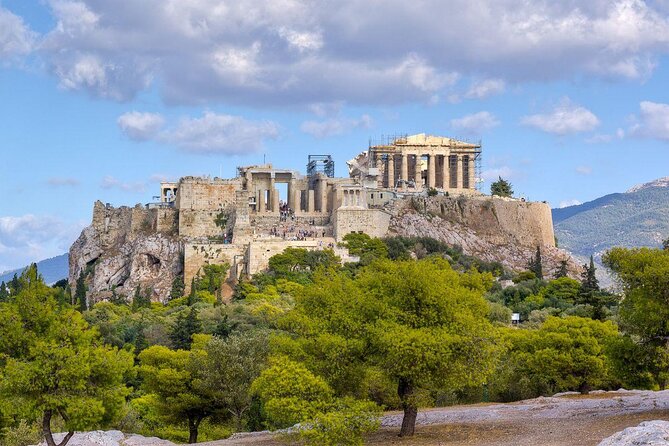
This tour is built for people who want the Acropolis to make sense, not just look impressive. The walk concentrates on the top sites people come for—then the museum follows so the story keeps going after you leave the hill.
I like that the plan isn’t frantic. You spend about two hours on the Acropolis area itself, and the rest of the time is split into short, high-impact stops around the Parthenon zone and other key structures. That structure matters because the Acropolis isn’t one single monument—it’s a whole skyline of buildings, dedications, and later changes.
Another smart value point: the museum time is where you can slow down. You can stand back and see sculptures, architectural pieces, and smaller details that are hard to notice outside. Plus, one review-style theme that shows up again and again is that guides encourage you to stay on your own after the guided portion, so you can control how long you linger.
You should also know the price includes the licensed guide, but entrance fees depend on the ticket option you choose. If you’re traveling during peak season, planning around that detail can save time and keep your morning from turning into a scramble.
Starting at Porinou: Be Ready for a Real Morning
The tour starts at 9:00 am at Porinou 5, Athina 117 42, Greece and ends back at the same meeting point. That early start is more than a schedule thing—it’s how you dodge some of the hardest heat and crowd pressure.
Most people come to the Acropolis because it’s famous. The difference here is that the guide’s job is to make the place readable while you’re there. In the reviews, guides like Selena and Giannas are praised for helping the group maneuver comfortably through busy areas, and for picking out spots where you can actually hear and see what matters.
You’ll also be doing walking on uneven ground. The tour is fine for moderate fitness, but it’s not a flat museum stroll. If you’re prone to slipping or you don’t like stairs, wear grippy shoes and take it slow on rock surfaces.
One more practical note: you’ll be outside for a big portion of the experience. The tour provides bottled water, and reviews repeatedly stress bringing sunscreen and hydration support.
You can also read our reviews of more museum experiences in Athens
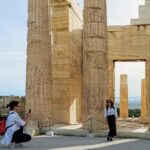
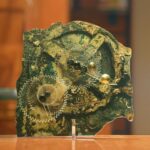

The Acropolis of Athens: Two Hours That Shouldn’t Feel Rushed
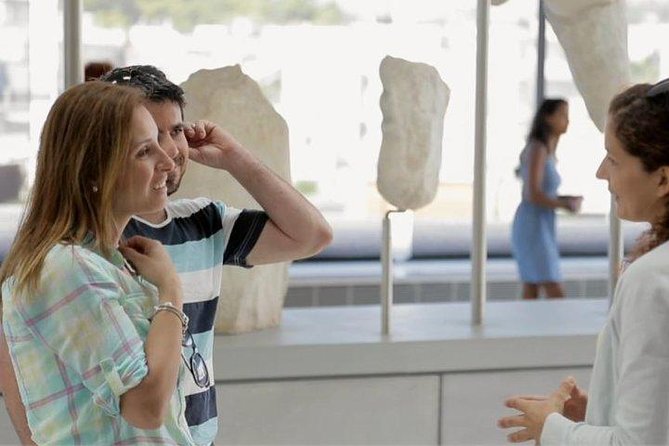
The first big block is about two hours at the Acropolis of Athens. This is where the guide helps you orient yourself, so the Parthenon isn’t just a single photo target—it becomes part of a whole layout.
Think of this as your “set-up phase.” You get to understand how the buildings sit on the rock, where your sightlines go, and why certain structures cluster the way they do. Guides often help with small things like when to pause for views and when to move so you’re not stuck in the densest bottlenecks.
There’s a reason the best feedback talks about an overall comfortable pace. When the group stays organized, you get more real looking time and fewer moments where everyone has to wait for the slowest person. With a small group—up to 20—your odds of being able to stand with the guide without losing your place are much better than on very large tours.
If the Acropolis feels crowded later in the day, that’s because it is. Starting at 9:00 helps, and the guide’s timing helps too. One recurring lesson from reviews is that arriving early makes a noticeable difference in comfort.
Parthenon Focus: Short Stop, Big Meaning
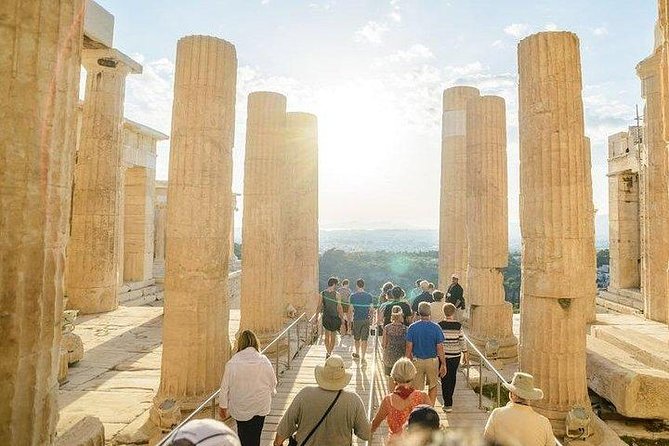
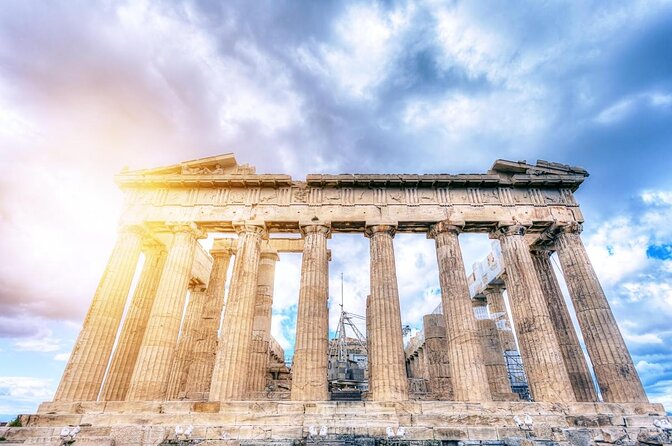
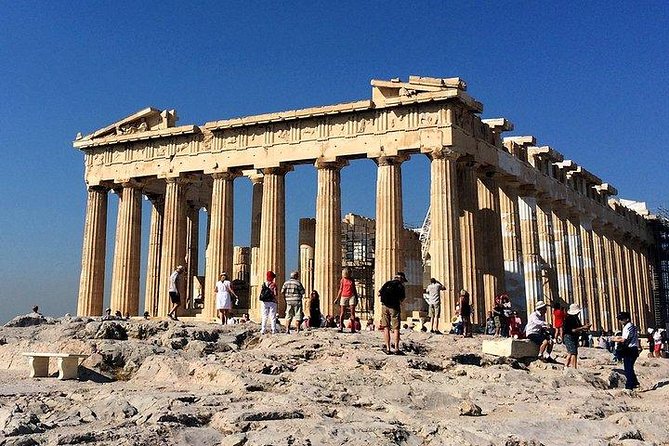
After you’ve set the scene on the hill, the tour zooms in on the Parthenon area. Expect a short stop of about 10 minutes for the Parthenon itself.
In a rush, the Parthenon can become just a postcard. With a guide, you’re more likely to notice how it fits into the overall sacred space and how the surrounding structures communicate power, devotion, and civic identity. The guide also helps you pick viewing angles for photos—especially useful when other tourists are swarming the same spots.
Here’s the trade-off: it’s a short stop. If you love slow looking—scrutinizing carvings, tracing details across columns—you’ll want to bring your own patience for the outdoor part. The good news is that the museum later is where you can spend more time with artifacts and sculptural details.
Theatre of Dionysus: Where Drama and Power Meet
One of the standout sites on this tour is the Theatre of Dionysus, described as one of the most important ancient theaters. The itinerary lists it twice, with two separate 10-minute segments.
That duplication makes sense when you’re on-site. The theatre isn’t just about the structure; it’s about what the theatre represented in ancient life. A great guide connects the seating and stage area to how the Greeks thought about performance, public life, and culture.
If you’ve ever been in a modern theater, you’ll understand the feeling of scale even more here. You can’t replicate the atmosphere, but you can get a strong sense of the space people used to gather.
One practical benefit of the guided format is noise management. Several reviews mention the use of listening devices or microphone systems that help you hear clearly even in busy, crowded areas. That matters at sites like this, where people cluster and sound carries weirdly between stone surfaces.
Herod Atticus Odeon: The Roman-Era Surprise
Next you’ll see Herod Atticus Odeon, a Greek-Roman structure that still operates. The stop is about 10 minutes.
This is a valuable change of pace. After the purely Greek sacred context, you get a reminder that Athens kept building and reusing its own past. You’re not only looking at what survived; you’re looking at what kept living.
If you like seeing continuity in history—how a place evolves rather than freezes—this is the kind of stop that delivers. It’s also a nice “breather” moment inside a tight schedule, because you’re not constantly climbing to the next ridge.




Propylaea and Erectheion: Gates and Caryatids
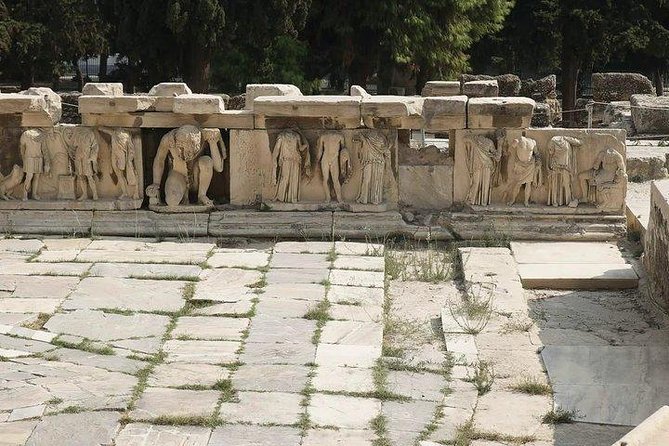
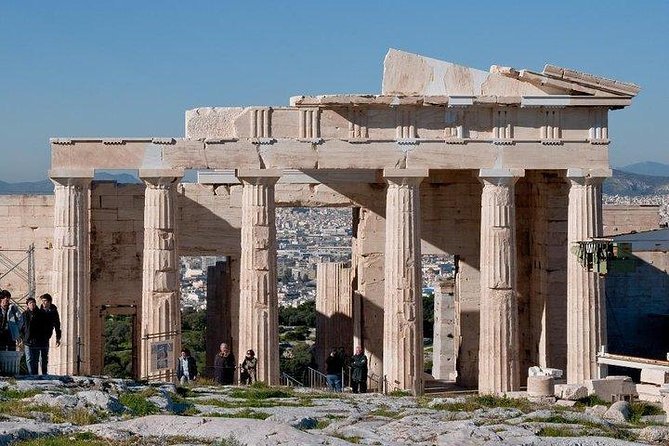
The Propylaea stop is about 10 minutes. It’s the “gates of the Acropolis” area, and it helps you understand how entrances shape movement and drama. Standing near it with a guide, you start to see the Acropolis like a designed route, not just a pile of ruins.
Then comes Erectheion, including the famous Caryatids statues. The itinerary again gives about 10 minutes.
This is one of those places where photos can’t replace real attention. The Caryatids are iconic, but what makes them satisfying is the ability to connect what you see on the spot with what’s been preserved and interpreted inside the museum. The guided walk sets you up so the museum stop feels like a reward rather than another ticket line.
If you’re sensitive to crowds, this is also where small-group order matters. Good guides like Afrofithi, Bernardos, and Lydia are repeatedly praised for patience and for helping the group stay together so people don’t drift into separate experiences.
Acropolis Museum: Where the Pieces Click Together
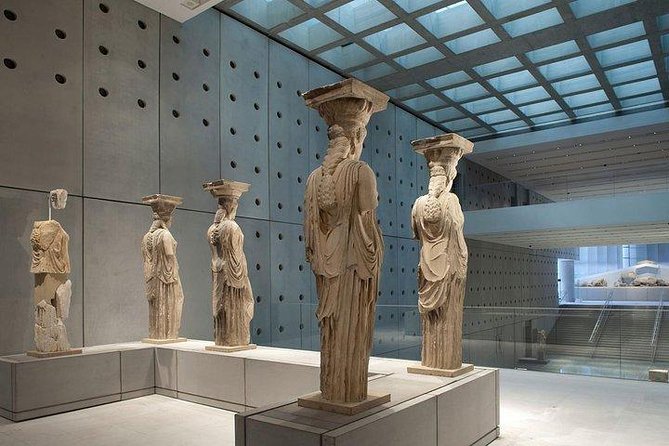
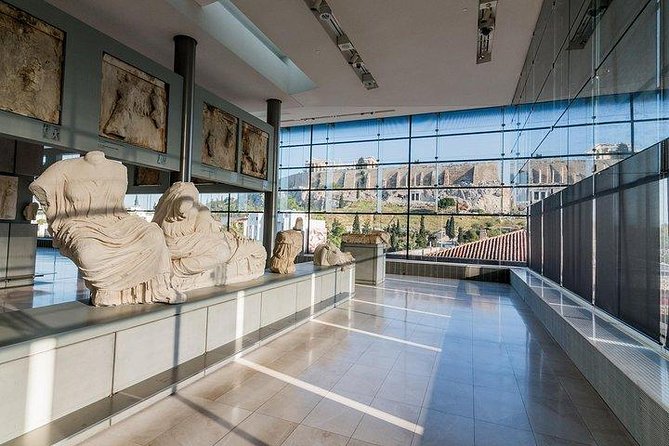
Your final major block is the Acropolis Museum for about one hour, and this is where the tour becomes more than a sightseeing loop. The museum focuses on finds from the Acropolis rock and surrounding slopes, covering periods from the Greek Bronze Age through Roman and Byzantine Athens.
The museum also sits over parts of earlier ruins, so even your museum location has a built-in history. It’s the kind of setting that makes you feel like the artifacts have a proper home—rather than being dumped into a warehouse.
This is why I think the museum stop is the highest value part for many people. You get to see artifacts you otherwise wouldn’t have the background to understand. Reviews often point out that preserved ancient art decorations and sculpture details feel more educational once you’ve just walked the exterior sites.
One review highlight: guides encouraged people to stay on their own after the guided portion to maximize the experience. That’s a smart approach because one hour guided is not the same as one hour of personal looking. If you care about sculptural detail or architectural fragments, plan to linger a bit once the official tour ends.
Also watch for hearing issues if you’re at the edges of crowds. One review suggests bringing wired headphones because in some areas hearing can get tough, even with guidance devices. If you’re the type who hates missing words, that’s a low-cost insurance move.
Timing, Pacing, and How to Make the Most of Four Hours
Four hours sounds long until you’re on the ground doing it. The good design here is that the time split matches what your brain can handle.
- You get about two hours to orient and roam the Acropolis area.
- Then you get a sequence of 10-minute focus stops for the big names (Parthenon, Theatre of Dionysus, Odeon, Propylaea, Erectheion).
- Finally, you get about one hour at the museum with your guide, then a chance to keep exploring after.
The main drawback is that the Acropolis outdoor part is time-efficient, not time-rich. If you want to study carvings for longer than the schedule allows, you’ll likely want to compensate by reading a bit beforehand or by spending extra museum time later (if you have the energy).
The best guides handle this well. Reviews mention guides keeping the group comfortable, with shade and hydration reminders, and helping people keep their footing. Even a small thing like pausing at the right moment can make a big difference on stone surfaces.
Price and Value: Is $72.59 a Fair Deal?
The listed price is $72.59 per person, which covers the licensed tour guide. Entrance fees are not automatically included unless you pick the option with tickets.
So the real question is: what are you paying for beyond the walk itself? In practice, you’re paying for:
- time-saving guidance through a complex site,
- interpretation that makes the Parthenon and other structures feel connected,
- and the museum stop that turns the exterior views into something you can understand better.
When museum admission is included in your package, the value gets stronger quickly. The Acropolis Museum is one of the best places in Athens to learn, and it complements the hike to the top. Several reviews label the museum as a must and praise its layout and preservation-focused presentation.
If you’re the kind of traveler who can handle buying tickets and you’re comfortable with your own pace, you could replicate part of this independently. But if you want a smooth, organized morning where you’re not guessing what to look at first, the guide cost is the point.
Who This Tour Fits Best (and Who Might Want a Different Plan)
This experience suits you if:
- you want an organized way to see the Acropolis without getting lost in the crowd,
- you value explanations you can hear clearly (reviews mention listening devices working well),
- you want both the outdoor monuments and the museum “proof” that ties artifacts to the buildings.
It may be less ideal if:
- you prefer long free time at a single site and hate schedules,
- you want an in-depth deep-study experience at each structure without short stops,
- you dislike uneven walking and can’t manage moderate physical effort.
Good matches in the reviews include first-timers to Athens and people who want a serious historical frame in a single half-day. If you’re doing multiple Greek islands after this, the guide tips and broader regional context—mentioned in some feedback—can also make your next legs more meaningful.
Practical Tips That Actually Help
A few things can make your morning feel smoother:
- Wear grippy shoes. Some reviews note slippery rocks in places, which is exactly what you’d expect on stone in sun and shadow.
- Bring sunscreen and plan for strong light. Even with water provided, sun exposure can be the limiting factor.
- If you’re sensitive to audio in crowds, consider extra listening help (one review suggests bringing wired headphones).
- Think photos, then pause. The guide will help you find photo spots, but the best photos come when you also take a moment to look beyond the frame.
- Save energy for the museum. Outdoor walking sets the stage, but your understanding improves most when you slow down inside.
If your schedule allows, you’re also smart to pair this tour with some time in nearby neighborhoods afterward. Many guides include recommendations for nearby lunch options—Plaka comes up in advice—so you can keep your day coherent.
Should You Book This Acropolis and Museum Tour?
I’d book this tour if you want the Acropolis experience to feel organized, understandable, and connected. The combination of the outdoor highlights and the Acropolis Museum is the main reason: you don’t just see famous stone, you learn how to read it.
It’s also a strong choice because guides are clearly a highlight here—people mention archaeologists, licensed professionals, and staff who keep the group moving without losing the human side of storytelling. Names that show up in praised feedback include Giannas, Selena, Afrofithi, Bernardos, Efie, Lydia, George, Demos, and Simon, and the common thread is clear explanation plus comfort-minded pacing.
Skip it—or consider a different format—if you need lots of unstructured time on the rocks. This tour is efficient for covering major stops in about four hours. For many visitors, that’s exactly the point. For others, it can feel like you’re seeing a greatest-hits collection rather than settling in.
If you’re aiming for a high-value first Acropolis morning, this one is hard to beat: get the guided context upstairs, then use the museum to make it stick.