REVIEW · ATHENS
Herakleidon Museum of Ancient Greek Technology: Entry Ticket
Book on GetYourGuide →Operated by Museum Herakleidon - Non Profit Cultural · Bookable on GetYourGuide
Ancient Greek tech, in plain sight. The Herakleidon Museum is an educational stop that treats science, art, and mathematics as one story, using hands-on style displays and key inventions like the Antikythera Mechanism. I like that it’s not just a history lecture; it’s built to help you connect ideas, from calculation to physical devices, and then links that thinking to how Greeks approached technology in practical settings, including war.
Two things I especially like: first, the museum’s focus on the world’s first computer idea via the Antikythera Mechanism, which makes “ancient” feel urgent and clever; second, the way it presents Greek achievements through the triptych of Science, Art and Mathematics, so you see patterns instead of disconnected facts. One drawback to consider is that this is a learning-focused museum, not a guided-lesson experience—so if you want a professional interpreter leading you minute-by-minute, you’ll likely miss that layer.
In This Review
- Key highlights worth planning around
- Herakleidon Museum in Thisseio: what your ticket sets you up for
- Antikythera Mechanism and ancient calculation: why this museum pulls you in
- Ancient Greek war techniques: technology with a purpose
- Science, art, and math in one visit: how Herakleidon teaches
- Pacing a full day: moving between the two buildings near Thisseio
- Ticket value for $8: what feels fair and what to watch for
- Practical rules and on-site do’s (so you don’t waste time)
- Who this fits best (and who might want a different plan)
- Should you book the Herakleidon Museum entry ticket?
- FAQ
- Where do I redeem my Herakleidon Museum ticket?
- How far is the second building from the first?
- How long is the museum visit?
- What’s included in the entry ticket?
- Is a guided tour included?
- Is the museum near the Acropolis?
Key highlights worth planning around
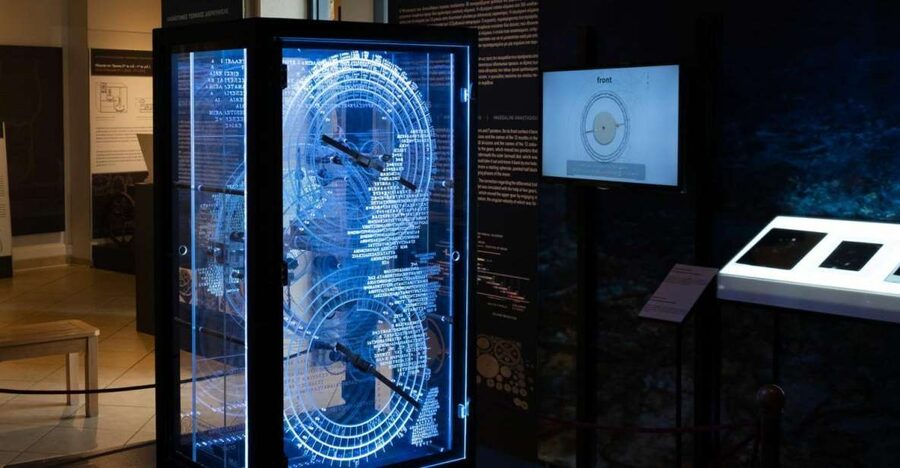
- Antikythera Mechanism focus: the museum spotlights it as the world’s first computer
- Two-building layout: redeem at 16 Herakleidon Street, then walk about 150 meters to 37 Ap. Pavlou Street
- Greek war-tech artifacts: see technological artifacts connected to Greek war techniques
- Interactive science style: designed as an interactive center of science popularization, not a static showcase
- Triptych teaching approach: Science, Art and Mathematics show up across displays and objects
Herakleidon Museum in Thisseio: what your ticket sets you up for
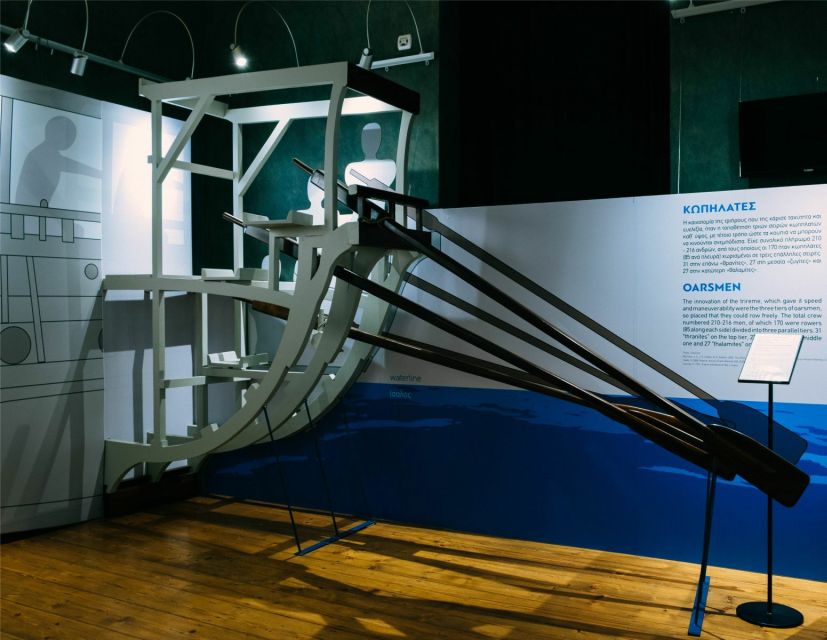
The Herakleidon Museum sits in Thisseio, a convenient base for a day around Athens’ classic sites. The key practical detail: your ticket is redeemed at the museum’s first of two buildings, at 16 Herakleidon Street. From there, you can walk to the second building at 37 Ap. Pavlou Street, about 150 meters away.
I like that the location makes timing easier. Thisseio is very near the main entrance of the Acropolis, and you can continue on foot to explore more after your museum stop. So even though the museum activity is listed as 1 day, it fits naturally into a longer “ancient Athens” day rather than forcing you to carve out a separate block.
Also, you’re not buying into a guided tour. The ticket includes entry only, so the museum experience is on you (in a good way for independent travelers). If you enjoy wandering at your own pace, that’s a plus. If you need a narrator to make the displays click, plan to slow down and read carefully, because the museum’s value comes from understanding the connections it’s trying to show.
A few more Athens tours and experiences worth a look

Antikythera Mechanism and ancient calculation: why this museum pulls you in
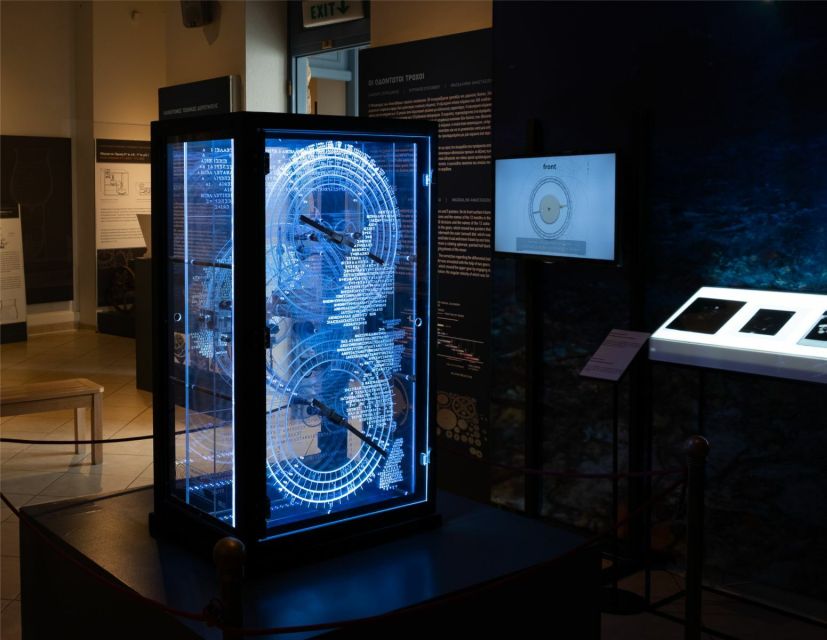
The Antikythera Mechanism is the star highlight mentioned for this museum, and it’s the kind of object that changes how you look at “old technology.” The listing frames it as the world’s first computer, and that single label is enough to set expectations: this isn’t just pottery-and-statues ancient Greece. It’s an institution asking you to think about devices, systems, and how people handled sophisticated data.
What I find useful is that the museum doesn’t treat it as a one-off miracle. It’s part of a broader theme: how ancient Greeks calculated and worked with sophisticated data, and how that thinking connects to the objects and structures created in their world. In other words, you’re not only staring at an artifact—you’re following a logic line.
If you’re the type who likes science history, this is a smart way to spend time. You get to see the museum’s interpretation of technological intelligence as something deliberate and learnable. And if you’re traveling with kids or a mixed-age group, the Antikythera angle can work well because it turns ancient engineering into a story about computation, not just craftsmanship.
Ancient Greek war techniques: technology with a purpose
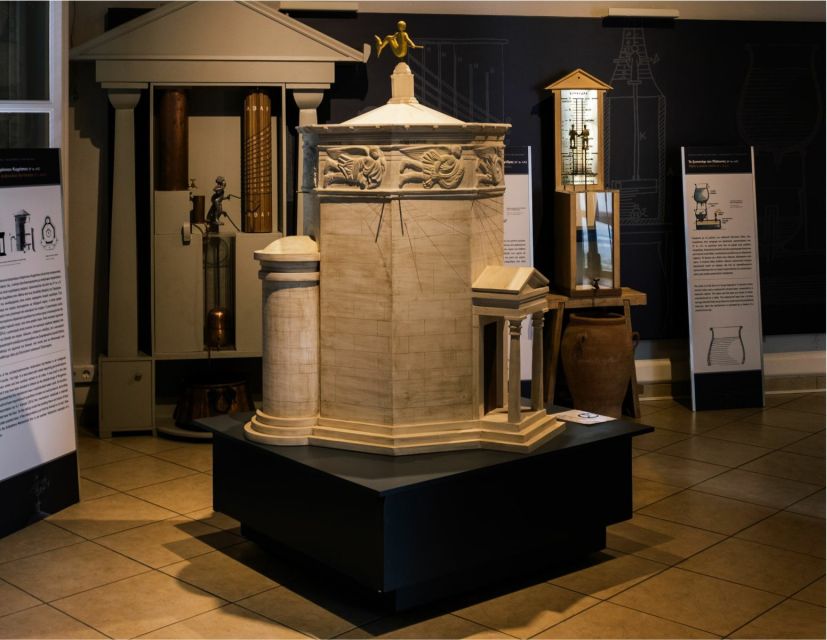
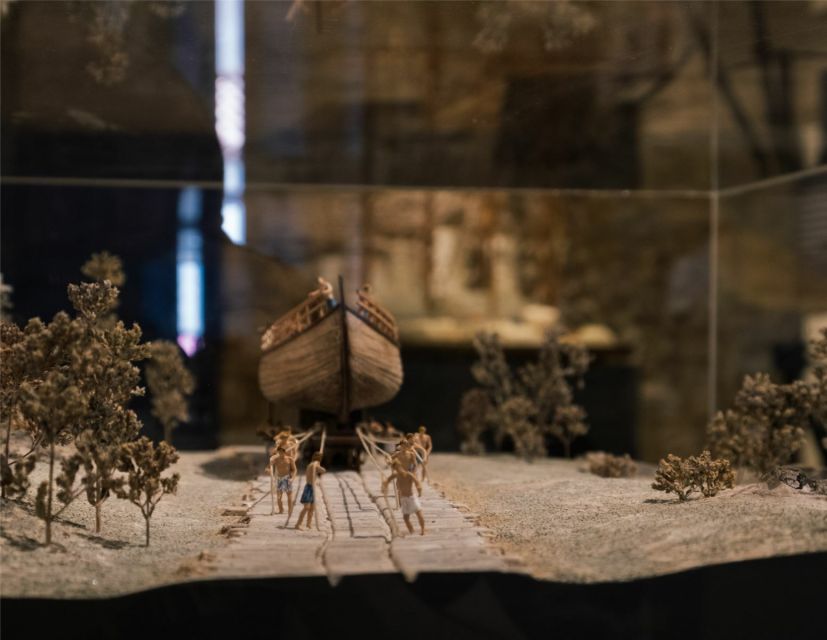
Another standout highlight is the presence of technological artifacts linked to war techniques. That matters because it pushes the museum beyond “math as a classroom exercise.” Even without getting lost in details you weren’t expecting, the idea is clear: technology served real goals, and ancient engineers weren’t working only for theory.
When a museum includes that kind of material, I find it improves the context of the whole visit. You start to recognize that the same intelligence that builds mechanisms and applies calculation can also be aimed at practical, high-stakes problems. The result is a more complete picture of technological intelligence in ancient Greek society.
One caution: if you’re visiting only for light, purely art-based browsing, this war-tech element may shift the tone. It’s still part of the museum’s teaching mission, but it’s not trying to be gentle about what technology can be used for.
Science, art, and math in one visit: how Herakleidon teaches
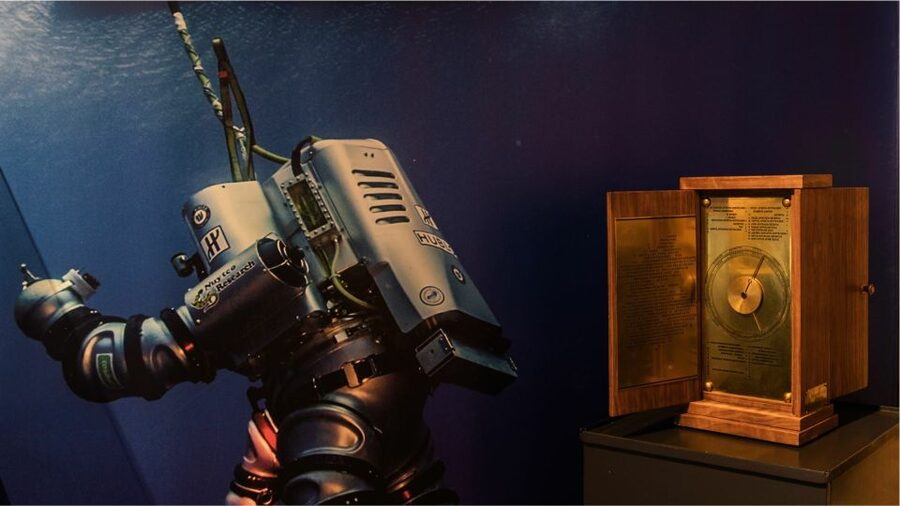
Herakleidon is described as an interactive center of science that focuses on antiquity, with a specific emphasis on Greek achievements. The museum’s educational philosophy leans on a clear framework: a triptych of Science, Art and Mathematics. That’s not just branding. It’s how the museum organizes meaning across displays and objects.
I like this approach because it helps you avoid the common museum problem of information overload. Instead of treating each exhibit as a separate trivia card, you can start to see how calculation supports design, and how art and structure can reflect mathematical thinking. Even if you’re not a math person, it gives you a path to follow: look for relationships, not just facts.
The museum also mentions an inspiration theme tied to a program called EUREKA, Science, Art and Technology of the Ancient Greeks. That suggests the museum is actively built for education, not just preservation. You may notice how the displays aim at making the research spirit feel alive—especially in programs designed for students, teachers, and adults.
In practical terms, expect to spend your time reading and comparing. This museum is set up so you learn by looking closely at objects and seeing how they connect to ideas. If you come ready to slow down, you’ll likely get more out of it than if you rush through like it’s an art gallery.
Pacing a full day: moving between the two buildings near Thisseio
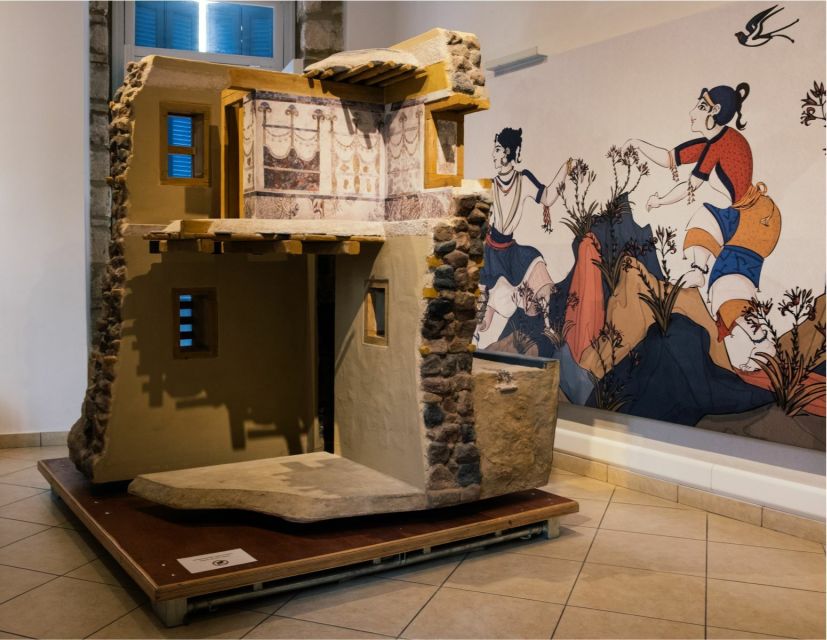
The duration is listed as 1 day, and that makes sense given the two-building setup. Your “day” here doesn’t mean you have to stay for hours and hours, but it does mean you should allow time to handle both spaces without stress.
Here’s a practical way to structure it based on the ticket redemption point:
- Start at 16 Herakleidon Street to redeem your entry and get your bearings.
- Then walk to 37 Ap. Pavlou Street (about 150 meters).
- Use the second stop to compare what you’ve learned so far—especially if you’re tracking the museum’s themes of science, art, math, and technology.
Since the museum is very near the main entrance of the Acropolis, you can also plan around the natural rhythm of the area. Many people like to do a museum earlier in the day and then transition to outdoor archaeology. The museum’s subject matter is easier to process before you’re fully tired from walking uphill.
A small expectation check: the listing says the museum is an interactive learning space, but it does not say you’ll get a guided experience. So give yourself permission to spend extra time on whichever themes grab you most. The Antikythera Mechanism may pull you in first, but the war-tech artifacts might create a different kind of curiosity once you’re warmed up.
You can also read our reviews of more museum experiences in Athens


Ticket value for $8: what feels fair and what to watch for
At $8 per person for an entry ticket, this can be a strong value—especially in Athens, where museum prices can climb fast. The best way to think about value here is not the price alone. It’s what you get for that price: entry to a museum that’s built around interactive science-style learning, with major highlights like the Antikythera Mechanism and technological artifacts tied to war techniques.
That said, price sensitivity is real. A portion of feedback shown with lower scores points toward a value-to-expectations mismatch. In plain terms: if you expect a big guided production with a lot of extra explanation built into the ticket, you might feel like you’re paying for self-directed entry, not a full service tour.
So, before you book, ask yourself one question: do you enjoy reading, looking, and connecting ideas on your own? If yes, the $8 ticket makes a lot of sense. If you need someone to interpret everything for you, consider pairing this visit with another activity that includes a guide, or plan extra time so you can do the interpretation yourself.
Also note what’s not included: guided tour is not part of the ticket. If your dream museum day includes a person at the front explaining every item, this isn’t that format.
Practical rules and on-site do’s (so you don’t waste time)
The museum lists a few clear restrictions. Smoking isn’t allowed, and drinks aren’t allowed. These rules are the kind that can cause last-minute friction, so it’s smart to plan around them—bring only what you need.
Because you’re visiting two buildings, keep your day efficient. Once you’ve redeemed at the first location, expect to walk between buildings rather than rely on transport. The museum is very close to other major sights, so you can also plan a route that avoids backtracking.
One more practical note from the location info: you’ll likely find this stop easiest if you’re already planning time around the Acropolis area. The Thisseio connection is a real advantage. You’re not forcing a distant commute just for a single ticketed experience.
Who this fits best (and who might want a different plan)
This ticket is a good match if you like science history, enjoy learning through objects, and want something different from the typical “museum of art or statues.” The museum’s framing—technological intelligence, calculation, and the triptych of Science, Art and Mathematics—is aimed at people who enjoy connections.
It’s also a solid choice for independent travelers who don’t mind a self-guided experience. With entry only, the museum works best when you’re the kind of visitor who reads signs, looks for patterns, and doesn’t rush.
If you’re traveling with limited time and you want only outdoor sights, you might skip this. And if your idea of a great day includes a guided interpreter explaining each exhibit, you may feel the visit is too quiet or too self-directed.
Should you book the Herakleidon Museum entry ticket?
I’d book this if you want a focused, affordable museum that connects ancient Greek creativity to real technological thinking. At $8, the price is low enough that you can justify it even if you’re not 100% sure you’ll love every display—especially if the Antikythera Mechanism and Greek technology themes are your kind of thing.
Don’t book it if you’re expecting a guided tour included in the price or if you want a purely relaxing stroll through traditional artwork. Here, you’re there to learn—through objects and ideas—so come with a curious mindset.
If you’re already in the Thisseio and Acropolis orbit, this makes an easy add-on. And if you like museums where science and design sit side-by-side, you’ll likely find Herakleidon a satisfying, different way to spend part of your day in Central Athens.
FAQ
Where do I redeem my Herakleidon Museum ticket?
You redeem your ticket at the first of the museum’s two buildings at 16 Herakleidon Street.
How far is the second building from the first?
The second building is at 37 Ap. Pavlou Street, about 150 meters from the first building.
How long is the museum visit?
The experience is listed as 1 day. Check availability for the starting times.
What’s included in the entry ticket?
The entry ticket includes admission only.
Is a guided tour included?
No. A guided tour is not included.
Is the museum near the Acropolis?
Yes. The museum is in Thisseio, very near the main entrance of the Acropolis, and you can reach it on foot.