REVIEW · ATHENS
Private Tour of Epidaurus, Ancient Corinth & Isthmus Canal From Athens
Book on Viator →Operated by Ancient Greece Tours & Transfers · Bookable on Viator
That first drive out of Athens feels like switching eras. You’ll move from the trade crossroads of ancient Corinth to Epidaurus’ famed theater acoustics, all in one smooth, private day.
I like the private setup: pickup at your exact Athens hotel or Airbnb entrance, then your own schedule without waiting around. I also like the small touches that reduce travel friction, like the Wi‑Fi in the car, bottled water, wipes, and even handmade Greek biscuits.
One thing to keep in mind: it’s a long day. You’re packing a lot of viewpoints and ruins into about eight hours, so comfortable shoes and a willingness to walk on uneven ground matter.
In This Review
- Key Highlights You’ll Feel the Most
- Price and Value: What You’re Really Paying For
- Private Pickup in Athens: Door-to-Door Beats Taxis
- Corinth Canal and Ancient Diolkos: Where Ships and Money Met
- Akrokorinthos (Acrocorinth): A Fortress Rock With Layers of Time
- Upper Peirene Fountain and Geraneia Views: Short Stops That Pay Off
- Ancient Corinth: Museum, Temples, Agora, and the Bema
- The Ancient Corinth Archaeological Museum
- Temple of Apollo
- Agora and the Bema (Where Paul Spoke)
- Roman Buildings and the Port Road
- St. Paul’s Church and the Mosaic
- Lunch With a View: Village-Style, Optional but Smart
- Kenchreai (Cenchreae): A Port Town With a Paul Connection
- Epidaurus Theater: The Acoustics Moment You’ll Remember
- Epidaurus Museum and Asclepius Sanctuary: Medicine as a Place
- The Real Benefit: How the Day Flows (Without Feeling Like a Squeeze)
- Who This Tour Is Best For (And Who Might Want Something Else)
- Quick Note on Guides: The Driver’s Role Can Make or Break It
- Should You Book This Private Day Trip?
- FAQ
- How long is the tour?
- Is the tour fully private?
- Do you get hotel pickup in Athens?
- What language is the tour offered in?
- Is there Wi‑Fi during the drive?
- Are entrance fees included?
- Does the tour help with skip-the-line entry?
- Is lunch included?
- Is a licensed tour guide included inside the sites?
- What’s the cancellation policy?
Key Highlights You’ll Feel the Most
- Corinth Canal + Ancient Diolkos: modern engineering beside the ancient overland boat track that shaped Mediterranean trade.
- Acrocorinth (Akrokorinthos) from above: a huge fortress-rock with layered walls and Frankish traces.
- Ancient Corinth in a logical path: springs, museum, Apollo Temple, Agora, Bema, and the Theater/Odeon/Asklepieion area.
- Epidaurus’ theater acoustics: a quick, unforgettable moment—coin or pin sounds carry from the stage.
- Two museum/sanctuary stops: you’ll get context at the Epidaurus museum and the Asclepius healing sanctuary.
- Skip-the-line ticket service on request: helpful if you hate standing around.
Price and Value: What You’re Really Paying For
At $297.26 per person for a private full-day tour, the price makes sense when you factor in the total package: door-to-door pickup, a first-class private vehicle, and an English-speaking driver who can explain what you’re seeing as you travel.
You’re not just buying entry to one site. You’re buying an efficient day that strings together major stops across the Peloponnese—Corinth Canal, Ancient Corinth, and Epidaurus—while keeping transport comfortable with air-conditioning and Wi‑Fi onboard. That matters because travel time between Athens, Corinth, and Epidaurus can eat your day fast if you self-plan.
If you’re traveling solo, it can feel less “cheap.” If you’re sharing the day with one or two others, the private format often turns into good value fast.
You can also read our reviews of more private tours in Athens
Private Pickup in Athens: Door-to-Door Beats Taxis
This tour starts with pickup from your chosen Athens hotel, Airbnb, or apartment. Your driver meets you at the lobby, or contacts you so you can meet at your building entrance if you’re in an Airbnb. That alone can save time and hassle, especially in areas where it’s annoying to flag down taxis.
In the car, you’ll have Wi‑Fi, bottled water, and refreshing wipes—little comforts that make the long day easier. The vehicle is air-conditioned, which is not a small detail when you’re visiting outdoor sites and then riding again to the next hill.
Also nice: they offer a mobile ticket, and the operator can arrange skip-the-line ticket service on request. You’ll still need to plan for paid admissions at major sites, but this helps you lose less time at entrances.
Corinth Canal and Ancient Diolkos: Where Ships and Money Met
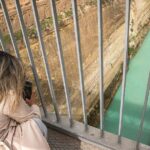
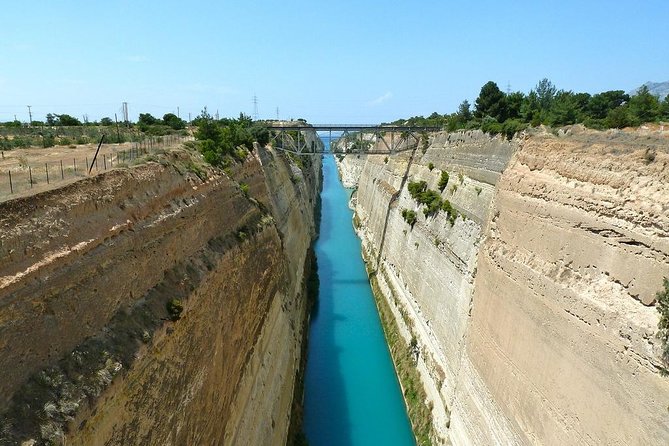
The first big stop after pickup is the Corinth Canal, an important trade route project and 19th-century engineering milestone. Even if you’ve only seen canals on postcards, standing here helps you understand why this narrow connection mattered so much to moving goods between seas.
Then comes the Ancient Diolkos: a paved trackway that allowed boats to be moved overland across the Isthmus of Corinth. This is the kind of detail I love because it reframes what you think a “journey” was. Before modern canals, moving ships wasn’t about dragging a boat through water—it was about logistics, labor, and a prepared route.
This stop is about context. It’s also quick enough that you won’t feel like you’re only touring transportation history for hours.
Akrokorinthos (Acrocorinth): A Fortress Rock With Layers of Time
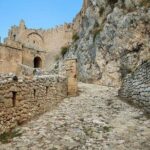
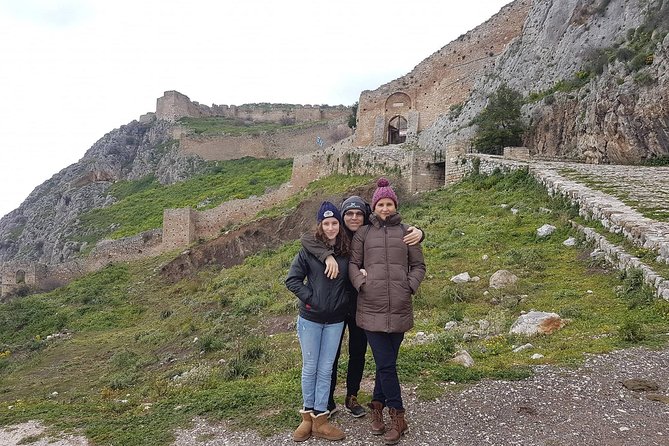
Next you climb into the real drama: Akrokorinthos, the acropolis of ancient Corinth. It’s a monolithic rock that dominates the area, which means you get sweeping views, plus the sense that ancient and medieval people kept finding the same strategic spot.
What makes this stop extra interesting is the variety of visible remains. You’ll see a system of three circuit walls reinforced by towers, and you’ll also find traces connected to multiple eras, including:
- traces of the Temple of Aphrodite
- the Frankish Tower at the southwest edge of the rock
- preserved remains of churches, mosques, houses, fountains, and cisterns
The tour describes this as about an hour, and that feels right. You’ll want that time to look at the structure, not just pose for a photo. Expect some walking and uneven ground around the fortress areas.
Upper Peirene Fountain and Geraneia Views: Short Stops That Pay Off
After the big climb, you get lighter moments that break up the day.
Upper Peirene Fountain is a quick stop (about 15 minutes). You’ll be in the zone of ancient springs—specifically Peirene Spring, described as a gift of Asopus to Sisyphus. Even if you’re not a myth superfan, these spring sites explain why cities grew where they did.
Then there’s Geraneia, also about 15 minutes, focused on views of Geraneia Mountain and the Corinthian gulf with the southwest coast of the Peloponnese. This is the “breathe and look” part of the day. Take your time here. Views are what make the later ruins feel meaningful rather than random.


Ancient Corinth: Museum, Temples, Agora, and the Bema
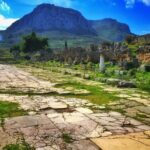
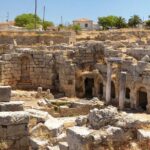
Ancient Corinth is where your day really becomes a story. You’ll start with things like Hadgimoustafa Spring, then move through the archaeological museum and core monuments.
The Ancient Corinth Archaeological Museum
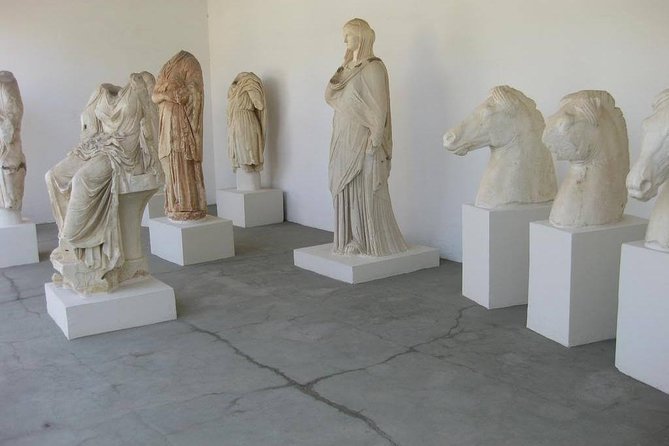
The museum is worth your time because it holds artifacts from the local site and nearby areas. If you want the “what am I looking at?” answer, this is where you get it before you wander the ruins.
Temple of Apollo
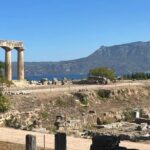
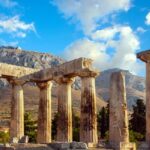
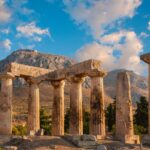
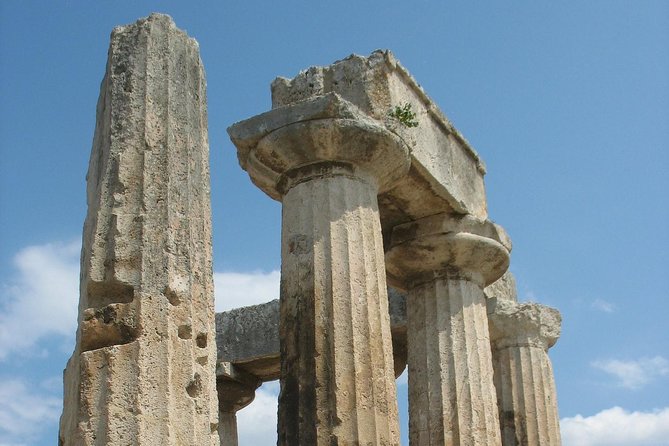
You’ll then visit the Temple of Apollo, described as one of the earliest Doric temples in the Peloponnese and Greek mainland, built around 560 BCE. The mention of monolithic columns is important: it signals how unusual some materials and construction choices were at the time.
Agora and the Bema (Where Paul Spoke)
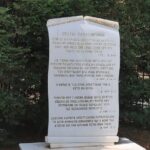
The Agora is the heart of civic life: a rectangular layout with central shops, small temples, an altar area, and the renowned podium/Bema. The tour notes that Apostle Paul addressed the Corinthians from the Bema in 52 AD.
Even if you’re not tracking every biblical reference, the physical size and placement help. It’s easier to picture speech, debate, and daily business when you see the space where it happened.
Roman Buildings and the Port Road
You’ll also encounter Roman buildings and the Lechaion Road, described as facing the Corinthian gulf and leading to the port of Lechaion. Roads like this matter because they connect the city to trade, travel, and power.
St. Paul’s Church and the Mosaic
One standout detail: St. Paul’s church and a mosaic mural depicting Saul’s vision from Christ as he was traveling to Damascus. That kind of art bridges ancient setting with later Christian memory, without needing a lot of explaining.
Lunch With a View: Village-Style, Optional but Smart
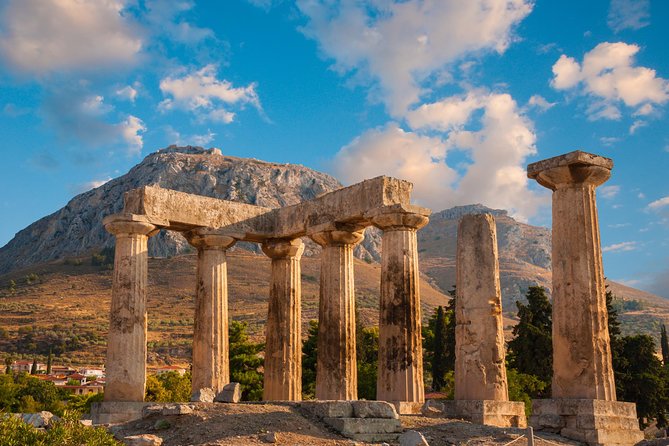
You’ll have time to treat yourself to an authentic village-style lunch on a terrace overlooking the archaeological site and the Temple of Apollo. Lunch isn’t included, so you’ll decide what you want.
If you like choosing food based on scenery, this is a strong spot. If you’re traveling on a tight schedule, plan to order calmly but efficiently so you don’t lose time before the next stop.
Kenchreai (Cenchreae): A Port Town With a Paul Connection
After Corinth’s main archaeological areas, you’ll head to the ancient port town of Kenchreai (Cenchreae), one of Corinth’s two ports. The tour gives a specific context from Acts 18:18: Paul stopped here during his second missionary journey, and he had his hair cut to fulfill a Nazirite vow.
This stop adds something different from the inland ruins. Ports are always about movement—people, trade goods, ships, and changing routes. Kenchreai helps you understand Corinth as a network, not just a city you walk through for an afternoon.
Epidaurus Theater: The Acoustics Moment You’ll Remember
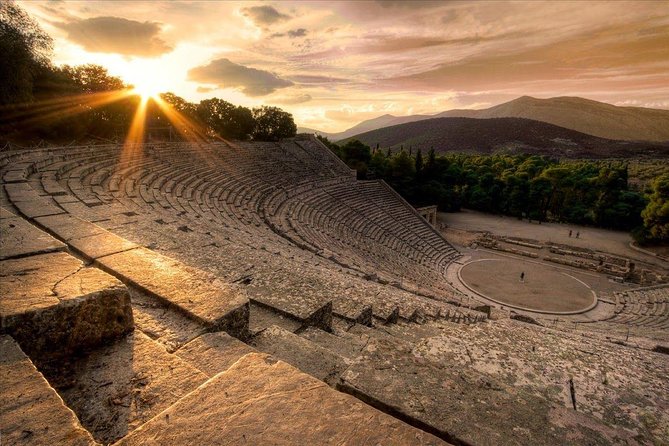
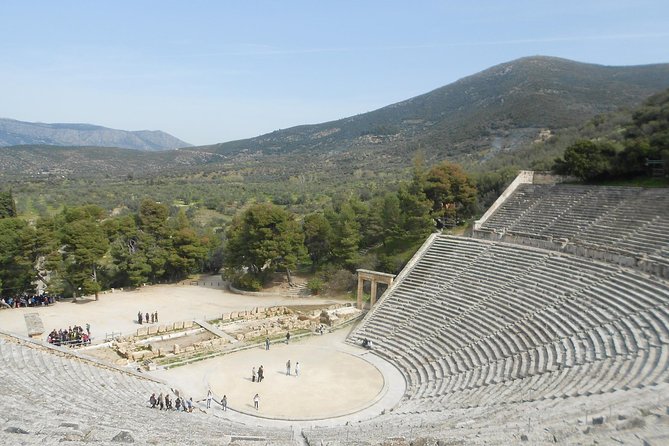
Then you reach Epidaurus, one of Greece’s most popular archaeological sites. The big star is the theater of Epidaurus, known for its classic construction and astonishing acoustics.
The tour highlights one playful test: if you drop a pin or coin on the stage, the sound can be heard even from the last seats. I love stuff like this because it turns ruins into a live experience. You don’t need technical knowledge. You just need your curiosity and a quiet moment in the right place.
You’ll have about 45 minutes here. That’s enough time to look around, find seating options, and appreciate the geometry of the space. Go easy on rushing—this is the kind of stop where a slow look makes the acoustics and shape feel real.
Epidaurus Museum and Asclepius Sanctuary: Medicine as a Place
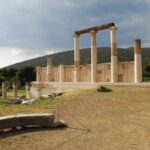
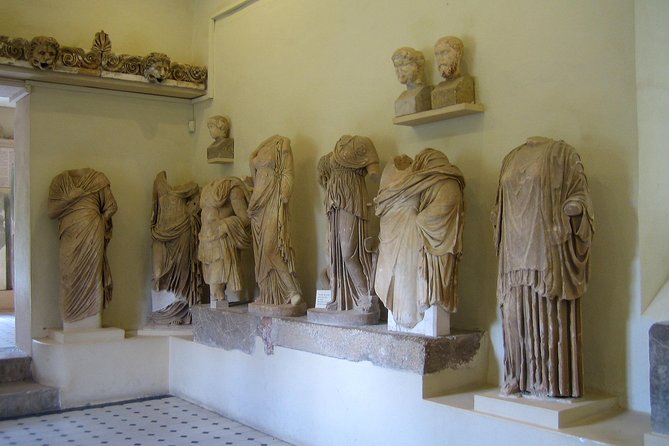
After the theater, you’ll move to the Epidaurus Archaeological Museum. It’s noted for reconstructions of temples and columns with inscriptions. This is where you connect what you saw outside to names, functions, and the order of the sanctuary areas.
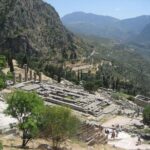
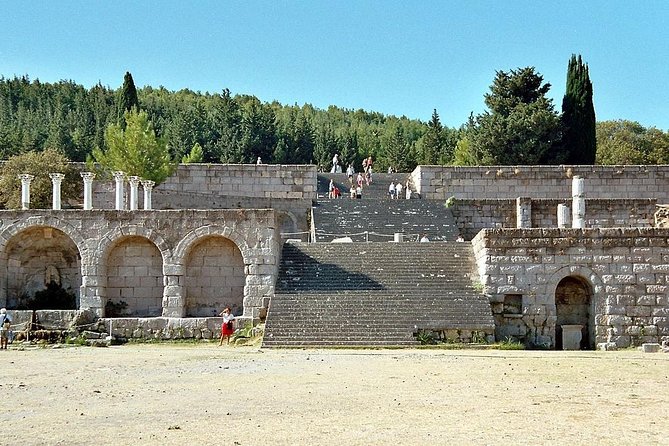
Then comes the Asclepius sanctuary, dedicated to the ancient Greek demi-god of medicine Asclepius. The tour frames it as a kind of ancient medical retreat, and that’s the right mental model. You’re not just touring stones—you’re stepping into a setting designed for care, ritual, and healing beliefs.
Expect around 45 minutes at these museum/sanctuary components. If you’re the type who likes reading inscriptions, you may want to linger.
The Real Benefit: How the Day Flows (Without Feeling Like a Squeeze)
The best part of this tour is how it moves. You start with trade and infrastructure (Corinth Canal, Diolkos), shift to power from above (Akrokorinthos), then step down into daily life and civic space (Ancient Corinth). Finally, you end with performance and healing culture at Epidaurus.
That flow matters because each stop explains the next one. You’re not bouncing randomly between unrelated sites. You’re watching the region’s roles change: logistics, city strength, community space, then cultural and religious functions.
And because it’s fully private, you can set a comfortable pace for photos, viewpoints, and breaks—something that can be hard on busy group tours.
Who This Tour Is Best For (And Who Might Want Something Else)
This tour is a great fit if you want a full-day sweep that includes major ruins, strong landmarks, and big payoff stops—without the stress of driving and navigating between sites.
It’s also good for history lovers who like structure: temple, agora, theater, sanctuary, repeat. You’ll also appreciate the convenience features like Wi‑Fi, AC, and bottled water.
If you hate walking uneven ground or want a slow, museum-heavy day with lots of indoor time, you might find the schedule packed. This itinerary favors moving through key areas efficiently.
Quick Note on Guides: The Driver’s Role Can Make or Break It
The experience relies heavily on your driver for context. One name that comes up in the operator’s customer feedback is Peter, described as attentive and never rushing stops. That kind of guiding style matters here because you’ll be seeing layered sites, and quick explanations can turn a “nice ruin” into a “wow, I get it.”
Even if your driver is someone else, this tour format tends to work best when you ask questions while you ride. Use the Wi‑Fi time to check your notes or map spots, then ask on the next leg of the journey.
Should You Book This Private Day Trip?
Book it if you want an efficient, comfortable, private Peloponnese day that hits Corinth and Epidaurus with minimal friction. The combination of Corinth Canal/Diolkos, Akrokorinthos views, Ancient Corinth’s key monuments, and Epidaurus’ theater acoustics is a strong lineup for one day.
Think twice if you prefer slower pacing, lots of museum time, or you know you’ll be exhausted by hills and uneven surfaces. In that case, you might do better with a shorter route or fewer stops.
If you’re aiming for maximum ancient Greece impact from Athens with a schedule that feels manageable, this one is hard to fault.
FAQ
How long is the tour?
It runs for about 8 hours.
Is the tour fully private?
Yes. It’s described as fully private, with only your group participating.
Do you get hotel pickup in Athens?
Yes. Pickup is offered from your chosen hotel, Airbnb, or apartment in Athens, and the driver returns you there after the tour.
What language is the tour offered in?
It’s offered in English.
Is there Wi‑Fi during the drive?
Yes. Wi‑Fi is provided in the vehicle.
Are entrance fees included?
No. Entrance fees to the sites are not included.
Does the tour help with skip-the-line entry?
Yes. Skip-the-line ticket service is available on request.
Is lunch included?
Food and drinks are not included. The route includes time to treat yourself to a village-style lunch with a view.
Is a licensed tour guide included inside the sites?
A licensed tour guide to accompany guests into the site and museum is not included, though it’s available on request.
What’s the cancellation policy?
You can cancel for free up to 24 hours in advance for a full refund. If you cancel less than 24 hours before, the amount paid is not refunded.