REVIEW · BOSTON
Boston: Guided Seafood Tasting and History Tour
Book on GetYourGuide →Operated by Intrepid Urban Adventures · Bookable on GetYourGuide
Seafood plus history equals a great Boston morning. I love the behind-the-scenes lobster facility access and the lobster roll and clam chowder tastings that feel like a full meal. One drawback: this is shellfish-focused, so it’s not the right pick if you have a shellfish allergy.
You also get real context for why Boston Harbor is cleaning up, with talk of conservation and sustainability efforts as you walk the waterfront. I liked standing at the oldest continuously operating fish pier in the U.S. and connecting food to the working harbor around it. This isn’t a sit-and-eat tour; it’s about 3.2 km (2 miles) of walking.
The experience rises or falls on the guide, and this one has a track record of strong storytellers. Guides like Nabil and Olivia are repeatedly praised for mixing Boston history with hands-on seafood details, plus a good sense of humor. If you want history to take the lead every minute, the 150 minutes may feel more food-and-waterfront balanced than academic.
In This Review
- Key highlights worth putting on your radar
- South Boston Maritime Park Meet-Up: start where the harbor stories begin
- Harborwalk Stroll: water views and the conservation angle
- Boston Fish Pier: oldest continuously operating fish pier in the U.S.
- Working Lobster Facility: what goes on before your lobster roll
- South Boston Waterfront Tastings: lobster roll, chowder, and dockside favorites
- Fort Point Channel: the final bite at a century-old seafood shack
- Rose Kennedy Greenway finish: unwind and get your next plan
- Price and value of the $79, 150-minute seafood-and-history format
- Who should book this Boston seafood tour (and who should skip)
- Should you book this Boston seafood tasting and history tour?
- FAQ
- Is this tour a lot of walking?
- What’s included in the food?
- Is the tour suitable for shellfish allergies?
- Where do I meet the guide?
- How long is the tour?
- How big is the group?
- Does it run in bad weather?
- Is the tour carbon neutral?
- Is there a cancellation and reserve option?
Key highlights worth putting on your radar
- Working lobster facility access you don’t get on a typical seafood stop
- Boston Fish Pier, the oldest continuously operating fish pier in the U.S.
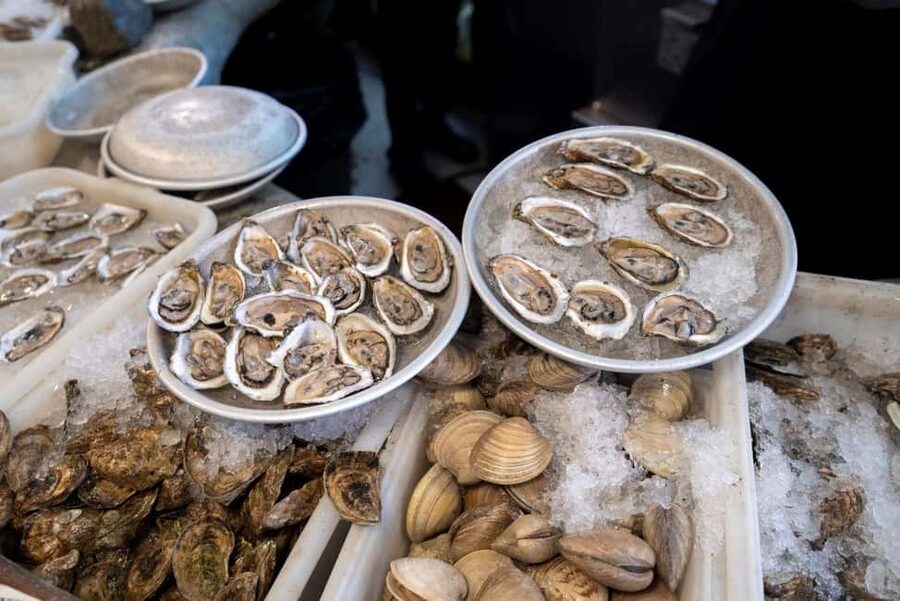
- Shellfish tastings that add up to a full meal, from lobster roll to clam chowder and more
- Boston Harbor sustainability talk tied to what’s actually landing at docks
- Small-group pace (up to 12 guests) that keeps questions from getting lost
- A classic finish with a final bite near Fort Point Channel before you unwind at Rose Kennedy Greenway
South Boston Maritime Park Meet-Up: start where the harbor stories begin
Your tour starts at South Boston Maritime Park, right at the corner of D Street and Congress Street (600 D Street, Boston, MA 02210). Plan to arrive a few minutes early so you can get oriented and meet your guide with everyone else before the walking begins.
This is a smart start because you’re already in Seaport District territory where Boston’s seafood world shows itself in plain sight—water, working docks, and that salty breeze that hits the second you step outside. Wear comfortable shoes. You’ll be on foot most of the time.
You’ll also get the tone of the day quickly: this isn’t just about tasting. It’s about how Boston Harbor works now, and why it needs to keep working.
You can also read our reviews of more food & drink experiences in Boston
Harborwalk Stroll: water views and the conservation angle
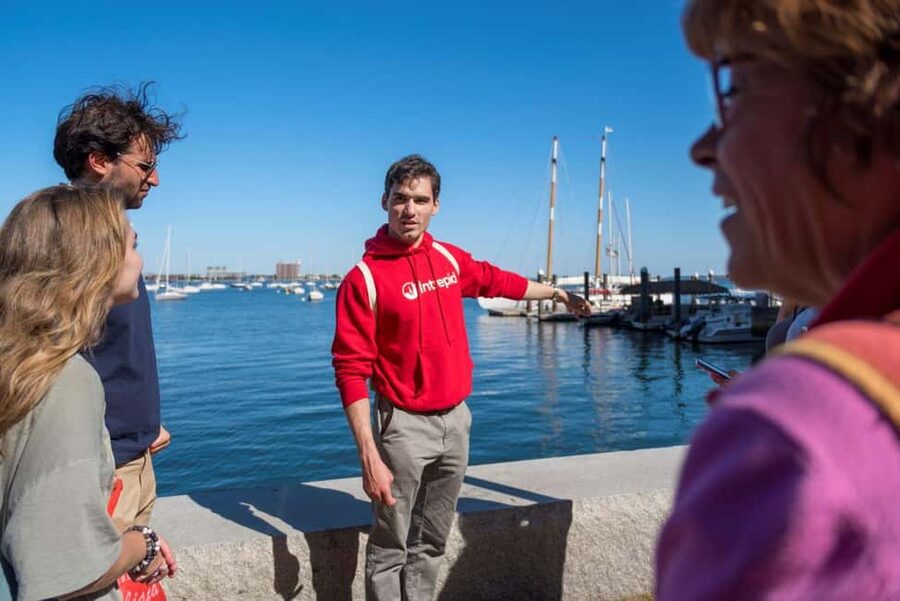
After meeting up, you head onto the Boston Harborwalk for a guided stretch with breaks for explanation and sightlines. The Harborwalk is the kind of route that makes you pause without trying—boats, skyline, and the sense that you’re walking along the edge of a living system.
What makes this more than a scenic walk is the sustainability framing. You’ll learn how Boston Harbor became one of the cleanest urban waterfronts in the world, and how conservation efforts tie into seafood being available now and in the future.
This part also helps you understand the shape of the day. You’ll see where seafood operations sit in the bigger waterfront story. Then the tour shifts from views to the working side of the industry.
Boston Fish Pier: oldest continuously operating fish pier in the U.S.
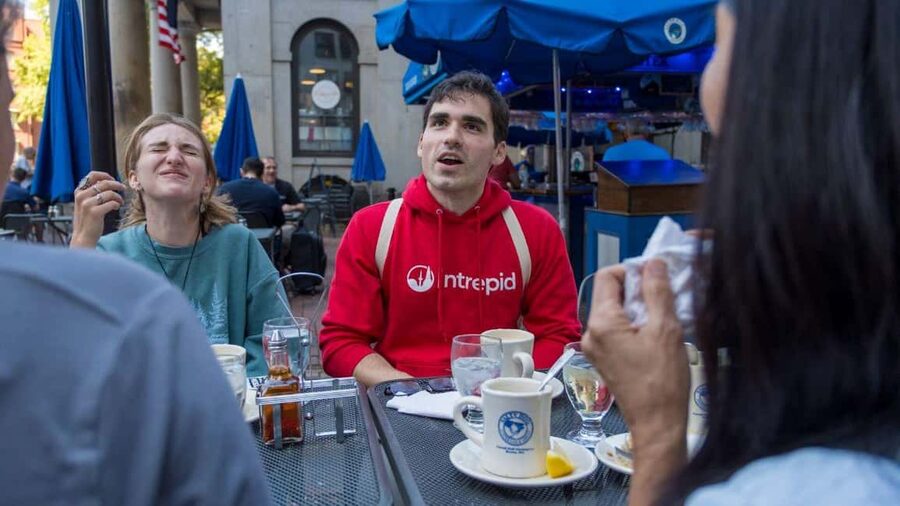
Next comes the Boston Fish Pier, one of the most important stops on the whole itinerary. This is not a museum. It’s a working fish pier with a long run of activity.
The value here is simple: you get history that still has nets, trucks, and labor behind it. You’re not just hearing facts about Boston’s fishing past—you’re standing at a place that helps keep that story going.
A small caution: pier areas can feel more exposed than the route by the water. If the weather turns windy or chilly, you’ll feel it. Layers help.
Working Lobster Facility: what goes on before your lobster roll
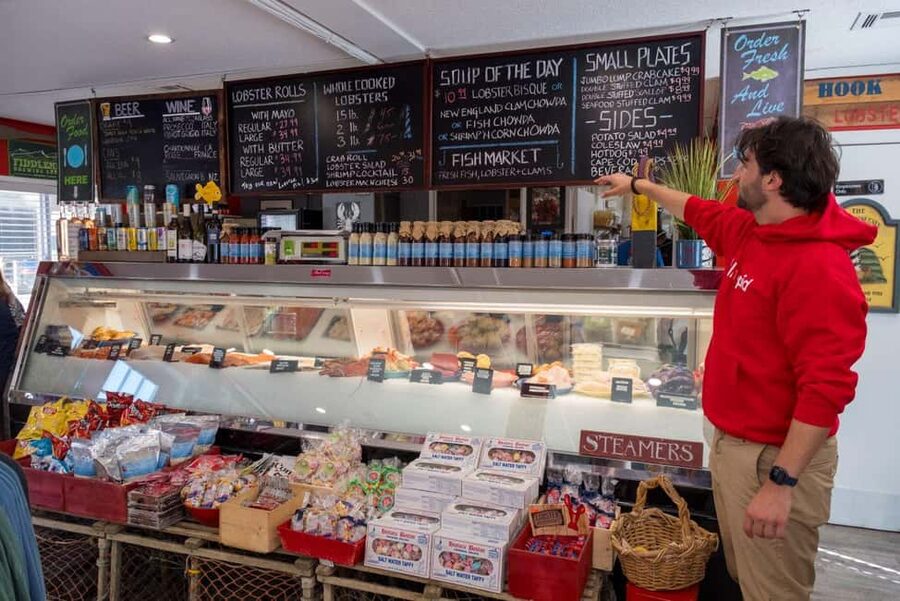
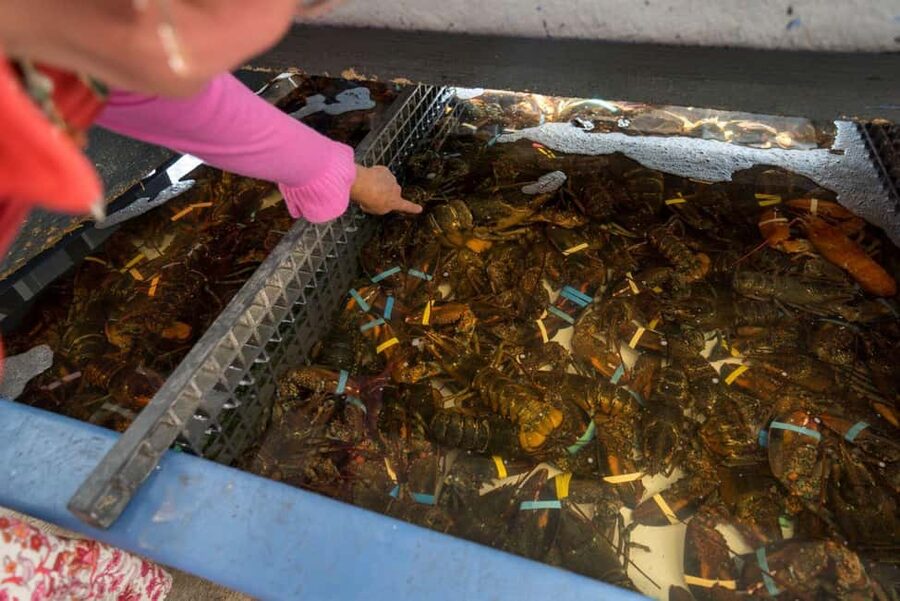
Then the tour goes behind the scenes at a working lobster facility. This is the part people remember because it changes your mental picture of seafood—from a menu item to a real operation.
You’ll get insight into how things work on the ground: how seafood is handled, how the workflow runs, and why responsible practices matter when you’re dealing with perishable food. Even if you’re not a seafood nerd, this is where the tour earns its keep.
And yes, the tastings later land better because you’ve seen the real world first. When you eat after this kind of stop, you’re not just tasting fat and salt—you’re tasting the system that got it to your plate.
South Boston Waterfront Tastings: lobster roll, chowder, and dockside favorites
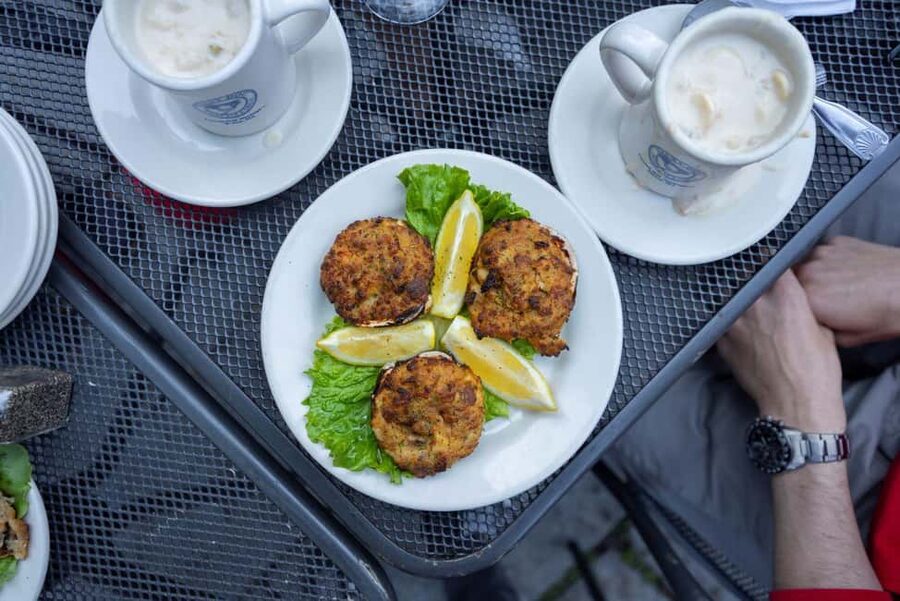
Now you shift into the eating section that makes this tour worth your time. The tastings are designed to add up to a full meal, not scattered bites that leave you hungry.
What you might sample can include:
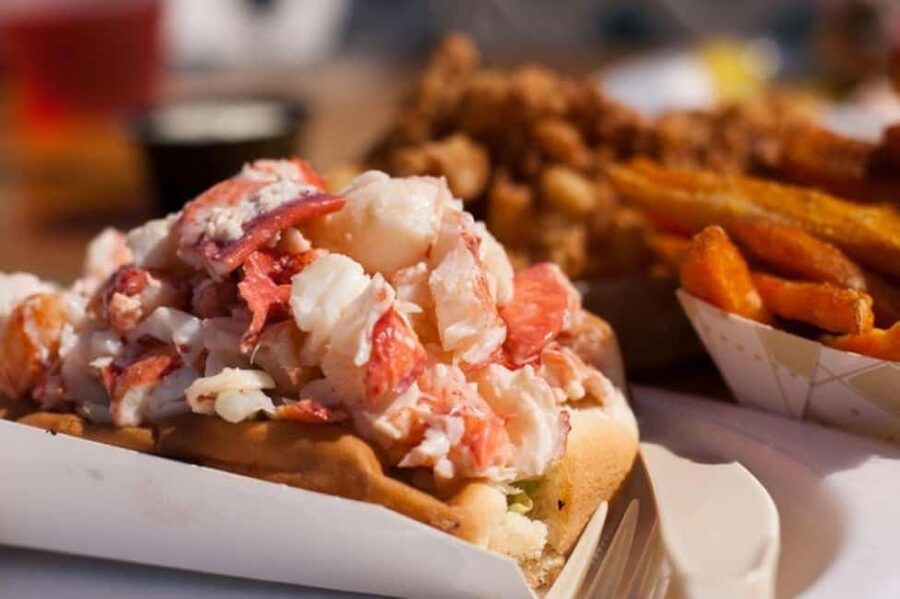
- lobster roll
- New England clam chowder
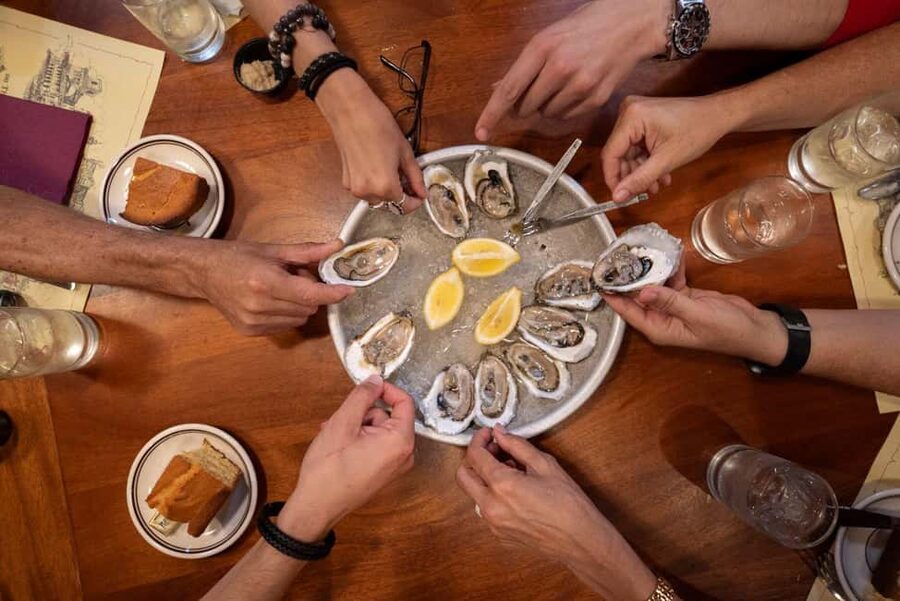
- seasonal specialties like oysters or fried clams
- Atlantic bluefin tuna handrolls
- stuffed clams and quahogs (hard-shelled favorites)
- raw oysters when offered by the stop
In practice, many guides seem to build a progression that makes sense for the palate. You might start creamy and comforting, then move toward brinier or richer flavors. The goal isn’t variety for variety’s sake; it’s helping you notice texture and taste differences between preparations.
A big plus is that the stops tend to connect food to place. So when you eat a lobster roll, you’re also learning what keeps lobster fishing sustainable, and what “keeping your plate full for generations” really means in a working harbor.
One consideration: because the tour centers on shellfish, it isn’t suitable for anyone with a shellfish allergy. The operator says substitutions can’t be offered for shellfish allergy. If you have other allergies, you’ll need to advise at least 24 hours in advance so alternatives can be considered.

Fort Point Channel: the final bite at a century-old seafood shack
The tour winds toward Fort Point Channel, still in that working waterfront zone where the day’s earlier lessons come back into focus. You’ll move through the area with guide commentary, tying Boston Harbor operations to what you’re eating and seeing.
The finale includes a final bite from a century-old seafood shack along Fort Point Channel. This is a nice way to close the loop: you taste something rooted in the local pattern of eating seafood, but you also understand the modern supply chain behind it.
If you love eating where the locals have been eating, this is your moment. If you’re more history-first than food-first, you may still enjoy it, but you might wish the tour leaned a little harder into the story at this stage. The format is built around tastings as the main event.
Rose Kennedy Greenway finish: unwind and get your next plan
You’ll finish at Rose Kennedy Greenway. This is a calming end point after time around docks and piers. Expect greenery, public art, and a bit of space to breathe before you head off on your own.
Your guide wraps things up with tips on where to eat, drink, and explore next. This is surprisingly useful. You’ve just spent 150 minutes learning what Boston’s seafood culture looks like up close. Now you can use that context to choose your next meal without guessing.
Price and value of the $79, 150-minute seafood-and-history format
At $79 per person for 150 minutes, you’re paying for three things at once:
1) a guided walking tour of the Seaport District
2) tastings that equal a full meal
3) access you usually don’t get, including behind-the-scenes time at a working lobster facility and exclusive time at the oldest continuously operating fish pier in the U.S.
In other words, this isn’t just a “let’s sample a couple items” deal. You’re also buying context. That matters because seafood is expensive in Boston, and you don’t want to waste a good appetite on places that don’t have a point.
Small-group size (up to 12) also raises the value. When questions come up—about sustainability, operations, or why a particular dish tastes the way it does—you’re more likely to get a real answer instead of a rushed one.
One more value factor: the tour is described as carbon neutral and run by a B Corp-certified company committed to using travel as a force for good. It’s not a reason alone to book, but it fits the sustainability theme that runs through the day.
Who should book this Boston seafood tour (and who should skip)
You’ll love this tour if you:
- want a guided waterfront walk with real industry context
- like learning how sustainability connects to what lands on the plate
- enjoy shellfish and want the day to include classics like lobster roll and clam chowder
- prefer small-group tours where you can ask questions
You might want to skip it if:
- you have a shellfish allergy (no shellfish substitutions are offered)
- you don’t like walking much (it covers about 3.2 km / 2 miles)
- you’re craving a strictly history lecture. The emphasis is on food and hands-on waterfront understanding, with history folded in.
This tour also suits all ages and fitness levels as long as you’re comfortable with moderate walking. It runs year-round and will proceed rain or shine unless weather is dangerous, so bring gear for the conditions when you travel.
Should you book this Boston seafood tasting and history tour?
If you want a practical, satisfying Boston experience—one that mixes working waterfront access with real tastings—then yes, I think you should book it. It’s one of the rare tours where you finish with both a full stomach and a better understanding of how Boston Harbor’s seafood system actually works.
Book it especially if shellfish is your thing and you’re excited by the idea of seeing where your food comes from before you eat it. And if you’re allergy-sensitive, double-check that shellfish is out for you; if it is, this tour won’t be a match.
FAQ
Is this tour a lot of walking?
It’s a walking tour covering about 3.2 km (2 miles). It’s suitable for all ages and fitness levels, but you should still wear comfortable shoes.
What’s included in the food?
You’ll get a variety of seafood samples that are designed to add up to a full meal. Samples can include items like lobster roll, New England clam chowder, bluefin tuna handrolls, stuffed clams/quahogs, and even raw oysters or other seasonal specialties.
Is the tour suitable for shellfish allergies?
No. This tour centers around shellfish, and the operator says substitutions can’t be offered for shellfish allergy. If you have other allergies, you should advise them at least 24 hours before departure so suitable options can be considered.
Where do I meet the guide?
Meet at South Boston Maritime Park at the corner of D Street and Congress Street (600 D Street, Boston, MA 02210), near the outdoor seating and under the tall shady roof structures.
How long is the tour?
The duration is 150 minutes (about 2.5 hours).
How big is the group?
The experience is offered in a small group of up to 12 guests.
Does it run in bad weather?
It runs year-round and proceeds rain or shine unless the weather constitutes a dangerous situation.
Is the tour carbon neutral?
The tour is listed as carbon neutral, operated by a B Corp-certified company committed to using travel as a force for good.
Is there a cancellation and reserve option?
Free cancellation is offered up to 24 hours in advance for a full refund. There’s also a reserve now & pay later option that lets you book without paying immediately.