REVIEW · LONDON
British Museum Private Tour: Ancient Daemons and Timeless Beauty
Book on Viator →Operated by MyLondonGuide · Bookable on Viator
London turns into a history lesson quickly. This private British Museum experience gives you a focused path through a place with over 8 million artifacts, under Norman Foster’s light-and-glass canopy. You get fast-track entry and a small-group, art-specialist storyteller who makes big themes easier to grasp.
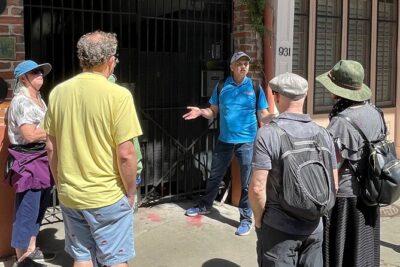
I especially love how the tour connects major objects across cultures, so it feels like you’re seeing a pattern, not random rooms. And I like the personal touch: guides like Richard and Yulia (also spelled Yulywa/Yuliya Ousarenko in comments) can tailor the route to what your group cares about, even extending the visit by about half an hour when time allows.
One possible drawback: the museum is massive, so in a 2 to 3 hour window you’ll see a curated slice, not everything. If you’re the type who wants to wander freely for hours, plan to treat this as a smart primer first, then come back on your own later.
In This Review
- Key Highlights Worth Showing Up For
- First Steps Inside: The British Museum’s Glass Canopy and Big-Room Reality
- A Theme Called Ancient Daemons and Timeless Beauty: How Story Turns Chaos Into Meaning
- Rosetta Stone and Forgotten Languages: Why One Object Changes the Mood
- Parthenon Marbles: Seeing Empire, Strategy, and Art in One Look
- Egyptian Mummies: Life and Death Without the Ghost Story
- Sutton Hoo: The Last Voyage Feeling That Stays With You
- Lewis Chessmen: Strategy and Wit in a Small Set of Objects
- Shiva Nataraja: The Cosmic Dance of Creation and Destruction
- Ancient Sculptures and Changing Beauty Standards: What Your Eye Learns
- Why Fast-Track Entry Plus a Private Guide Feels Like Better Value
- Who This Tour Fits Best (And Who Might Want Something Different)
- Arrival Details You’ll Actually Use
- Should You Book This British Museum Private Tour?
- FAQ
- How long is the British Museum private tour?
- Is the tour private?
- What group size is this tour for?
- What’s included in the tour price?
- What language is the tour offered in?
- Where do we meet the guide?
- What should I know about snacks and drinks?
- Is the museum entry fast-tracked?
- What’s the cancellation option?
Key Highlights Worth Showing Up For
- Fast-track entry that helps you start your museum time without the usual slowdown.
- Small private group (priced per group up to 8, and described as up to 6 guests), so questions stay easy.
- Story-driven themes that link objects from multiple civilizations instead of listing facts.
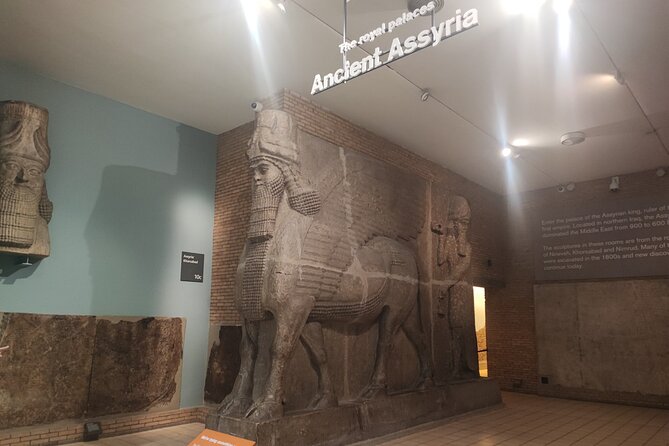
- Major highlights in sequence, from the Rosetta Stone to Sutton Hoo to the Lewis chessmen.
- A guide who can flex, with accounts of tours being extended by about 30 minutes free of charge.
First Steps Inside: The British Museum’s Glass Canopy and Big-Room Reality
Before you even get to the galleries, the British Museum hits you with a sense of “this place means business.” The entrance experience includes that famous Norman Foster design: light, glass, and a bright roof that turns the space into something closer to a modern atrium than a dusty archive.
What I like here for your planning is the clarity it gives. Once you see the museum’s layout and scale with a guide, you stop feeling like you’re trapped in a maze. This tour is designed to get you oriented fast, which matters at the British Museum because your energy disappears quickly when you’re wandering blind.
You also start with a private-group advantage. With a group cap (up to 6 is highlighted, and the pricing is per group up to 8), you can ask questions without waiting for a crowd to move. That’s a big deal in London museums, where the “everybody together” pace often makes people stop thinking and start rushing.
You can also read our reviews of more private tours in London



A Theme Called Ancient Daemons and Timeless Beauty: How Story Turns Chaos Into Meaning
The title of this tour matters because it signals the approach. You’re not just marching between famous objects; you’re following a storyline that helps different cultures feel connected.
That’s one reason the guides mentioned by name come up so often. In different experiences, Richard and Yulia/Yulywa were praised for making the museum’s world feel understandable, not intimidating. When a guide frames what you’re looking at, you spend less time asking what the object is and more time asking what it meant.
If you love art as much as history, this also works well. Instead of treating each artifact like a separate trivia card, the tour’s theme encourages you to look for shared ideas: power, belief, craftsmanship, and what people thought life was really about.
Rosetta Stone and Forgotten Languages: Why One Object Changes the Mood
One of your first “wow” moments is the Rosetta Stone, described as a gateway to forgotten languages. Even if you’ve seen it in photos, seeing it in person tends to change the way you feel about writing itself. It’s not just ancient text; it’s evidence that human communication can survive centuries.
With a guide, you’re less likely to stare at it like a wall decoration. You’ll get a better handle on why scholars care so much about this kind of object: it helps bridge understanding across scripts and eras. The result is that the museum stops feeling like a warehouse of relics and starts feeling like a place where mysteries are solved.
Practical tip for your visit: don’t rush this stop. The value isn’t only in the object. It’s also in what your guide helps you notice while you’re there, like why this artifact became central to reading the ancient world again.
Parthenon Marbles: Seeing Empire, Strategy, and Art in One Look
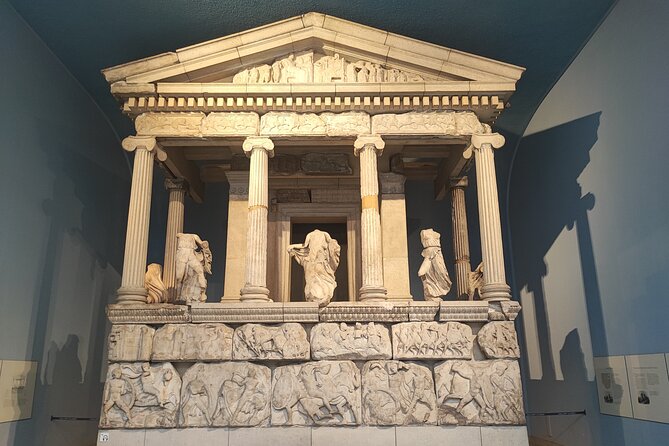
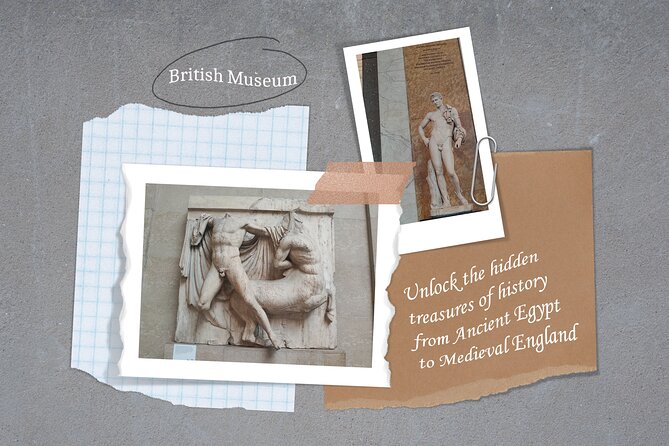
Next up is the Parthenon Marbles, which the tour frames as a window into the glory of past empires. These pieces are famous, but they can still feel oddly distant if you only know the headline version. A guide helps you connect the artwork to the society that commissioned it.
What I find useful is the way this stop can change your reading of the museum’s “greatest hits.” If Rosetta Stone is about understanding language, the Parthenon Marbles are about seeing how power and culture can be built into stone. It’s art used as public messaging, not only decoration.
Potential drawback here: if your group is tired from travel, the scale of the British Museum can make later stops harder to enjoy. If you’re prone to museum fatigue, take breaks earlier rather than later. This tour gives you structure, but you still control your stamina.
Egyptian Mummies: Life and Death Without the Ghost Story
The museum also includes Egyptian mummies, presented through the idea of the dance of life and death. This is one of those stops where your guide’s tone matters. You want information that stays respectful and clear, not sensational.
With the right framing, you can focus on the human choices behind the burial traditions: how people prepared, what they believed, and why these practices mattered to Egyptian society. The tour approach helps you slow down enough to see the “why,” not just the “what.”
In a private setup, you can ask basic questions without worrying you’re derailing the group. That’s especially handy here, because mummies raise a lot of thoughts fast: belief, ritual, preservation, and how modern people interpret the past.
You can also read our reviews of more museum experiences in London
Sutton Hoo: The Last Voyage Feeling That Stays With You
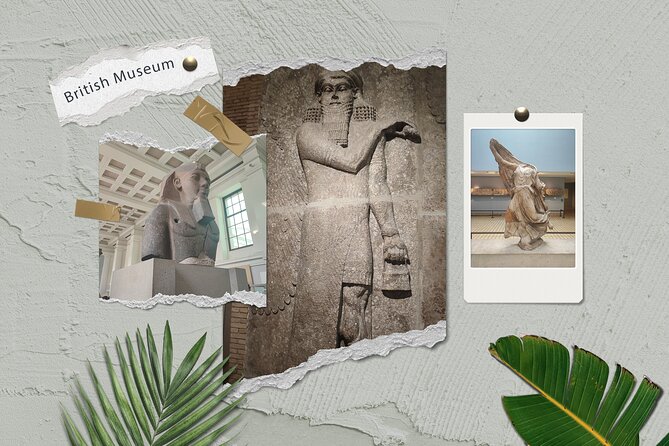
One of the more emotionally striking stops is Sutton Hoo, tied to the last voyage of an Anglo-Saxon warrior. This is history you can feel, even if you don’t know every detail already.
Guides tend to help by explaining what the objects suggest about the person and their world, instead of listing items like a checklist. You walk away with a clearer mental picture of what a ship burial represents, and why it became such a powerful window into early medieval life.
This stop also helps balance the museum’s “ancient big empires” feeling. You get a more personal sense of identity, status, and material culture from a specific place and time.
Lewis Chessmen: Strategy and Wit in a Small Set of Objects
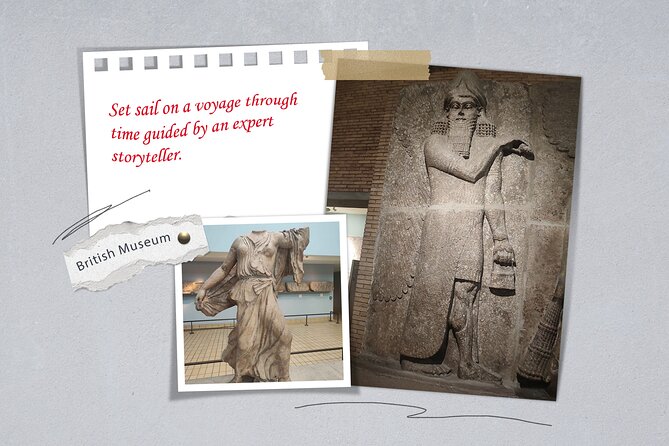
Then come the Lewis chessmen, described through tales of strategy and wit. This is one of my favorite types of museum moments because it’s approachable. Chess is familiar, so your brain connects quickly. The value is in how your guide shows you the bigger story behind the set.
Instead of treating it as a curiosity, you can connect these pieces to medieval life and imagination. And because this is a recognizable activity, it gives your group a mental break from heavier themes like death and empire, without losing the historical thread.
If your group includes kids or non-museum people, this is often the stop that wins them over first. Even in an adults-only group, it’s a good “reset” moment.
Shiva Nataraja: The Cosmic Dance of Creation and Destruction
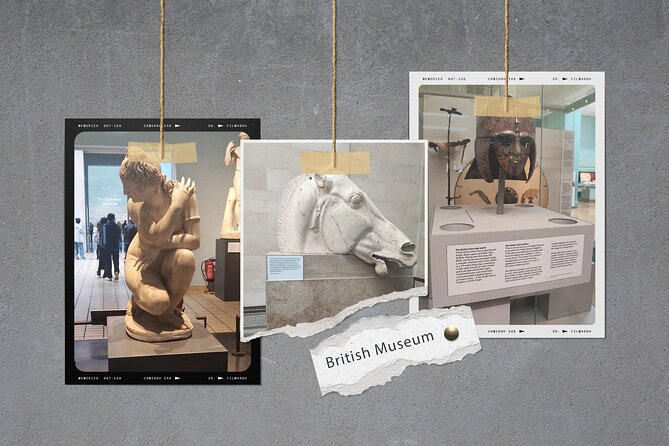
The tour also highlights Shiva Nataraja, described as the cosmic dance of creation and destruction. This is where the storytelling style really earns its keep, because religious art can be misunderstood when you only view it as decoration.
A good guide helps you connect the imagery to meaning. You’ll likely come away with a better sense that these works were made to communicate ideas, not just show a figure. In other words, you’re looking at an object that functions like a visual language.
Practical angle: take a step back and let your eyes adjust. You’ll see more details when you stop trying to identify everything at once. If your guide points out a feature or pose, follow the direction with your gaze instead of fighting the display.
Ancient Sculptures and Changing Beauty Standards: What Your Eye Learns
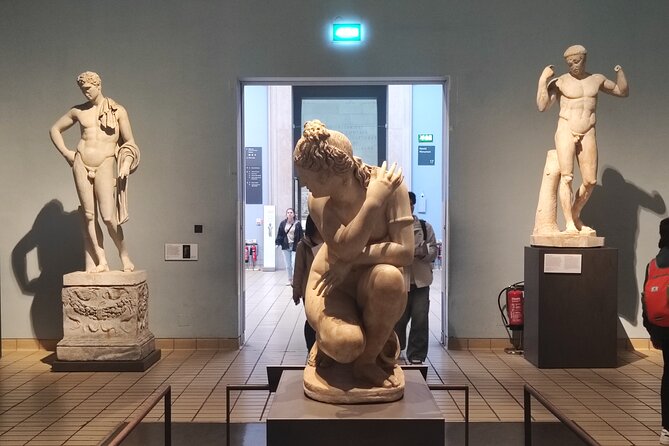
Finally, you’ll spend time on ancient sculptures tied to the evolution of beauty standards. This stop is easy to skip on your own because it sounds abstract. With a guide, it becomes a “how to look” lesson.
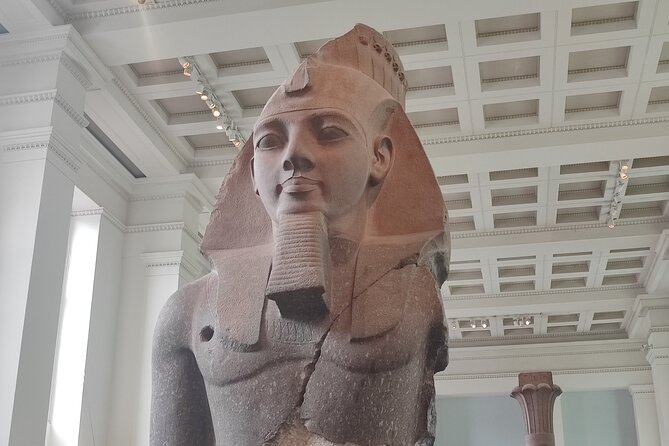
You start noticing proportions, poses, and craftsmanship choices, and you realize that what people considered beautiful wasn’t fixed. Different periods and cultures had different answers to what the human body should communicate.
That makes this stop more practical than it sounds. It doesn’t only teach you about old art. It teaches your eye to read form, not just content.
Why Fast-Track Entry Plus a Private Guide Feels Like Better Value
Let’s talk value, because $203.65 per group is not cheap. The good news is that your money buys time and focus, not just narration.
Here’s how it pays off for you:
- The museum is huge, and the British Museum can eat half a day fast. This tour’s short window gives you a guided route so you don’t waste energy guessing.
- Fast-track entry helps you spend more time in galleries and less time dealing with friction.
- Private format keeps your questions on track. If you’re paying for guidance, you want it to feel like your group is getting attention, not like you’re a number in line.
If you’re traveling with 2 to 4 people, the cost can feel more manageable because you’re spreading the group price over multiple visitors. If you’re a solo traveler, it can be hard to justify compared to self-guided entry, unless you’re especially drawn to art interpretation and want a structured route.
Who This Tour Fits Best (And Who Might Want Something Different)
This works best if you want a guided highlight path with a theme that connects objects across civilizations. It’s also a strong match if you like asking questions and getting straight answers, especially when the museum topics get complex.
You’ll likely enjoy it if:
- You care about both art and history and want them explained together.
- You want to see major museum stars like the Rosetta Stone and the Parthenon Marbles without getting lost.
- You want a guide who can tailor the focus toward your group.
You might want a different approach if:
- You’re the type who spends 4 to 6 hours wandering slowly and soaking up atmosphere.
- You need a lot of long breaks, because the tour is built for about 2 hours of guided time within a total 2 to 3 hour block.
Arrival Details You’ll Actually Use
You meet at Montague Pl (Montague Place area, London). The tour ends back at the meeting point. It’s also described as near public transportation, which matters because London mornings and museum lines can turn into chaos if you’re rushing.
The tour uses a mobile ticket, so it’s easy to manage on your phone. That’s a small thing, but it reduces stress right when you want to be calm and ready to walk in.
One more practical note: snacks, food, and drinks are not included. If you’re sensitive to museum hunger or you’re planning a long day, plan around it so you can keep your attention for the later exhibits.
Should You Book This British Museum Private Tour?
I’d book it if you want a smart, themed orientation to the British Museum’s most famous objects, with a guide who can explain meaning and adjust to what your group cares about. The strongest selling points are fast-track entry plus the way guides like Richard and Yulia/Yulywa Ousarenko were praised for tailored attention and clear, story-based explanations.
I’d skip or consider another option if you mainly want to roam freely and take your time, or if the idea of covering a lot in 2 to 3 hours sounds stressful. In that case, you might prefer a self-guided visit after you’ve gotten your bearings elsewhere.
FAQ
How long is the British Museum private tour?
It runs about 2 to 3 hours total, with about 2 hours listed for the guided museum tour.
Is the tour private?
Yes. It is a private tour/activity, and only your group participates.
What group size is this tour for?
The tour is described as up to 6 guests, and the price is listed per group up to 8.
What’s included in the tour price?
The guided museum tour is included, along with fast track entry to the British Museum, and admission is listed as free. A mobile ticket is also provided.
What language is the tour offered in?
The tour is offered in English.
Where do we meet the guide?
The meeting point is Montague Place (Montague Pl), London, UK.
What should I know about snacks and drinks?
Snacks, food, and drinks are not included.
Is the museum entry fast-tracked?
Yes, it includes fast track entry to the British Museum.
What’s the cancellation option?
Free cancellation is available. You can cancel up to 24 hours in advance for a full refund.