REVIEW · LONDON
London: British Museum: Ancient Magic and Art – Private Tour
Book on GetYourGuide →Operated by My London Guide · Bookable on GetYourGuide
Ghost stories at a museum? It works better than you’d think. This private British Museum tour links ancient magic and medieval superstition to the objects you actually came to see, from the Rosetta Stone to the Parthenon Marbles.
Two things I really like about this experience are the guide’s story-first approach and the way the themes connect across time. You’re not just looking at famous pieces in silence. You’re watching language, art, and belief systems get explained as if they belong to the same big human puzzle.
One drawback to consider: it’s still a museum visit, so there’s a moderate amount of walking, and it isn’t suitable for wheelchair users or people with mobility impairments.
In This Review
- Key points to know before you go
- Entering the British Museum with a mission (and fast track)
- The guide factor: storytelling that connects ancient belief to today
- Rosetta Stone: the lost languages moment you’ll actually remember
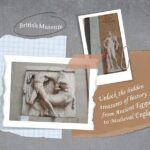
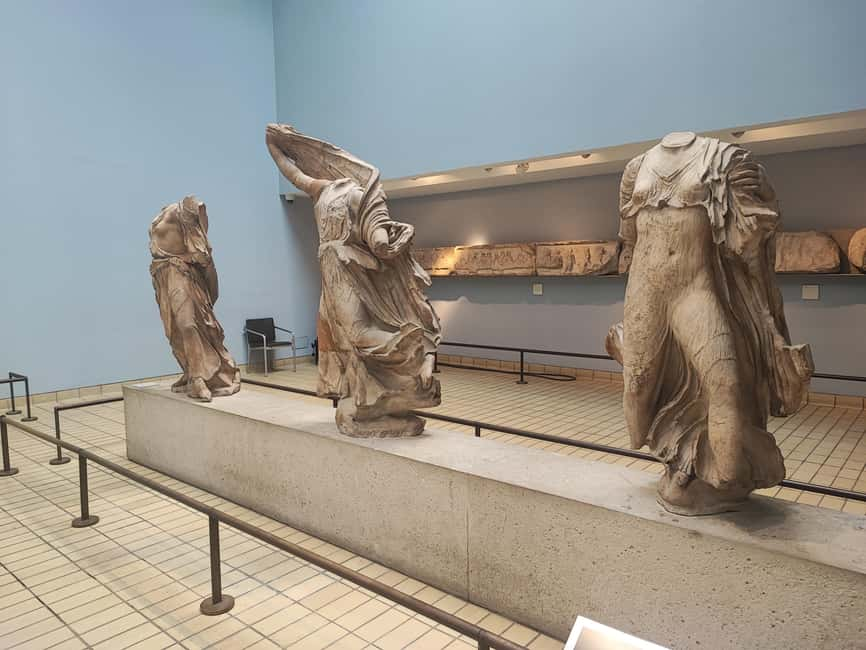
- Parthenon Marbles: beauty, power, and changing ideas of art
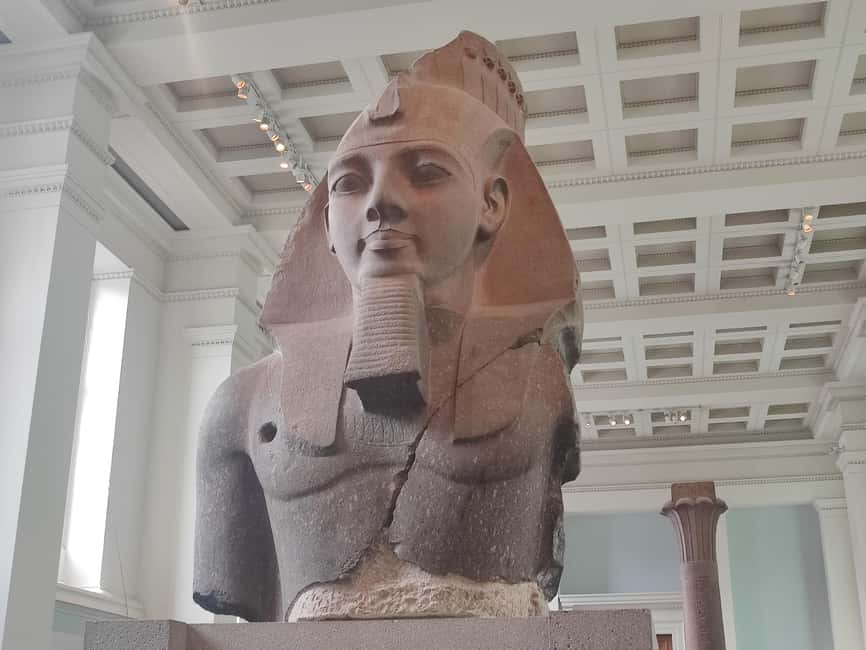
- Egyptian mummies: life-and-death symbolism made human
- Medieval superstition and Jesus in comic-style visuals
- Why Mesopotamia and India themes matter even when you’re not seeing their places
- The pacing: 2 hours that avoids the museum overwhelm
- Price and value: what $129 per group up to 8 gets you
- Who should book this private ancient magic tour
- Should you book it?
- FAQ
- FAQ
- How long is the British Museum private tour?
- What’s included in the price?
- Where do I meet the guide?
- Can I take photos during the tour?
- Are there restrictions on bags or food?
- Is the tour suitable for wheelchair users or mobility impairments?
Key points to know before you go
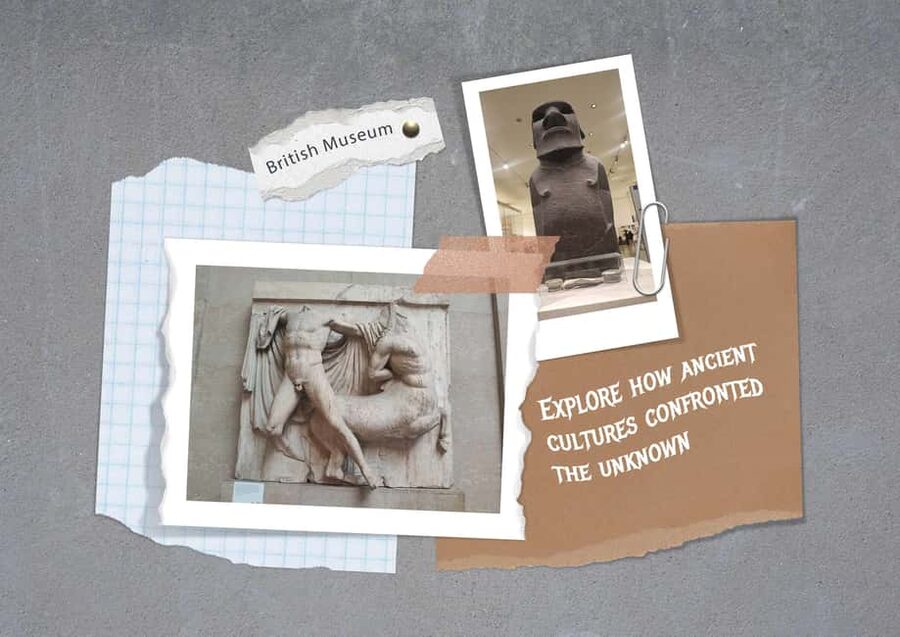
- Private, 2-hour format designed to keep the pace tight without dragging
- Fast track entry through an express security check so you waste less time inside
- Rosetta Stone storytelling that makes lost languages feel immediate, not distant
- Parthenon Marbles explained through ideas of beauty that shaped later art
- Egyptian mummies and life-and-death symbolism treated with a mythic, human angle
- Medieval superstition and Jesus childhood in comic-style material, presented as alternative narratives
Entering the British Museum with a mission (and fast track)
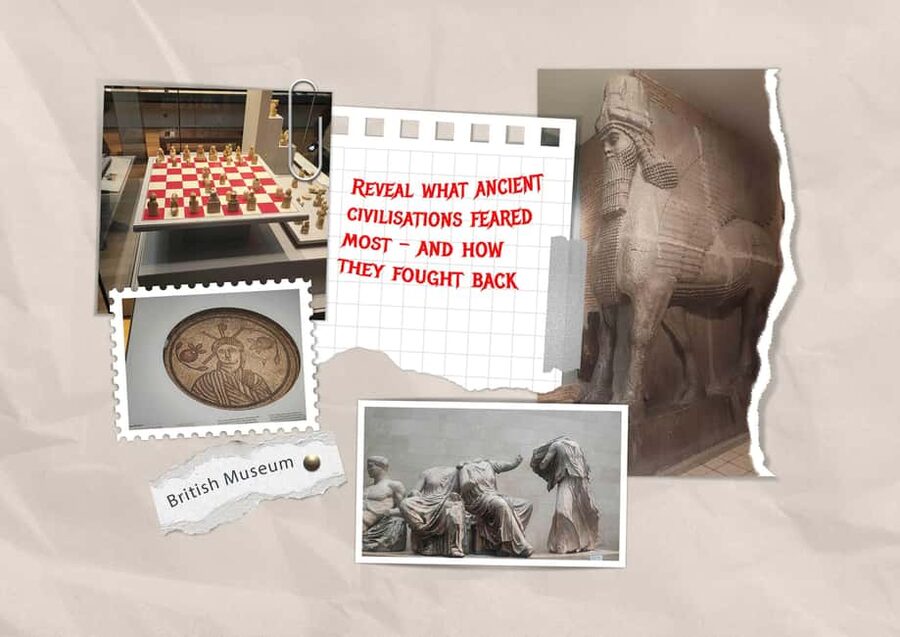
The British Museum can feel like an ocean: huge, busy, and easy to wander in circles. This private tour helps you get your bearings fast because you’re moving with a clear theme—ancient magic and myth—instead of “let’s see what looks interesting.”
Your meeting point is the group entrance at Edward VII’s Entrance, and your guide will be holding a sign that reads My London Guide. That detail matters more than you’d think. On busy days, it’s the simplest way to avoid that first 10 minutes of stress.
You’ll also use fast track entry via an express security check. That doesn’t sound glamorous, but it’s one of the biggest value-adds on a tight 2-hour tour. Spend less time queuing and more time actually looking at objects with context.
You can also read our reviews of more private tours in London


The guide factor: storytelling that connects ancient belief to today
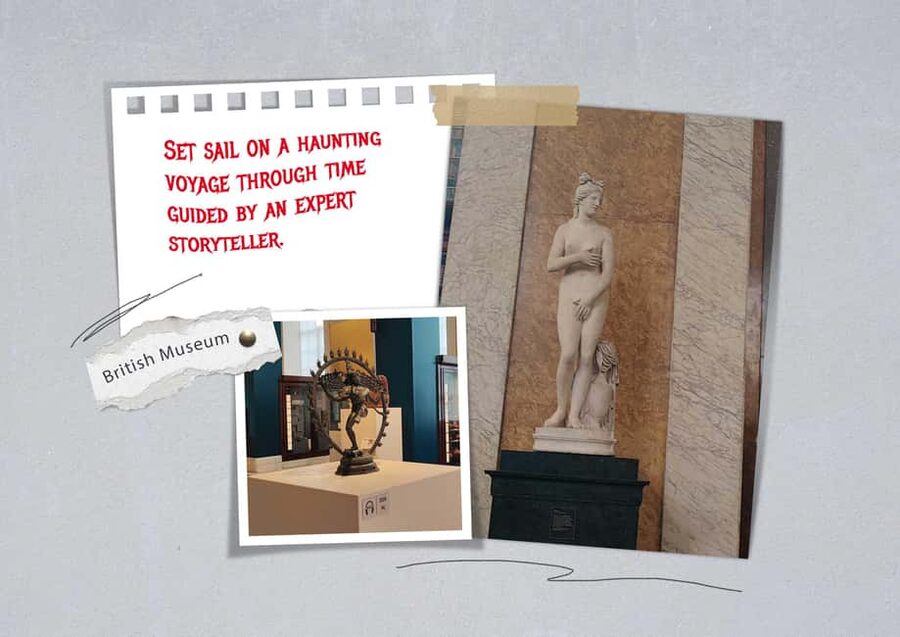
This tour is led by a private guide with an art-specialist focus, and the style is “tell me what I’m looking at, then show me why it mattered.” That’s a rare combo. Many museum tours either go heavy on dates and names or stay fluffy on vibes. Here, the stories are built around objects, so you leave with both meaning and memory.
In the feedback, the guide Richard is singled out for being incredibly insightful and entertaining, with unexpected connections between ancient times and today. I love that angle for two reasons. First, it stops you from treating ancient cultures like they’re sealed off in glass. Second, it gives you mental hooks you can keep using after the tour when you’re back in the museum halls alone.
And there’s also a practical upside: one review notes that an issue at the entrance was handled smoothly by the guide. That’s not something you can guarantee, but it does hint at calm, competent guidance when the day gets messy.
Rosetta Stone: the lost languages moment you’ll actually remember
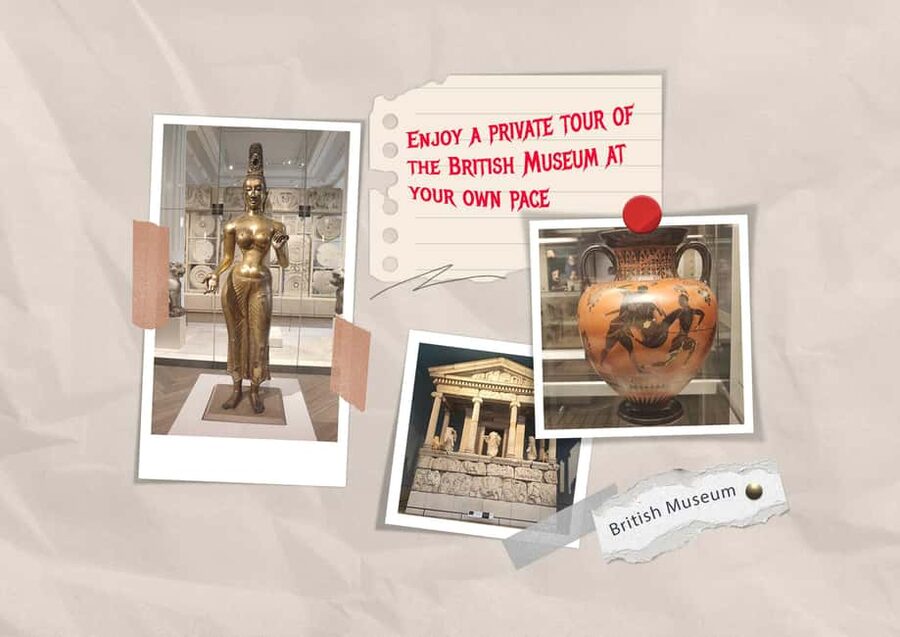
The Rosetta Stone is famous, but it’s also easy to see and forget. This tour uses it as a gateway into how language systems unlock understanding. You’ll get the big idea—how one artifact helped people crack hieroglyphs—and then you’ll connect that moment to the broader theme: ancient “magic” wasn’t just spells. It was knowledge, power, and translation.
What I like about this kind of explanation is that it changes your posture as a visitor. Instead of standing there thinking, I should know what this is, you start thinking, how did anyone even manage to do this? And that curiosity is what turns a famous object into a learning moment.
Practical tip: bring your camera, but remember no flash photography. The museum allows photography without flash, which is a nice balance if you want to take visual notes for later.
Parthenon Marbles: beauty, power, and changing ideas of art
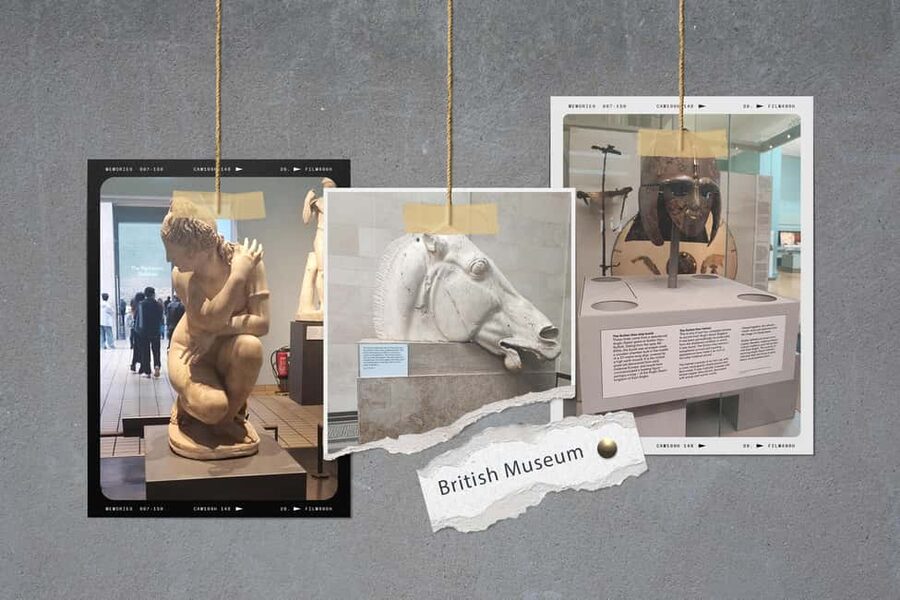
Greek art often gets treated like a museum label: “classical.” This tour takes the opposite approach. You’ll look at the Parthenon Marbles with the idea that beauty isn’t just pretty. It’s a message—about power, culture, and what a society thinks is worth immortalizing.
The way this theme is framed matters for value. The tour’s goal isn’t just to point at sculpture. It’s to show you how ancient ideals of beauty shaped later ways of seeing art. That’s useful if you plan to keep exploring London museums after this, because it gives you a lens.
A small consideration: the Parthenon Marbles are among the most popular pieces. Even in a private tour, you can face crowds nearby. The private format helps you spend your time more deliberately, but you should still expect the museum to be busy around the big “draw” objects.
Egyptian mummies: life-and-death symbolism made human
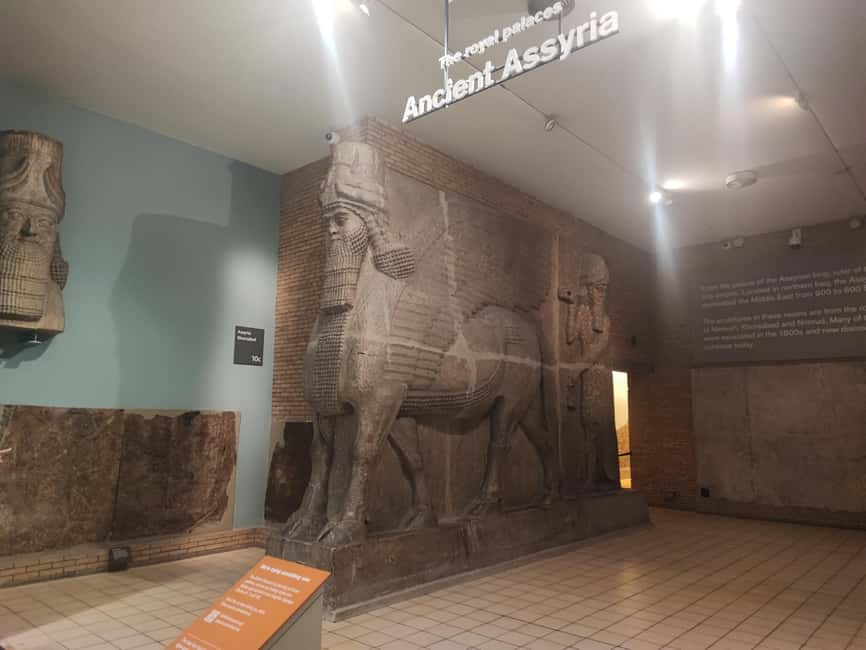
The highlight list is explicit: you’ll contemplate Egyptian mummies and the “dance of life and death.” That’s a strong framing, because mummies can turn either eerie or purely academic. Here, the story approach keeps it grounded in meaning—what people believed, how they prepared for the afterlife, and why those beliefs shaped their art and practices.
I like this part of the tour because it gives you a more complete picture of Egypt: not only pyramids and hieroglyphs, but also the emotional logic behind the objects. Even if you don’t share the beliefs, you can still understand them as a human response to mortality.
If you’re the type who enjoys symbolism and storytelling, this is likely one of the stops you’ll talk about later. If you prefer very factual, strictly chronological history, you’ll still get facts—but you’ll likely enjoy it more if you’re open to mythology as a way people explained reality.
You can also read our reviews of more museum experiences in London
Medieval superstition and Jesus in comic-style visuals
One of the more surprising highlights is the stop on Jesus Christ’s childhood through medieval comic books (or comic-style depictions). That instantly tells you this isn’t a standard “religion explained by timeline” tour.
Instead, the theme leans into medieval culture’s relationship with interpretation, legend, and alternative narratives. You’ll uncover a different side of how religious stories were reshaped in art and belief over time—treating medieval superstition as something people truly lived with, not just something distant and odd.
This is also where the tour’s “ancient magic meets medieval superstition” idea really clicks. Magic and religion aren’t always separate categories historically. They’re often different language for similar human needs: protection, meaning, and moral order.
A gentle consideration: if medieval religious imagery makes you uncomfortable, you may want to skim past the more legend-focused portions in your mind and focus on the art style and symbolism.
Why Mesopotamia and India themes matter even when you’re not seeing their places
Even though the physical stops are British Museum objects, the tour’s thematic scope is broad: ancient Greece, Egypt, Mesopotamia, India, and England, plus the historical arc of Jesus and the shift in narratives. The point here isn’t to pretend you’re visiting multiple continents in two hours. It’s to give you a comparative framework.
You’ll get the connecting thread: Greece gave philosophy and theater, Egypt contributed medical knowledge alongside pyramids and hieroglyphs, Mesopotamia developed key inventions like the wheel and farming foundations, and India introduced concepts tied to yoga and rebirth. England’s contribution shows up through artifacts like craftsmanship and the cultural roots of language.
What I find valuable is that you’re not learning facts as trivia. You’re learning them as influences. That helps you understand why certain objects ended up where they are and why people in later eras cared about them.
The pacing: 2 hours that avoids the museum overwhelm
A 2-hour private tour is a practical sweet spot. Long enough to feel you’ve earned understanding, short enough to keep you from turning museum fatigue into “I hope the tour ends soon.”
Expect a moderate amount of walking, and plan to wear comfortable shoes. The museum is big, and even with a focused route, you’ll move between major areas for each theme highlight.
One more on-the-ground note: there’s no food or drinks permitted inside the exhibition halls, so bring water and plan to sip outside when you can. Also, avoid backpacks and large bags. The museum rules are clear, and you don’t want to spend valuable minutes stuck at a check.
Price and value: what $129 per group up to 8 gets you
The price is listed as $129 per group (up to 8 people) for about 2 hours. That structure matters.
If you’re traveling solo or as a couple, you’re paying for privacy and expertise rather than museum admission. But if you have a small group—friends, a family, or even a mix of adults and teens who can handle the theme—this can become a bargain compared with multiple separate guide bookings.
The real value is the guide’s ability to connect objects to stories. The British Museum is full of famous artifacts; the question is whether you’ll leave with understanding or just photos. This tour is built to make those objects feel connected, especially through ancient magic, mythology, and medieval superstition.
So if your budget is tight, this may be a “choose one guided experience” type of splurge. If you’re already museum-driven and like learning with a personality attached, you’ll likely feel the payoff.
Who should book this private ancient magic tour
This tour is a great fit if:
- you like museums that explain meaning, not just names
- you enjoy mythology, superstition, and how beliefs shape art
- you want a private guide so you can ask questions at the pace you like
- you’re interested in how major artworks connect across cultures and eras
It’s not a fit if:
- you use a wheelchair or have mobility impairments (the tour is not suitable)
- you want a fully accessible, low-walking experience
- you dislike legend-based storytelling and prefer only strict chronology
Should you book it?
If you want your British Museum visit to feel like a guided story with real visual anchors, I’d book it. The combination of fast entry, a private format, and a theme that ties together language, art, and belief is exactly how a museum tour should work when you only have a couple hours.
If you’re the kind of visitor who needs lots of quiet time and self-paced wandering, you might still enjoy it, but you’ll probably prefer a self-guided plan. This tour is built for movement and conversation around specific highlights.
For most people—especially first-time museum visitors or anyone who likes myths—this is one of the smarter ways to spend two hours at the British Museum.
FAQ
FAQ
How long is the British Museum private tour?
It runs for about 2 hours.
What’s included in the price?
You get a private guided tour with an expert storyteller, fast track entry through an express security check, and a friendly, professional environment.
Where do I meet the guide?
Meet at the group entrance to the British Museum at Edward VII’s Entrance. The guide will be holding a sign that says My London Guide.
Can I take photos during the tour?
Yes, photography is allowed without flash.
Are there restrictions on bags or food?
Flash photography isn’t allowed, and large bags and backpacks aren’t permitted inside the museum. Food and drinks are not permitted inside the exhibition halls.
Is the tour suitable for wheelchair users or mobility impairments?
No. It is not suitable for people with mobility impairments or wheelchair users.