REVIEW · LONDON
London: British Museum: Ancient Greek Treasures Private Tour
Book on GetYourGuide →Operated by My London Guide · Bookable on GetYourGuide
Beauty clues are hiding in plain sight. This private British Museum tour links the ideas behind great art to real objects you can actually stand in front of, from Greek masterpieces to Egyptian symbolism, all with an art specialist guiding your eye. You’ll focus heavily on Ancient Greece—including Parthenon-related works, a Caryatid, and Greek vases—so the tour feels more like a story with a point than a random gallery stroll.
Two things I really like: the guide’s professional storytelling (including guides such as Richard, praised for enthusiasm and clear museum insight) and the fast-track entry that helps you spend your limited time inside rather than queuing. One consideration: there’s a moderate amount of walking, and the tour is not suitable for wheelchair users, so it may not work well if you need step-free, low-walking access.
In This Review
- Key highlights to expect
- A Greek-focused British Museum tour that makes you look differently
- Your 2-hour loop: how the tour stays tight
- Parthenon Marbles: why “beauty” wasn’t just decoration
- Caryatid and Greek vases: the beauty argument gets personal
- Rosetta Stone: the breakthrough that changed how we read the past
- Egyptian mummies: the dance of life and death
- Medieval comic-style Jesus imagery: an alternative narrative moment
- Fast-track entry and meeting at Edward VII’s Entrance
- Price and group value: $129 per group for a private art specialist
- What to do (and not do) once you’re inside
- Who this tour suits best
- Should you book it?
- FAQ
- How long is the British Museum Ancient Greek Treasures private tour?
- Is this tour private?
- How many people can be in the group?
- Where do we meet?
- Does it include skip-the-line entry?
- What language is the tour guide?
- Is flash photography allowed?
- Are food and drinks allowed in the museum halls?
- Is the tour wheelchair accessible?
Key highlights to expect
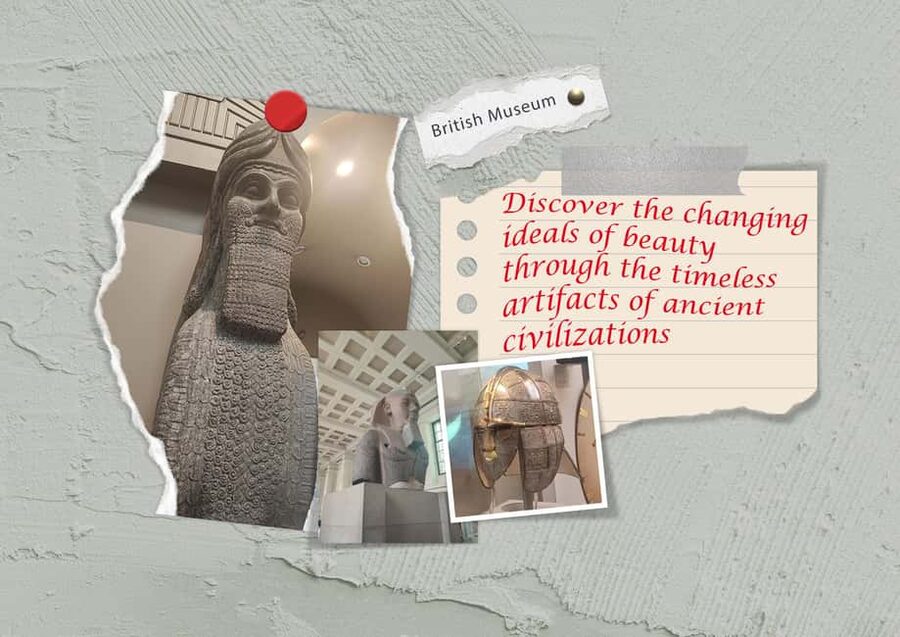
- Greek art first, always: Parthenon Marbles themes, Caryatid focus, and Greek vases tied to beauty ideals
- Rosetta Stone moment: see how the code-breaking breakthrough changed how we read the ancient world
- Egyptian mummies in context: pause for the symbolism of life and death before moving on
- Medieval Jesus comic-style art: an unusual, history-with-a-wink look at narratives around Jesus’s childhood
- Private group attention: up to your small party size, with a guide who can keep the pace human
- Photography rules you can plan around: photos are allowed without flash, so you can actually capture what you’re seeing
A Greek-focused British Museum tour that makes you look differently
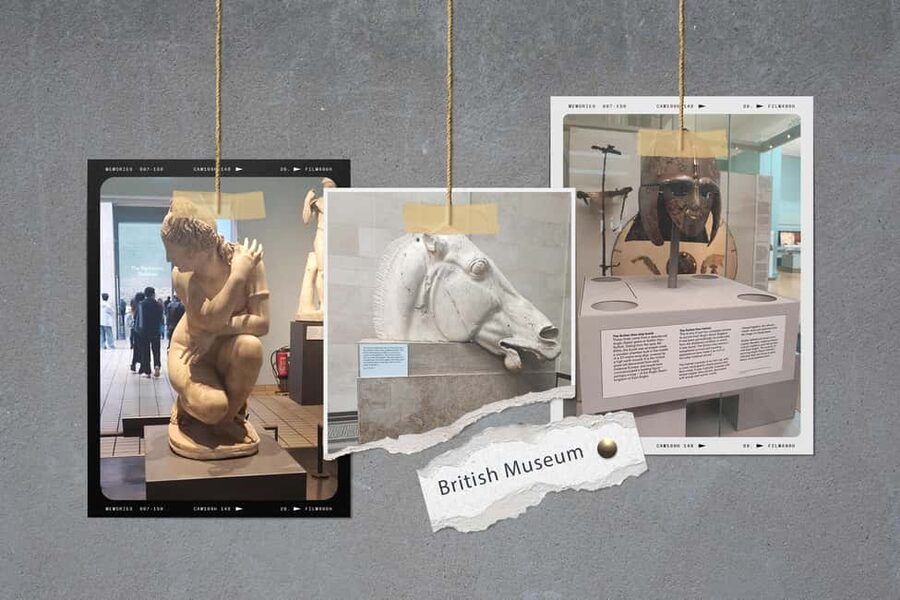
The British Museum can be overwhelming. It’s big, it’s famous, and it’s packed with centuries of stuff. What makes this tour special is that it doesn’t try to cover everything. It picks a theme—how “beauty” got defined, redesigned, and argued about over millennia—and then uses objects to prove the point.
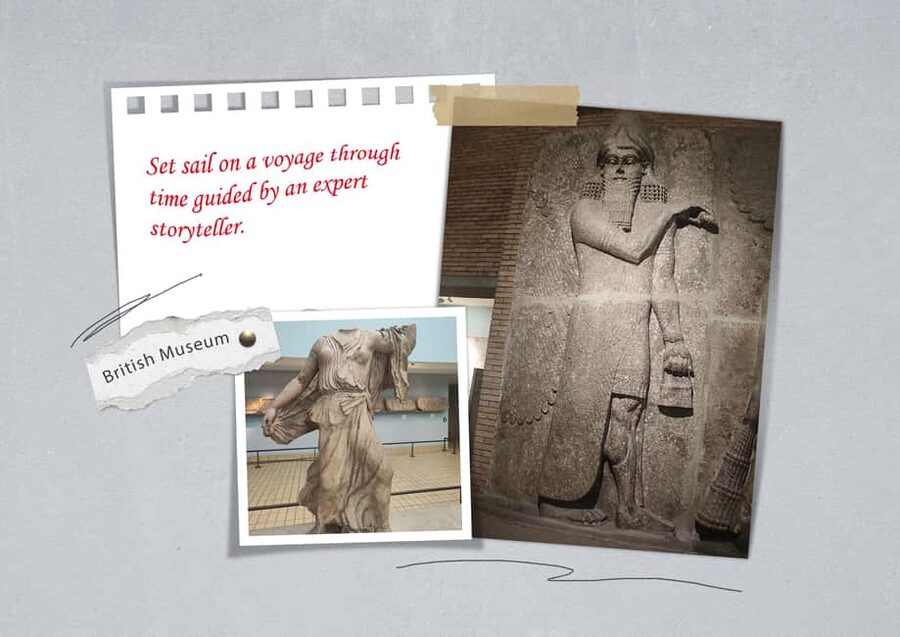
The plan is built around Ancient Greek art ideals, but it doesn’t trap you in one culture. Instead, your guide uses the Greek section as the anchor, then connects it to other civilizations you’ll see along the way—especially Egypt and Mesopotamia—so you understand that “beauty” and “meaning” are human ideas that travel.
If you’re the type who wants something more than captions, you’ll like the “watch-your-brain-work” approach. A good guide helps you notice form, symbolism, and what people were trying to say with visual design.
You can also read our reviews of more private tours in London


Your 2-hour loop: how the tour stays tight
This is a private tour that runs about 2 hours, with moderate walking. That time limit matters. You’re not going to see every gallery. You’re going to see the specific highlights your guide uses to build the story.
Here’s the rhythm you can expect in plain terms:
- You start in a fast, organized way with express security access.
- You spend the bulk of your time in the Greek section, since that’s the stated focus.
- Then you branch out to the other signature stops tied to the same “ideas over time” theme: deciphering ancient language, Egyptian beliefs, and a surprising medieval look at Jesus’s childhood.
Because it’s private, your guide can keep the pace realistic for your group size. If you’re curious and ask questions, you won’t feel rushed in the way you can on busier tours.
Parthenon Marbles: why “beauty” wasn’t just decoration
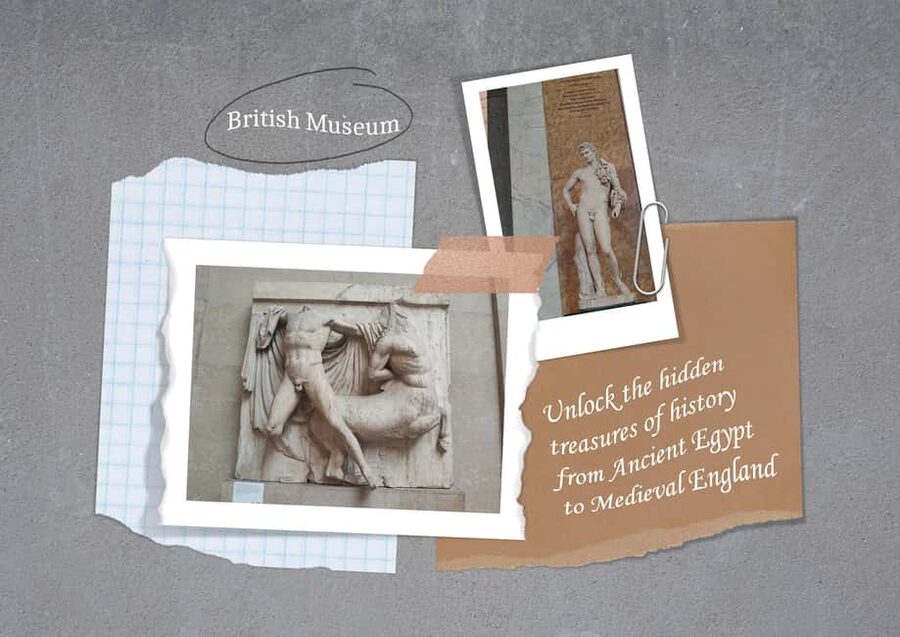
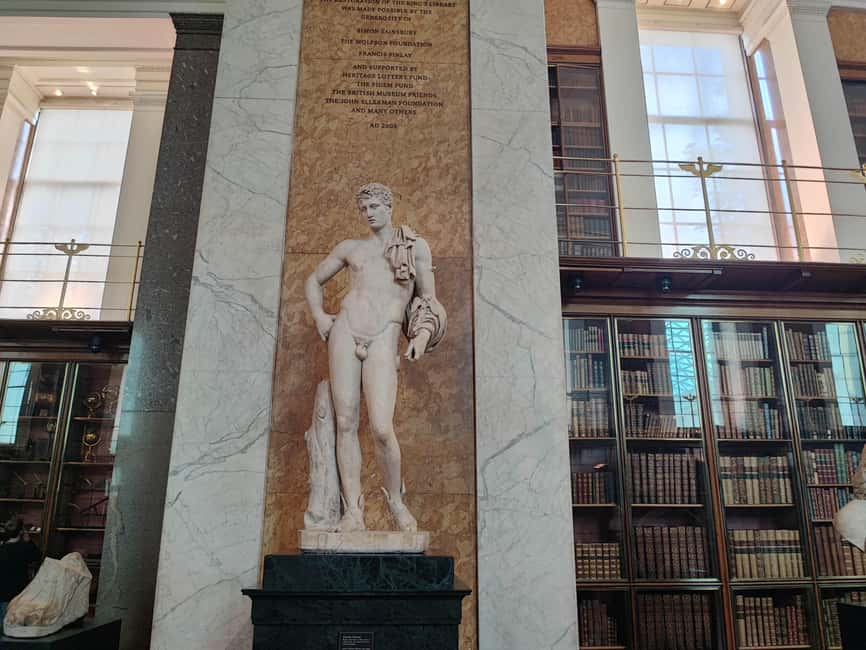
The Parthenon Marbles are not just pretty stone. This stop is about how Greek artists shaped an ideal of beauty that people kept responding to for centuries.
When your guide brings you to these works, you’ll be looking at more than aesthetic style. The big theme is that Greek beauty was connected to order—proportion, balance, and visual clarity. Those ideas didn’t stay in Greece. You’ll start recognizing them in how later cultures talked about art, virtue, and even education.
What you’ll get out of this portion is a clearer mental model:
- Greek art presented beauty as something you could study and measure.
- That view influenced how people judged excellence in art and performance.
Even if you’ve never taken an art class, the guide’s job is to translate the visual language into something you can understand on the spot. This is where a private, art-focused guide pays off.
Caryatid and Greek vases: the beauty argument gets personal
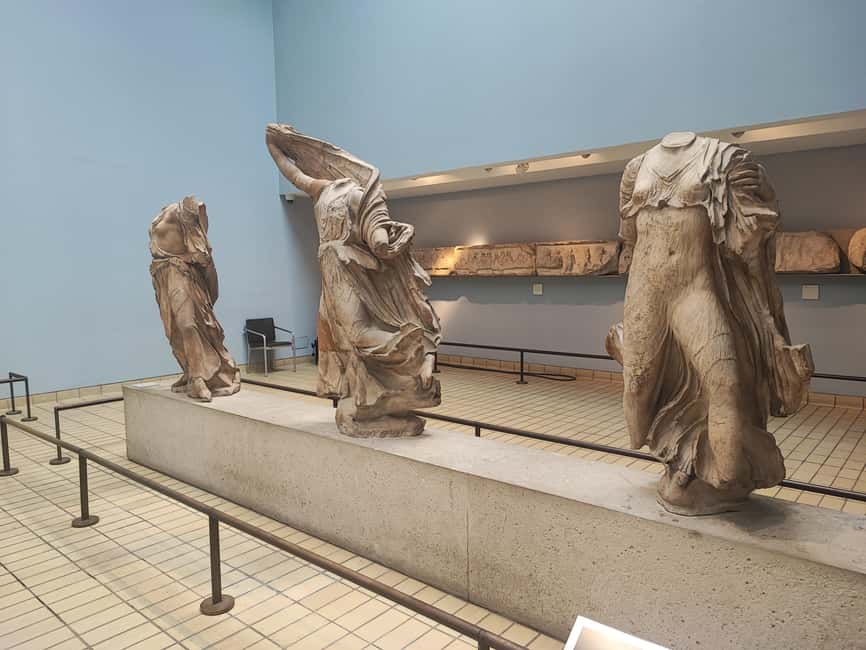
After the big headline works, the tour turns toward details that make the “beauty” theme feel more human: a Caryatid and Greek vases.
A Caryatid is one of those objects that’s both sculptural and architectural. It forces you to think about function and meaning at the same time. Your guide helps you see the difference between:
- decoration that simply fills space, and
- sculpture that supports an idea—presence, dignity, and structure.
Then Greek vases add another layer. Vases weren’t only utilitarian. They carried stories and visual messages that people lived with in daily life. So you’re not just studying ideals in a vacuum. You’re seeing how those ideals showed up in objects used and handled in real homes and rituals.
If you like when a museum tour connects form to storytelling, this is the section that usually clicks for people.
Rosetta Stone: the breakthrough that changed how we read the past
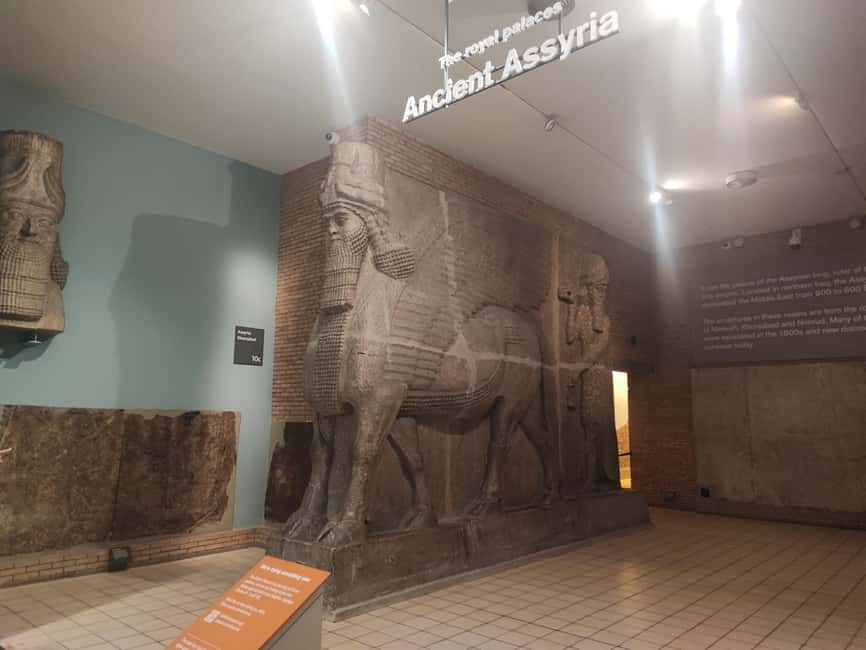
From Greece, your tour connects outward to one of the museum’s most famous “how did we learn this?” objects: the Rosetta Stone.
The point here isn’t only the object’s fame. It’s what the breakthrough made possible: understanding ancient texts that were previously unreadable. Seeing it through a guide’s explanation makes the leap from stone slab to readable language feel less mysterious.
In practical terms, you’ll leave this stop understanding that decoding doesn’t happen by magic. It happens when people compare information and work the logic. And once the code could be worked, whole worlds of writing became accessible again.
That matters because the tour isn’t only showing art. It’s showing how human knowledge grows.
You can also read our reviews of more museum experiences in London
Egyptian mummies: the dance of life and death
Then you’ll move to Egyptian mummies, which keeps the tour’s “ideas over time” theme grounded in belief.
Mummies are startling in real life, and your guide will frame them in a way that connects the body to a worldview. You’ll be looking at how Egyptian culture handled the boundary between life and death, and how that shaped what was preserved and displayed.
This stop is valuable because it shifts the conversation from Greek ideals (proportion, form, public beauty) to something more existential. You start seeing that art and objects aren’t just about looking good. They’re also about answering big questions: What happens next? What should last?
Medieval comic-style Jesus imagery: an alternative narrative moment
One of the most unusual highlights is the tour’s inclusion of medieval illustrated material about Jesus—described here as medieval comic books showing his early life.
This isn’t the usual “museum 101” path. It gives you a chance to think about how stories change depending on who is telling them and for what purpose. The tour frames it as discovering a secret childhood narrative, which encourages you to notice that history and story aren’t always delivered in one standard form.
If you like interpretation—how symbols and storytelling reflect culture—this stop gives you a satisfying contrast to the ancient Greek and Egyptian material. Different eras, different messages, same human need to explain meaning.
Fast-track entry and meeting at Edward VII’s Entrance
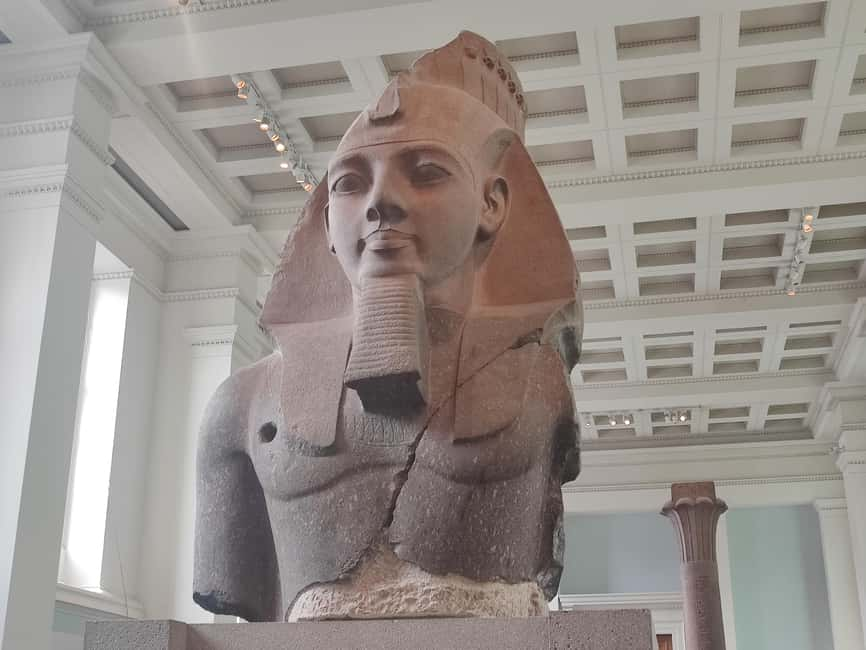
Timing inside the British Museum is everything. Even a great tour can fall flat if you lose your momentum in security lines.
This experience includes fast track entry through an express security check, which helps you get into the galleries faster. That means your 2 hours starts feeling like 2 hours, not 2 hours minus queuing.
Meeting point is straightforward:
- Meet at the group entrance to the British Museum (Edward VII’s Entrance)
- Your guide will be holding a sign that says My London Guide
A small but helpful tip: show up a little early so you can get oriented before security and get the “where do I stand” moment out of the way.
Price and group value: $129 per group for a private art specialist
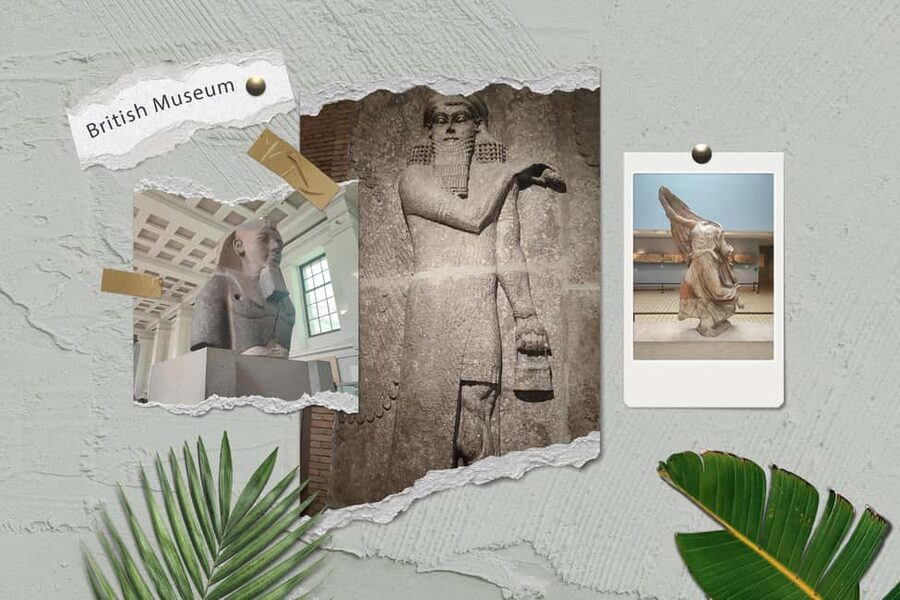
The price is listed as $129 per group up to 8 for a 2-hour private tour. Your booking is also described as a private group reserved exclusively for up to 6 guests, so treat group size as something you should confirm when you book. Either way, the core value is the same: you’re paying for a guide to tailor the experience to your party, not for seat-filling in a large group.
How to judge value:
- In a private format, the biggest cost driver is the guide’s time.
- When you share that fixed cost across more people, the per-person cost drops fast.
For example, purely as quick math using the listed price:
- 2 people: about $64.50 per person
- 4 people: about $32.25 per person
- 6 people: about $21.50 per person
- 8 people: about $16.13 per person
So this is especially good value if you’re traveling with a small crew or making a museum outing work for multiple friends or family members.
Also, since the tour is Greek-section focused, it’s built for people who want depth where it counts, not a checklist across every wing.
What to do (and not do) once you’re inside
To keep the tour smooth, the rules are clear. Here’s what matters for your planning:
- No flash photography; photos without flash are allowed.
- No selfie sticks.
- Don’t bring large bags or backpacks into the museum.
- Food and drinks aren’t permitted inside the exhibition halls.
- No touching exhibits, and keep sharp items and weapons out.
This matters because nothing kills a good museum flow like realizing you’re carrying the wrong bag or you can’t take the one photo you wanted.
Also, remember: there’s no hotel pickup or drop-off, so you’ll want to plan your own arrival and transit.
Who this tour suits best
This private tour is a great match if you:
- want Ancient Greece to be the center of the story
- like museum guides who explain meaning, not just dates
- prefer private pacing over a crowd’s pace
- can handle moderate walking for about 2 hours
It may be less suitable if you need wheelchair access, since the tour is listed as not suitable for wheelchair users.
Should you book it?
Book this tour if you want a museum visit that feels like a guided argument for how beauty and meaning evolve. The Greek focus is strong, and the guide’s storytelling is a major selling point—especially with guides like Richard highlighted for enthusiasm and clear explanations. Add in the fast-track security access, and you’re set up to actually enjoy your time inside rather than burn it waiting.
Skip it (or look for a different format) if you’re trying to do a low-walking, fully accessible museum plan, because this one isn’t positioned for wheelchair use and includes moderate walking.
If your goal is a smarter, tighter way to see the British Museum’s big ideas in only 2 hours, this is a solid bet.
FAQ
How long is the British Museum Ancient Greek Treasures private tour?
The tour runs about 2 hours.
Is this tour private?
Yes. It’s a private group experience reserved exclusively for your party.
How many people can be in the group?
The offer mentions up to 8 people, and the private reservation is described as exclusively for up to 6 guests. It’s best to confirm the exact cap at booking.
Where do we meet?
Meet at the group entrance to the British Museum (Edward VII’s Entrance). Your guide will be holding a sign that says My London Guide.
Does it include skip-the-line entry?
Yes. It includes fast track entry and access through an express security check.
What language is the tour guide?
The tour guide is in English.
Is flash photography allowed?
No. Flash photography is not allowed, but photography without flash is permitted.
Are food and drinks allowed in the museum halls?
No. Food and drinks are not permitted inside the exhibition halls.
Is the tour wheelchair accessible?
No. It is listed as not suitable for wheelchair users.