REVIEW · BUDAPEST
Budapest Jewish Heritage Memorial Walking Tour & Synagogue Entry
Book on Viator →Operated by Hungária Koncert Kft · Bookable on Viator
Budapest’s Jewish story starts in one stunning building. This small-group tour takes you from the Dohány Street Synagogue into the Jewish Museum, then on to major memorial sites tied to WWII and the people who tried to save lives. I especially like that key entries are handled for you, so you spend your time looking and listening instead of line-checking. I also love how guides bring the neighborhood to life, and names like Benji/Benjamin show up again and again in standout comments. One trade-off: you do spend real time sitting and listening inside, so if you want nonstop street walking, plan for a more indoor-instruction pace.
Expect a focused morning at the synagogue with a mobile ticket and English narration. The route is designed to be doable in about 3 hours, with the option to choose a shorter Essential route or a longer Grand one. You’ll also want to plan your next stop carefully, because the tour ends somewhere different than where you start.
What Makes This Tour Worth Your Time
- Dohány Street Synagogue first: you see the landmark up front, while the building still feels new and awe-worthy.
- Jewish Museum and Archives included: art, daily life, and a Holocaust-focused room all under one visit.
- WWII human stories at memorials: Raoul Wallenberg and Carl Lutz show up in places you can actually walk through.
- Two route lengths: Essential keeps it tight; Grand adds extra synagogues and key streets.
- Optional kosher treats and restaurant discount: you can turn the tour into a real follow-on meal plan.
- Group size cap (up to 15): easier questions, easier pace control.
In This Review
- Start at Dohány Street Synagogue: Budapest’s Big Jewish Landmark
- Great Synagogue Entry: Why the Timing and Order Matter
- Jewish Museum and Archives: Art, Everyday Life, and a Holocaust Room
- Raoul Wallenberg Memorial Park and the Old Jewish Quarter: Walking WWII Memory
- Essential vs Grand: Choosing the Right Route Pace
- Essential Tour: Best for a tight schedule
- Grand Tour: Best if you want more synagogues and WWII memorials
- Kosher Bakery Stop and Carmel Discount: Turn Learning Into Evening Plans
- What the Best Guides Do (and Why You’ll Care)
- Logistics That Actually Matter: Timing, Group Size, and Where You End
- Who Should Book This Tour (and Who Might Prefer Something Else)
- Should You Book This Budapest Jewish Heritage Memorial Walk?
- FAQ
- How long is the Budapest Jewish Heritage Memorial Walking Tour?
- Where does the tour start?
- What time does it begin?
- Is the tour in English?
- Does the price include synagogue and museum entry?
- How big are the groups?
- Can I cancel for a full refund?
- Is there hotel pickup?
Start at Dohány Street Synagogue: Budapest’s Big Jewish Landmark
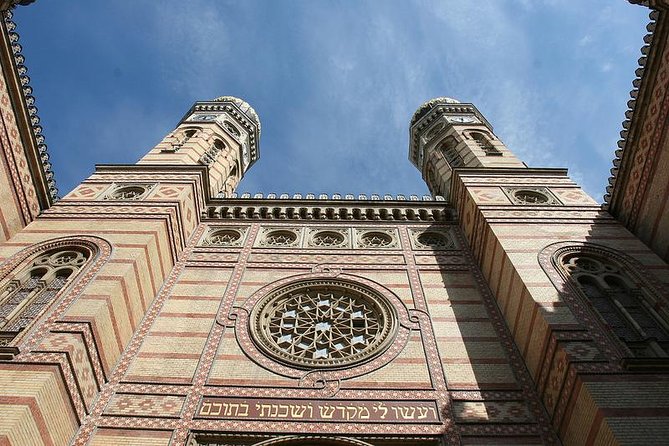
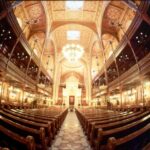
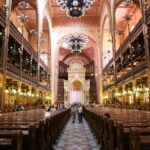
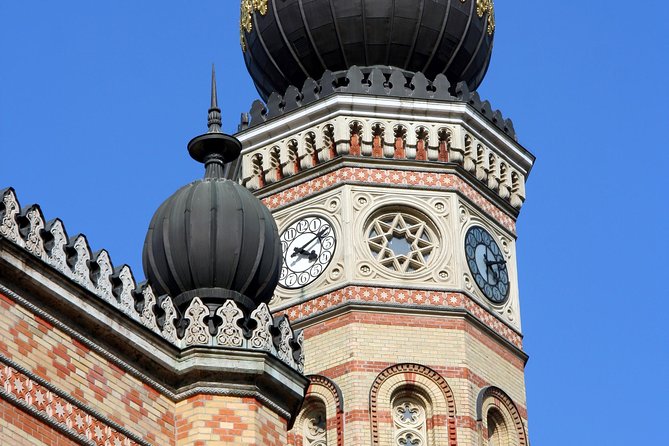
Most Budapest tours ask you to hunt for the right building. This one makes it simple: you begin at the Dohány Street Synagogue (Dohány u. 2, 1074). Even if you only know it from photos, it hits differently in person—scale, details, and the sense of how this community wanted beauty to survive.
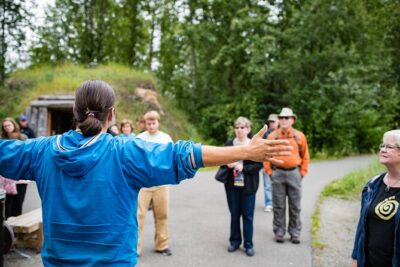
Inside, you’re not just ticking off a famous sight. The tour approach is about context: why this synagogue matters, how Jewish life shaped the city, and how the 20th century changed the stakes. You’ll likely start your day with the most visually powerful stop, which is a smart way to keep your motivation high before you move into more reflective areas.
This is also where you’ll feel the tour’s “small-group listening” style. Some people love it; some want more walking at all times. So if you’re the type who needs motion, bring a “mostly inside is still part of the point” mindset.
Great Synagogue Entry: Why the Timing and Order Matter
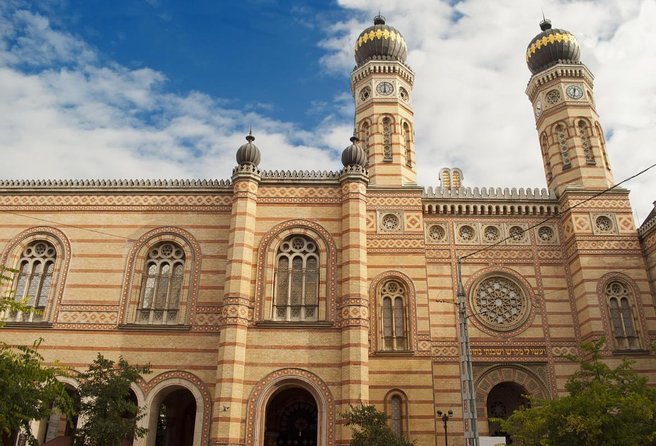
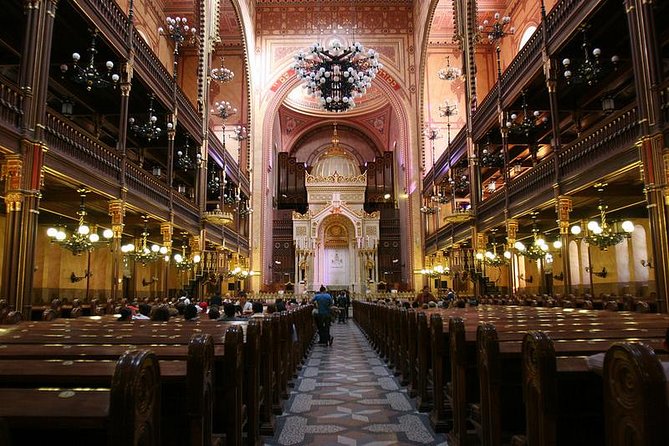
You get entry to the Great/Central Synagogue (Nagy Zsinagoga), with an interior visit. Starting here first works for two practical reasons.
First, it reduces timing stress. The tour is built around known visiting needs, and the most complex stop is early. Second, it changes how you read the rest of the day. When you’ve already seen the building, memorial stones and neighborhood history start to feel connected instead of separate facts.
The best-value part here isn’t only the ticket. It’s that you’re guided through what you’re looking at—architecture and symbolism—so you’re not standing there trying to “figure it out” yourself while other groups move along.
You can also read our reviews of more tours and experiences in Budapest.


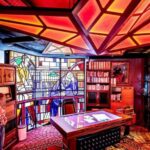
Jewish Museum and Archives: Art, Everyday Life, and a Holocaust Room
After the synagogue, the tour shifts into the Jewish Museum and Archives. You’ll get a guided visit (about 45 minutes), with the focus on Hungarian and Eastern European Jewish heritage through art and collections.
What I like about museum time on a walking tour is that it anchors the rest of the route. On the street, history can blur into a long list. In the museum, you get objects and visual evidence that help you understand daily life—holidays, tradition, and community rhythm—rather than only the tragic headline parts.
There’s also a separate room that commemorates the Hungarian Holocaust. That means the emotional arc of the tour doesn’t pretend the story is only about buildings and cultural memory. It acknowledges what happened, and it gives the visit a place to land mentally.
Practical note: museum narration can be dense. If you’re the type who wants lots of questions, this is a good moment to ask. The group size stays small, so your guide can usually keep up with the pace and your interests.
Raoul Wallenberg Memorial Park and the Old Jewish Quarter: Walking WWII Memory
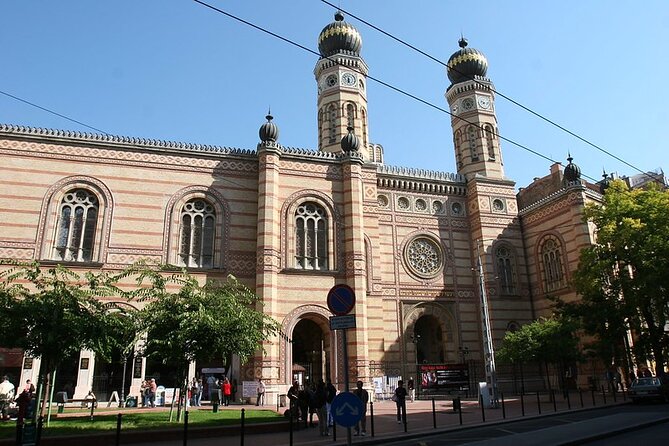
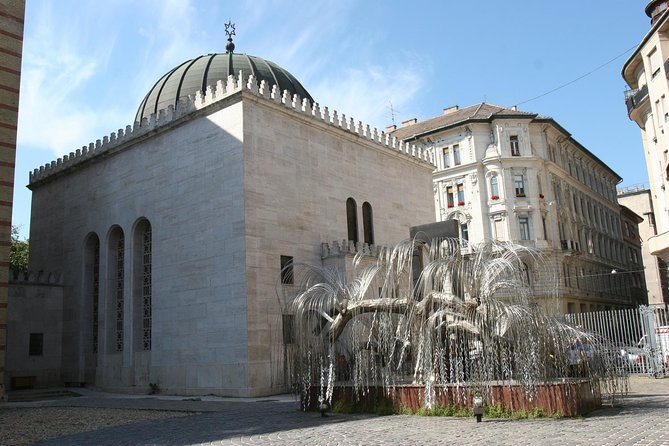
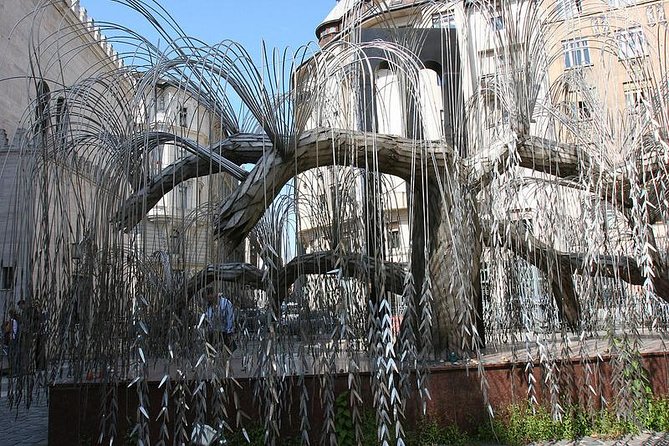
Next comes a change in mood. You’ll visit the Raoul Wallenberg Holocaust Memorial Park, named for the man credited with saving thousands of lives in the Jewish community. If your brain normally handles history through dates, this kind of stop redirects you toward people and choices.
Then the route passes through the old Jewish Quarter, once a ghetto during WWII. You’re walking through parts of the city where memory is built into the layout. Even without dramatic signage, the area starts to make sense when your guide connects it to what the community endured.
The Essential tour also includes Heroes’ Temple, tied to lives lost during World War I. That detail matters because it reminds you this community’s losses weren’t only from one era. It’s part of the long thread of 20th-century upheaval.
This is the point where the tour earns its “don’t skip it” status. You’re not just touring structures. You’re learning how Budapest’s Jewish story fits into broader European conflict—and how local communities tried to survive, rebuild, and keep identity intact.
Essential vs Grand: Choosing the Right Route Pace
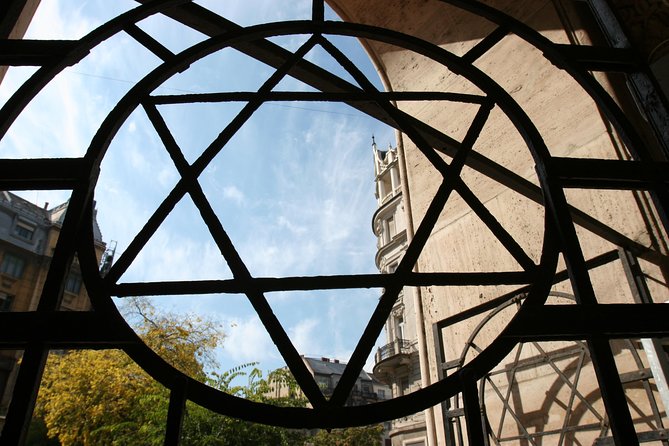
You’ll have two options: a tighter Essential route or a longer Grand one. Both start at Dohány Street Synagogue, but the Grand tour adds more stops and gives you more chances to compare different parts of the community.
Essential Tour: Best for a tight schedule
If you want the core highlights without adding extra walking and extra indoor time, Essential is the smart pick. You’ll hit the synagogue, the Jewish Museum and Archives, and then the WWII-connected memorial and neighborhood sights. It’s designed for travelers on a stricter timetable and still feels like a complete “Budapest Jewish heritage” orientation.
You can also read our reviews of more historical tours in Budapest


Grand Tour: Best if you want more synagogues and WWII memorials
If you can spare the extra time, the Grand tour adds additional places that deepen the story.
You’ll pass by Gozsdu Udvar (time is short, but it gives you a feel for the area’s later life and atmosphere). You’ll also visit the Carl Lutz Memorial Park, named for another famous figure involved in WWII-era rescue efforts.
Then comes Kazinczy Street Synagogue, with entry for the Grand option. This is one of the largest operating Orthodox synagogues in Europe and it has an art-nouveau style that changes your “synagogue expectations” in a good way. It also helps you see that Jewish religious life in Budapest wasn’t one single look or tradition.
Kosher Bakery Stop and Carmel Discount: Turn Learning Into Evening Plans
Toward the end, the Grand tour gives you a choice: you can stop for cake at glatt kosher Fröhlich confectionery or take a 10% discount for glatt kosher Carmel to use later on your own.
This is a small thing with big practical value. A memorial-heavy tour makes you emotionally tired in a quiet way. A food stop gives you a reset that also keeps the tour connected to modern Jewish life, not only historic sites.
If you choose the dessert option, treat it like part of the pacing strategy. You’ll get sugar, coffee, and a gentle return to normal conversation energy. If you choose the restaurant discount, you’re building a second half-day plan without needing to research where to go while you’re already thinking about history.
A quick tip: if you’re planning dinner later, decide now whether you want your food right after the tour or later. The tour ends in a different location than where it begins, so having a dinner plan reduces stress.
What the Best Guides Do (and Why You’ll Care)
A strong tour guide makes or breaks a memorial + museum day. In the feedback, guides like Benji/Benjamin show up as standout names—people praised clear explanations, engaging storytelling, and answering questions without brushing them off.
You’ll also see other guide names mentioned, including Daniel, Barbie, Barbara, and Turo. Even with different styles, the consistent theme is strong communication: not only facts, but the why behind the sites, plus practical suggestions for exploring the neighborhood afterward.
So what should you do as a rider? Come with one or two questions. Something simple works well, like how Orthodox life differs from other traditions in the area, or how the rescue stories fit into the larger timeline. A small-group format means your questions have a chance to matter.
Logistics That Actually Matter: Timing, Group Size, and Where You End
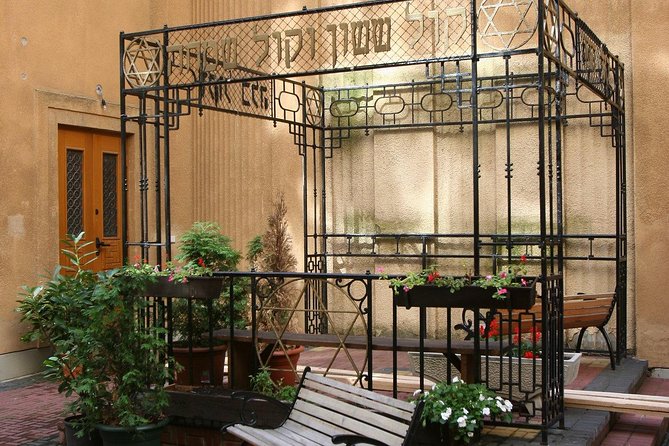
The tour runs about 3 hours and starts at 10:00 am. It’s capped at 15 travelers, which keeps the vibe from turning into a hurried herd.
It’s also near public transportation, which matters if you’re pairing it with other Budapest sights later. The tour ends in a different location, so I’d map out your next move in advance. If you’re taking the subway or tram after, look at the end point when you plan your afternoon.
Finally, you’ll receive a confirmation at booking and the tour uses a mobile ticket. That’s convenient, especially when you’re juggling multiple reservations in one day.
Who Should Book This Tour (and Who Might Prefer Something Else)
This is ideal if you want your Budapest time to include more than landmarks. You should book it if you:
- want a structured introduction to Jewish heritage in Budapest
- care about memorial sites connected to real rescue and suffering in WWII
- like learning through a mix of building entry, museum objects, and neighborhood walking
You might think twice if you:
- hate museum time or long indoor listening
- need the majority of the experience to be outdoors walking
- prefer a lighter tone with less reflection
That said, even if you’re not a history buff, the synagogue visuals and the guided interpretation can make it feel concrete, not academic.
Should You Book This Budapest Jewish Heritage Memorial Walk?
Yes, if you want a high-impact, well-paced introduction to Budapest’s Jewish heritage in about half a day. The value is strongest when you consider the ticketed entries, the guided museum component, and the way the route connects synagogue life, museum context, and WWII memory sites into one coherent experience.
If you only have time for one guided heritage hit, I’d lean toward the Essential route for speed and focus. If you can handle a longer morning and want more synagogues plus extra memorial stops, go Grand and pair it with the kosher dessert or Carmel discount for a plan that carries the theme into evening.
FAQ
How long is the Budapest Jewish Heritage Memorial Walking Tour?
The tour is about 3 hours.
Where does the tour start?
It starts at Dohány Street Synagogue, Dohány u. 2, 1074 Hungary.
What time does it begin?
The start time listed is 10:00 am.
Is the tour in English?
Yes, the tour is offered in English.
Does the price include synagogue and museum entry?
Yes. Great/Central Synagogue entry is included, and the Jewish Museum and related admission is included as part of the tour. For the Grand tour option, Kazinczy Street Synagogue entry is included too.
How big are the groups?
The maximum group size is 15 travelers.
Can I cancel for a full refund?
Yes. It offers free cancellation, and you can cancel up to 24 hours in advance for a full refund.
Is there hotel pickup?
No, hotel pickup and drop-off are not included.