REVIEW · GOA
Campal Heritage Walk by Make It Happen
Book on Viator →Operated by Make It Happen · Bookable on Viator
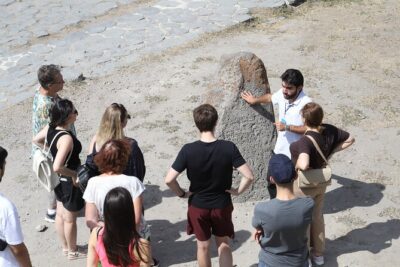
Campal’s streets quietly tell Goa’s story. This 2-hour Campal Heritage Walk by Make It Happen moves from Kala Academy into the everyday lanes of Campal, with stops that connect architecture, community life, and views along the Mandovi River. It’s a small-group walk (up to 30 people) that uses a central meeting point, plus a mobile ticket, to keep things easy.
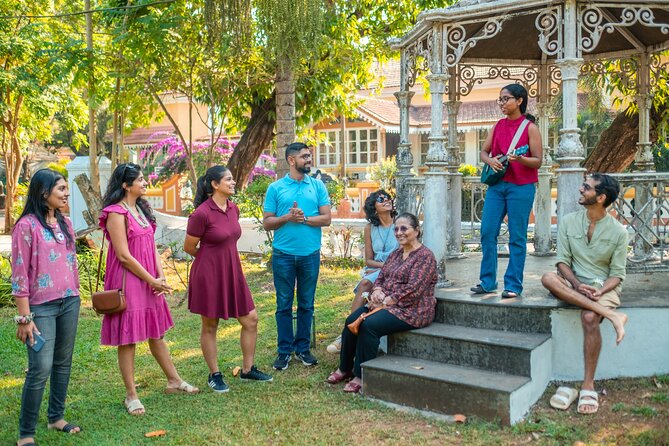
I especially like two parts: first, how the walk is designed around meeting residents and seeing how people live, not just snapping photos. Second, you get a built-in refreshment break with soda/pop, and in practice that can come with live music moments that feel very local rather than staged.
One thing to consider: the tour needs good weather, and at Kala Academy the admission ticket is not included (the visit is about 20 minutes). If you’re hoping for a full indoor museum-style experience, this is more of a calm, on-the-ground neighborhood walk.
In This Review
- Campal Heritage Walk key takeaways
- Where Campal feels different from the usual Panaji
- Meeting at Kala Academy: Charles Correa’s connection
- The Campal walk itself: grid streets, ornamental railings, and home details
- Mandovi River edges and St Inez creek: what modernization changes
- Refreshments with soda/pop: the break that keeps the pace human
- Live storytelling matters: guides that shape the walk
- Price and value: a $12.31 walk that punches above its weight
- Timing, pace, and what you should wear
- Who should book this Campal walk (and who might want something else)
- Final call: should you book Campal Heritage Walk?
- FAQ
- How long is the Campal Heritage Walk?
- Where does the tour start?
- What’s included in the ticket price?
- Is admission to Kala Academy included?
- What time does the tour begin?
- How big is the group?
- Is private transportation included?
- Is cancellation free, and does weather affect it?
Campal Heritage Walk key takeaways
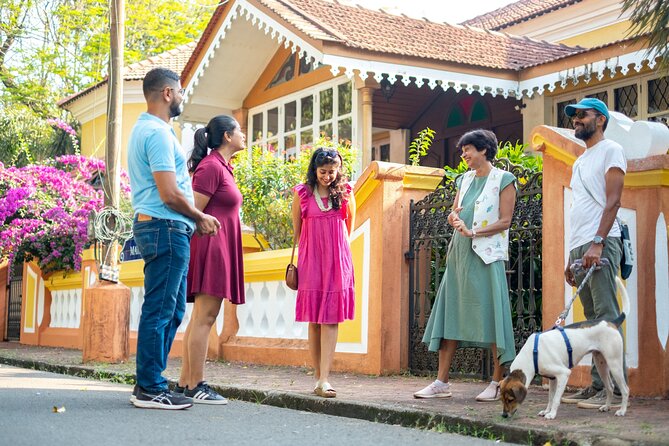
- Small group size (max 30) means the guide can keep the pace friendly and interactive.
- Kala Academy first stop sets the historical tone right away, and it’s tied to Charles Correa’s design.
- Residential Campal layout (grid pattern, self-sufficient houses) helps you understand why this area feels different from other parts of Panaji.
- River edges show up in the conversation, including the Mandovi River and the St Inez creek joining it.
- Soda/pop refreshment is included, and there’s often music as part of the experience.
- You’re walking a “planned” neighborhood, so it’s easier to navigate and enjoy without feeling lost.
Where Campal feels different from the usual Panaji
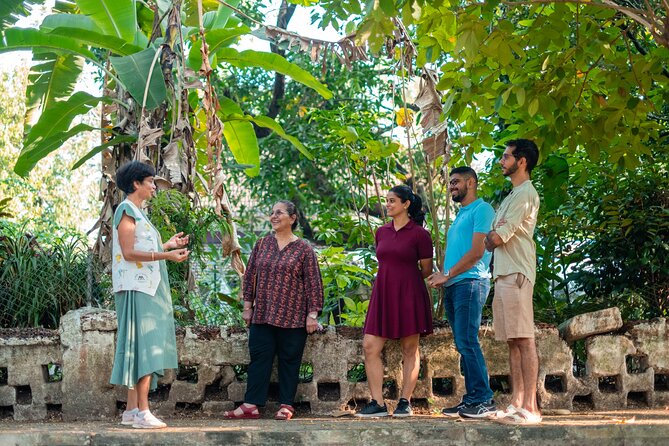
If you’ve only seen Panaji from the main tourist strips, Campal can feel like a side door into real life. This is one of Panaji’s most distinctive residential quarters, known for riverfront gardens, standout buildings, and a strong community spirit. The big win here is that the tour leans toward daily Goa—how neighbors share spaces, how homes sit within their plots, and how the neighborhood’s layout shapes life.
Campal is often described as a “planned” area, and you can actually feel that planning as you walk. The streets follow a grid-like pattern, and the homes are built to be self-sufficient for their needs. That detail matters for you because it makes the walk more than sightseeing. You’re seeing a neighborhood system that explains the feel of the place.
I also like that the views aren’t limited to one photo corner. The walk connects you to the Mandovi River area as part of the story, and that helps you understand why this district has always mattered—not just aesthetically, but socially and practically.
You can also read our reviews of more walking tours in Goa


Meeting at Kala Academy: Charles Correa’s connection
The tour starts at Kala Academy in Panaji (Kala Academy, Panaji, Goa 403001). It’s a prominent cultural center run by the Government of Goa, registered as a society, and it began in February 1970. One of the standout facts is that the building was designed by Charles Correa.
You’ll spend about 20 minutes here. Admission ticket is not included, so don’t assume the cultural center portion is fully covered. Still, as a starting point, Kala Academy works well: it gives you a clear entry into the area, and you get a “why it matters” frame before heading into the residential streets.
Practical tip: arrive a few minutes early and get your bearings. Since it’s near public transportation and uses a central meeting point, this is easy to do without stress. Once you’re standing at Kala Academy, you’ll quickly see how Campal’s story isn’t random—it’s anchored.
The Campal walk itself: grid streets, ornamental railings, and home details
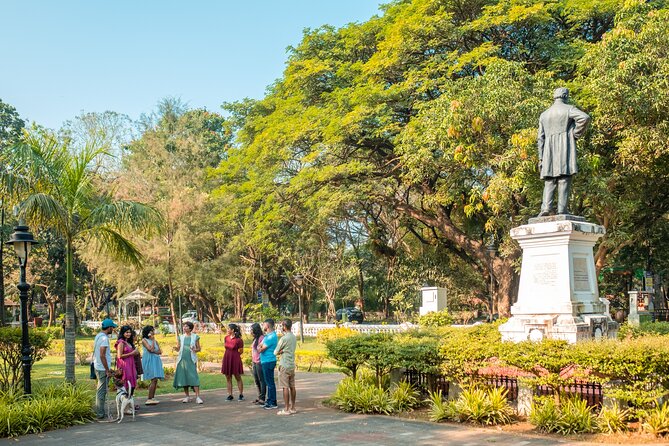
After Kala Academy, you move into Campal, where the walk shifts from building-and-origin stories to neighborhood texture. This is where Campal’s character shows up in small, repeatable details.
Here’s what you’re looking for as you go:
- Street pattern and planning: the grid iron layout makes the area feel structured and walkable.
- Homes that feel complete: the houses are described as self-sufficient in their needs and demands, meaning the compound spaces aren’t just decorative.
- Ornamental railings and carved stone elements: these details help you spot the craftsmanship embedded in everyday property.
- Distinct construction technology: you’re not just looking at one style; you’re learning how the area’s building methods give Campal its identity.
This matters for value. Many walking tours stop at broad descriptions. This one, in the way it’s presented, encourages you to pay attention to how people designed residential life—down to gates, compound boundaries, and road access.
You’ll also notice how residential Campal connects to the wider water system. The route stays grounded in real neighborhood geography rather than turning into a drive-by.
Mandovi River edges and St Inez creek: what modernization changes
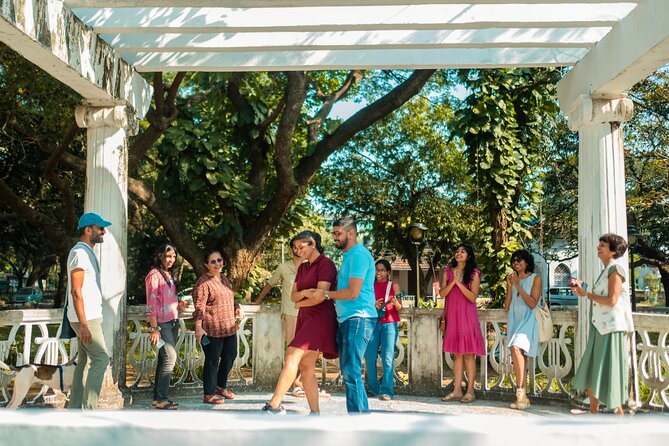
One of the most interesting parts of the tour is how the river shows up in the explanation of Campal. This neighborhood has the St Inez creek joining the Mandovi River in the area. That geographic fact becomes more than a line on a map when your guide connects it to changes over time.
The walk points out problems created by modernization and economic growth. The key is the framing: you’re not hearing a doom-and-gloom lecture. You’re being shown how development pressure can affect waterways, neighborhood character, and day-to-day life around river-linked areas.
I like this because it turns the Mandovi River view from a postcard moment into a real-world issue. You come away with better context for why Panaji’s water edges keep showing up in culture, planning, and daily routines.
Refreshments with soda/pop: the break that keeps the pace human
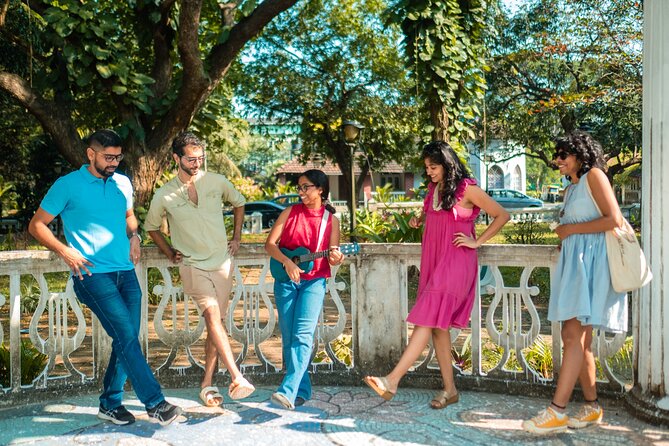
This tour includes a refreshing stop with soda/pop. That detail sounds small, but it’s a big quality-of-life thing on a walking experience. After an hour of street-level attention, you want a reset—something cold, simple, and local enough to keep you in the moment.
In practice, the refreshment break often includes a heritage-style setting and a chance to hear live music from local performers during the tour. For example, I’ve seen mentions of live music experiences linked to guides like Trancy and Rachana, including performances by Goan musician Maxie Miranda. If live music is part of your specific departure, it’s a genuinely memorable way to add culture without turning the walk into a formal show.
Even if the music moment doesn’t happen in the exact way you expect, you’ll still get the point: the tour builds in pauses where conversation can happen and where you can breathe.
You can also read our reviews of more historical tours in Goa






Live storytelling matters: guides that shape the walk
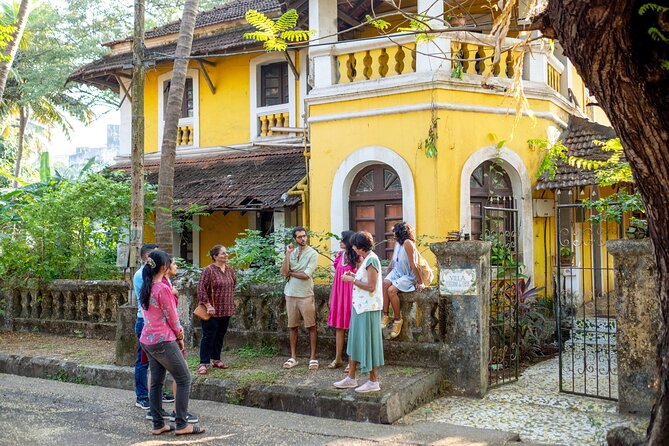
The Campal Heritage Walk is guided, and the guides strongly influence the feel. Names that come up often in the experience include Trancy, Rachana, and Vimala, and you can tell from their style that they focus on clear storytelling and a genuine love for the neighborhood.
What you should watch for with your guide:
- Story clarity: you’ll want to understand why each street or building detail matters.
- Connection to everyday life: not just facts, but how people use spaces.
- Energy at breaks: the music and café moments work best when the guide keeps you oriented.
This is also why the tour doesn’t feel like a generic checklist. Campal’s architecture and planning details can be easy to miss if you’re just walking with no context. A good guide turns those details into something you can remember, like the way ornamental railings or the compound layout explain older ways of living.
Price and value: a $12.31 walk that punches above its weight
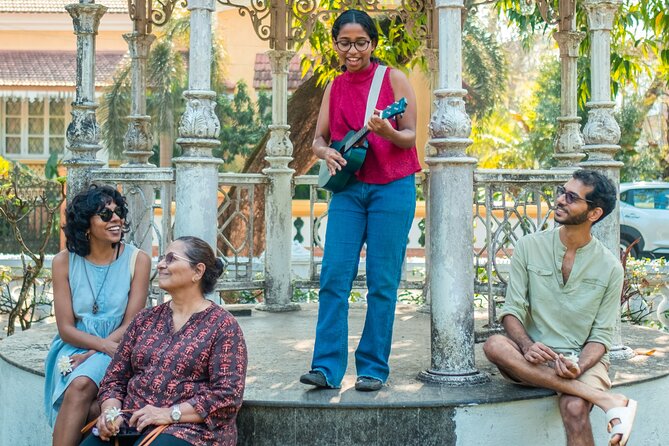
At $12.31 per person, this is one of those deals that makes you wonder why more tours don’t do it like this. The price isn’t only for “being led around.” You’re paying for:
- a curated neighborhood route in Campal,
- interaction with local community members,
- a included soda/pop refreshment break,
- and a structured cultural intro starting with Kala Academy.
You’ll also appreciate that the group size is capped at 30. For value, smaller groups often mean better interaction and a more personal pace—especially when the tour involves conversations with locals rather than just passing by.
The one cost consideration is the Kala Academy admission ticket isn’t included. Since the stop is about 20 minutes, it’s not a major financial hit, but it’s still something to know so you’re not surprised.
Timing, pace, and what you should wear
This walk runs about 2 hours and starts at 10:30 am. Since there’s a good chunk of street walking, comfortable shoes are non-negotiable. Campal’s lanes are residential and designed for walking, but it’s still a neighborhood route—your legs will do the work.
Also, the experience requires good weather. If the day is rainy or too hot, you’ll be happier with the right gear (sun protection and a light layer if needed). The tour is designed to be enjoyable outdoors, so weather has a real impact.
And since it ends back at the meeting point, you don’t need to track a complicated route at the end. It’s a loop-style day plan that fits nicely between other Panaji activities.
Who should book this Campal walk (and who might want something else)
This tour is a strong fit if you:
- want a calmer, residential look at Panaji instead of only major landmarks,
- like local storytelling tied to architecture and everyday routines,
- enjoy small breaks with something included (like soda/pop),
- and you’re happy walking for about 2 hours at a gentle neighborhood pace.
It may not be the best choice if you:
- want a fully indoor, museum-heavy itinerary,
- need a lot of big monument stops,
- or you’re traveling on a day where weather is unpredictable.
Final call: should you book Campal Heritage Walk?
I think you should book if your goal is to understand Campal as a living neighborhood—its grid planning, its residential compound culture, and how the Mandovi River edge shapes the area’s identity. The included soda/pop and the chance of music moments add comfort and color without making the tour feel over-produced.
It’s also a good “first Goa neighborhood walk” type of experience. It helps you connect the dots between cultural institutions like Kala Academy and the residential streets nearby.
If you do book, go in ready to look closely. Campal rewards attention: railings, road layouts, and the way homes sit within compounds. Do that, and you’ll come away with more than photos—you’ll have a clearer sense of how Panaji’s quieter side works.
FAQ
How long is the Campal Heritage Walk?
The walk lasts about 2 hours.
Where does the tour start?
The meeting point is Kala Academy, Panaji, Goa 403001, India.
What’s included in the ticket price?
The tour includes meeting and interaction with the local community and soda/pop as a refreshment.
Is admission to Kala Academy included?
No. The Kala Academy stop is about 20 minutes, and the admission ticket is not included.
What time does the tour begin?
It starts at 10:30 am.
How big is the group?
The maximum group size is 30 travelers.
Is private transportation included?
No. Private transportation is not included.
Is cancellation free, and does weather affect it?
Cancellation is free, and the experience requires good weather. If it’s canceled due to poor weather, you’ll be offered a different date or a full refund.