REVIEW · ROME
Celebrate Ancient Jubilee in Rome in the 4 Papal Basilicas
Book on Viator →Operated by Roman Vacations · Bookable on Viator
Four Holy Doors, one guided route. That is the charm here: you connect the Jubilee theme across St Peter’s, St Paul Outside the Walls, St John Lateran, and Santa Maria Maggiore without losing the thread.
I love how the tour is built for meaning, not just sight-seeing, with a guide who connects what you’re looking at to Catholic belief and Roman story. I also like the small-group format (up to 12), which keeps the day from feeling like an assembly line, especially when you have questions. For guides, the experience has a strong track record with people like Daniel and Paul leading the way.
One consideration: this is a walking-heavy route across multiple major basilicas, and it is not recommended for travelers with mobility difficulties. If you or someone in your group needs help moving, think carefully about the pace and ask for options early.
In This Review
- Key things to know before you go
- Why Rome’s 2025 Jubilee Holy Doors feel different on this route
- St. Peter’s Basilica: Pietà, relics, and the tomb under the High Altar
- St. Paul Outside the Walls: chains, house arrest, and a recovered sarcophagus
- Archbasilica di San Giovanni in Laterano: Rome’s cathedral and the heads of Peter and Paul
- Santa Maria Maggiore: golden interior, popes buried here, and Salus Populi Romani
- The walking-pilgrimage rhythm: pace, group size, and the value of a vehicle
- What the guide really does for you at each Holy Door stop
- Price and value: what you pay for, and what you should plan
- Practical tips to make your Jubilee day easier
- Should you book this Holy Door tour?
- FAQ
- What’s the duration of the Rome Jubilee tour?
- How much does it cost?
- Is the tour offered in English?
- How many people are in the group?
- Are basilica admission tickets included?
- Where does the tour start and end?
Key things to know before you go
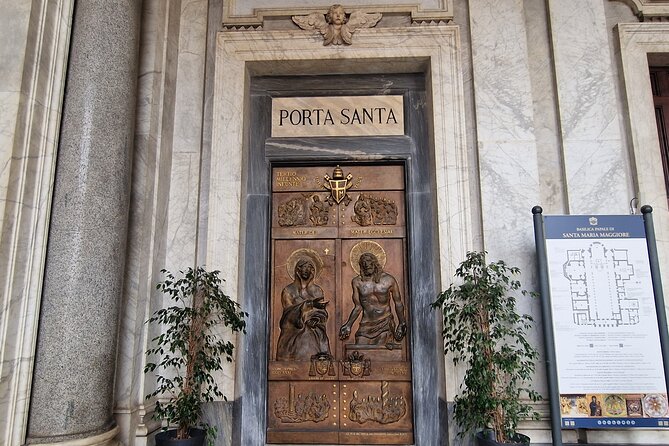
- All four Holy Doors connected to the 2025 Jubilee, so you do not have to hop around Rome on your own
- Up to 12 people, which makes it easier to keep your attention on the details that matter
- A guided stop-by-stop tour that highlights major relics and named treasures in each basilica
- Air-conditioned vehicle included, helping you conserve energy during the day
- Admission ticket free for the basilica visits listed on this route
- English-only experience with confirmation at booking time
Why Rome’s 2025 Jubilee Holy Doors feel different on this route
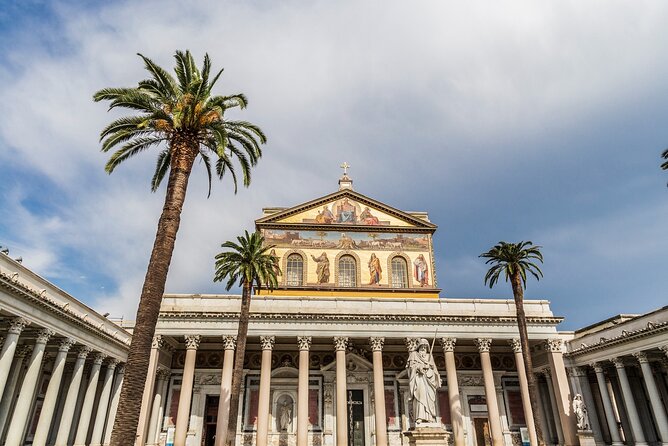
The Jubilee is not just about checking off famous churches. It is about moving through a ritual path where doors, altars, relics, and saints’ stories line up around one theme. This tour leans into that idea by keeping the focus on the four papal basilicas that matter most for the Holy Doors during the 2025 Jubilee.
What I like for you here is the pacing: the route is short enough to feel like a single pilgrimage day, but structured enough that you get clear context at each stop. Instead of drifting from monument to monument, you have a guide to help you notice the specific things that most people miss.
And because the group stays small, you get a better shot at slowing down for photos, questions, and that moment when a detail finally clicks.
You can also read our reviews of more tours and experiences in Rome.
St. Peter’s Basilica: Pietà, relics, and the tomb under the High Altar
St. Peter’s sets the tone. You begin at the Vatican area and enter a basilica that sits over the traditional location connected to St Peter’s body. Once inside, this is where the guide work matters most: you get a structured tour of the interior rather than wandering the world’s busiest church on your own.
The highlight is Michelangelo’s Pietà, a sculpture you can only truly appreciate once you know where to look and why people respond to it the way they do. The tour also points out relics and altars connected to major saints, with explanations that tie art and devotion together.
One more anchor: the visit includes the story of St Peter’s burial underneath the High Altar area. Even if you think you know St Peter already, that placement turns the basilica into something more personal than a postcard.
Practical note: St. Peter’s is huge and can feel overwhelming. Having a guide with a plan helps you keep moving with purpose instead of spending half the day trying to orient yourself.
St. Paul Outside the Walls: chains, house arrest, and a recovered sarcophagus
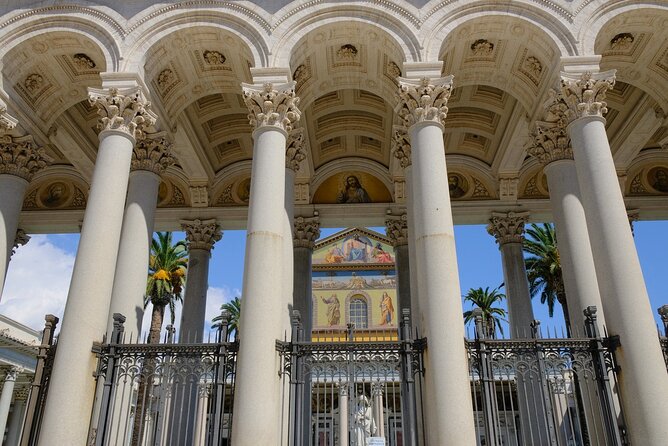
St. Paul outside the Walls is quieter in feel than St Peter’s, but it carries enormous weight. Here, the focus stays on St Paul as the Apostle of the Gentiles, and the tour leads you to the items that pilgrims come seeking.
You’ll see the chains associated with Paul’s incarceration and house arrest in Rome. That is not just a relic to pass by. With the guide’s commentary, it becomes a concrete way to connect the biblical story to a specific place in Rome.
Another meaningful moment is the viewing of Paul’s newly excavated sarcophagus. The word excavated matters here because it makes the site feel alive in time, not sealed off in the past. Then the tour continues through the broader ancient Theodosian basilica, so you leave with more than one highlight.
A small drawback to plan for: sites like this reward patience. If you rush, you will miss the feeling. This route is timed well for about an hour at the basilica, so keep your expectations realistic and use that time for quality looking.
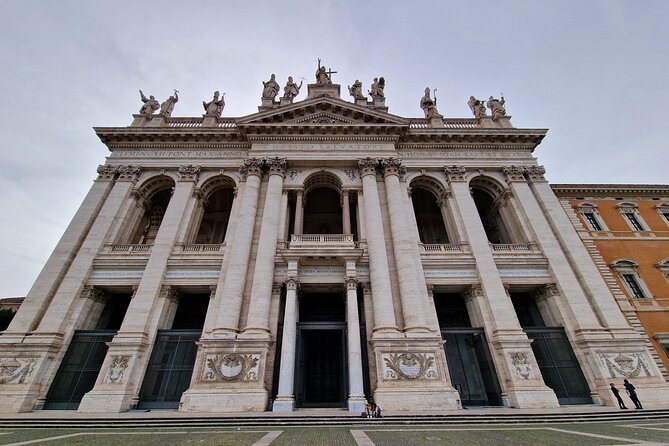
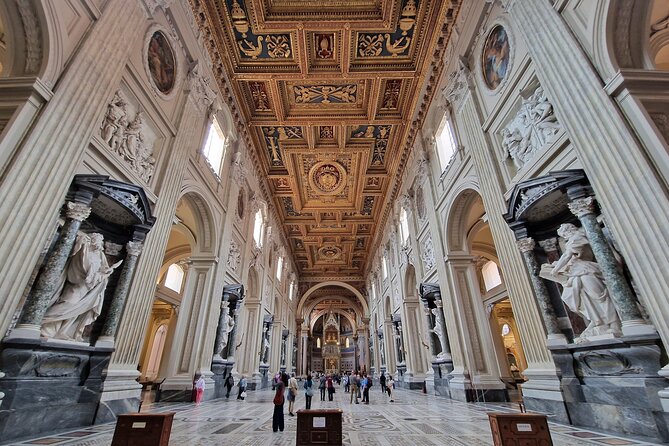
Archbasilica di San Giovanni in Laterano: Rome’s cathedral and the heads of Peter and Paul
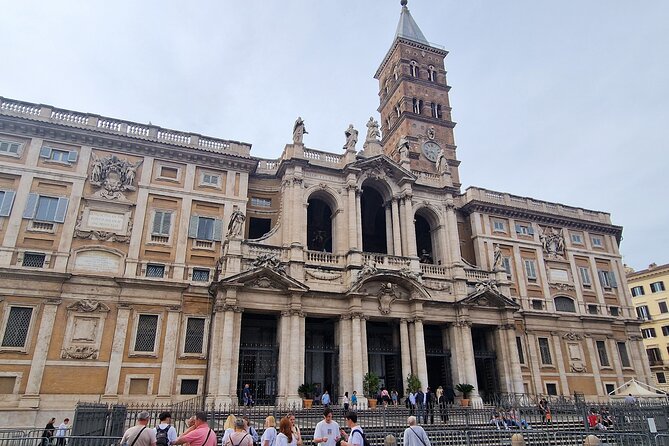
If you want the one basilica stop that feels like a “center,” it’s St John Lateran. It is the cathedral of Rome, and it comes with a different kind of significance than the Vatican sites.
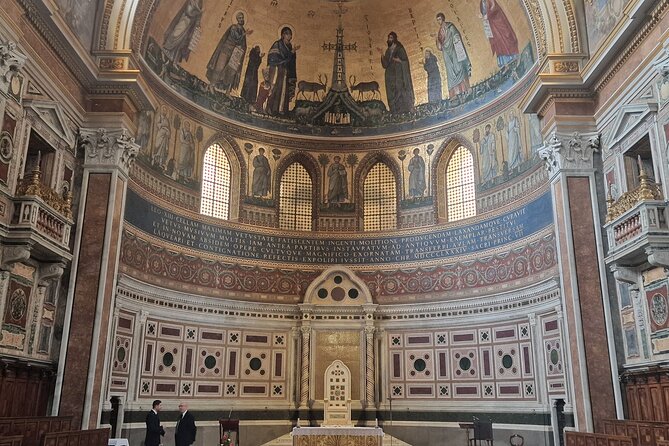
Inside, the tour highlights the story of the basilica and includes discussion of the ancient mosaics, which are the kind of detail you can overlook if you are focused only on the big spaces. The guide helps you read the surfaces—what they depict and why they earned their place in the building’s long life.
You also stand before the heads of Saints Peter and Paul, brought into the basilica in the year 1300 and placed above the altar. That is a powerful anchor for anyone who comes to the Jubilee for spiritual meaning, because the tour connects the relic to the history of the basilica itself.
One thing to consider: Lateran can be less intuitive to navigate than the Vatican. So lean on the guide’s order. It keeps you from getting lost in a beautiful-but-big interior.
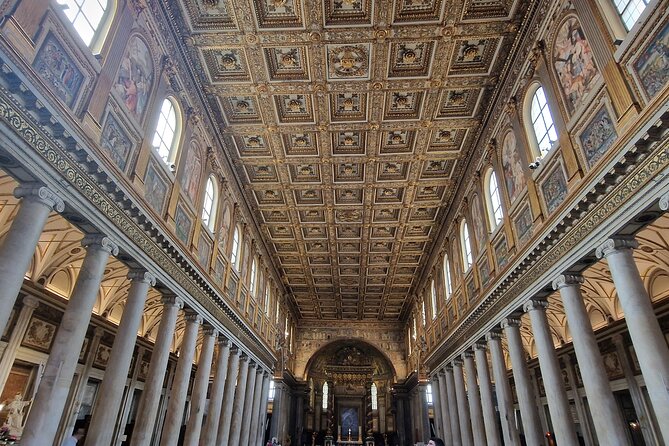
Santa Maria Maggiore: golden interior, popes buried here, and Salus Populi Romani
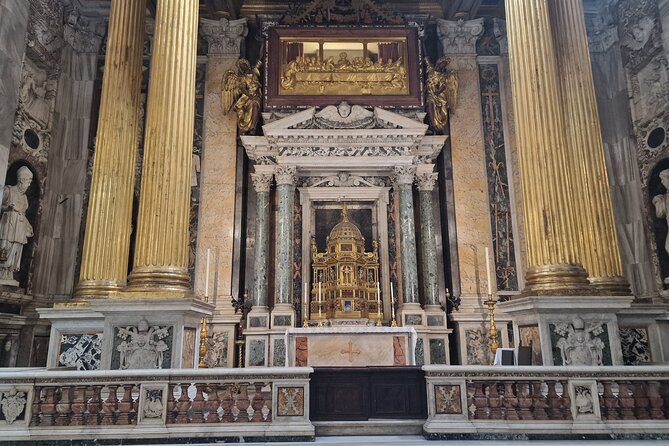
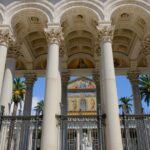
Santa Maria Maggiore is where the day turns toward wonder and devotion in equal measure. This basilica is dedicated to Mary and has a special place among Rome’s major Marian churches, and the tour helps you understand why people keep returning to it.
You’ll tour the golden interior and get explanations about notable features, including different popes buried in the basilica. It is a reminder that basilicas are not museums only. They are places where the Church’s story stays tied to real people.
The route also includes relics connected to the crib of the nativity of Christ, and it points out the miraculous icon of Salus Populi Romani. That name alone tells you this icon has long been associated with Rome and the spiritual life of the city.
For many people, this stop is the easiest to remember later because it is so visual. The gold, the icons, the stories tied to them—everything stays vivid when the day ends.
Tip from my seat: plan to spend a few extra minutes here for quiet looking, not just fast sightseeing. The guide timing gives you about an hour, so decide early what you want to see up close.
The walking-pilgrimage rhythm: pace, group size, and the value of a vehicle
This experience is structured as a walk-through pilgrimage day across multiple basilicas, so expect your calves to be involved. The upside of the short overall duration (about five hours) is that you are not trapped in Rome for a full day of museum fatigue.
The vehicle helps. You have air-conditioned transport included, which matters on hot days or if your group moves slowly. It also means you can focus your energy on the church interiors rather than spending it on getting from one major site to the next.
The group limit of 12 people makes a visible difference. It is easier to hear the guide, easier to ask questions, and easier for the group to move at a pace that feels human. In practice, that is what keeps the day from turning into a rushed sprint.
One planning detail: this is not recommended for mobility difficulties. If that applies to you, do not assume you can just tough it out. Ask directly about options before booking.
What the guide really does for you at each Holy Door stop
With a Jubilee Holy Door route, the guide is the difference between a checklist and a meaningful experience.
For example, a guide like Daniel or Paul tends to connect art, relics, and Catholic tradition in a way that works for non-specialists. That matters because many basilica tours sound impressive but end up lecturing. Here, you get explanations you can actually carry with you as you look.
You also have time for questions and slower moments for photos and shopping moments. That flexibility is important because basilicas are not just about information. They are emotional places. If you can linger when you need to, the whole experience lands better.
Another advantage of a small group: the guide can adjust how much time you spend on certain topics. If you care more about Jubilee symbolism or more about specific saints and their objects, you have a better chance of getting a tour that matches your interests rather than a single fixed script.
Price and value: what you pay for, and what you should plan
At $300.38 per person for about five hours, this is not a budget “walk and read signs” kind of tour. You are paying for three things you feel immediately:
- Guided interpretation across four major basilicas, including specific highlights like St Paul’s chains and Michelangelo’s Pietà
- Small group management (maximum 12), which keeps the day smooth enough to stay engaged
- Transport support with an air-conditioned vehicle
Admission fees for the basilica entries listed are shown as ticket free in the tour details, so you are not usually adding extra museum-type entry costs on top. Food and drink are not included, so you will need to build your own plan for a meal before or after the tour.
Is it worth it? If you want the Holy Doors theme handled in one coherent route, with a guide who can answer questions and point you to named treasures, yes. If you only want quick photos and you are perfectly happy reading plaques on your own, you might find a self-guided approach cheaper. But the value here is the way the day connects.
Practical tips to make your Jubilee day easier
I’d plan your day around three practical realities: crowds, timing, and energy.
First, basilicas during Jubilee moments can attract extra foot traffic. A guided route helps you stay oriented and focused rather than spending time figuring out where to go next.
Second, this ends at Piazza di Santa Maria Maggiore, in the piazza in front of the church. Plan your next stop nearby, or build in time to get your bearings before heading elsewhere.
Third, pack for comfort. This route is about walking between major sites and then standing inside big interiors where you will likely linger. Bring water (even though food and drink are not included), and wear shoes you trust.
And if Holy Door access is central to your expectations, keep your mind open. The point of the day is seeing all four Holy Doors tied to the 2025 Jubilee and walking through them as part of a guided flow.
Should you book this Holy Door tour?
Book it if you want:
- All four Holy Doors in one structured day, tied together by context
- A guide-led visit that points out relics and key art instead of leaving you to guess what matters
- A small group format that makes questions and pacing realistic
- English guidance, with a strong track record of guides such as Daniel and Paul leading the experience
Skip it or reconsider if:
- You or someone in your group struggles with long distances and lots of walking, since the tour is not recommended for mobility difficulties
- You prefer a fully DIY approach and would rather spend less on interpretation
If your goal is to feel the Jubilee theme across Rome’s most important basilicas, this is one of the cleaner ways to do it without turning the day into a logistics puzzle.
FAQ
What’s the duration of the Rome Jubilee tour?
The tour runs for about 5 hours.
How much does it cost?
The price is $300.38 per person.
Is the tour offered in English?
Yes, the experience is offered in English.
How many people are in the group?
The group size has a maximum of 12.
Are basilica admission tickets included?
The tour details list admission ticket free for the basilica visits included on the route.
Where does the tour start and end?
It starts at Fontana di Piazza Giovanni XXIII, Lungotevere Vaticano, 00193 Roma RM, Italy and ends at P.za di Santa Maria Maggiore, 00100 Roma RM, Italy, in front of the church.