REVIEW · ROME
Unveil Rome : Crypts, Underground Aqueducts and Iconic Monuments
Book on Viator →Operated by Underground Rome · Bookable on Viator
Rome gets strange underground. This 3-hour walk mixes underground Rome with the city’s top icons, from the Capuchin crypt to Trevi Fountain. I especially like the Capuchin Friars’ crypt—bone chandeliers and a story that makes you rethink what people leave behind. I also like seeing the Virgin Aqueduct where it still matters for Trevi Fountain, because it connects a postcard sight to the real plumbing under the street.
Keep expectations realistic. The underground aqueduct portion isn’t in a cavern you’ve seen in movies; it’s reached by going below a luxury shopping mall, so the vibe is more practical and urban than spooky. It’s also a tight schedule (about 20 minutes at several monuments), so if you’re already worn out from a long day of sightseeing, pace yourself.
The upside: small group energy. This tour caps at 10 travelers, runs in English, and uses a mobile ticket, so you spend less time fussing and more time looking. In the reviews, guides like Giuseppe and Riccardo come up for being engaging and patient—helpful if you move slower than the average tourist.
In This Review
- Key highlights at a glance
- Rome Below Street Level: What This Tour Really Delivers
- Capuchin Crypt Museum: Bone Chandeliers and the Lesson You Didn’t Expect
- Acquedotto Vergine Underground: Water Still Reaching Trevi
- Trevi Fountain in 20 Minutes: What to Watch For
- Pantheon Outside: The Bronze Door and the Dome’s Original Impact
- Piazza Navona and Bernini’s Four Rivers: Meaning Beneath the Stone
- Price and Logistics: Is $166.80 Good Value for 3 Hours?
- When to Go: 4:30 pm, Weather Dependence, and Timing
- Guides and Group Size: What Makes the Experience Click
- Who This Underground Rome Tour Suits Best
- Small Planning Tips That Make a Big Difference
- Should You Book Unveil Rome: Crypts, Underground Aqueducts, and Iconic Monuments?
- FAQ
- How long is the tour?
- What’s the starting point and where do we end?
- What time does it start?
- Is the tour offered in English?
- What admission is included?
- What’s the maximum group size?
- Does the tour run in any weather?
- Do I need to bring a printed ticket?
- Can I cancel for a full refund?
Key highlights at a glance
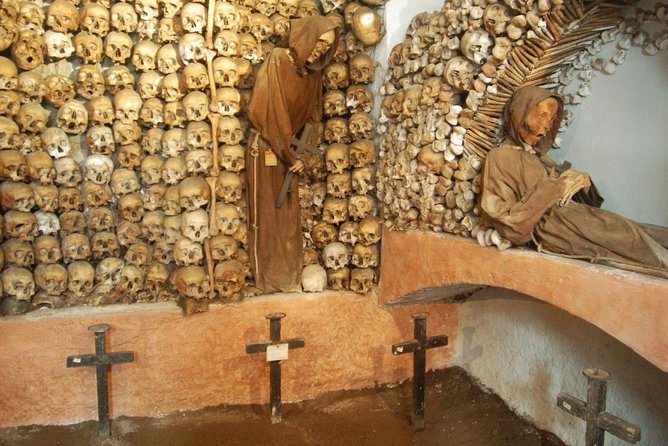
- Capuchin Crypt: museum setting with eerie, memorable bone artistry and a meaningful explanation
- Virgin Aqueduct access: water-carrying history from underground, reached via a mall area
- Trevi Fountain photo time: quick, focused moments at the most famous fountain in Rome
- Pantheon from the outside: see why the dome and bronze door are still big deals
- Piazza Navona + Four Rivers: Bernini’s fountain plus what you might miss at street level
- Small group (max 10): more back-and-forth with the guide
Rome Below Street Level: What This Tour Really Delivers
This isn’t the kind of Rome tour where you just hop between famous stops and speed past the explanation. What you get instead is a smart mix: a truly unusual underground cemetery, then a functioning ancient water system beneath modern construction, and only after that do you surface at Rome’s headline monuments.
The pacing is built for variety. You spend the bulk of the time where most visitors never go—under the city—then you get short visits at Trevi Fountain, the Pantheon (outside), and Piazza Navona. If you like Rome best when it’s part history lesson and part “wait, what is that?” moment, this format works.
One practical note: you start at 4:30 pm, which is often a good time to see the highlights as the heat eases. Still, you’ll be moving through indoor and outdoor spaces, so wear shoes you’re comfortable with for uneven streets and steps. In one review, walking stamina came up as a real factor (in a funny way), so plan for a decent amount of foot travel.
You can also read our reviews of more tours and experiences in Rome.
Capuchin Crypt Museum: Bone Chandeliers and the Lesson You Didn’t Expect
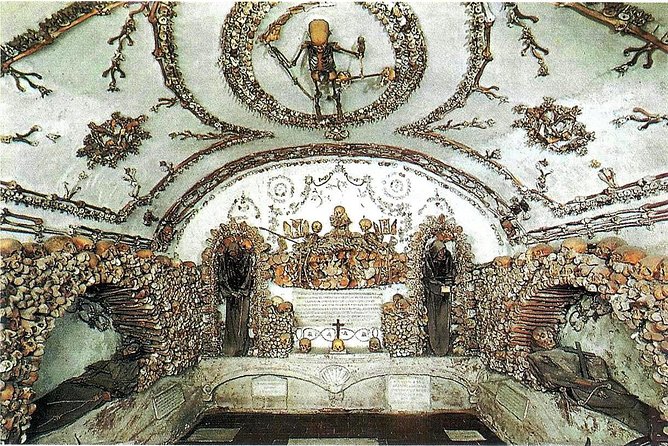
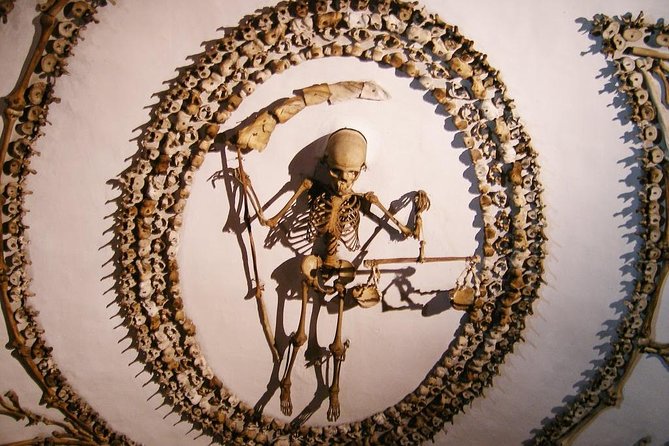
Your first stop is the Museum and Crypt of the Capuchin Friars, visited for about 40 minutes with admission included. This place is famous for its striking use of human remains: the Capuchin Friars made an artistic and devotional display out of bones, including chandeliers and furniture made from remains. The guide frames it around their beliefs—specifically, the idea that the physical body doesn’t matter as much as the spiritual side of a person.
What I like about doing this first is simple: it sets the tone. The rest of Rome can feel loud and shiny after you’ve just seen something that’s both unsettling and carefully explained. The museum setting also means it’s not just a dark room and a quick glance—you get time to process what you’re seeing.
A possible downside: if you’re sensitive about cemeteries or human remains, this is the stop most likely to hit you emotionally. The tour is still respectful, but you can’t really “opt out” emotionally at this location. If that kind of site is hard for you, you may want to skip or at least go in with your expectations clear.
Acquedotto Vergine Underground: Water Still Reaching Trevi
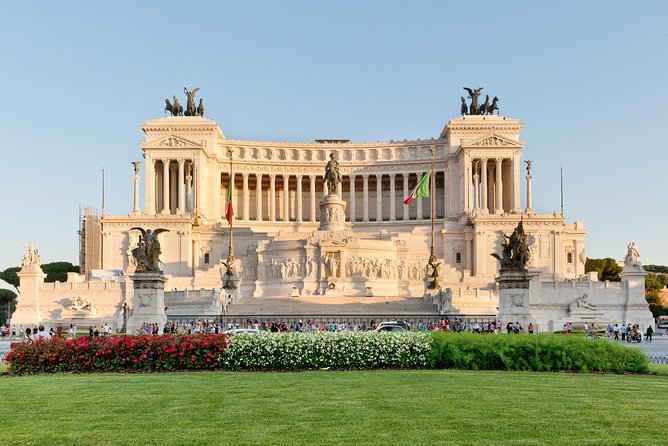
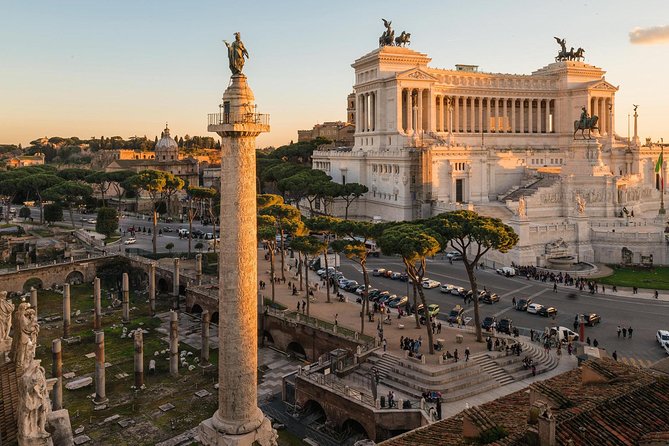
Next comes the Acquedotto Vergine, the Virgin Aqueduct, built in 19 BC. This is one of those Rome stories that sounds like trivia until you connect it to something you actually see above ground: the aqueduct still carries water to Trevi Fountain.
The cool part is how you reach it. You’ll go underground with the guide into the “bowels” of a luxury shopping mall to find the hidden section of the aqueduct. That detail matters because it changes the feel. You’re not wandering in a damp, abandoned tunnel—you’re entering a maintained, modern-access space where ancient engineering is literally tucked under contemporary life.
Time is short here (about 20 minutes), so you’ll want to pay attention to what the guide points out—especially the idea of continuity. Rome isn’t only old; it’s still working in places. Seeing the aqueduct in this setting is a great reminder that the city’s layers aren’t museum-only. Some of them still function.
Trevi Fountain in 20 Minutes: What to Watch For
Then you’re back above ground for Trevi Fountain, one of the world’s best-known scenes for a reason. Your time here is about 20 minutes, which is enough for an iconic photo and for hearing the oddball details that make Trevi feel alive rather than staged.
Here’s how I’d approach your time: don’t just aim for the perfect picture and move on. Listen for the “bizarre events” your guide mentions, because those stories are what turn a crowded monument into a moment you remember later. Trevi has a personality—and a guide can help you notice it.
Also, because the tour schedule is tight, you’re unlikely to linger for long conversations with street performers or for long detours off the main sight line. That’s good if you want value and structure. It’s less ideal if you love slow wandering. If you’re the slow-wander type, plan to return after the tour on your own with extra time.
Pantheon Outside: The Bronze Door and the Dome’s Original Impact
The Pantheon stop is from the outside, about 20 minutes. That’s deliberate: you’re meant to see it as a landmark you can recognize instantly, then leave with a clearer sense of why it survived and why it still impresses.
The guide points out two standout pieces of what makes this building so iconic: the dome (described as original in construction dating back to 27 BC) and the bronze door, also described as Roman times. Even without stepping inside, those details help you understand that this isn’t just “old.” It’s old engineering that held up.
One more thing the tour does well: it gives history you usually don’t hear while people are standing in the square taking photos. You get stories about events connected to the site—stuff that even Romans may not know well, according to how the tour is framed. That’s a big part of why the Pantheon stop isn’t just scenic.
This is also a good reset point after the heavier tone of the crypt. You can look up, get your bearings, and shift your brain from “why would anyone do this?” to “how did they build that and keep it working?”

Piazza Navona and Bernini’s Four Rivers: Meaning Beneath the Stone
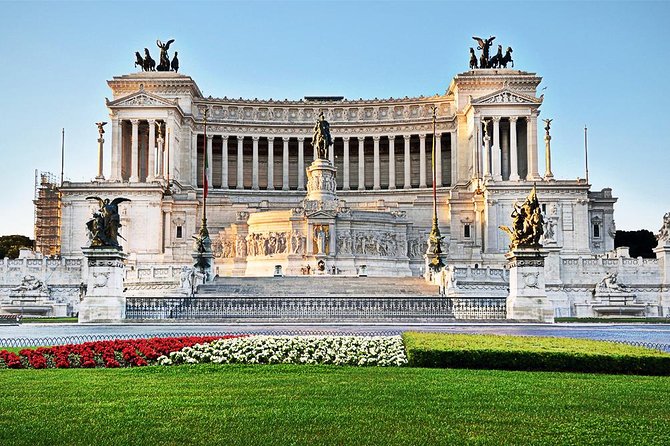
The final monument stop is Piazza Navona, timed at about 20 minutes. This square has a long-standing rivalry in Rome about which sight is better—Piazza Navona or the Spanish Steps—but either way, it’s famous for a reason: it feels like a live set even in daylight.
Your guide highlights Bernini’s Fountain of the Four Rivers, a legendary piece tied to the 17th century. The tour also explains hidden meanings people tend to miss when they’re only focused on taking in the art from one angle. That’s especially helpful because the fountain is surrounded by other visual distractions, and it’s easy to miss symbolism if you’re just scanning the whole square.
Then there’s the extra layer: what’s hidden under Piazza Navona since ancient times. You don’t get to excavate it yourself on this tour, but the guide gives you a sense that the square sits on older realities. That ties back nicely to the underground theme of the day—you’re already thinking vertically (above and below), so the “under the under” stories land better.
Practical tip: since this is the last stop and it’s outdoors, treat it as your chance to relax your feet a bit. If you’re still energized, keep your camera ready; this is one of the prettiest places in Rome for late-afternoon light.
Price and Logistics: Is $166.80 Good Value for 3 Hours?
At $166.80 per person for about 3 hours, the value comes from what’s actually included and what you’re gaining access to.
First, admission is included at the Capuchin crypt. Second, the aqueduct portion includes entry (admission ticket free for that stop). The Trevi Fountain, Pantheon (outside), and Piazza Navona stops are not ticketed on this tour format, which helps keep your total cost from ballooning with separate entrances.
Now the “why does that matter?” part: tours at Rome icons can end up being mostly time spent standing in crowds with minimal interpretation. Here, you trade some time at fewer sights for a bigger return on the underground access and the explanations behind each location. And because the group is capped at 10 travelers, you usually get better interaction than you’d get with bigger buses and faster-moving lines.
There’s also a smart operational detail: it’s a mobile ticket, so you’re not hunting for paper tickets on a phone battery already stressed by maps and photos.
If you’re someone who likes to feel like Rome has a secret side, this pricing often feels fair. If you only care about quick monument sightseeing and don’t want any heavier or unusual material, you might prefer a more straightforward highlights route.
When to Go: 4:30 pm, Weather Dependence, and Timing
Your start time is 4:30 pm, and the tour depends on good weather. That’s important because you’re partly outdoors—especially at Trevi Fountain, the Pantheon outside, and Piazza Navona.
If the weather is questionable, you should be ready for a change of date or a refund offer. In practical terms, build this into your planning so you’re not stuck with a cancelled tour on a day you can’t rearrange.
Timing-wise, you’ll move at a pace that keeps the day flowing: about 20 minutes at Trevi, about 20 at the Pantheon, and about 20 at Piazza Navona, with the crypt being the big time investment (about 40 minutes). If you want long hangs at each stop, this isn’t that kind of tour. If you want a well-shaped route that gets you from underground oddities to iconic landmarks without wasting time, it fits.
Guides and Group Size: What Makes the Experience Click
The strongest theme in the feedback is the guides. Giuseppe comes up as both knowledgeable and entertaining, and the crypt-and-aqueduct combo is the sort of thing that benefits from someone who can explain it clearly. Another guide mentioned in the reviews is Riccardo, praised for making history feel clear and for tailoring pacing—especially for someone walking slower.
That matters because the tour includes indoor portions and walking between points. A small group (up to 10) gives the guide a real chance to keep things moving without leaving people behind. Also, one review noted the tour felt a bit long if you’d already done a long sightseeing stretch right before. That’s not a critique of the tour so much as a reminder: don’t schedule it immediately after a grueling marathon unless you’re used to it.
If you’re traveling with someone who gets tired easily, plan for shoes with traction and give yourself time to breathe during the stops. The tour doesn’t linger, so your comfort depends on how ready your body is to keep going.
Who This Underground Rome Tour Suits Best
This tour is a good match if you want a Rome mix that’s not just the postcard circuit.
You’ll likely love it if:
- you enjoy history that connects to present-day life (hello, aqueduct water feeding Trevi)
- you’re curious about the city under the city
- you like guided context, not just wandering
It might be less satisfying if:
- you prefer large icons with long free time at each one
- human remains displays are a hard stop for you
- you’re trying to do it as your only activity after a day of heavy walking
Also, the tour says most travelers can participate, which is a helpful signal. Still, treat it as a walk that includes underground parts, steps, and tight time windows.
Small Planning Tips That Make a Big Difference
A few practical things will make your experience smoother:
- Wear walking shoes. The tour involves getting from place to place, plus underground areas and stairways you may encounter.
- Bring a light layer if you run warm. Underground spaces and indoor museum areas can feel cooler than the street.
- Keep an eye on the meeting point area and arrive a bit early. One issue in the feedback involved a guide mix-up, and while it was resolved with an immediate refund, it’s still the last thing you want on a short Rome trip.
- If you’re doing this at the start of your trip, you’ll get your bearings fast. If it’s at the end, you might feel a bit rushed unless your feet are ready.
This is a “smart route” tour. The more you show up prepared, the more it pays off.
Should You Book Unveil Rome: Crypts, Underground Aqueducts, and Iconic Monuments?
I’d book it if you like Rome with layers—actual physical layers you can stand in. The Capuchin crypt gives you a powerful, unusual start, and the Virgin Aqueduct stop connects ancient engineering to a modern icon you’ll recognize immediately. Then you still get your major surface sights—Trevi, Pantheon outside, and Piazza Navona—without wasting a whole day.
I’d skip (or at least think twice) if human remains displays will be difficult for you or if you need long free time at monuments rather than guided, timed stops.
If you have a good-weather window and you’re up for a mix of underground weirdness and famous landmarks, this tour is an efficient way to see Rome as more than a set of photos.
FAQ
How long is the tour?
It lasts about 3 hours.
What’s the starting point and where do we end?
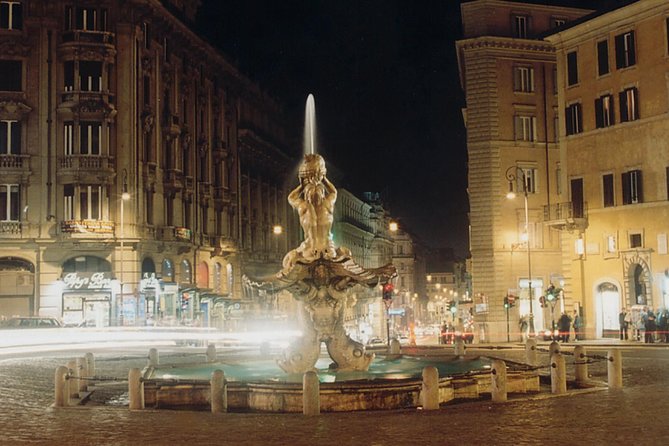
It starts at Fontana del Tritone, Piazza Barberini, 00187 Rome (near the starting area by the Tritone fountain) and ends at Piazza delle Cinque Lune, 105, 00186 Rome, near the stadium of Domitian.
What time does it start?
The start time listed is 4:30 pm.
Is the tour offered in English?
Yes, it’s offered in English.
What admission is included?
Admission to the Museum and Crypt of Capuchins Friars is included. The aqueduct stop (Acquedotto Vergine) is ticketed free on this tour. Trevi Fountain, Pantheon (outside), and Piazza Navona stops are free.
What’s the maximum group size?
The tour has a maximum of 10 travelers.
Does the tour run in any weather?
It requires good weather. If it’s canceled due to poor weather, you’ll be offered a different date or a full refund.
Do I need to bring a printed ticket?
No. The tour uses a mobile ticket.
Can I cancel for a full refund?
Yes. Free cancellation is available, and you can cancel up to 24 hours in advance for a full refund.