REVIEW · LISBON
Lisbon: African History and Heritage Walking Tour
Book on GetYourGuide →Operated by Autêntica - Travel Experience · Bookable on GetYourGuide
Lisbon has an African backbone. On this 3.5-hour walk, you follow African heritage across Alfama and central Baixa, from Moorish beginnings to Lisbon’s early role in the transatlantic slave route. The route is set up to make you connect what you see in stone and street names to what happened to people.
I love the tour’s historical honesty about power and inequality, using specific places like Chafariz D’El Rei and Campo das Cebolas to show how class and arrival worked. I also like the way the guides keep it human and answer questions clearly; names like Jose, Al, Alcides, and Alfie come up in real guide feedback, and the format lets you learn at your pace rather than rushing past stops.
One possible drawback: this is a walking tour in a hilly city, and it’s not suitable for people with mobility impairments. Wear comfortable shoes and be ready for uphill sections.
In This Review
- Quick hits before you go
- Why Lisbon’s African Heritage Walk feels different
- Getting oriented: A Padaria Portuguesa and the pace of 3.5 hours
- Alfama: starting with Moors and the North African roots
- Chafariz D’El Rei: class written into a public fountain
- Campo das Cebolas and the old port: where slavery reached Europe
- Praça do Comércio and Baixa after 1755: power, rebuilding, and trade
- Rua Cor de Rosa: African women and Lisbon’s everyday economy
- Rossio station and Manueline style: 19th-century symbolism and colonial thinking
- Church of S. Domingos: Catholic integration and African achievements
- Price and value: what $176 buys you in Lisbon
- Who should book this tour (and who might not)
- Before you go: the small practical details that matter
- Should you book this tour for your Lisbon days?
- FAQ
- Where is the meeting point for the Lisbon African History and Heritage Walking Tour?
- How long is the tour?
- What’s included in the price?
- Is hotel pickup or drop-off included?
- What languages are available for the live guide?
- Is the tour suitable for people with mobility impairments?
- Are food and drinks included?
- Can I cancel for a full refund?
- Can I reserve now and pay later?
Quick hits before you go
- Alfama’s Moorish foundation: Start in the oldest Lisbon neighborhood, tied to North African roots.
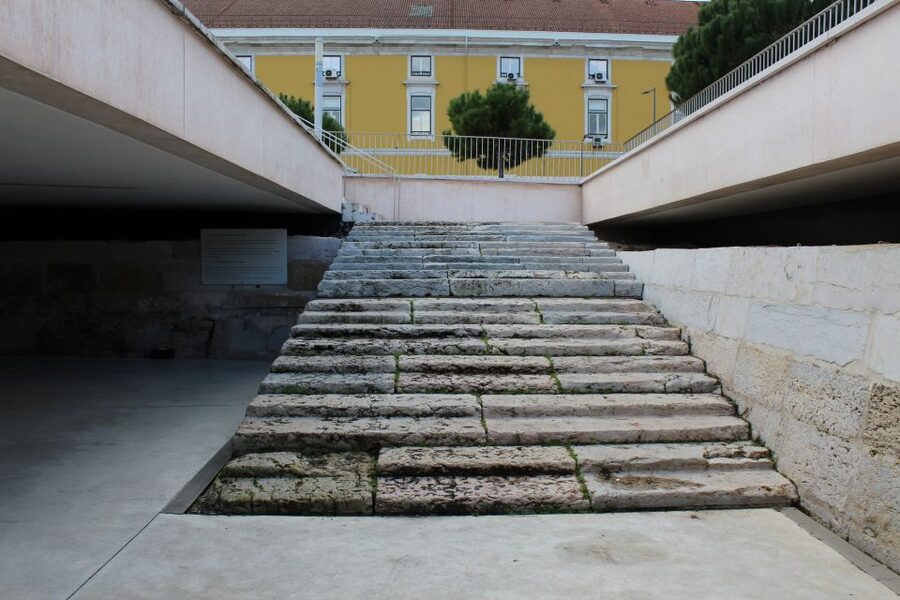
- Chafariz D’El Rei and social class: A fountain that visually reflects how societies were divided, including Africans.
- Campo das Cebolas and early arrivals: The old port area where enslaved Africans first reached Europe.
- Rua Cor de Rosa and lived reality: A street linked to how African women worked in Lisbon’s economy.
- Rossio station and empire-era symbolism: Manueline 19th-century architecture paired with the Berlin Conference era.
- Church of S. Domingos and religious integration: How African communities were part of Catholic life and achievements.
Why Lisbon’s African Heritage Walk feels different
This tour doesn’t treat Lisbon as a simple postcard. It treats the city like an archive, where the built environment hints at migration, conquest, commerce, and inequality. You’re guided through neighborhoods that still show the “how” behind big historical events: who lived where, who had access to resources, and how Portuguese society connected to African people over centuries.
What makes it especially compelling is the mix of starting points. You begin with Moorish influences in Alfama, then move into spaces tied to the slave trade, and finally end with everyday Lisbon layers: religion, work, and how African communities integrated into Portuguese life. That arc matters. It keeps the story from becoming one-note tragedy, even while it stays serious about what was done to people.
Also, you’re not just hearing names and dates. The tour points you to physical clues—fountains, streets, port areas, and church settings—so you can picture how history played out on the ground.
You can also read our reviews of more tours and experiences in Lisbon.


Getting oriented: A Padaria Portuguesa and the pace of 3.5 hours
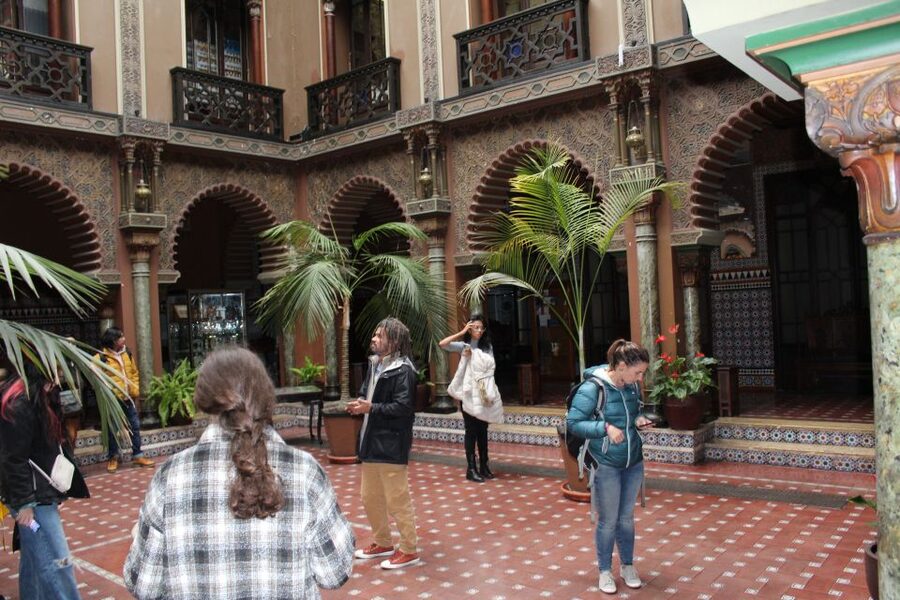
The meeting point is straightforward: meet your guide at A Padaria Portuguesa. Expect a 3.5-hour walking experience. There’s no hotel pickup, so you’ll need to arrive on your own and be ready to start on foot.
Since it’s a walking route (and Lisbon is hilly), the pace is best for people who can handle uneven sidewalks and some uphill segments. One review specifically calls out comfort shoes and the fact that there’s walking uphill. Good plan: dress for movement, not just photos.
You’ll get a bottle of water and a live guide, plus the benefit of multilingual guiding in English, Spanish, and Portuguese. That language flexibility is handy if you’re traveling with mixed-language friends or if you prefer to process details in your strongest language.
Alfama: starting with Moors and the North African roots
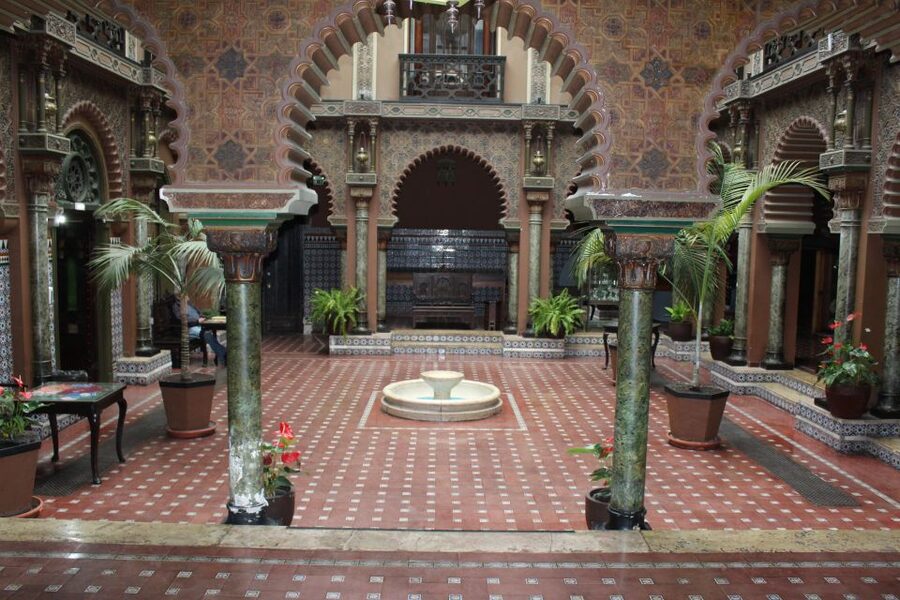
Alfama is one of the best places to begin, because it’s Lisbon’s oldest neighborhood and its origin story reaches back through Moorish presence. The tour uses Alfama as your launchpad for understanding Africa’s roots in this part of Europe—connections that are often left out of the usual Lisbon highlights.
As you walk here, you’ll get the sense that history isn’t only in museums. In a neighborhood like this, you can feel how older layers of a city persist in street patterns and the texture of daily life. The goal isn’t to romanticize the past. It’s to show that Portuguese history grew alongside North African contact, not in isolation.
This opening also sets the tone for the rest of the walk. When the tour later points to Portugal’s involvement in slavery and colonial expansion, you’re already oriented to deeper connections—then you can understand how those connections turned into exploitation.
Chafariz D’El Rei: class written into a public fountain
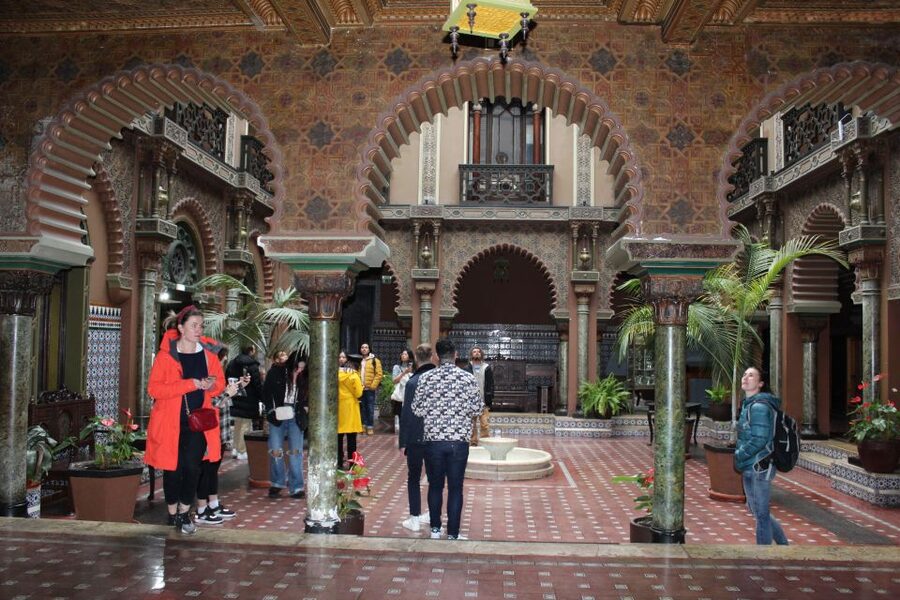
Next, the tour brings you to Chafariz D’El Rei, a fountain tied to how social classes were arranged during the Middle Ages. This stop matters because it makes inequality visible. Instead of treating history as abstract, you’re shown how even public infrastructure could reflect who belonged and who didn’t.
The tour highlights that Africans are represented in that story, which is exactly the kind of detail that changes how you read a city. When you notice how class systems were built into everyday spaces, the later stops about ports, commerce, and trade feel more grounded.
If you like your history “place-based,” this is a strong moment. It rewards slower observation: look at the setting, then listen to how it connects to broader social order.
Campo das Cebolas and the old port: where slavery reached Europe
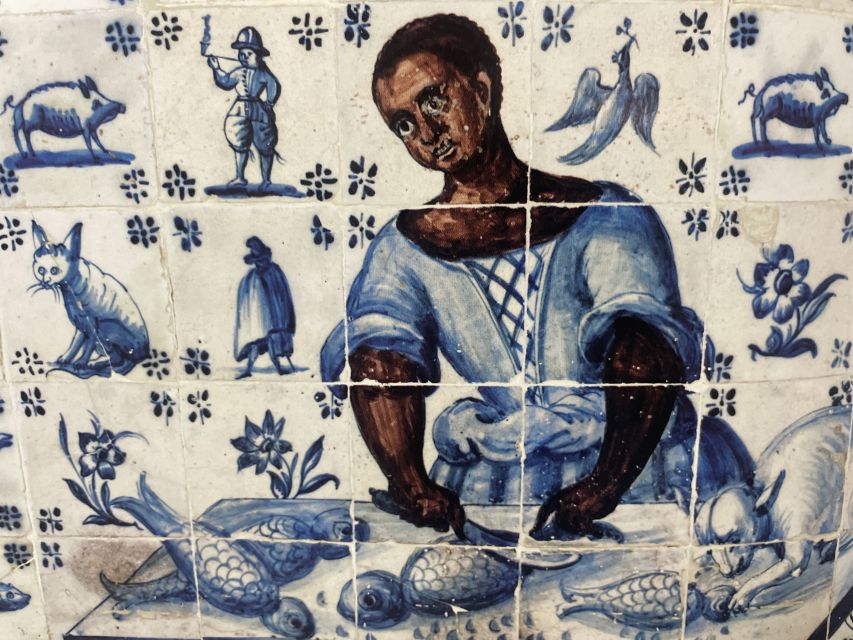
Then you’re taken to Campo das Cebolas, linked to the old port area of Lisbon. This stop is described as belonging to the port zone where the first enslaved Africans arrived in Europe connected to the transatlantic slave route.
This is where the tour can feel heavy, and that’s the point. The walk doesn’t skip over the uncomfortable mechanics of the era. It frames the port not as a vague “trade hub,” but as a specific arrival context tied to human suffering and forced movement.
If you’re the kind of traveler who wants to understand the start points of major historical systems, this stop gives you a clear one: Lisbon as a starting place in the broader transatlantic story. And because you already saw Moorish links earlier, you can also see that European expansion didn’t happen in a vacuum—it grew from existing networks and contacts.
You can also read our reviews of more historical tours in Lisbon


Praça do Comércio and Baixa after 1755: power, rebuilding, and trade
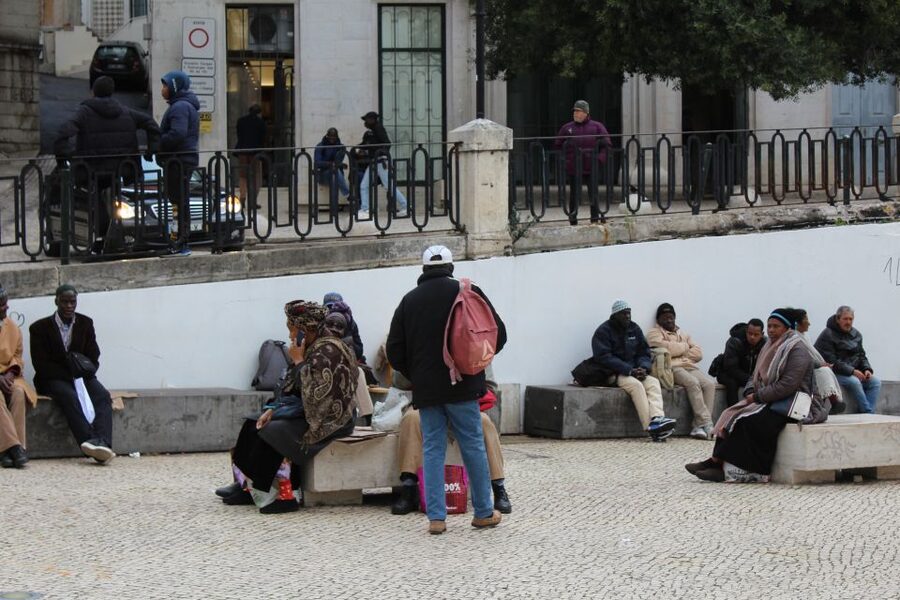
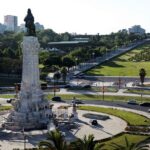
The tour then moves you to Praça do Comércio, one of Lisbon’s most emblematic squares. This is where Portuguese history events played out, and the tour specifically connects the place to the slave trade.
From there, you head into Baixa, the central neighborhood of the capital. The tour reminds you that Baixa was destroyed by the 1755 earthquake and rebuilt afterward. That detail matters, because it highlights a recurring theme in Lisbon: large-scale shocks, reconstruction, and the way commerce and governance continue after catastrophe.
When you connect Praça do Comércio (state and public power) with Baixa (rebuilt central Lisbon), you start to see how trade and authority were interwoven. Even if the tour’s focus is African heritage, this pairing helps you understand how Portuguese institutions and urban development fit into larger economic systems.
Rua Cor de Rosa: African women and Lisbon’s everyday economy
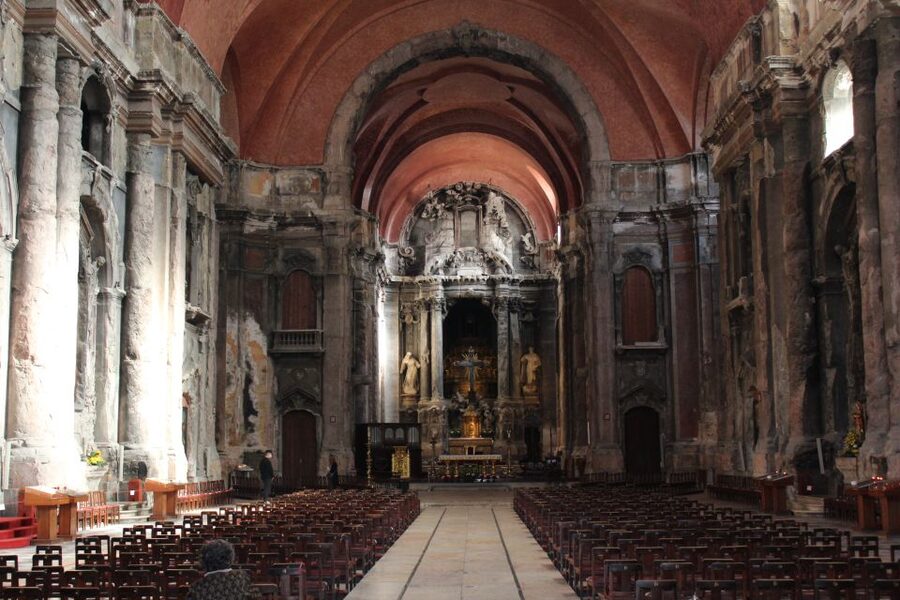
At Rua Cor de Rosa, the tour shifts toward daily-life reality. This street is tied to where several African women provided services in Lisbon.
This stop is important for a balanced understanding. The story of slavery often gets told at the scale of ships, ports, and laws. Here, you’re pushed toward the human-scale outcomes: how people lived, worked, and survived under the structures created by earlier systems.
It also helps explain “integration” in a more practical way. Integration wasn’t always equality. Sometimes it was survival within constraints, shaped by work, stigma, and the options available to people in that era.
If you care about social history—how societies functioned at ground level—this is one of the most affecting stops.
Rossio station and Manueline style: 19th-century symbolism and colonial thinking
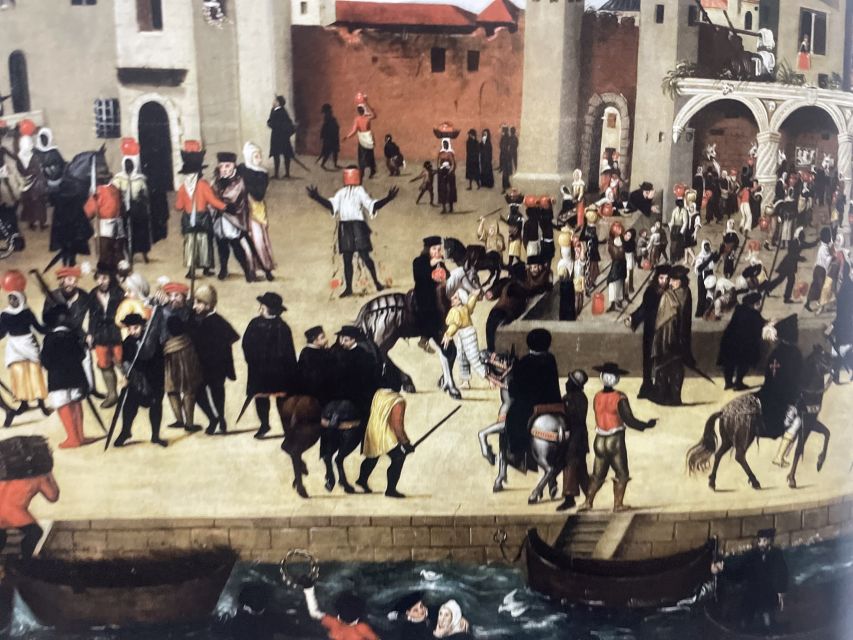
The tour then reaches Rossio, including the train station built in the 19th century with Manueline architectonic style. The stop isn’t treated as only architectural trivia. It’s connected to Portugal’s golden times and a claim to belong among European powers.
The tour makes the link to the Berlin Conference of 1884, the era when European countries divided Africa into colonies. So the station becomes a symbol, not just a pretty façade. You’re asked to notice how national pride and architectural expression sat right beside colonial politics.
This is a strong stop if you want your Lisbon to connect to the wider map of global history. You’ll walk away with a clearer sense that European modernity didn’t come “after” colonialism. In many places, it came with it.
Church of S. Domingos: Catholic integration and African achievements
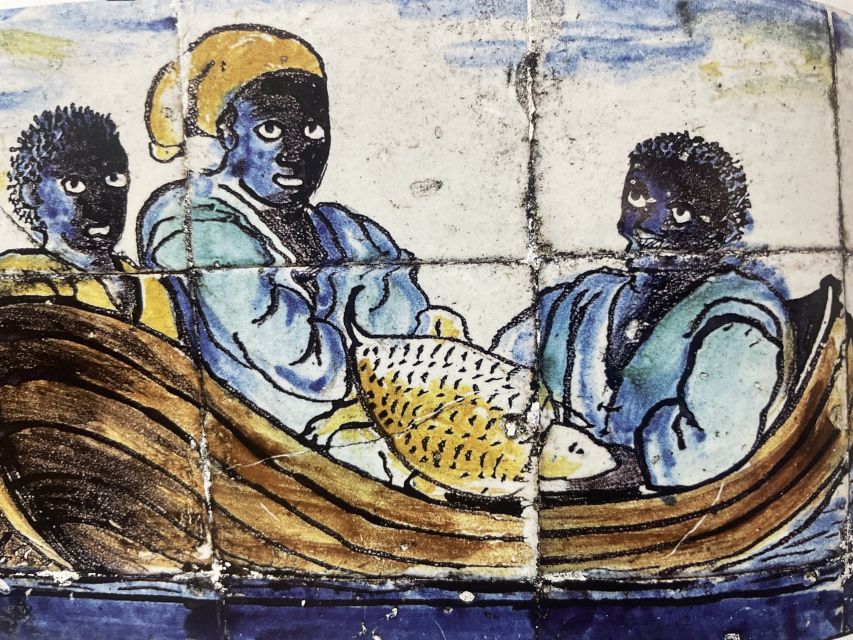
The walk ends (or continues near the end) at Church of S. Domingos. Here, the tour focuses on the form of integration of Africans in the Catholic religion and the achievements tied to that integration.
This is another moment where the tour avoids one-dimensional storytelling. Yes, slavery and inequality are central themes. But the tour also shows that African presence in Portugal shaped cultural and religious life in ways that outlasted the worst periods of forced transit and conquest.
When you stand in or near a church linked to that topic, you can see how “integration” can mean more than paperwork or law. It can mean participation, community building, and influence within the religious frameworks people were surrounded by.
Price and value: what $176 buys you in Lisbon
At $176 per person for about 3.5 hours, this isn’t a bargain-basement walking tour. You’re paying for a guide, a bottle of water, and a route built around specific, meaningful places across multiple central areas.
Here’s the value logic I’d use:
- If you want a typical Lisbon sightseeing loop, this price may feel high.
- If you want a focused narrative that explains how African heritage connects to Lisbon’s architecture, trade, and religion, the cost is easier to justify.
- The quality signal is strong in the feedback: guides like Jose and Alcides are described as friendly and professional, and multiple people highlight that the guide connected global history to Lisbon in a way that filled gaps that other tours don’t.
Also, the multilingual offering (English, Spanish, Portuguese) helps you pick a comfort language without losing meaning. That’s part of the value, especially if you’re traveling with friends or family who don’t want to split the group.
Finally, you’re walking through neighborhoods that are already worth exploring. If you show up hoping for facts plus street-level context, you’ll likely feel you got your money’s worth.
Who should book this tour (and who might not)
This tour is a good match if you:
- Want African heritage centered in Lisbon, not tacked on.
- Prefer walking tours with stop-by-stop context tied to real places.
- Like learning through architecture and street settings, not only through plaques.
It may be less suitable if:
- You have mobility impairments. The tour is explicitly not suitable for people with mobility impairments.
- You dislike walking uphill or uneven ground. Reviews directly flag that the route includes uphill sections.
One more honesty note: expect solemn topics. The slave route and trade connection is part of the core story here, and the tour treats it seriously.
Before you go: the small practical details that matter
Do a little prep so the experience feels smooth instead of stressful.
- Wear comfortable shoes. The route includes uphill walking.
- Plan for a full 3.5 hours without food as part of the standard plan. Food and drinks aren’t included, though you may be able to take a short pause along the way.
- Bring questions. Multiple guide comments emphasize that the tour is interactive and answers come clearly.
If you’re wondering what to ask, a few easy starters help:
- How does this stop connect to Africa’s presence in Portugal beyond slavery?
- What do you notice in the city that most visitors usually miss?
- How did Portuguese society shape outcomes for African communities over time?
Should you book this tour for your Lisbon days?
I’d book it if you want Lisbon with context: Moorish roots in Alfama, class clues at Chafariz D’El Rei, port-era reality at Campo das Cebolas, and the larger Europe-and-colonies story reflected in Rossio and the Berlin Conference era. The route is built to make you connect the dots instead of memorizing a list of stops.
Skip it if you only want light, casual sightseeing and minimal walking uphill, or if mobility limitations make a street-based route difficult. Also, if you’re not ready for the difficult themes tied to slavery and trade, you might find the subject matter emotionally demanding.
If you do book, show up ready to look closely. This tour works best when you treat each place like evidence.
FAQ
Where is the meeting point for the Lisbon African History and Heritage Walking Tour?
You meet your guide at A Padaria Portuguesa.
How long is the tour?
The tour lasts about 3.5 hours.
What’s included in the price?
The included items are a bottle of water, a guide, and a walking tour.
Is hotel pickup or drop-off included?
No, hotel pickup and drop-off are not included.
What languages are available for the live guide?
The live tour guide is available in English, Spanish, and Portuguese.
Is the tour suitable for people with mobility impairments?
No, it is not suitable for people with mobility impairments.
Are food and drinks included?
No, food and drinks are not included.
Can I cancel for a full refund?
Yes. You can cancel up to 24 hours in advance for a full refund.
Can I reserve now and pay later?
Yes. You can reserve your spot and pay later to keep your plans flexible.