REVIEW · BUDAPEST
Explore the rich Jewish heritage of Budapest PRIVATE TOUR
Book on GetYourGuide →Operated by Roll On Magyarország Kft. · Bookable on GetYourGuide
Budapest’s Jewish Quarter hits hard, fast. This private 2-hour walking tour strings together major landmark sights and thoughtful stops, so you leave with real context, not just photos.
I like two things most: you get outside views of landmark synagogues (no stress about separate entrances) and you also reach the Shoes on the Danube Bank memorial, which gives the whole route emotional weight.
One thing to consider: entry into synagogues isn’t included, and food is optional. Also, one guide (Levi) was noted as not Jewish, so if you want a deeply religious perspective, ask your guide what they can and can’t cover.
In This Review
- Key points worth planning for
- Why Budapest’s Jewish Quarter Works in Just Two Hours
- Meeting at Starbucks on Fashion Street: A Clear Start, a Real Route
- Dohány Street Synagogue Exterior: What to Notice Without Going Inside
- Rumbach Street Synagogue Exterior: Art Nouveau Details You Can Actually See
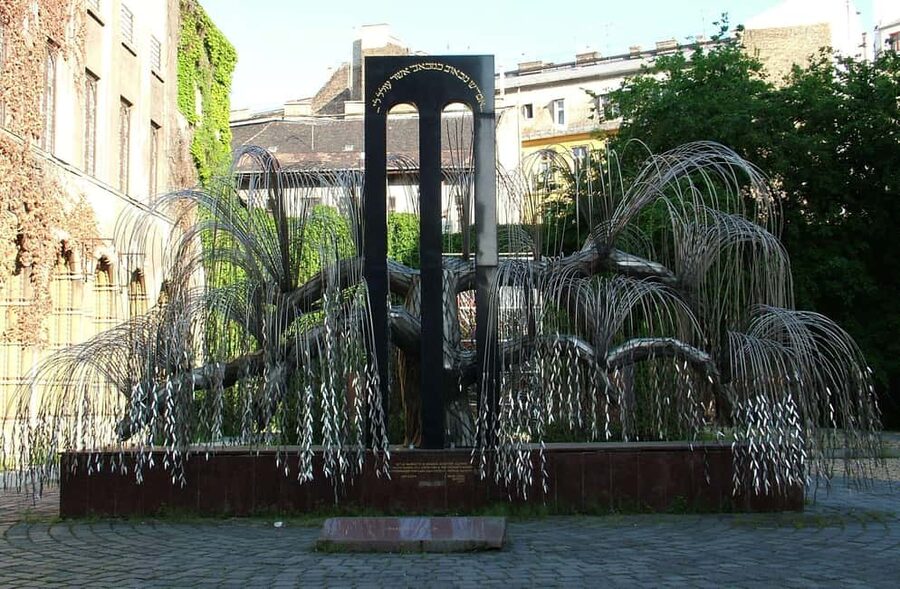
- The Ghetto Memorial Wall: Where Street History Becomes Personal
- Shoes on the Danube Bank: A Holocaust Memorial You Should Take Slowly
- Coffee and Flódni at a Local Spot: A Break That Fits the Theme
- Kosher Market (Kóser Piac): Browse First, Spend Second
- Babka Deli and Food Tasting: The Best Way to Try Without Overcommitting
- About the Guide: English, Private Group, and Real-World Q&A
- Optional Upgrades and Nearby Sights You Can Add Later
- Price and Value: $49 for a Private 2-Hour Walk
- Who This Tour Fits Best
- Should You Book This Private Jewish Heritage Tour?
- FAQ
- How long is the private Jewish heritage walking tour?
- Where does the tour start?
- Is it a private tour or a group tour?
- Does the tour include entry into synagogues?
- Is food included, like coffee and flódni?
- Is it suitable for children?
Key points worth planning for
- Private, English-language guide for 2 hours: short enough to fit a busy day, long enough to matter.
- Synagogue exteriors only: Dohány Street Synagogue and Rumbach Street Synagogue are seen from outside, with details like architecture and stained glass.
- Holocaust memorial focus: the Shoes on the Danube Bank stop is built into the experience.
- Ghetto history landmarks: the route includes the Ghetto Memorial Wall for on-foot context.
- Food break is optional: coffee and traditional flódni are part of the plan, but you choose what you pay for.
- Kosher Market time: you’ll have a walk-and-look stop that’s practical if you like tasting food or browsing.
Why Budapest’s Jewish Quarter Works in Just Two Hours

This tour is designed for people who want meaning without a full-day commitment. In two hours, you get the backbone of Budapest’s Jewish story: where the community stood in the city, how the area looked, and what happened when history turned brutal.
I like that it’s a walking format. You’re not just reading facts on a bench. You see buildings, streets, and memorials in place. That’s when the names start to feel real.
You can also read our reviews of more private tours in Budapest
Meeting at Starbucks on Fashion Street: A Clear Start, a Real Route
You meet in front of Starbucks on Fashion Street, with a Roll On board to help you spot the guide quickly. It’s a smart meeting point if you want to stay oriented. You won’t waste time hunting for a group.
The pace matters here. You’re going to walk between key areas, including memorial stops and photo-worthy exteriors. Two hours sounds short, but it works because the itinerary is built around concentrated stops rather than long transfers.
Dohány Street Synagogue Exterior: What to Notice Without Going Inside
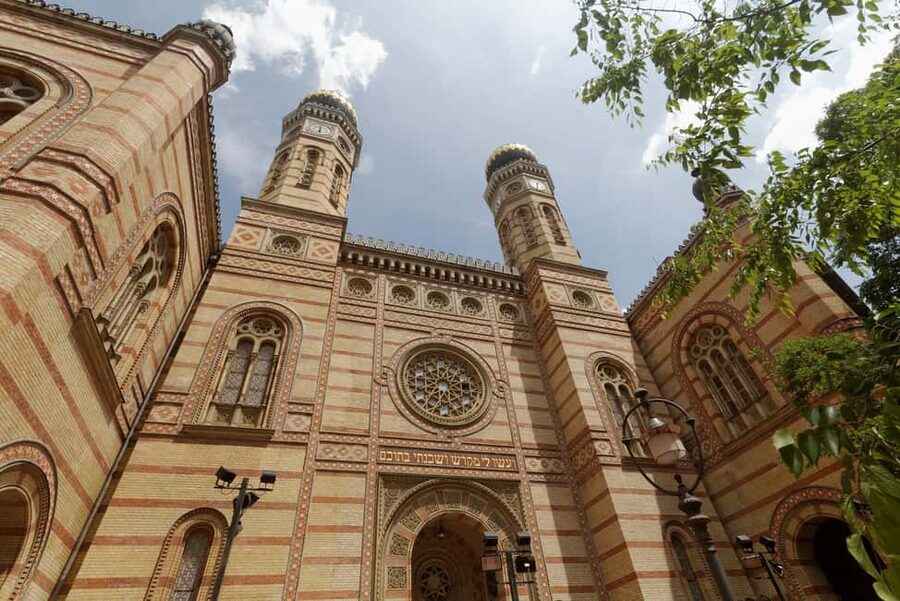
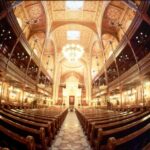
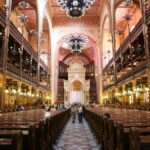
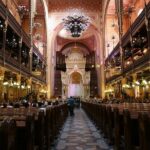
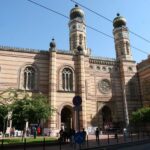
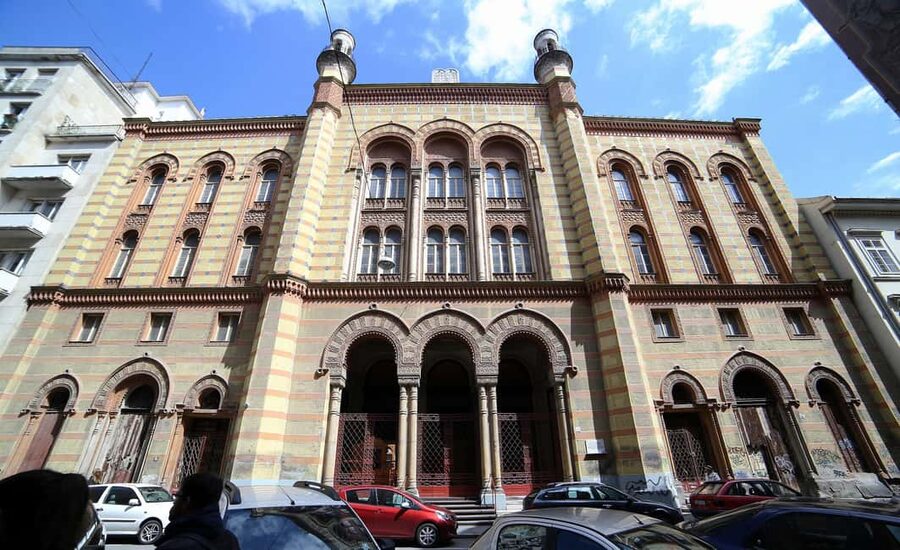
One highlight is the Dohány Street Synagogue, viewed from the outside. The tour focuses on the building’s striking blend of styles—Moorish and Romanesque architecture—so you know what you’re looking at when the façade comes into view.
Even if you don’t go inside (this tour doesn’t include synagogue entry), you can still get a lot out of this stop. Exterior viewing is easier to schedule, and it’s less demanding if you’re touring with limited time.
If you do want interior access, you’ll need separate tickets. The guide can help point you toward the right way to plan that, so you’re not scrambling later.
Rumbach Street Synagogue Exterior: Art Nouveau Details You Can Actually See

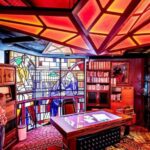
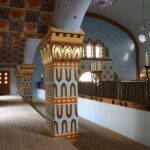
Another exterior stop is the Rumbach Street Synagogue, known for Art Nouveau features. The tour calls out stained-glass windows and architectural detail, which is helpful because this is the kind of building where you’ll either notice the features or miss them completely.
I like this approach. A good guide helps you slow your eyes down. You’re not just passing by something pretty; you’re learning what makes it significant.
The Ghetto Memorial Wall: Where Street History Becomes Personal

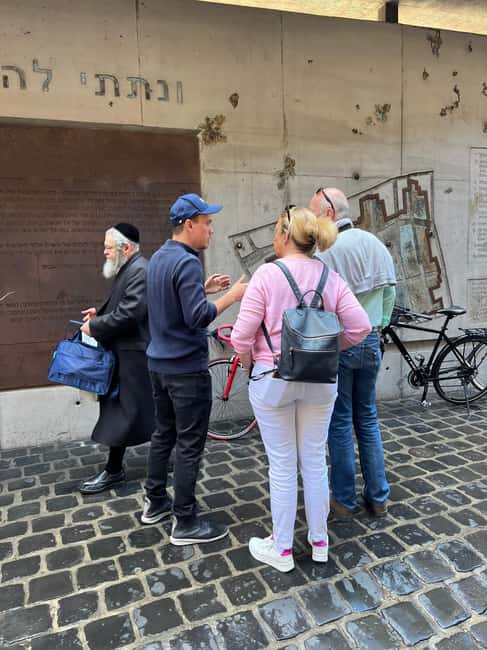
The route includes a stop at the Ghetto Memorial Wall. This is the kind of place where the city’s map suddenly feels smaller and heavier. You get guided commentary and a chance to look closely while staying respectful.
The practical value is that it gives you a framework before you reach the Danube memorial. Instead of jumping from one famous spot to another, you build the story step by step.
You can also read our reviews of more historical tours in Budapest
Shoes on the Danube Bank: A Holocaust Memorial You Should Take Slowly
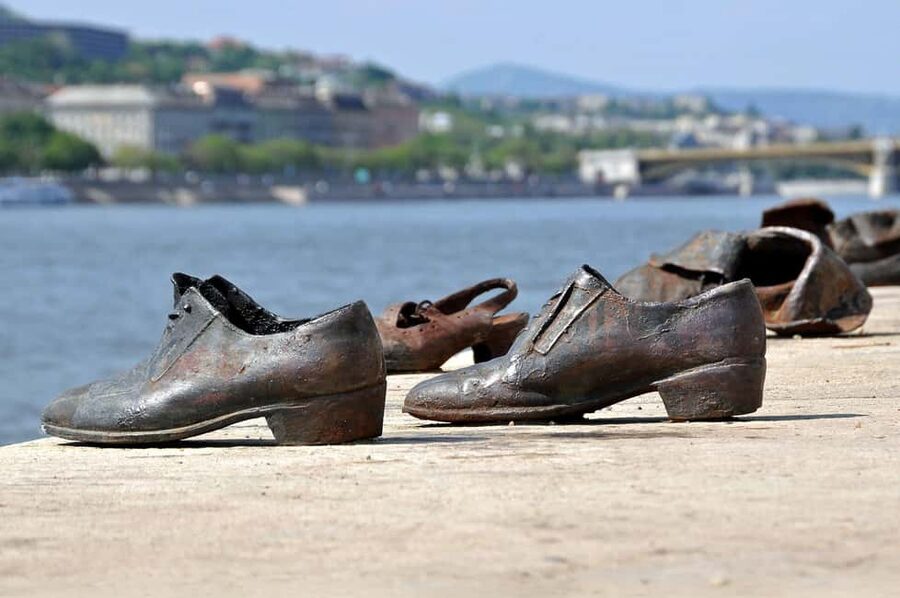
The Shoes on the Danube Bank memorial is part of the experience for a reason. It commemorates victims of World War II, and the sculpture’s minimal form makes the message land fast.
This is one of those stops where I think you should not rush. Let the guide’s explanation do its work, then give yourself a moment to look at the riverfront setting. The power here isn’t in spectacle. It’s in how ordinary the scene feels compared to what it represents.
Coffee and Flódni at a Local Spot: A Break That Fits the Theme

Between history stops, you’ll pause for coffee and traditional flódni at a local eatery. The tour’s plan includes it, but food and drink are optional, so you can control your spending.
What I like is that the break connects to the cultural theme rather than feeling like a random tourist detour. Coffee stops in Jewish neighborhoods are often a natural way to reset your brain while staying in the same story.
If you’re sensitive to strong flavors or are watching your budget, this is where you decide your comfort level. Ordering something small is a perfectly fine choice.
Kosher Market (Kóser Piac): Browse First, Spend Second

You also stop at Kóser Piac / Kosher Market. This isn’t presented as a high-pressure shopping spree. It’s more like a walk-and-look moment where you can see what local Jewish food culture looks like today.
I find this stop useful because it shifts the tour from past to present. After memorials and architecture, you get a sense of everyday life: commerce, snacks, and the hum of a neighborhood market.
If you want to bring home something edible, this is a logical place to check what’s available. If you don’t want to buy anything, you can still enjoy it as a sensory break.
Babka Deli and Food Tasting: The Best Way to Try Without Overcommitting
The itinerary includes Babka Deli with a food tasting stop. This is where you can sample without turning it into a full meal. It’s also a nice counterpoint to the seriousness of the Holocaust memorials.
Here’s the practical mindset: if you’ve already eaten earlier in the day, tasting is the move. If you haven’t, you can use this stop to anchor your lunch plan.
About the Guide: English, Private Group, and Real-World Q&A
The tour runs with a live guide in English and is a private group, which is a big deal for two reasons. First, you can ask questions without feeling like you’re slowing down a group. Second, your guide can adjust the focus if your interests lean more toward architecture, daily life, or historical events.
Guide quality shows up in the way past participants described guides such as Anne and Anna. They were noted for friendliness and for connecting the story to Hungary’s war, politics, and society. That matters because Budapest’s Jewish heritage isn’t only about buildings. It’s about how the city changed.
One caution came up around a guide named Levi, who was not Jewish, and there were questions he couldn’t fully answer from that perspective. This doesn’t make the tour worse. It just means you should ask the right kind of questions. If you want strictly religious or community-internal explanations, make sure your questions are aligned with what your guide can cover.
Optional Upgrades and Nearby Sights You Can Add Later
This tour can include suggestions for nearby places, including a Jewish museum option (additional ticket required). If you want more historical depth, a museum stop can extend your understanding beyond streets and memorials.
The guide can also point you toward other close-by memorials and landmarks, such as the Holocaust Memorial Center or the Raoul Wallenberg Memorial Garden, if you want to keep the story going after the two-hour walk.
Tip for your planning: if you’re pairing this tour with another site the same day, check which areas you’ll cover while you’re in the neighborhood so you’re not backtracking across the city.
Price and Value: $49 for a Private 2-Hour Walk
At $49 per person for a private tour, you’re paying for two things: a dedicated guide and a tight, focused route. In a city like Budapest, the value isn’t only the price tag. It’s the fact that you’re not spending your time figuring out which streets matter or how the memorials connect.
You’re also saving time because synagogue entry isn’t included. That can feel limiting if you want inside access, but it also means less waiting and fewer ticket hassles on a short schedule. If you want interiors, you can add them separately.
Food is optional, so you’re not forced into paying for meals you might not want. If you budget carefully, you can keep costs predictable.
Who This Tour Fits Best
This is a good fit if you want:
- A short private guided walk with clear landmark stops
- Exterior architecture viewing of major synagogues
- Holocaust context that doesn’t stay abstract
- A cultural reset with coffee, flódni, and time at the kosher market
It’s not designed for young children. The tour is listed as not suitable for children under 12, which makes sense given the memorial content and the walking length.
If you have mobility needs, note that the tour is marked wheelchair accessible. It’s still smart to ask the operator how the route is handled for your specific needs.
Should You Book This Private Jewish Heritage Tour?
Yes, if you want a compact, guided route through Budapest’s Jewish Quarter that includes both architecture and Holocaust memorials—plus a food break that feels connected to the neighborhood.
Book it especially if you like the idea of a private English guide who can tailor questions, and if you’re comfortable with the fact that synagogues are seen from outside on this version. You’ll still come away with plenty to look at and plenty to understand.
Skip it or plan extras if you strongly need inside synagogue time or if your ideal experience requires a guide with a specific religious/community background. In that case, ask before you go and be ready to pair this with separate tickets.
FAQ
How long is the private Jewish heritage walking tour?
It lasts 2 hours.
Where does the tour start?
The meeting point is in front of Starbucks on Fashion Street, where a colleague waits with a Roll On board.
Is it a private tour or a group tour?
It’s a private group.
Does the tour include entry into synagogues?
No. It includes synagogue exteriors only. Separate tickets may be purchased if you want to go inside.
Is food included, like coffee and flódni?
Food and drink are optional. The tour includes time for coffee and traditional flódni at a local eatery, but you choose whether to order.
Is it suitable for children?
It is not suitable for children under 12.