REVIEW · ACCRA
Ghana Heritage Tours – Beyond The Return
Book on Viator →Operated by Ashanti African Tours · Bookable on Viator
A naming ceremony after centuries of history.
I love how this trip mixes culture and crafts with the emotional weight of Ghana’s slave-route history, and I also like the way the tour handles the practical stuff for you, from transfers to meals. You’ll even get help with outfit making so you’re ready for your ceremony. One possible drawback: it’s a packed schedule, so it’s not the slow, sit-by-the-pool kind of holiday.
I also appreciate the service tone. The review comments I saw highlighted staff attention and confidence in handling details, and the names Alex (tour guide) and Eric came up specifically. If you like clear planning, a full cultural day after day, and a group that stays on track, this format fits well—just be prepared for the day-to-day pace and for at least two heavy historical stops.
In This Review
- Key Things That Make This Tour Worth Your Time
- Welcome to Accra: Getting Your Bearings Fast
- National Museum to Independence Square: Culture Without Guesswork
- Tailors, Fabrics, and Night Out Options in Accra
- DuBois, Beads, and Aburi: A Day Dedicated to Meaningful Detail
- Kumasi Heritage: Palaces, Markets, and the Okomfo Anokye Legend
- Kente and Adinkra: Textile Craft That Lets You Participate
- Slave-Route Memorials: Assin Manso and Cape Coast Castle
- Elmina by the Water: A Reset After Cape Coast
- Kakum Canopy Walkway: The Physical Highlight
- Traditional Naming Ceremony in Cape Coast: How It’s Done and What to Watch
- Elmina Castle, Fishing Market, and the Boat Builders
- Price and Value: Is $3,595 Actually Fair?
- Who Should Book This Tour
- Should You Book Ghana Heritage Tours: Beyond The Return?
- FAQ
- How long is the tour?
- Where does the tour take place?
- What’s included in the price?
- Are hotel transfers included?
- What about admission tickets and site fees?
- Can I join if I’m not an experienced traveler?
- What is not included?
- Do I get my African name on this tour?
Key Things That Make This Tour Worth Your Time
- Airport arrival through city pickup: You start with an Akwaaba welcome and transfer straight to your hotel.
- Craft stops with real skill involved: Beads, kente weaving, and adinkra symbols are hands-on enough to feel personal.
- Kakum canopy walkway: Seven bridges about 40 meters up gives you a memorable physical break from museums.
- Slave-route memorial stops done respectfully: Assin Manso and Cape Coast Castle are the emotional center of the trip.
- Your traditional naming ceremony: Libation, drumming, dancing, and an African name tied to the community’s welcome.
- Alex and Eric level of support: Comments emphasize staff attentiveness and making logistics feel under control.
Welcome to Accra: Getting Your Bearings Fast
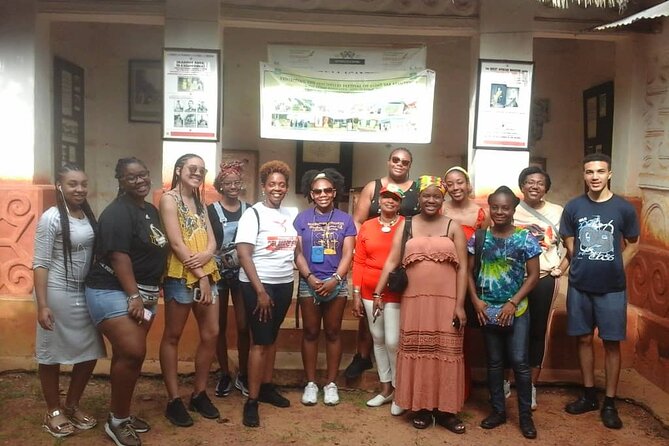
Your first day is built around one simple idea: reduce stress right away. You land in Accra, then you’re met after you exit the arrival hall, with the team looking out for the Ashanti African Tours sign. The immediate greeting is Akwaaba, plus help with any early questions—then it’s straight to your hotel for check-in.
After you freshen up, dinner brings the group together to talk through what’s ahead and why it matters. If you still have energy, you can also head into town for Accra nightlife. That option is useful. It helps you shift from travel mode into local rhythm without needing to organize anything yourself.
Practical tip: expect the first day to feel more like a “settle in” chapter than a full sightseeing day. If you’re the kind of person who needs movement immediately, ask how much flexibility you’ll get for an early evening walk.
You can also read our reviews of more historical tours in Accra

National Museum to Independence Square: Culture Without Guesswork
Day 2 moves through Accra using a smart order. You start with the National Museum of Ghana, where the exhibits are ethnographic, focused on how West African cultures developed and how traditions show up in daily life. The museum doesn’t limit itself to Ghana either; you’ll see displays from across the region. There’s also an adjoining garden with sculptures that explain customs and tradition in a more visual way.
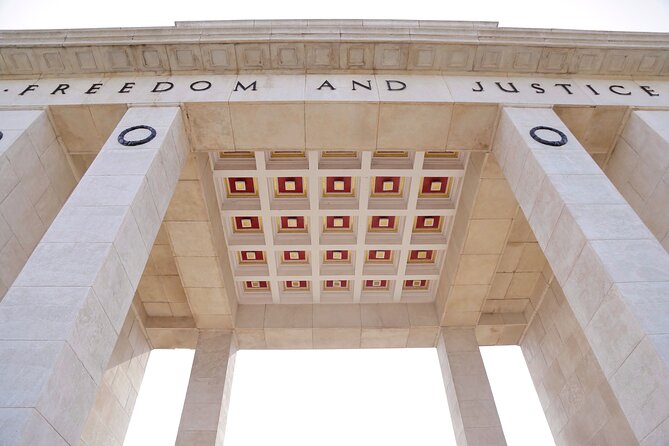
That museum stop is paired with Kwame Nkrumah Memorial Park. You pass by Black Star Gate and the Independence Square, including Black Star Square and its enclosed flame of African liberation. From there, the park gives you Nkrumah’s story with photos and artifacts in the museum setting.
Then the tour heads to James Town for a walking tour in Accra’s oldest suburbs. You’ll see historical structures predating colonial rule, plus the 30-meter-high lighthouse built by the British in 1871. The fishing boats along the beach add color to the scene, and Fort James connects the neighborhood’s name to the larger story of trading forts—British, Danish, and Dutch presence in the same coastal area.
What I like about this day: it’s not just “see stuff.” The sequence builds context. Museum first, independence second, then the older coastal neighborhoods where history feels close to the ground.
Consideration: James Town is a walking component, and markets can be busy. Wear comfortable shoes and keep your expectations flexible if you need short breaks.
Tailors, Fabrics, and Night Out Options in Accra
A clever detail shows up on Day 2 and again as you head toward the naming ceremony: time is built in for clothing and local craft shopping.
After James Town, you return to the hotel for dinner and for measurements if you want outfits made by the professional tailor and seamstress. That’s not just a souvenir angle. It’s practical timing—those outfits can be delivered before the big naming moment later in the trip.
There’s also another option to go out in Accra at night. The tour frames this as a fun way to try the city’s nightlife with the group’s support, rather than trying to figure out where to go after a long day.
Practical tip: if you’re serious about the tailor, don’t wait. Use the measurement time and be clear about how you want the outfit to fit and feel. If you’re thinking of wearing it for your naming ceremony celebration, plan for that too.
DuBois, Beads, and Aburi: A Day Dedicated to Meaningful Detail
Day 3 is a shift toward people, objects, and place. You start at the W.E.B. DuBois Center, which serves as both a library and a research institute for Pan-Africanism. It’s also the final burial place and former home of Dr. William W. Burghardt Du Bois, connected to the Pan-African Congress between 1919 and 1927 and known for his anti-segregation work.
From there, the tour goes to T.K. Beads. This isn’t just a shop stop. You learn the process of making traditional African beads, which are worn especially on important occasions. The tour highlights beads as symbols tied to wealth, beauty, and standing in the community. There’s even a shop on site if you want to purchase.
Next comes Aburi Botanical Gardens at the top of the Akuapem hills. The views across Accra are part of the draw, but the focus here is also on the plants. As you walk the gardens, your guide identifies trees and explains how Ghanaians use some plants, including medicinal properties.
You wrap up at Aburi Crafts Village, where traditional drums and sculptures are made by skilled craftsmen. Prices are mentioned as among the lowest in Ghana, which makes this a good stop if you want quality without feeling like you’re overpaying.
Consideration: this day is packed with learning. If you don’t enjoy museum-style context or workshop-style explanations, you might want to pace your questions and take short rests.
Kumasi Heritage: Palaces, Markets, and the Okomfo Anokye Legend
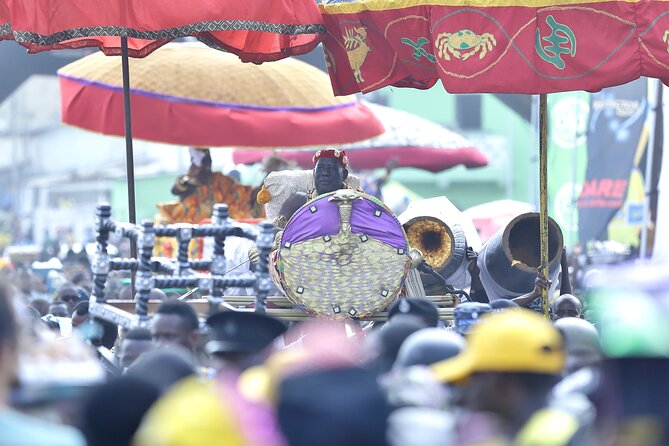
Days 4 and 5 take you north to Kumasi and the Ashanti cultural world. Day 4 starts at Manhyia Palace Museum, home of the Asantehene, the King of the Ashanti and ruler of the Asanteman Kingdom. It’s designed as a historical walk through the Ashanti empire and the legacy that shapes Ashanti culture.
Then you head to the Prempeh II Museum, described as a Jubilee museum at the National Cultural Centre. It includes an overview of Ashanti history and houses ancient artifacts. If you want one-word guidance, think of Day 4 as “how power worked” and how it still shows up in symbols and institutions.
Kejetia Market comes next. It’s reported to be the largest outdoor market in West Africa, and the point of the stop is everyday life. The stalls form a labyrinth, the activity feels nonstop, and some stall holders sleep there since trade can go late into the evening.
Finally, you visit the Okomfo Anokye Sword Site. The legend is central: Okomfo Anokye was a priest who helped Ashanti leadership defeat the Denkyera kingdom, and after that, the Golden Stool of Ashanti was said to descend from the sky and land in Okomfo Anokye’s lap before he planted the sword into the ground as a unity symbol. The tour even mentions Muhammad Ali’s 1964 Pan-African visit as part of the story around who tried—and couldn’t—pull it out.
Practical tip: at sites like this, you’ll get the best experience by asking one or two respectful questions instead of trying to capture everything in your camera roll.
Kente and Adinkra: Textile Craft That Lets You Participate
Day 5 is built around textiles—kente and adinkra symbols—plus a chance to create something. You begin at Asante Traditional Buildings, recognized as UNESCO World Heritage Sites. This connects cultural architecture with real historical people, including Nana Yaa Asantewaa, a key figure in Ashanti history. She’s highlighted as a powerful woman leader from Ejisu Besease who led the Ashanti fight against the British in 1901.
Then it’s off to Adanwomase, the birthplace of Ghana’s kente cloth. You walk through the community and interact with kente weavers whose families have made these cloth designs for generations using traditional looms. The tour notes that it’s a great place to purchase quality kente at good prices.
Next you go to Ntonso, where adinkra symbols originate. The tour explains that symbols are carved from calabash shells and printed onto cloth using natural dyes made from local tree bark. Then you get the chance to make your own strip of adinkra cloth using symbols that are meaningful to you.
Why this matters: textile crafts aren’t just shopping. When you see how the symbols work—what they represent—you buy with understanding, not just aesthetics.
Consideration: if you have limited time for purchasing, decide early. The craft days are where your “I want to take something home” energy will peak.
Slave-Route Memorials: Assin Manso and Cape Coast Castle
Day 6 is emotionally heavy, and the tour does not rush past that. You start at Assin Manso Ancestral Slave River Park. The focus is on the enslaved African trade route and the Ndonkor Nsuo, the Slave River. The tour describes how people were marched in shackles, checked for fitness, and bathed before continuing to the coast. It’s a setting meant to honor what happened and to help you understand the physical journey that shaped lives.
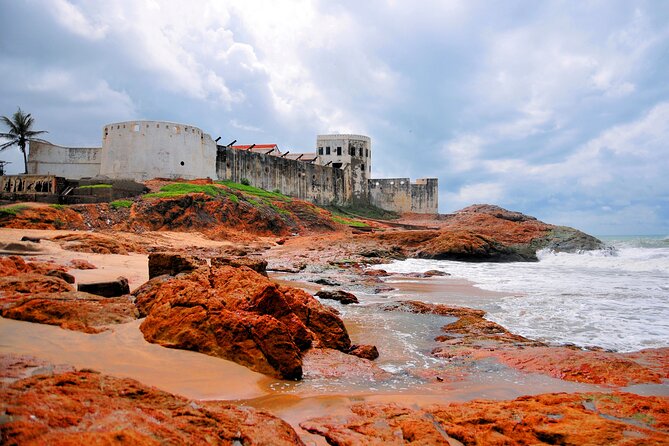
After that, you visit Cape Coast Castle, presented as one of the most significant remaining edifice along Ghana’s coastline. The tour frames it as thought-provoking and spiritual as well as historical. You’ll spend time moving through corners of the castle, including areas connected to worship in the governor’s place and the castle church. The dungeons are highlighted as places where up to 1300 men, women, and children were kept at any one time, plus the Door of No Return.
If you’re sensitive to difficult history, this is the day you plan for extra emotional bandwidth. Bring a journal or notes app on your phone. If you don’t want to feel anything, you’ll still learn a lot—but you’ll likely leave needing a quiet evening.
Elmina by the Water: A Reset After Cape Coast
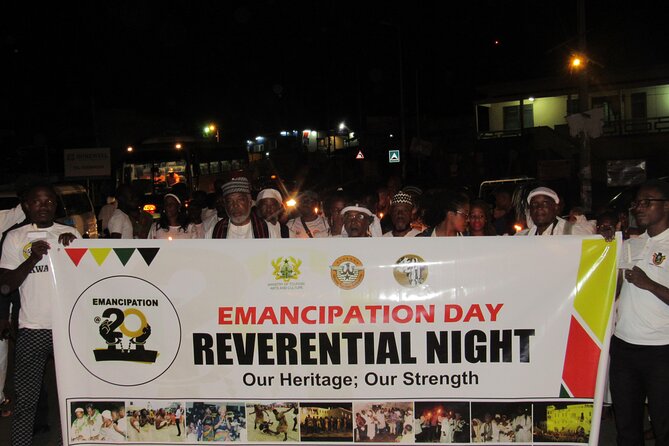
After you check into a beach front hotel in Elmina, the rest of the day is free time. Dinner is taken on the beach front overlooking the Gold Coast, followed by reflection. This is a thoughtful design choice: after intense history, you get a gentler setting to process.
This day also gives you space to slow down. You can ask your guide what pace feels right. If you want to do more, you might be able to explore nearby on your own, but the provided schedule keeps it light.
Practical tip: evening at the coast can feel cooler than you expect after a hot day. Bring a light layer if you run cold.
Kakum Canopy Walkway: The Physical Highlight
Day 7 shifts gears with Kakum National Park. The main event is the rainforest canopy walkway: seven bridges attached to seven emerging trees, about 40 meters above the rainforest floor. You walk suspended bridges and pause at viewing platforms that attach to emerging trees between bridges.
This is the kind of stop that changes your mood. After castles and memorials, the air, height, and movement help you switch from history mode to nature mode, without ignoring the meaning of earlier days.
Consideration: if you dislike heights, this is the day to think carefully. The walkway is the big physical moment on the trip.
Traditional Naming Ceremony in Cape Coast: How It’s Done and What to Watch
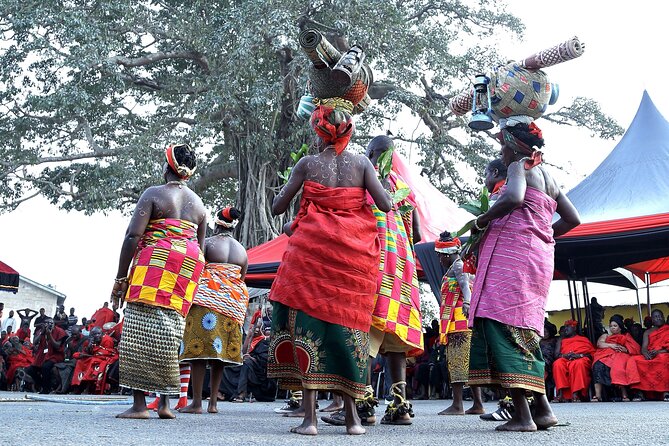
The most personal moment comes in the Cape Coast naming ceremony. You visit a local village for a courtesy call on the chiefs, queen mothers, and elders. Tradition starts with libation, welcomed by the community as you arrive in the spirit of homecoming—connected to the land your ancestors were forcibly taken from.
From there, drumming and dancing create the atmosphere, and the tour sets expectations for an in-depth, respectful ceremony. Then the time comes for you to receive your true African name. Chiefs and elders lead the process and officially welcome you.
After the ceremony, you return to your beach front hotel to freshen up and have dinner. Then you can head into town for a naming ceremony nightlife celebration—an evening designed around wearing the outfits you had made if you requested them on Day 2. It’s a practical payoff for that early tailor time.
What to do to make this go smoothly: come with a calm mindset. This isn’t just a photo moment. It’s a community ritual and you’ll get more out of it if you treat it with attention rather than speed.
Elmina Castle, Fishing Market, and the Boat Builders
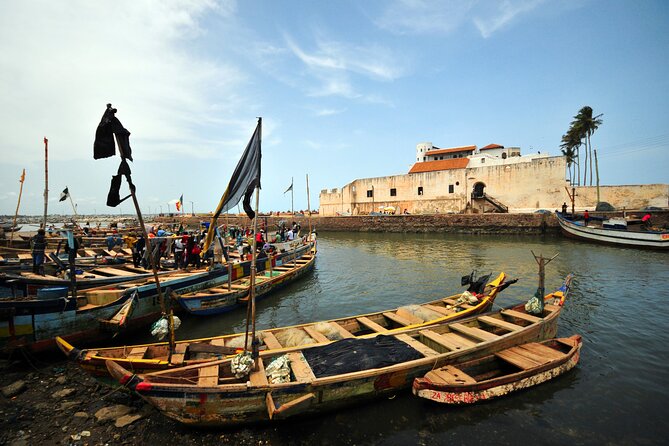
Your last full travel block is Day 8, heading back toward Accra. You stop in Elmina at the Castle of St. George, described as the oldest extant colonial building in sub-Saharan Africa, dating from 1482. You tour the castle and the informative museum inside that concentrates on local history. It’s also recognized as a World Heritage site.
After the castle, the tour shifts to local life. You visit the fishing market, then walk to see boat builders nearby. That last part matters because it keeps the day from feeling like only museums and monuments. You end with the living economy and crafts of the town.
In Accra, you share an early evening meal and then transfer to the airport or to a pre arranged location in Accra. The tour frames you as part of the Ashanti African Tours family afterward.
Price and Value: Is $3,595 Actually Fair?
The price is $3,595 per person for about 8 days. That’s not a low-cost trip, so the right way to judge value is to look at what’s wrapped in.
This tour includes:
- Accommodation and meals (breakfasts, lunches, and dinners are covered)
- Airport transfers and hotel transfers
- An air-conditioned vehicle, fuel, and an experienced driver
- A local guide on the ground
- All excursion fees
- Unlimited mineral water
- The traditional naming ceremony
That matters because so many heritage trips in West Africa become expensive once you start adding admissions, guides for each day, transport, and meals. Here, you’re paying for a lot of the structure up front. If you want a guided route that avoids daily planning and keeps you moving between Accra, Kumasi, Cape Coast, and Elmina, that bundled approach is strong.
Consideration: the tour does not include visa, international flights, and soft or alcoholic drinks. You’ll also want spending money for optional purchases like fabrics, kente, beads, and adinkra.
Who Should Book This Tour
This fits best if you:
- Want a heritage-focused route that includes crafts, palaces, castles, and a naming ceremony
- Prefer having a plan and support rather than independent logistics
- Are open to learning with context, including the painful history of slavery and its modern memory
It might be less ideal if you:
- Want lots of free time and minimal group structure
- Dislike emotional memorial stops
- Hate heights or aren’t comfortable with a canopy walkway about 40 meters up
Should You Book Ghana Heritage Tours: Beyond The Return?
If you want one trip that connects Ghana’s cultural identity to its history of loss—and also gives you a real chance to participate through textiles and a naming ceremony—this is a compelling pick. The value comes from the bundled support: transfers, meals, accommodation, and most site costs are already handled, so you can focus on the experience instead of logistics.
My final advice: book it if you can handle a full schedule and you respect the emotional gravity of Assin Manso and Cape Coast Castle. If you’re seeking a light, purely recreational trip, choose something else.
FAQ
How long is the tour?
It runs for about 8 days.
Where does the tour take place?
The tour is based in Ghana, starting in Accra and also visiting places including Kumasi, Cape Coast, and Elmina.
What’s included in the price?
Accommodation, meals, an air-conditioned vehicle, fuel, an experienced driver, an expert local guide, unlimited mineral water, airport and hotel transfers, all excursion fees, and the traditional naming ceremony are included.
Are hotel transfers included?
Yes. Hotel transfers are included, and airport transfers are included as well.
What about admission tickets and site fees?
All excursion fees are included, and the stops specify admission tickets as included for major museums and parks.
Can I join if I’m not an experienced traveler?
Most people can participate, and the tour is described as private for your group.
What is not included?
Visa, international flights, and soft and alcoholic drinks are not included.
Do I get my African name on this tour?
Yes. A traditional African naming ceremony is included, and you receive your African name during that ceremony.