REVIEW · ACCRA
10 Days Ghana Cultural and Heritage Trip
Book on Viator →Operated by Freelancenana Travel And Tours · Bookable on Viator
Ghana hits hard, in the best way. I like the small-group feel and the way the days are built around meaning, not just photo stops. One consideration: this route spends real time on slavery and remembrance sites, so it can feel emotionally heavy.
I also appreciate the practical touches: airport pickup, an air-conditioned vehicle with wifi, and a schedule that mixes major landmarks with market and craft time. The tour is priced at $3,500 per person, so it’s best viewed as a structured heritage journey rather than a budget sight-seeing run.
In This Review
- Key highlights worth your attention
- Ghana With Real Structure: What Makes This Trip Work
- Accra Welcome Day: Nkrumah Memorial, Independence Square, and Makola Market
- Aburi Botanical Gardens and the W.E.B. DuBois Center: Ideas You Can Feel
- Cape Coast Castle and the Door of No Return: Touring With Gravity
- Kakum Canopy Walk and Elmina’s Historic Streets: Nature Meets Memory
- Elmina Naming Ceremony and Chief Palace Traditions: A Personal Moment
- Assin Manso Walk of Return: The Barefoot Part That Stays With You
- Kumasi Ashanti Power at Manhyia Palace and the Market World
- Bonwire Kente Weaving Centre: Learning Symbols, Not Just Color
- Accra Arts Center and Airport Drop-Off: Wrap It Up Smart
- Price and Value: Is $3,500 a Good Deal?
- Who Should Book, and Who Might Reconsider
- Should You Book This 10 Days Ghana Cultural and Heritage Trip?
- FAQ
- How long is the 10 Days Ghana Cultural and Heritage Trip?
- What is the meeting point and start time?
- What languages is the experience offered in?
- Is airport pickup included?
- What group size should I expect?
- What meals are included?
- Is there air-conditioned transportation?
- Are entrance fees included for major attractions?
- Is the tour suitable for most people?
- What happens if weather is poor or plans change?
Key highlights worth your attention

- Nana and the team lead the flow with a “pilgrimage” style pace that keeps logistics smooth and the story clear
- Air-conditioned transport with wifi helps you stay comfortable through long drives
- Kakum Canopy Walk gives you that rare treetop walk experience in a rainforest setting
- Elmina naming ceremony includes the day-based naming tradition and African clothing for the event
- Assin Manso Walk of Return includes a reverential barefoot walk and memorial wall moment
Ghana With Real Structure: What Makes This Trip Work
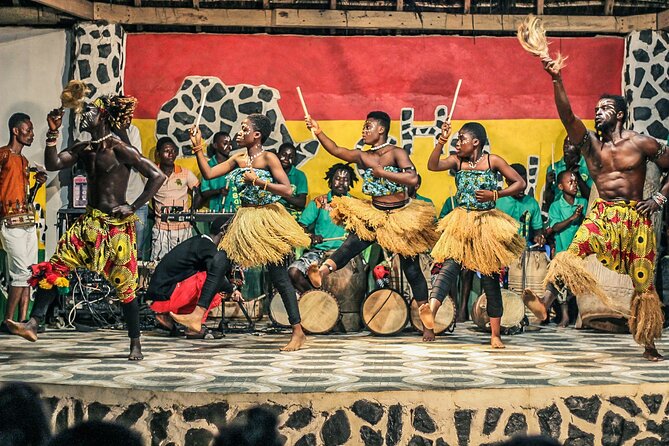
This is a heritage trip with a clear backbone. You’ll move between city sights, nature, and historic coastal sites, with enough time at each stop to actually understand what you’re seeing.
The small group size (maximum 10 travelers) is a big deal for a route like this. It means you’re more likely to get hands-on guidance at crowded places like markets, and it keeps the day from turning into a chaotic line shuffle. Add the air-conditioned vehicle with wifi, and you get a nice balance of comfort and reflection.
If you’re choosing Ghana for culture, history, and a deeper connection to the country’s legacy, this trip’s pacing fits that goal.
You can also read our reviews of more historical tours in Accra

Accra Welcome Day: Nkrumah Memorial, Independence Square, and Makola Market
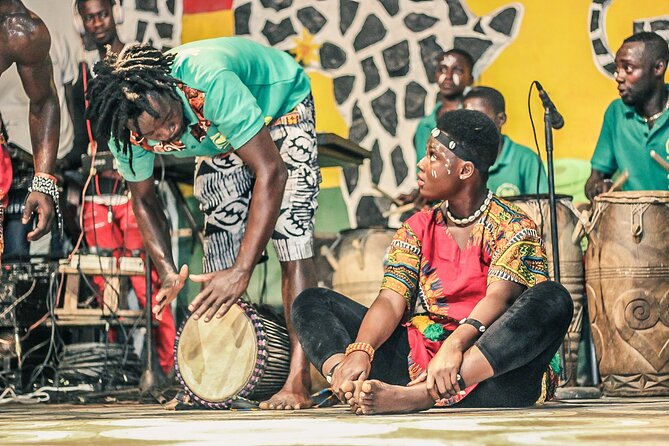
Your first day is set up to help you get your bearings fast. You arrive, you’re picked up at Kotoka Airport, and you go straight to a hotel. Then there’s a welcome dinner with drinks that’s designed to help you meet your in-country trip leaders and the rest of the group in a relaxed setting.
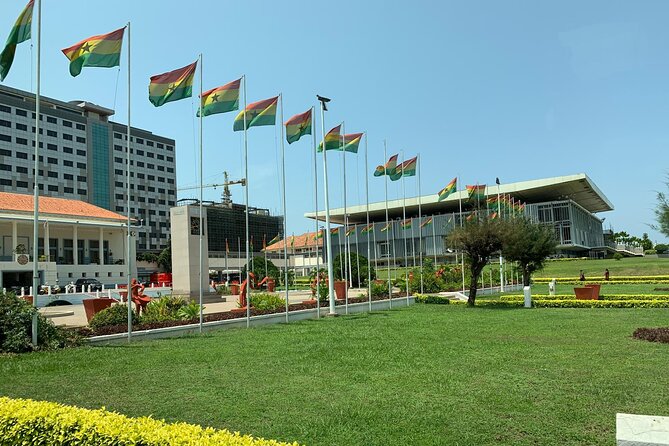
Next comes Kwame Nkrumah Memorial Park. It’s not just a statue visit. You’ll see personal items linked to Nkrumah’s life, including the smock he wore when Ghana’s independence was declared, plus photos of world leaders and examples of personal correspondence. It’s a strong start because it frames Ghana as a country shaped by both politics and people.
From there, you head to Independence Square, including the Independence Arch area with monuments tied to Ghana’s independence struggle. If you’re into how countries build national identity into public space, this is the kind of stop that makes sense. It’s also tied to the Independence Day parade tradition on March 6 each year, which gives the whole location a living context.
Then Makola Market. This is the part where Ghana becomes sensory. Expect narrow alleys, lots of movement, and serious market energy. You’ll have a guide to point you toward more interesting sections and photo spots, which helps when you’re in a crowd where it’s easy to get turned around.
Practical note: markets are crowded most times, so wear comfortable shoes and keep your phone secure while you browse.
Aburi Botanical Gardens and the W.E.B. DuBois Center: Ideas You Can Feel
After the Accra foundation day, the trip shifts to plants, people, and big-picture thinking. At Aburi Botanical Gardens, you’ll learn about African herbs and plants, including their origin, age, and medicinal properties. Even if you don’t remember every detail, the value is that you’ll leave with a clearer sense of how local knowledge connects to daily life.
Then you go to the W.E.B. DuBois Center, described as a Pan Africanism memorial center. Du Bois was an American historian and sociologist, and here the focus is on how his ideas link across borders. For many people, this stop is a key mental bridge between Ghana’s local story and the wider African diaspora conversation.
This pairing works because it’s not random. Gardens teach you about local heritage through nature. The Du Bois Center teaches you about heritage through ideas and identity.
Cape Coast Castle and the Door of No Return: Touring With Gravity
Cape Coast is where the tour turns from history lessons into something much more emotional. You’ll visit Cape Coast Castle, including the dungeon areas where enslaved people were held while awaiting the ships, and you’ll see the Door of No Return.
This is the kind of place where timing and group guidance matter. With a structured tour lead and enough time allocated, you’re less likely to rush through the most important parts. Still, this is not a light stop. If you’re sensitive to heavy subjects, plan a few quiet breaths afterward before your next activity.
Tip: bring a light layer. Castles and dungeon areas can feel cooler and dim, and you’ll likely spend time standing and walking through spaces where photo-taking isn’t the main point.
Kakum Canopy Walk and Elmina’s Historic Streets: Nature Meets Memory
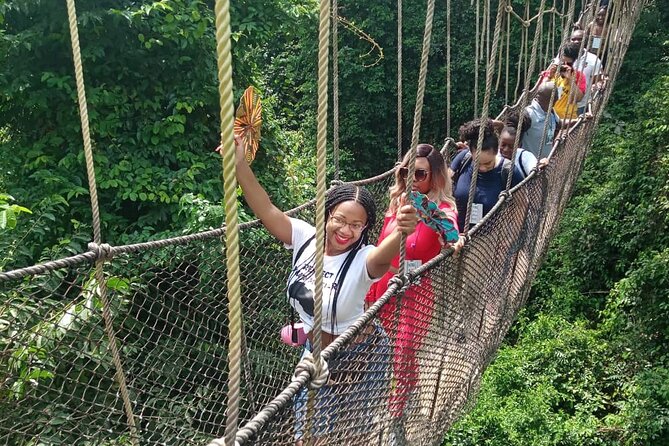
The Kakum National Park experience is your physical reset. The Kakum Rainforest and Canopy Walk is one of the few canopy walks in the world, and you’ll walk along the treetop route while surrounded by rainforest views. You’ll get a very different Ghana than the forts and castles: living nature, motion, and a sense of height that breaks up the emotionally heavy days.
After Kakum, the trip moves to Elmina, one of Ghana’s top historical towns. You’ll do a walking tour of the historical buildings and visit sites like the 17th century Dutch Cemetery, the Posuban Shrine, and the Asafo post. This stop adds texture because you’re not only seeing walls and dungeons—you’re also seeing community-linked heritage.
Then comes Elmina Castle. You’ll visit the slave dungeon areas, the forecourt, and again the Door of No Return. Seeing both Cape Coast and Elmina castles in sequence gives you a clearer comparison of how European-built structures were used across time and place.
Keep expectations realistic: castles are often busy and sometimes dark or uneven underfoot. The benefit is that each stop builds on the last, so the story doesn’t feel like separate chapters.
Elmina Naming Ceremony and Chief Palace Traditions: A Personal Moment
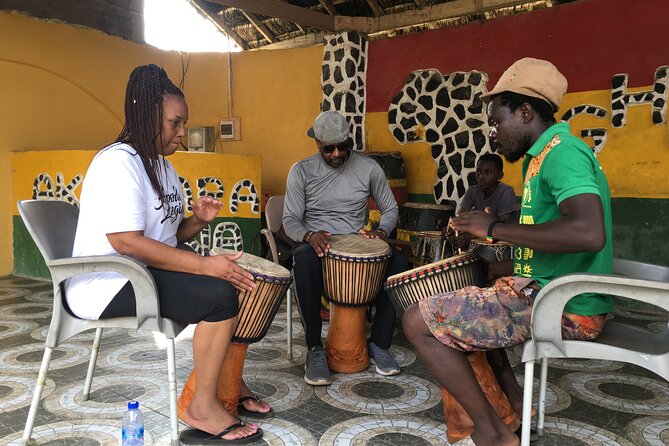
One of the standout cultural experiences is the naming ceremony in Elmina. The trip describes a typical ceremony where you’ll be given a name based on the day you were born, dressed in African clothing as part of the event.
That matters because it’s not just watching from the edge. You’re participating in a tradition that connects identity, language, and daily-life meaning. Even if you don’t speak a local language fluently, you’ll still feel how the ceremony works as a social way of belonging.
Before the ceremony, you’ll have time for rest and relaxation in the morning, then later you’ll visit the chief palace to learn about local traditions. This makes the naming ceremony feel connected rather than random entertainment.
Practical tip: ask your guide about what to do with your camera during the ceremony. Many cultural events allow photos, but some moments are best respected with attention rather than constant filming.
Assin Manso Walk of Return: The Barefoot Part That Stays With You
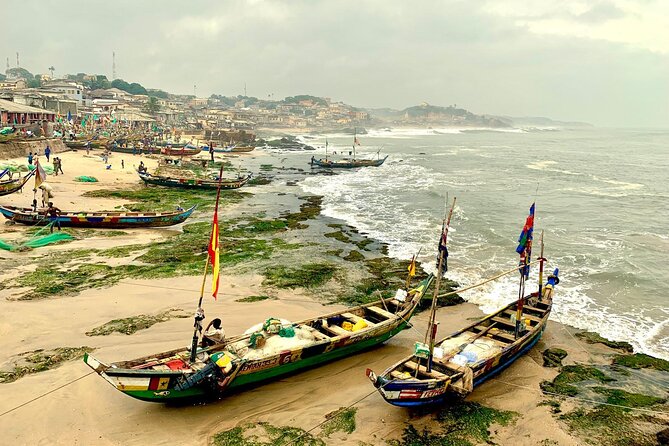
Assin Manso is described as the final point where enslaved people had their last bath before being taken to the castles and shipped to the unknown world. The trip includes the reverential walk of return, where you reconnect back to the motherland.
A major detail: the walk to the slave river is done bare foot, which the tour frames as a way of showing respect and paying homage to ancestors who took that journey. This is one of those moments where the trip’s design becomes obvious. It’s not only about telling the story—it’s about physically acknowledging it.
You’ll also visit the memorial wall of return, where names can be written to show sign of being able to return home. Even if your focus is historical, this part can hit on a human level.
Consideration: barefoot walking may not be for everyone, especially if you have foot issues. If that’s you, talk to your guide in advance. The tour lead can advise what options you might have.
Kumasi Ashanti Power at Manhyia Palace and the Market World
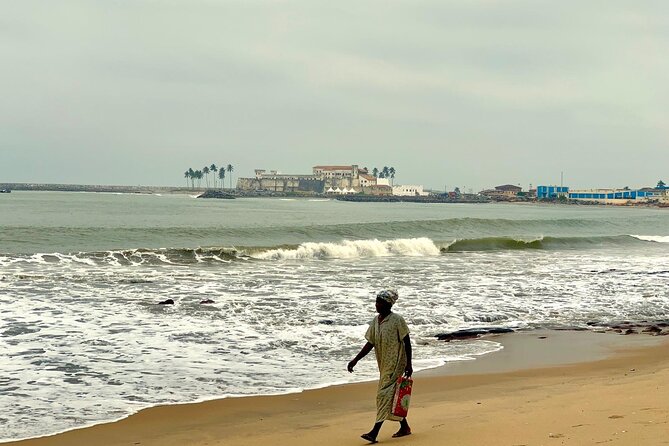
As you move into Kumasi, the tour shifts to Ashanti Kingdom heritage. At Manhyia Palace Museum, you’ll learn about the seat of the King of the Ashanti Kingdom and discover the rich details tied to the Asante Empire.
Then you’ll spend time at a large open-air market described as West Africa’s largest and busiest. Markets in Ghana are not just shopping. They’re where people trade, gossip, and handle everyday life. With a guide, you can focus on what’s interesting without losing your footing in the crowd.
The day also includes the Okomfo Anokye Sword site. From the Kumasi Cultural Center, you’ll visit the site associated with the mystical 400-year-old sword planted. It’s a story-driven stop, and it works well if you like learning how legend and cultural memory show up in real physical places.
This day is hands-on and energetic, so keep water handy and plan to slow your pace during the market hours.
Bonwire Kente Weaving Centre: Learning Symbols, Not Just Color
On the final full culture day in the interior, you head to the Bonwire Kente Weaving Centre. The focus here is the cloth and the symbols—how different Ghanaian textiles are made and what symbols can mean in Ghanaian culture.
I like this stop because it trains your eye. Instead of treating kente as only a souvenir, you learn to look for the meaning behind patterns and how cloth connects to identity. Even if you don’t buy fabric, the learning makes the shopping side feel less random.
Practical note: since you’re shopping later too, you’ll want to pace your purchases. Kente can vary a lot in cost and design, and you’ll likely want time to compare what you’re seeing throughout the trip.
Accra Arts Center and Airport Drop-Off: Wrap It Up Smart
Your last day brings you back to Accra for a final souvenir stop at the Accra Arts Center. The tour describes it as a place to handle last-minute shopping, which is handy because it reduces the chance you’ll scramble the day you fly.
Then you get dropped off at the airport in time to catch your flight with not much stress. That’s a small but important detail. After 10 days of moving around, airport timing can make or break your final day.
Tip: keep one day’s worth of spending money separate so you don’t end up digging through everything at the last stop.
Price and Value: Is $3,500 a Good Deal?
At $3,500 per person for about 10 days, this isn’t priced like a backpackers’ Ghana trip. What you’re paying for is structure, comfort, and guided access across multiple regions.
Here’s what the price appears to cover or support based on what’s listed:
- An air-conditioned vehicle with wifi, plus airport pickup and transfers
- A set of included meals: dinner, 8 breakfasts, and 4 lunches
- Admissions for many major stops, with several sites listed as included and others listed as free in the schedule
With a maximum group size of 10, the cost per person also stays tied to a private-guided style rather than a big bus crowd. If you want a guided heritage route that already handles the hard parts—timing, routing, and site entry coordination—this price can feel more reasonable.
If you’re the type who wants complete freedom, go-at-your-own-pace wandering, and minimal guided time, you may feel the cost more.
Who Should Book, and Who Might Reconsider
This tour makes the most sense if you want:
- Guided cultural learning across Accra, Cape Coast, Elmina, and Kumasi
- A nature break with Kakum’s canopy walk
- A meaningful cultural event like the Elmina naming ceremony
- A respectful, structured approach to remembrance stops
It may not fit as well if you:
- Need a lighter emotional load. Assin Manso and both castles are intense days.
- Have limited mobility or health concerns that affect long walks and uneven surfaces.
If you’re traveling solo, this can still work well because the group stays small. If you’re traveling as a couple, you’ll likely enjoy the balance of shared learning and guided pacing.
One more note: the trip features mention a visit to Faana village. Since it isn’t laid out in the day-by-day detail here, I’d ask your operator how that visit is handled for your dates.
Should You Book This 10 Days Ghana Cultural and Heritage Trip?
I’d book it if you want a Ghana trip with a story arc: identity in Accra, heritage and memory on the coast, nature in Kakum, and Ashanti culture in Kumasi. The combination of guided major sites, hands-on cultural moments, and the small group size is the main reason it works.
I’d pause before booking if you strongly prefer a purely relaxed vacation with minimal emotional weight. The route is designed for remembrance and reflection, and that’s not for everyone.
If you go, plan for comfortable shoes, expect crowding at markets, and treat the slavery-related stops with time and care. Also, since the experience notes that good weather is required, don’t assume every outdoor part will happen in any conditions.
FAQ
How long is the 10 Days Ghana Cultural and Heritage Trip?
It runs for approximately 10 days.
What is the meeting point and start time?
The tour starts at Kotoka Airport in Accra, Ghana at 8:30 am.
What languages is the experience offered in?
The tour is offered in English, Spanish, and French.
Is airport pickup included?
Yes. You’ll be picked up at the airport and transferred to your hotel.
What group size should I expect?
The experience has a maximum of 10 travelers.
What meals are included?
The tour includes dinner, 8 breakfasts, and 4 lunches.
Is there air-conditioned transportation?
Yes. You’ll ride in an air-conditioned vehicle equipped with wifi.
Are entrance fees included for major attractions?
Many site visits list admission tickets as included, and some stops are marked as free in the schedule. You should confirm specifics when booking.
Is the tour suitable for most people?
The experience states that most travelers can participate.
What happens if weather is poor or plans change?
The experience requires good weather. It also offers free cancellation up to 24 hours in advance for a full refund, and if it’s canceled due to poor weather, you’ll be offered a different date or a full refund.